Autumn at Strålsjøen — History & Facts
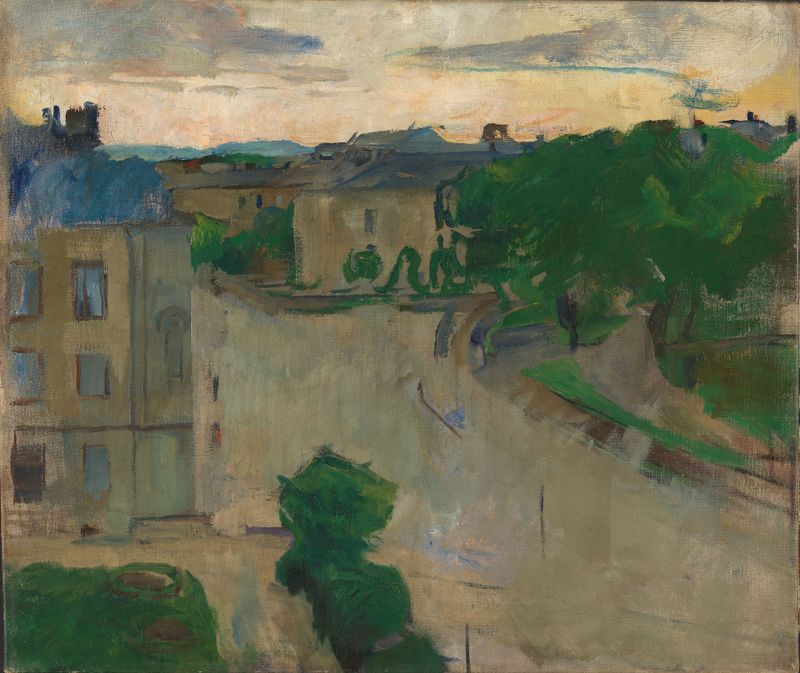
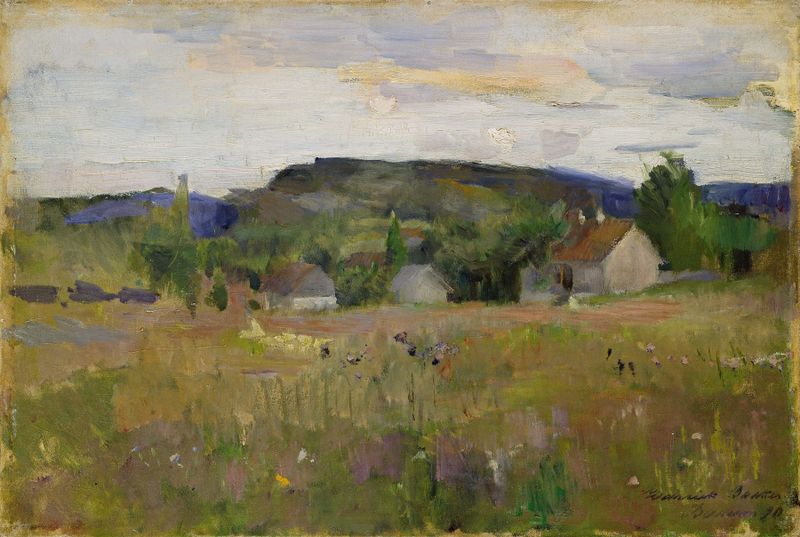
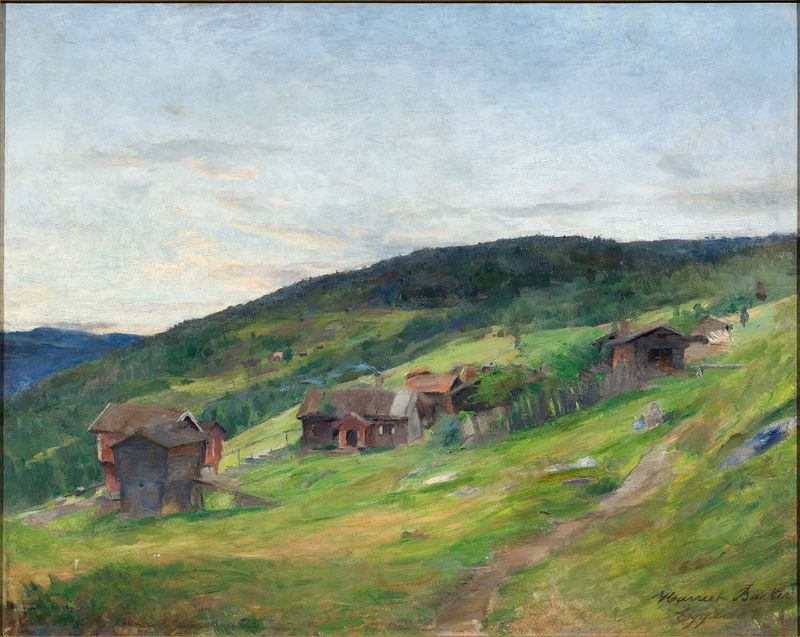
Can paint confess what words never could? The raw intensity of color and brushstroke suggests a churning emotion beneath the surface, hinting at stories hidden in the folds of a seemingly serene landscape. Focus on the vibrant orange and gold hues that dominate the canvas, evoking the fiery essence of autumn leaves. Notice how the trees, with their limbs stretched outward, seem to dance against the backdrop of the tranquil water. The light reflects delicately on the lake, creating a shimmering connection between earth and sky, while the subtle application of paint reveals an underlying tension — as if nature itself is on the brink of a violent transformation. Within this picturesque scene, the contrasting elements of peace and turmoil emerge.
The stillness of the water, so inviting, belies the history of conflict that may resonate beneath the surface. The foliage, vibrant and alive, in juxtaposition with the lurking shadows, suggests an unsettling dichotomy — beauty tainted by the knowledge that change is inevitable. Each brushstroke carries a whisper of past violence, hinting at the turmoil that often accompanies the transition from life to death. In 1894, Harriet Backer created this evocative piece amidst a vibrant art scene in Norway, where Impressionism was beginning to take root.
During this period, Backer was exploring the interplay of light, color, and emotion, influenced by her contemporaries while finding her own voice. This painting emerged from her deep connection to the Norwegian landscape, capturing the essence of a season marked by both beauty and the imminent chill of winter's approach.