
Autumn Landscape — History & Facts
What if silence could speak through light? In Autumn Landscape, an ethereal quietude envelops a tranquil scene, inviting reflection and contemplation of nature’s fleeting beauty. Look to the left at the golden ochres and deep russets that blanket the trees, their leaves a brilliant testament to the season's change. Notice how the gentle strokes of the brush create a textured interplay between shadow and light, guiding your eyes across the canvas. The soft pastel sky, fading into twilight, bathes the landscape in a warm glow that seems to hum with serenity, while the distant horizon hints at an approaching stillness, evoking a sense of time suspended. There is a delicate tension within the work, where the vibrant colors of autumn signify not only the beauty of the season but also its inevitable decline.
The stillness of the water reflects this duality, a mirror revealing both the vibrant life of the trees and the encroaching quiet of winter. Each shadow seems to whisper stories of the past, and the juxtaposition of light and dark illustrates the transient nature of beauty, embodying the bittersweet essence of change. Johan Hendrik Weissenbruch painted Autumn Landscape during a prolific period in the late 19th century when the Hague School was emerging, characterized by its emphasis on light and naturalistic representation. Living in The Hague, Weissenbruch embraced the surrounding countryside, translating the mood of the environment onto canvas with a focus on atmospheric effects.
This era was marked by a growing appreciation for plein air painting, as artists sought to capture the essence of their surroundings with immediacy and truth.
More Artworks by Johan Hendrik Weissenbruch
Browse all →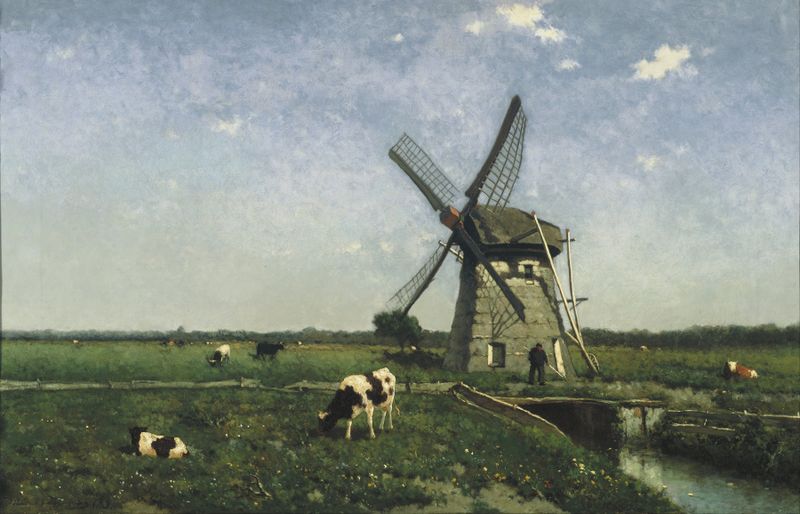
Landscape with Windmill near Schiedam
Johan Hendrik Weissenbruch
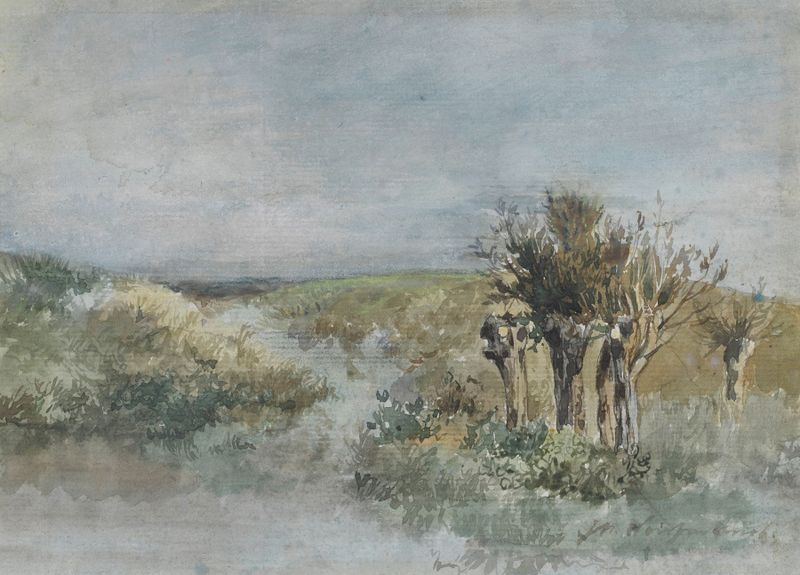
Landschap met knotwilgen langs een sloot
Johan Hendrik Weissenbruch
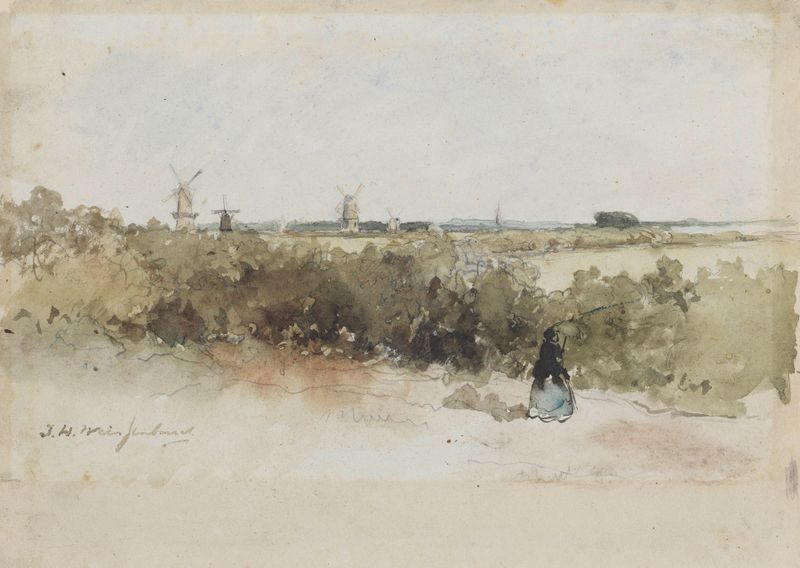
Landschap met windmolens
Johan Hendrik Weissenbruch
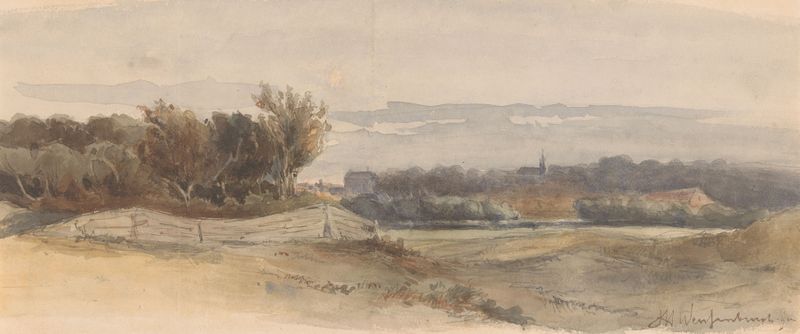
Panoramisch landschap
Johan Hendrik Weissenbruch
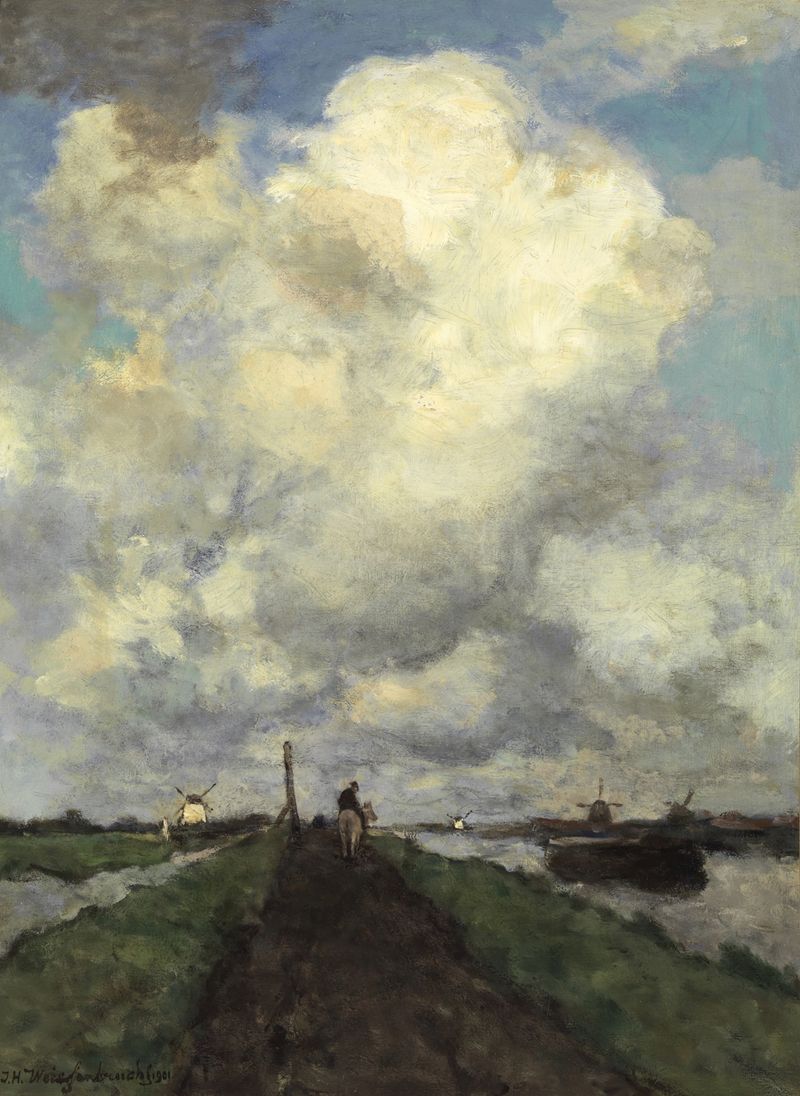
De witte wolk
Johan Hendrik Weissenbruch
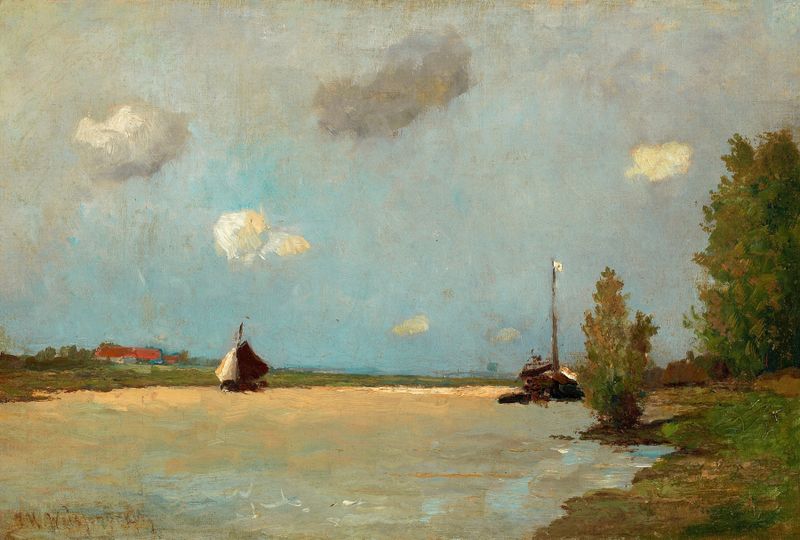
Dutch Landscape with Boats
Johan Hendrik Weissenbruch
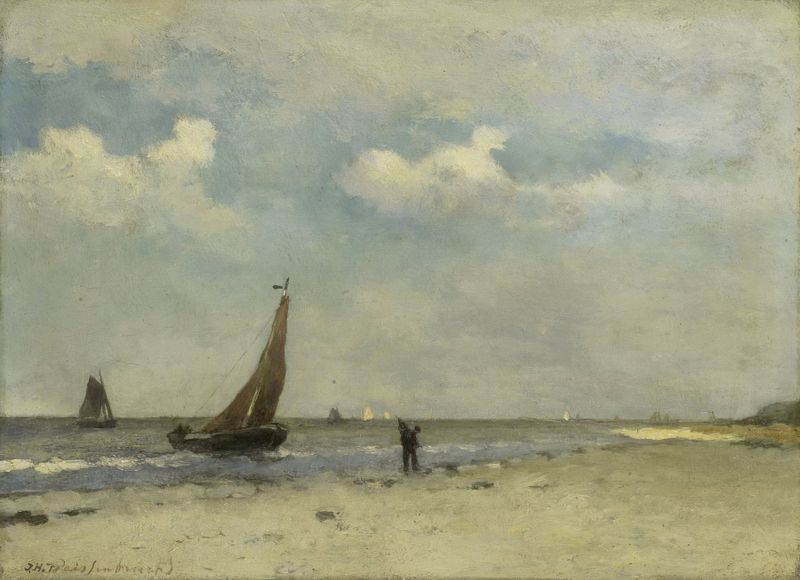
Beach Scene
Johan Hendrik Weissenbruch
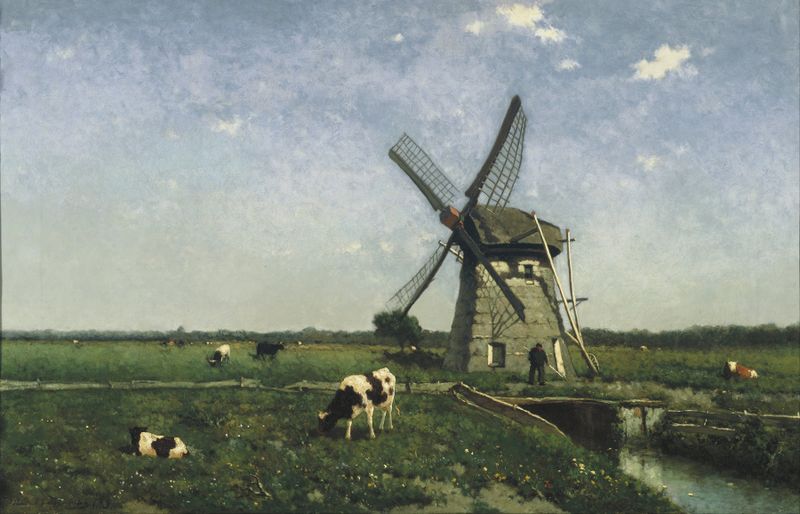
Landscape with Windmill near Schiedam
Johan Hendrik Weissenbruch
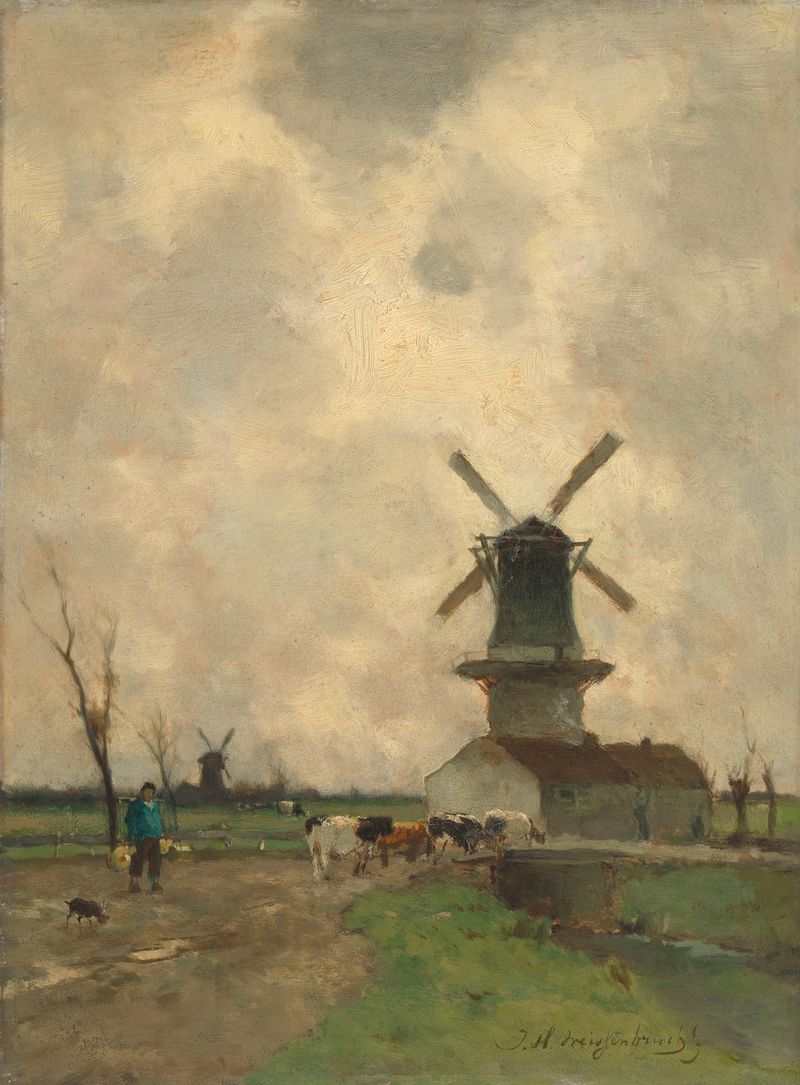
The Mill
Johan Hendrik Weissenbruch
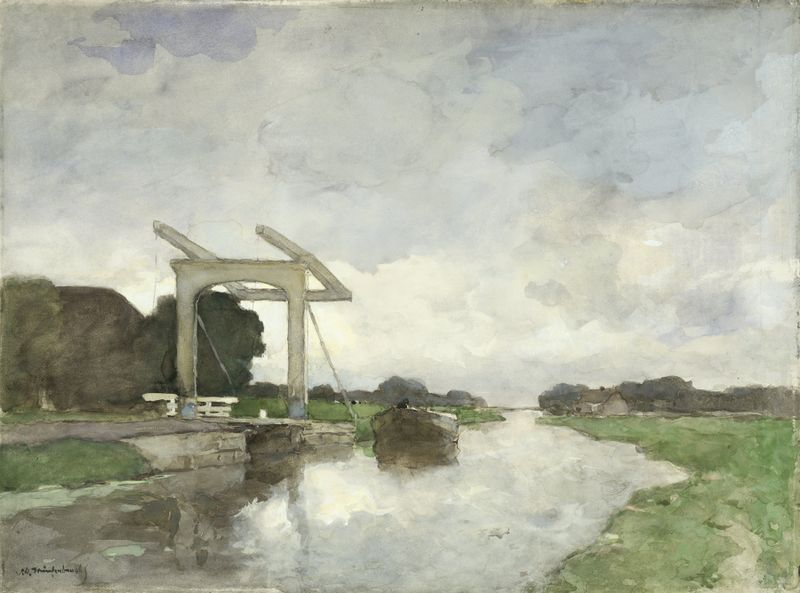
Drawbridge at Noorden
Johan Hendrik Weissenbruch





