
Landschap met windmolens — History & Facts
The stillness of nature often carries a deep yearning, echoing whispers of the past and present alike. In the embrace of windmills, a landscape unfolds that speaks to both the heart and the soul. Focus on the sweeping sky, where clouds gather like thoughts, painted in soft blues and whites that cradle the horizon. Look to the left, where the windmills rise majestically, their sails poised to catch the breath of the wind.
The earth below is a tapestry of greens and browns, rich with texture, inviting the eye to wander through the fields that stretch out under a watchful sun. Each brushstroke reveals Weissenbruch's deft hand, conveying a sense of movement that breathes life into the stillness. Beneath the tranquil beauty lies a contrast of industry and nature, a testament to the human spirit's desire to coexist with the environment. The windmills, symbols of progress, stand resolute against the backdrop of a vast, restless sky, evoking a sense of longing for harmony in an ever-changing world.
The subtle play of light and shadow speaks of fleeting moments — the warmth of the sun hints at comfort, while darker clouds linger, bringing an undercurrent of melancholy. Created between 1834 and 1903, this period marked a transformative time for Weissenbruch, who was deeply influenced by the Romantic movement and its embrace of nature. Living in the Netherlands, he witnessed the evolution of landscape painting, reflecting a growing appreciation for the beauty of rural life and industrial innovation. This work embodies that spirit, capturing the essence of its time while resonating with timeless themes of longing and connection.
More Artworks by Johan Hendrik Weissenbruch
Browse all →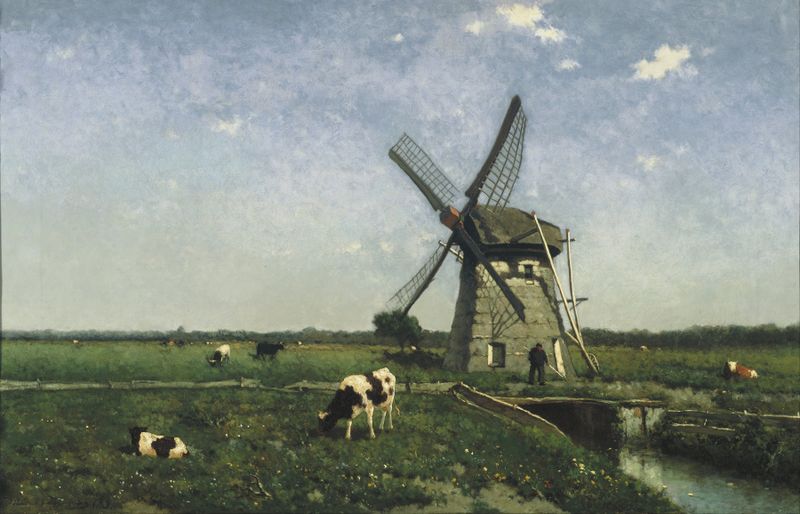
Landscape with Windmill near Schiedam
Johan Hendrik Weissenbruch
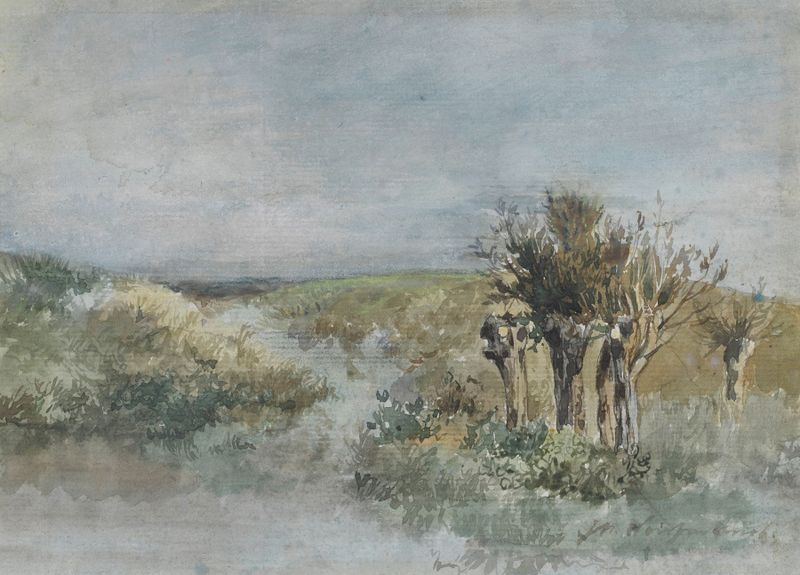
Landschap met knotwilgen langs een sloot
Johan Hendrik Weissenbruch
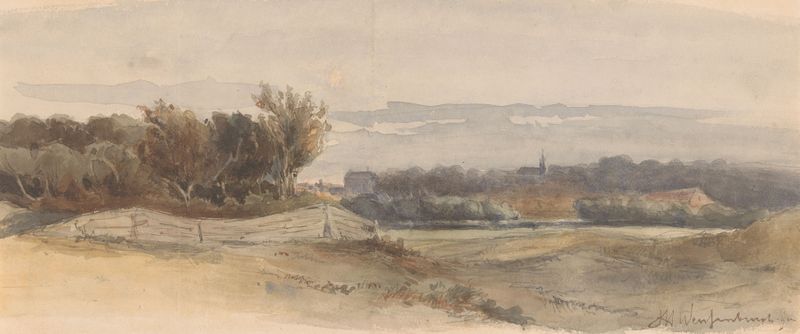
Panoramisch landschap
Johan Hendrik Weissenbruch
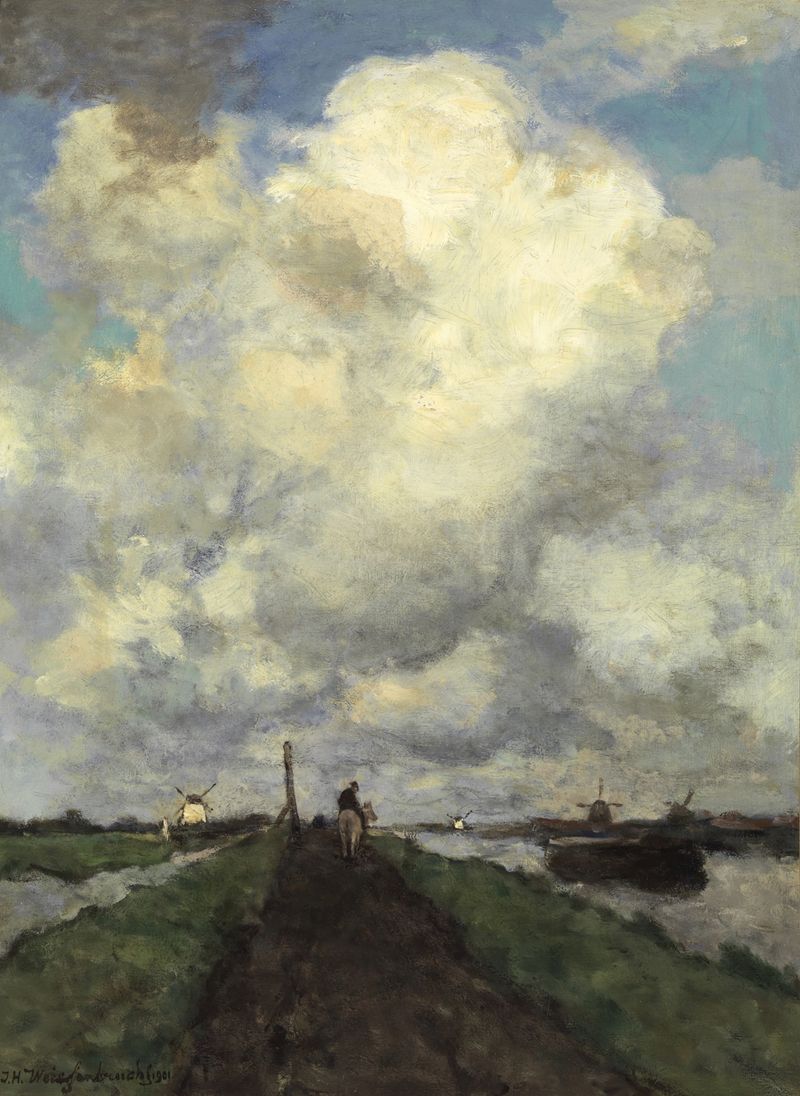
De witte wolk
Johan Hendrik Weissenbruch
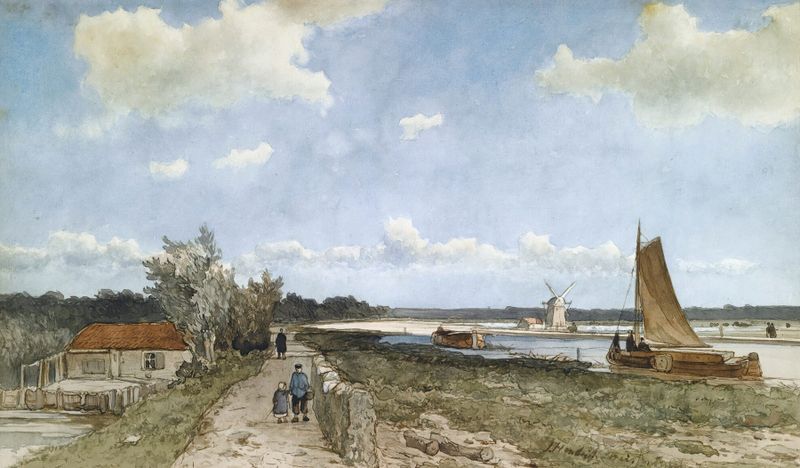
Along The Trekvliet Near The Geestbrug, Voorburg
Johan Hendrik Weissenbruch
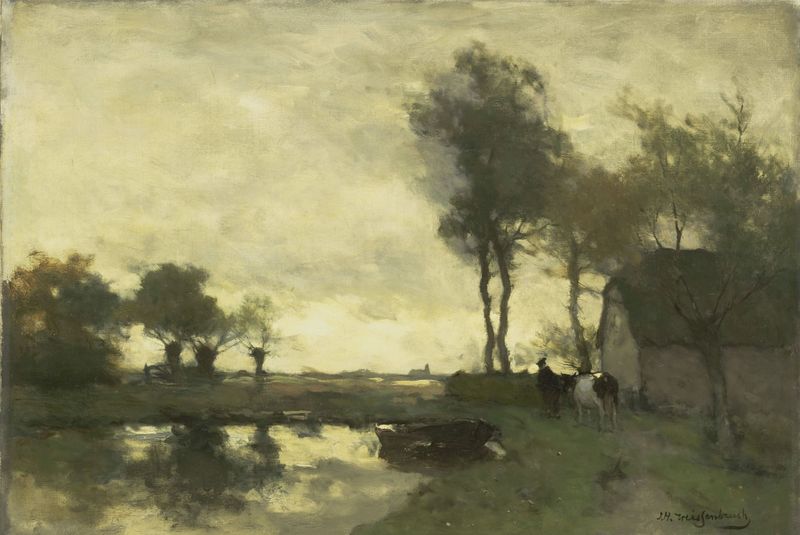
Landschap met boerderij bij een plas
Johan Hendrik Weissenbruch
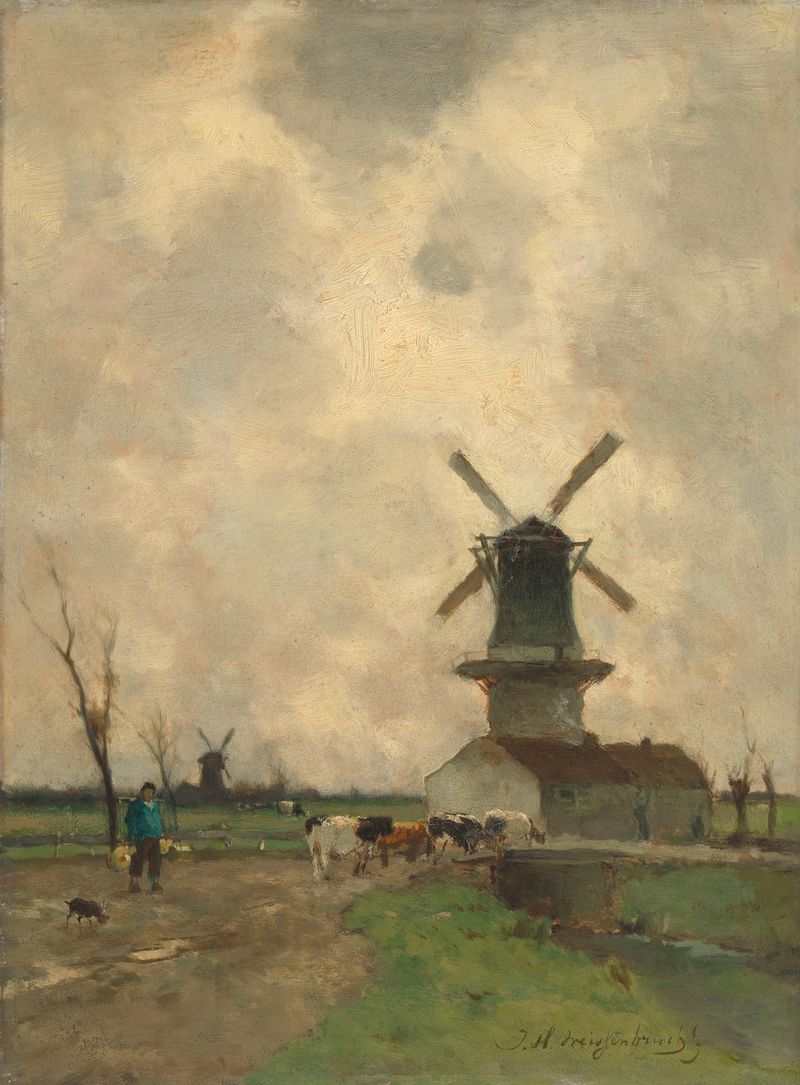
The Mill
Johan Hendrik Weissenbruch
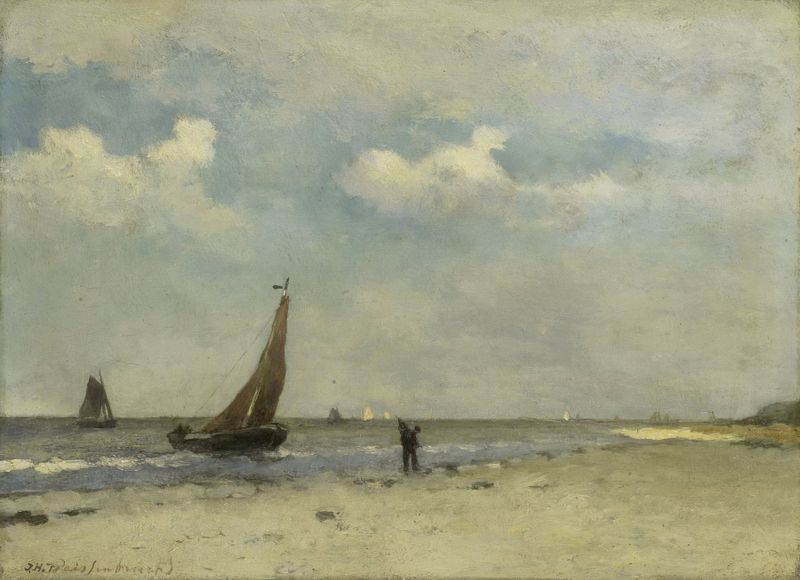
Beach Scene
Johan Hendrik Weissenbruch
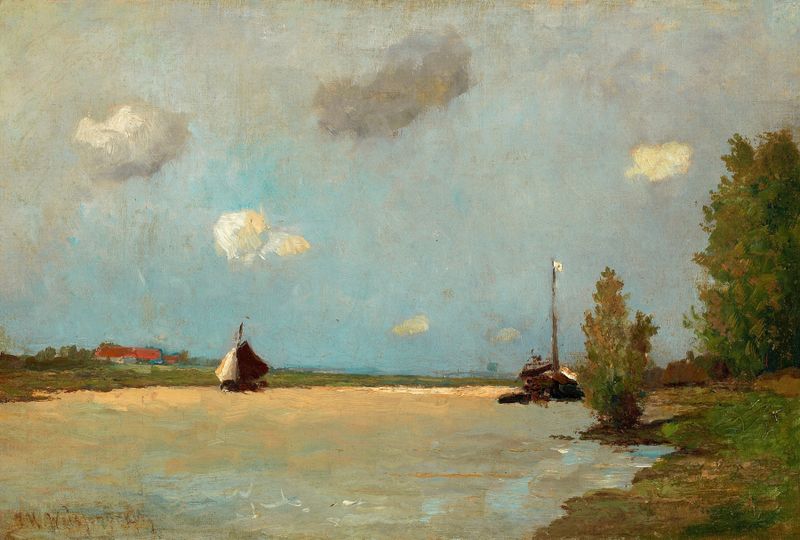
Dutch Landscape with Boats
Johan Hendrik Weissenbruch
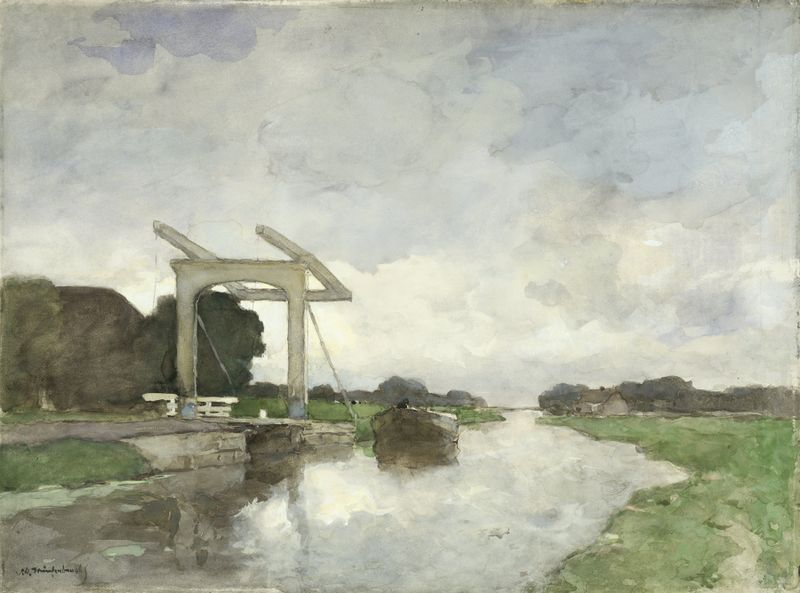
Drawbridge at Noorden
Johan Hendrik Weissenbruch





