
Panoramisch landschap — History & Facts
When did color learn to lie? In a world where hues can conjure emotions and evoke memories, serenity becomes a distant echo amid a vibrant palette. Look to the horizon in Panoramisch landschap, where rolling hills stretch beneath an expansive sky, awash in soft blues and gentle whites. The artist masterfully blends earthly greens and radiant yellows, creating a tranquil yet dynamic landscape. Notice how the light dances across the scenery, illuminating the subtle details in the foreground while casting long, soothing shadows across the hills.
The composition draws the eye into the distance, inviting viewers to wander through the serene expanse. The emotional tension lies in the delicate balance between simplicity and complexity. The painting exudes calmness, yet the brushwork hints at the artist's struggle with depicting the ever-changing nature of light and atmosphere. Each stroke feels intentional, revealing a quiet dialogue between the elements of nature.
The interplay of color not only captures physical beauty but also reflects a deeper yearning for peace in an increasingly chaotic world. Johan Hendrik Weissenbruch created Panoramisch landschap in the late 19th to early 20th century, a time marked by significant artistic experimentation. Living in the Netherlands, he was part of the Hague School, focusing on naturalistic landscapes. At this point in his career, he was exploring the profound effects of light and atmosphere, bridging traditional approaches with emerging modern techniques in art.
More Artworks by Johan Hendrik Weissenbruch
Browse all →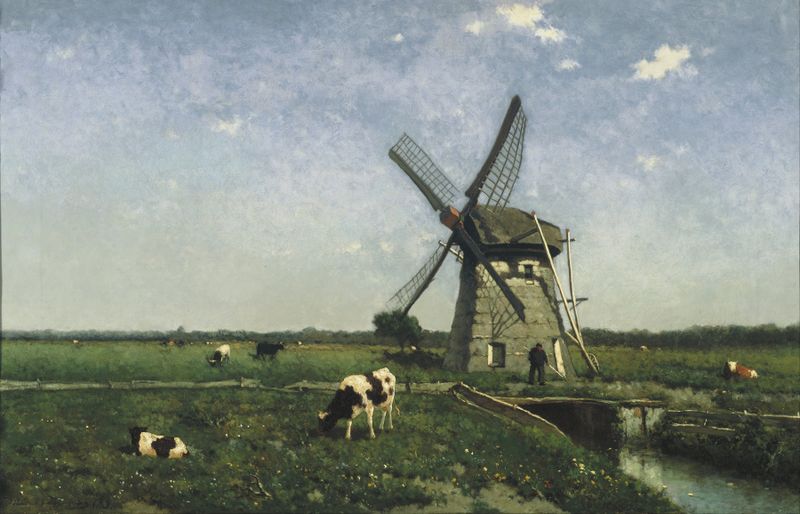
Landscape with Windmill near Schiedam
Johan Hendrik Weissenbruch
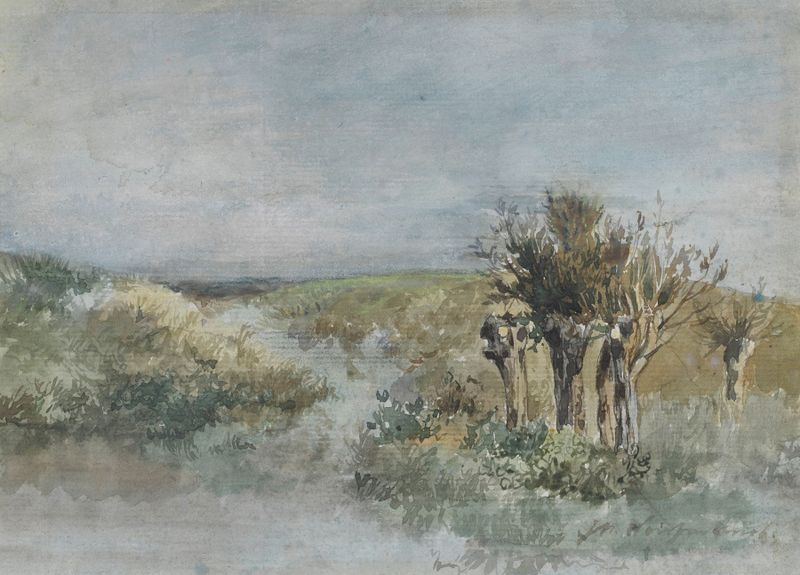
Landschap met knotwilgen langs een sloot
Johan Hendrik Weissenbruch
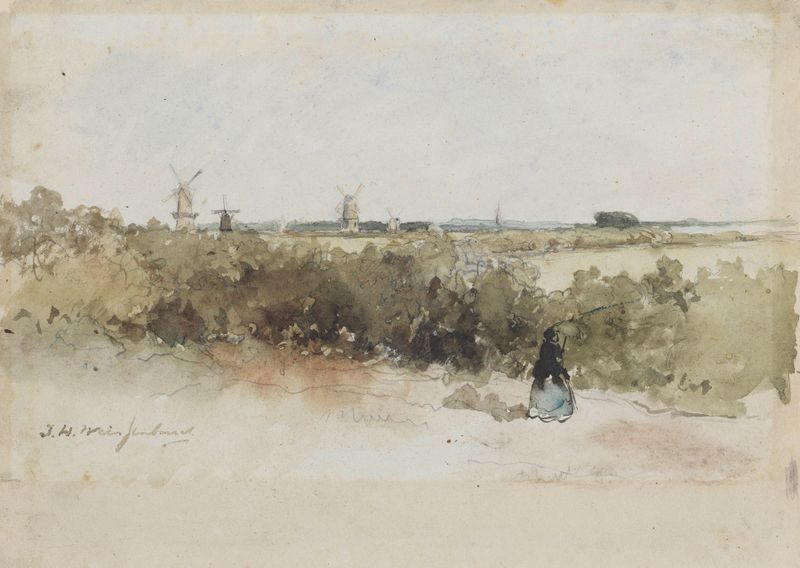
Landschap met windmolens
Johan Hendrik Weissenbruch
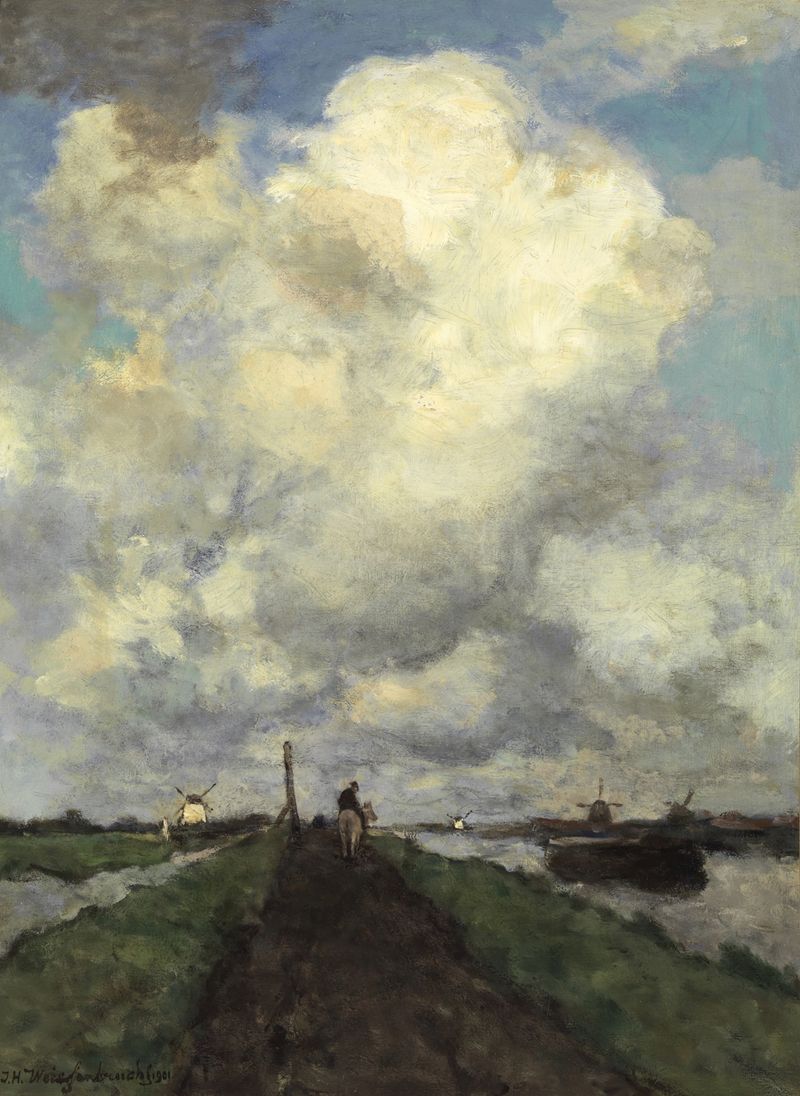
De witte wolk
Johan Hendrik Weissenbruch
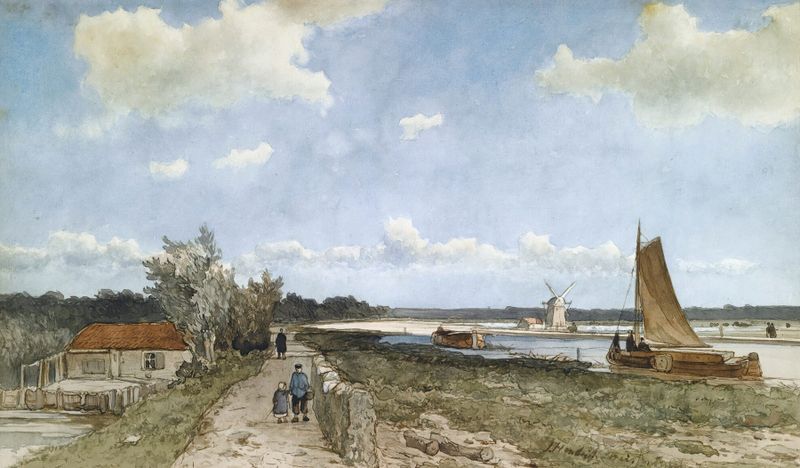
Along The Trekvliet Near The Geestbrug, Voorburg
Johan Hendrik Weissenbruch
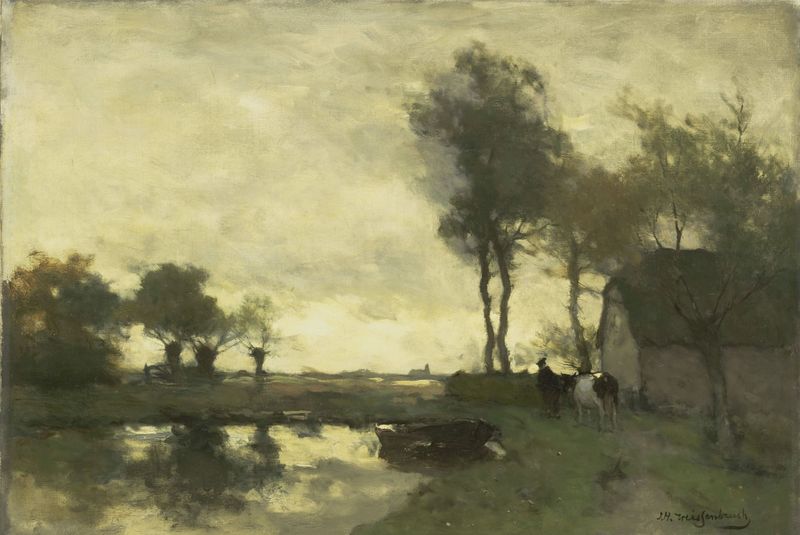
Landschap met boerderij bij een plas
Johan Hendrik Weissenbruch
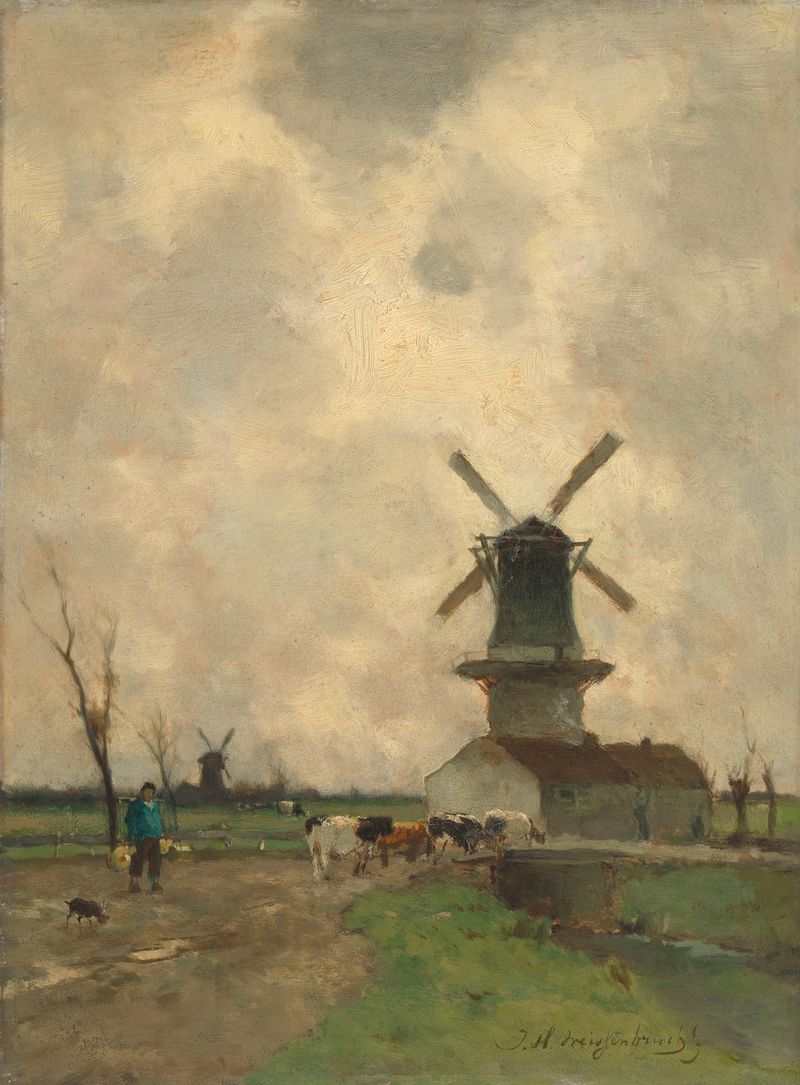
The Mill
Johan Hendrik Weissenbruch
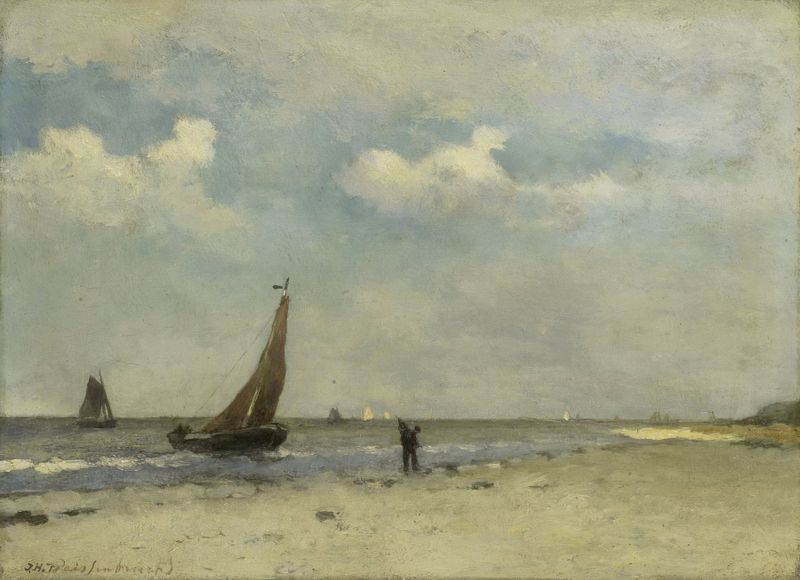
Beach Scene
Johan Hendrik Weissenbruch
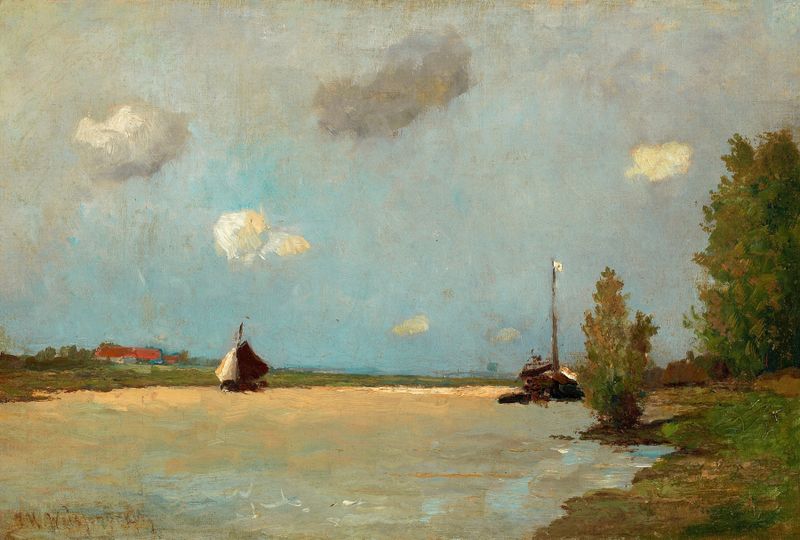
Dutch Landscape with Boats
Johan Hendrik Weissenbruch
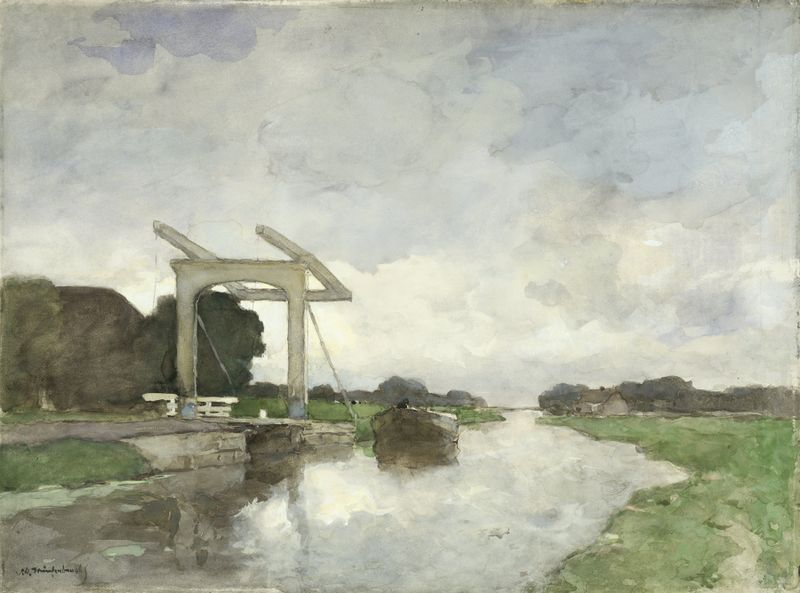
Drawbridge at Noorden
Johan Hendrik Weissenbruch





