Autumn landscape — History & Facts
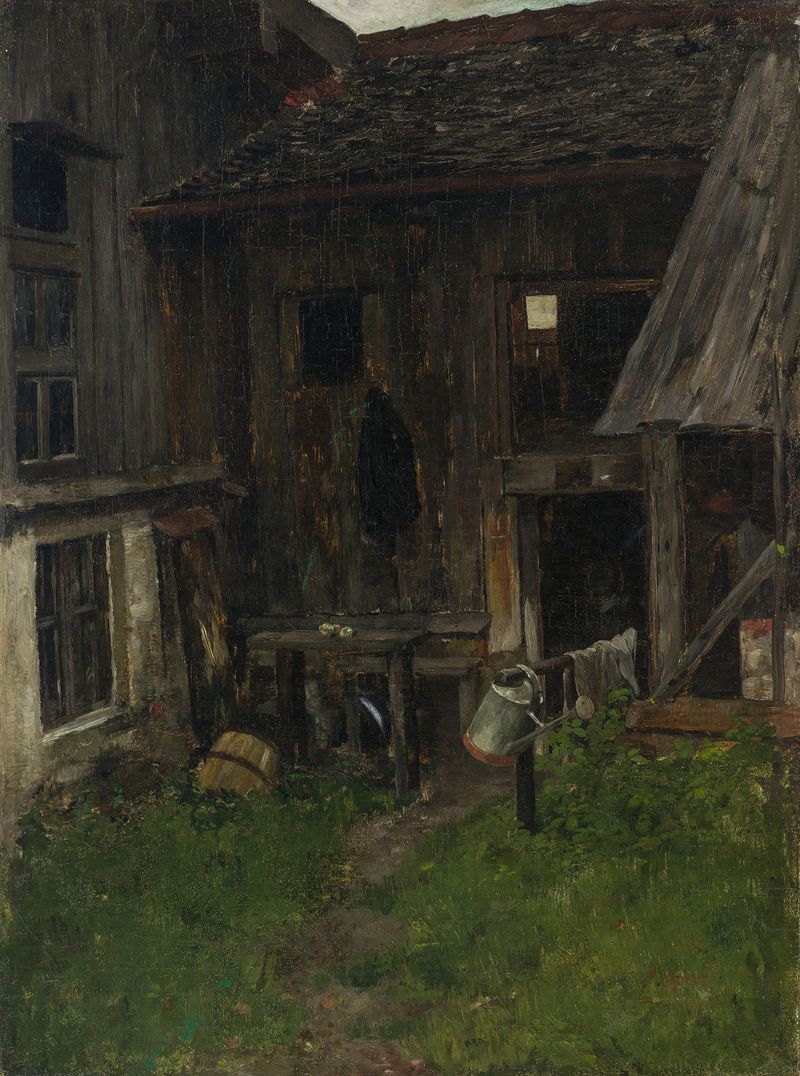
What secret hides in the quiet of the canvas? In the embrace of autumn, nature whispers a solemn farewell, reminding us of the inevitable passage of time and the beauty found in decay. Look to the left at the vibrant hues of rust and gold that swirl together in a symphony of fallen leaves, each brushstroke a fleeting reminder of life’s impermanence. Notice how the horizon softens under a pale, diffused light, casting long shadows that stretch across the undulating hills, inviting the viewer to wander into the depths of memory. The calm water reflects the fiery foliage, a mirror of transience that blurs the lines between reality and imagination. Contrasts pulse beneath the surface: the warmth of color clashes with the coolness of the water, suggesting a tension between liveliness and solitude.
In the distance, a lone tree stands, stripped of its leaves, embodying resilience in the face of mortality. The quietude of this landscape, punctuated only by the soft rustle in the air, evokes a sense of introspection, as if nature itself is urging us to consider our own fleeting existence. This piece emerged from the diligent hands of Johann Sperl during the late 19th century, a time when artists were deeply engaged in capturing the ephemeral beauty of nature. Living in a rapidly changing world, he found solace in the landscapes around him, reflecting a growing fascination with impressionism that transformed the way nature was perceived and represented in art.