Blumen am Wegrand — History & Facts
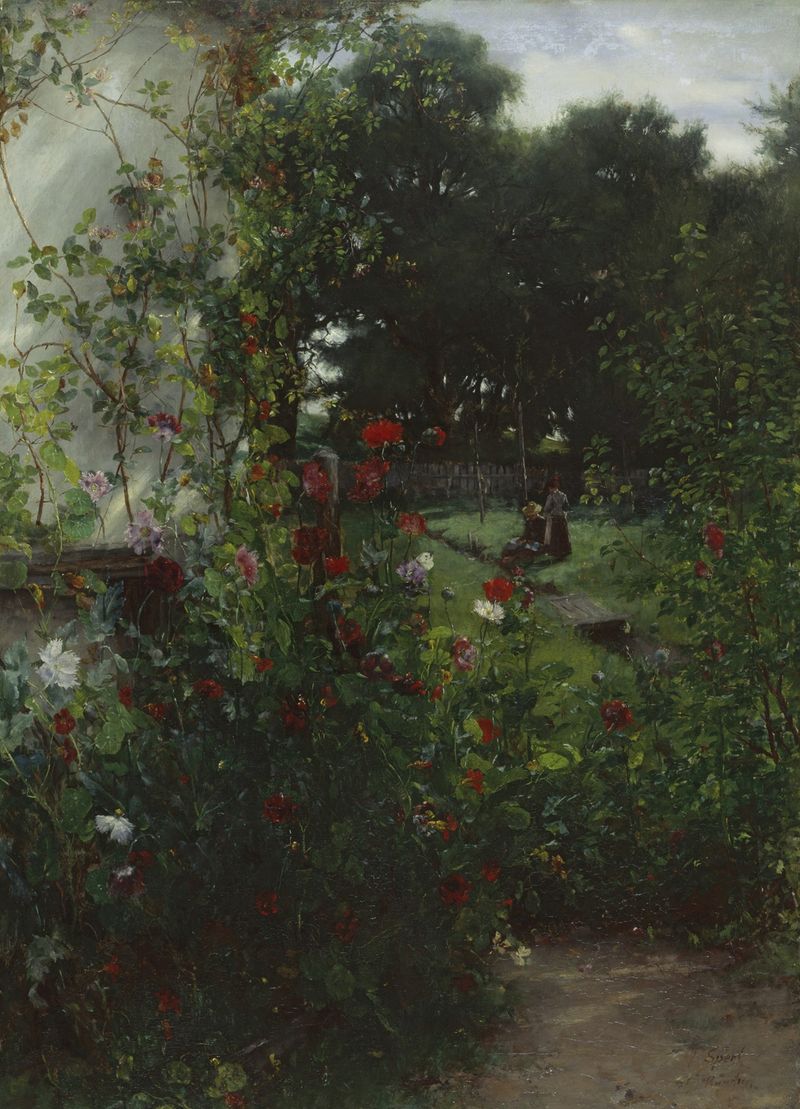
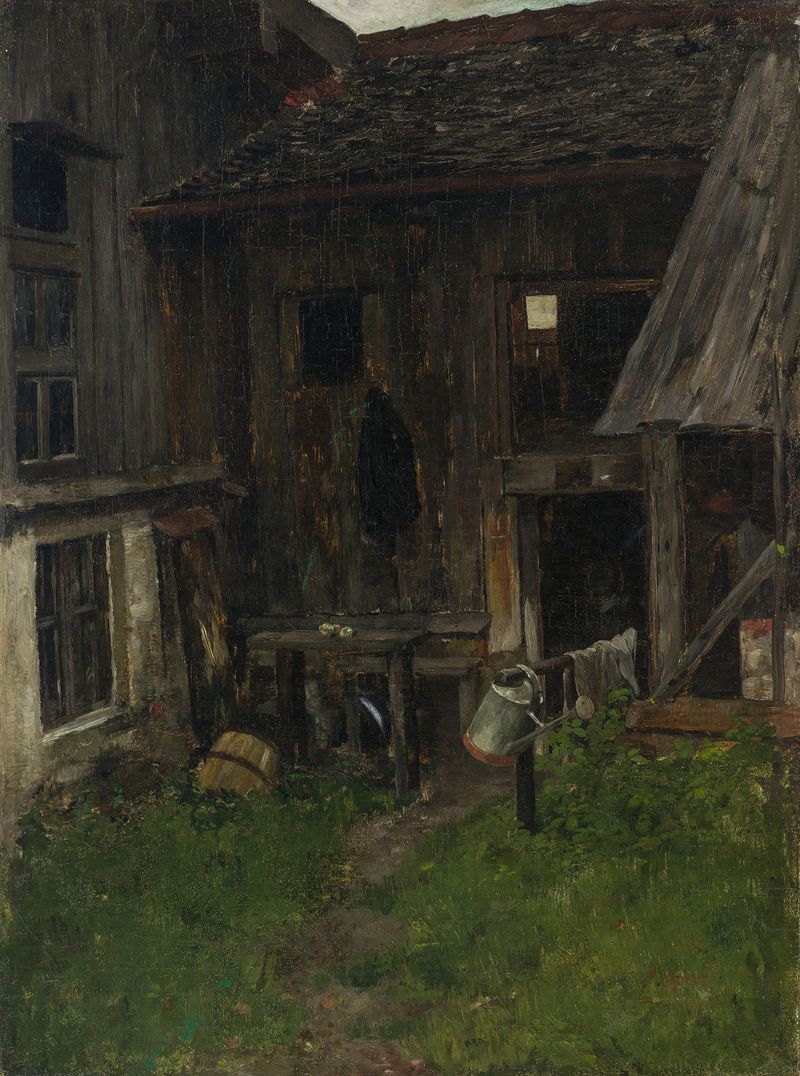
What if silence could speak through light? The delicate interplay of nature and stillness whispers to us in Blumen am Wegrand, a serene capture of wildflowers basking quietly in the sun. Look to the right at the vibrant blooms, their colors radiating warmth and life against a canvas of muted greens and browns. The artist employs a soft, almost ethereal light that bathes each petal, inviting the viewer’s gaze to linger. Notice how the brushstrokes dance lightly across the canvas, capturing the fleeting moments of a summer day, while shadows create a gentle rhythm that guides the eye through the scene.
The composition, with flowers arranged in a naturalistic manner, evokes a sense of spontaneity, as if these blooms were plucked directly from the earth and placed upon the canvas. Beneath the surface, the painting echoes themes of transience and beauty. The wildflowers, often overlooked, signify resilience and the quiet strength of nature. Each petal, though fragile, holds the promise of life, a stark contrast to the stillness that surrounds them.
This juxtaposition invites reflection on the fleeting moments of beauty in our own lives, urging viewers to pause and appreciate the often-unnoticed wonders that exist in silence. In 1882, the artist worked in a time when the Impressionist movement was reshaping perceptions of light and color in art. Sperl, influenced by this evolving style, painted Blumen am Wegrand while immersed in the natural landscapes of Bavaria, where he was exploring new techniques that emphasized emotion and atmosphere. The world of art was undergoing a transformation, and Sperl's commitment to capturing nature’s quiet moments placed him within that vibrant, dynamic conversation.