
Autumn Landscape — History & Facts
The allure of an autumn landscape can veil the bittersweet truths that linger beneath its vibrant surface. In this artwork, the richness of nature's palette invites contemplation of the illusions we often cling to. Look to the left at the bold strokes of amber and burnt orange, where the leaves seem to dance in a gentle breeze. Notice how the artist captures the soft interplay between light and shadow, with sunlight filtering through the branches, creating a shimmering effect that feels almost otherworldly.
The horizon line is low, allowing the vibrant foliage to take center stage, while the muted earth tones of the ground provide a quiet backdrop, grounding the scene in reality. Delve deeper into the canvas, and you'll find contrasts that speak to the complexity of changing seasons. The warmth of the leaves juxtaposes with the impending chill of winter, a metaphor for life's transitions. There’s an ethereal quality to the way the colors blend, suggesting an illusion of permanence in a world of impermanence.
Each brushstroke seems deliberate yet spontaneous, echoing the duality of beauty and loss—reminding us that even the most stunning vistas are transient. In 1929, at a time of great political upheaval in Russia, Gorbatov's Autumn Landscape emerged as a personal expression amid the turmoil. He painted it while living in the United States, grappling with his identity as an émigré artist. The work reflects not only his mastery of color and light but also a longing for the homeland he left behind, imbuing the landscape with layers of emotional resonance.
More Artworks by Konstantin Ivanovich Gorbatov
Browse all →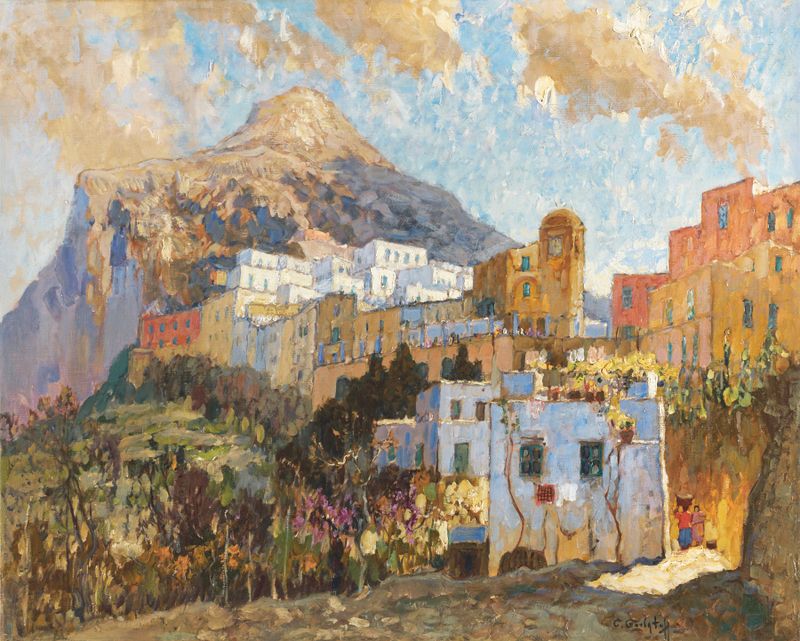
View Of Capri
Konstantin Ivanovich Gorbatov
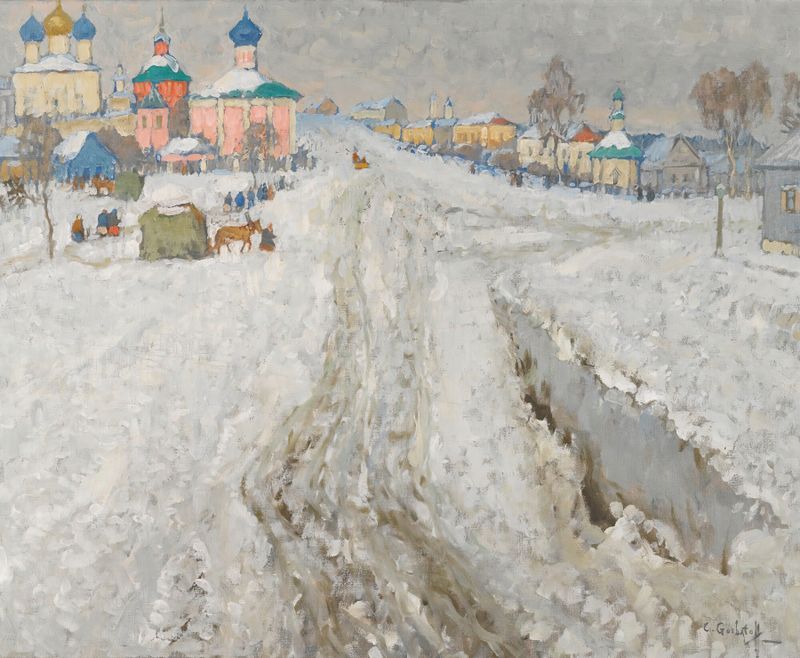
Russian Town Under The Snow
Konstantin Ivanovich Gorbatov
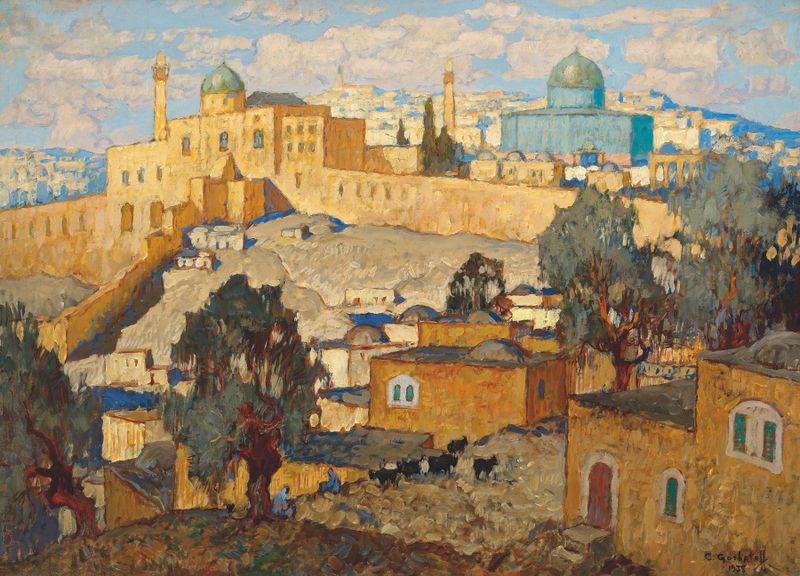
Jerusalem
Konstantin Ivanovich Gorbatov
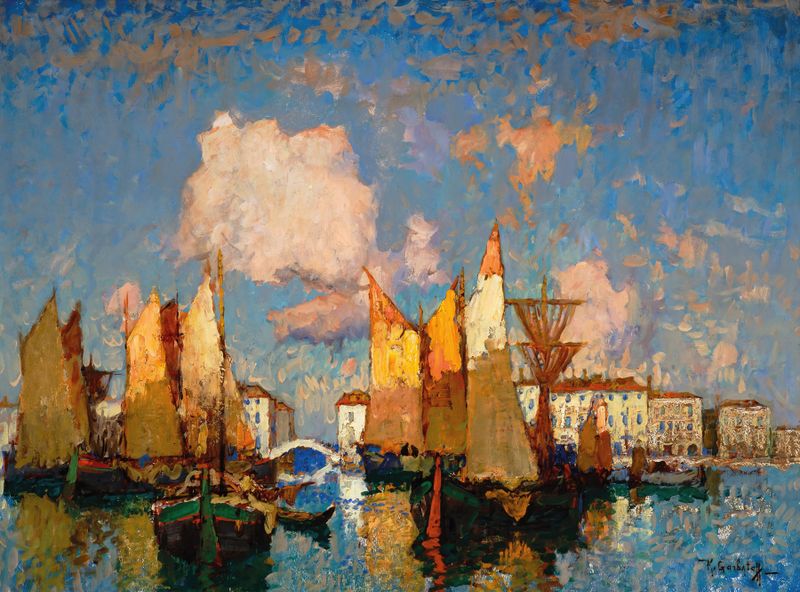
Chioggia
Konstantin Ivanovich Gorbatov
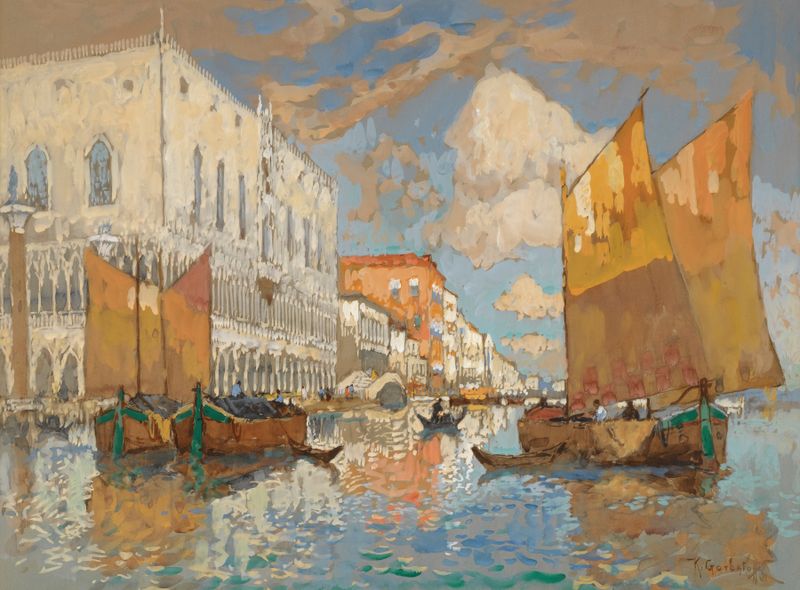
The Doge’s Palace, Venice
Konstantin Ivanovich Gorbatov
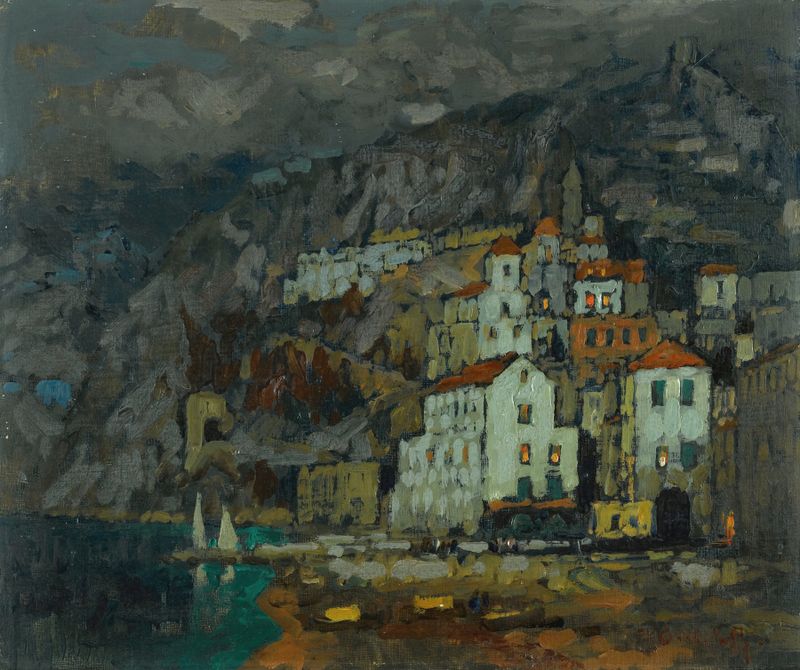
View Of Amalfi
Konstantin Ivanovich Gorbatov
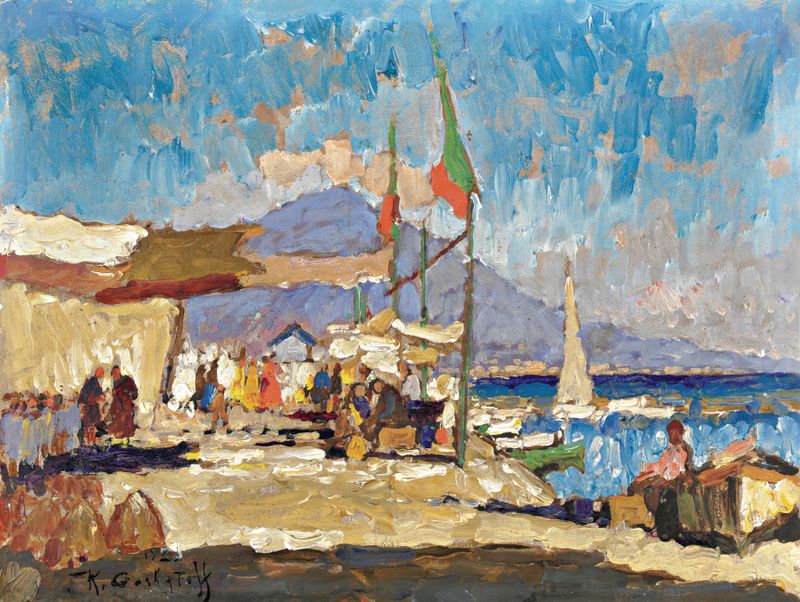
View Of Naples
Konstantin Ivanovich Gorbatov
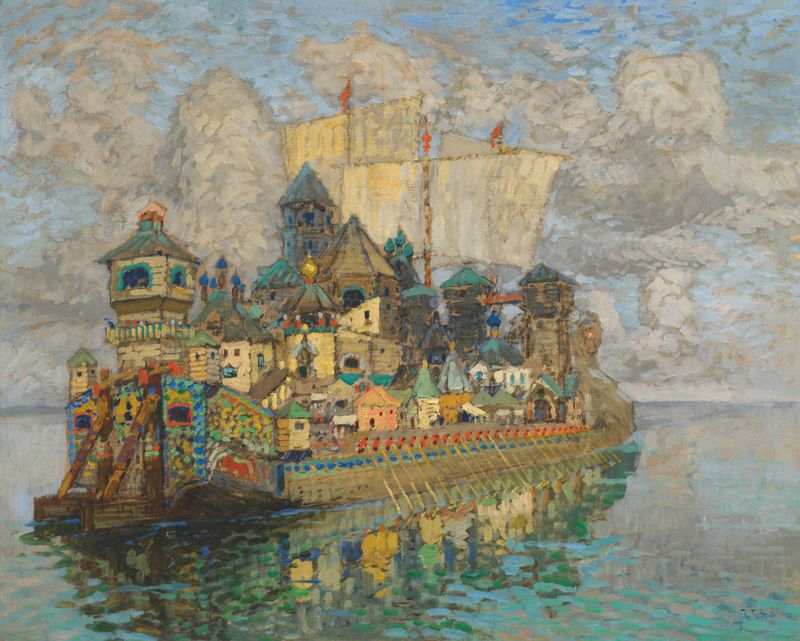
The Invisible City of Kitezh
Konstantin Ivanovich Gorbatov
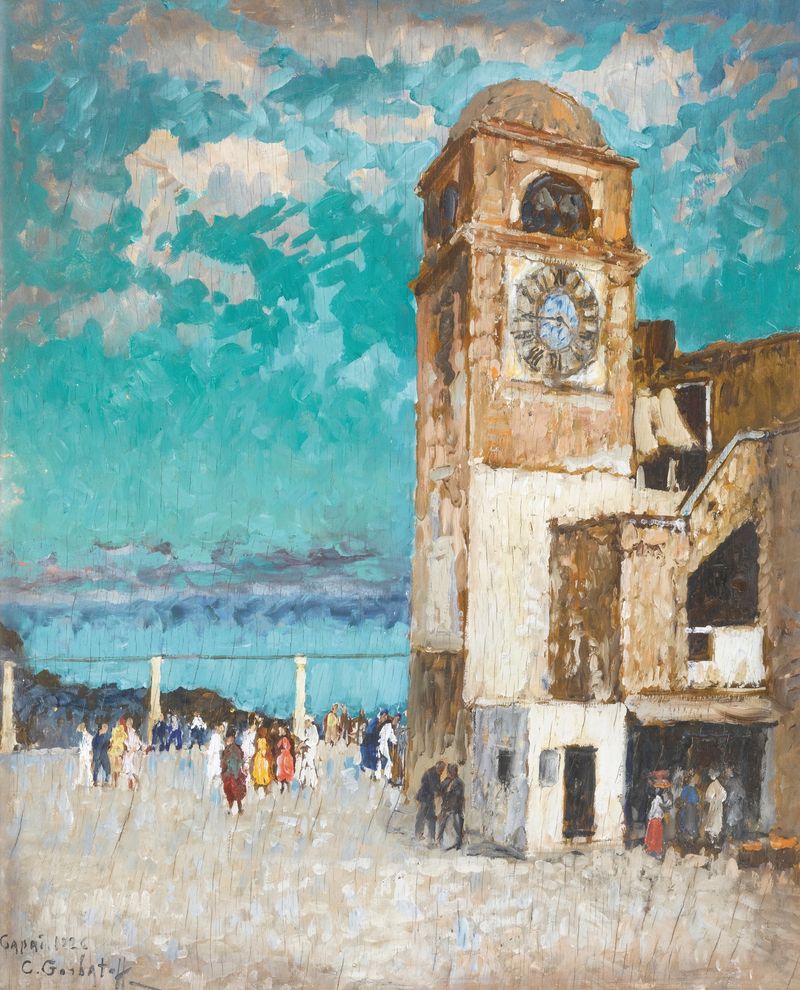
Capri
Konstantin Ivanovich Gorbatov
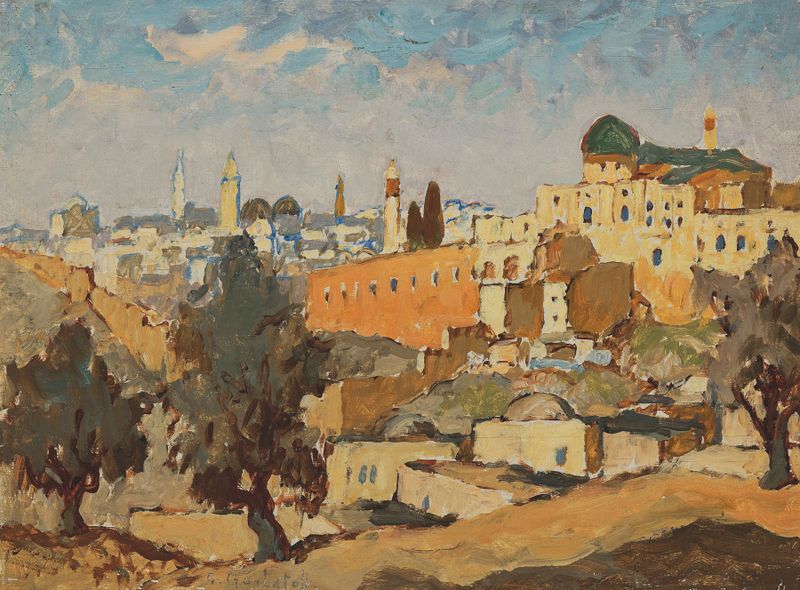
View of Jerusalem from Silwan village
Konstantin Ivanovich Gorbatov





