The Invisible City of Kitezh — History & Facts
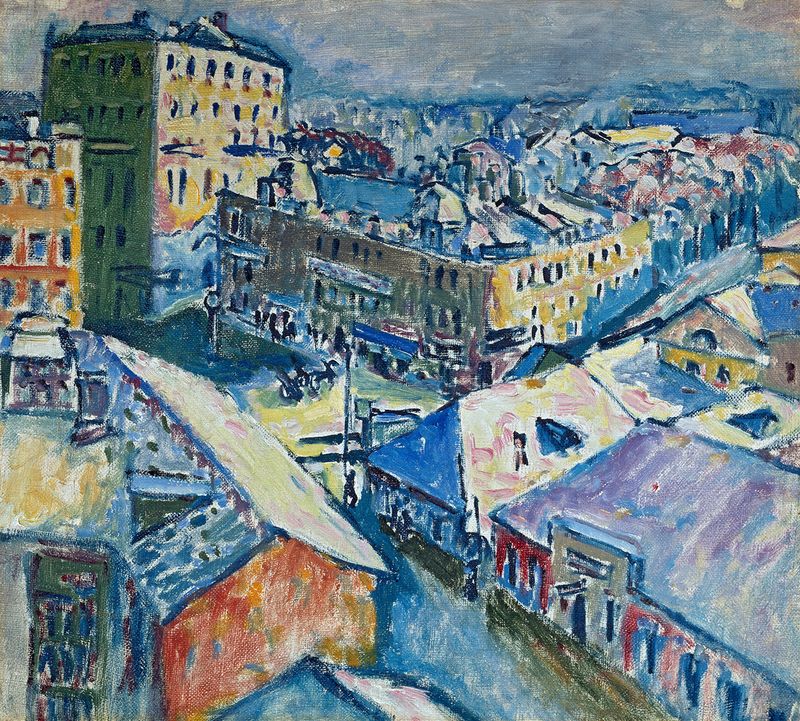
What if beauty was never meant to be finished? This thought lingers in the atmosphere of a piece that encapsulates a world suspended between reality and a dreamlike ideal. Look closely at the swirling colors of deep blues and soft pastels, where the horizon seems to dissolve into an ethereal mist. Notice how the gentle brushstrokes lead the eye through an intricate labyrinth of shapes, inviting contemplation on the hidden essence of the city. The way light dances across the canvas creates a sense of movement, as if the city itself is breathing, caught in a moment of nostalgia for something lost yet never forgotten. The painting pulses with emotional tension, revealing contrasts between clarity and obscurity.
The vividness of the city’s outlines suggests life and vibrancy, while the merging colors evoke a longing for what remains unseen. This interplay speaks to the elusive nature of memory and the illusion of perfection—an invitation to explore the depths of beauty that can never be fully grasped or completed. In 1913, Gorbatov painted this work during a time when Russian art was undergoing significant transformation, influenced by symbolism and the quest for a spiritual connection to the world. Living in Russia, he captured a mystique that reflected both his personal experiences and the collective yearning of a nation eager to embrace its cultural identity.
This piece manifests not just as a visual spectacle but as a poignant reflection of its time, resonating with the complexities of nostalgia and aspiration.
More Artworks by Konstantin Ivanovich Gorbatov
Browse all →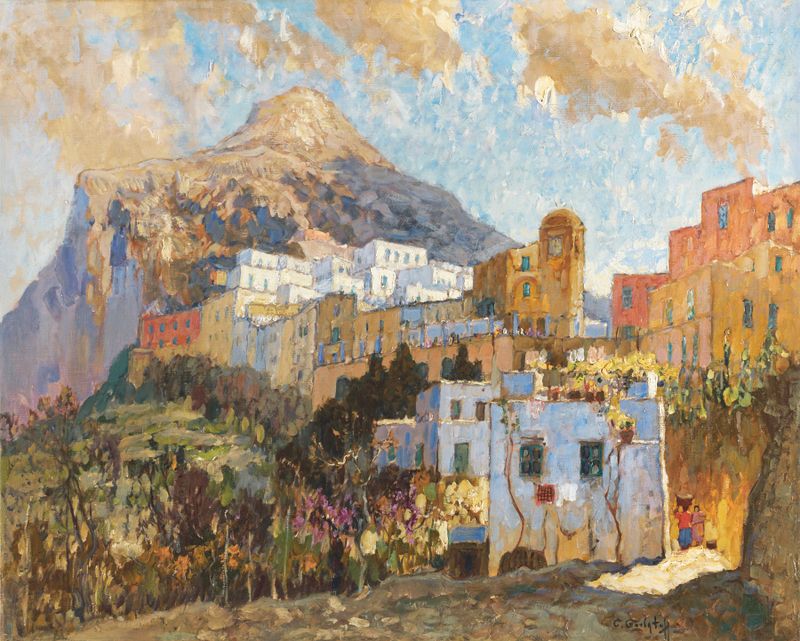
View Of Capri
Konstantin Ivanovich Gorbatov
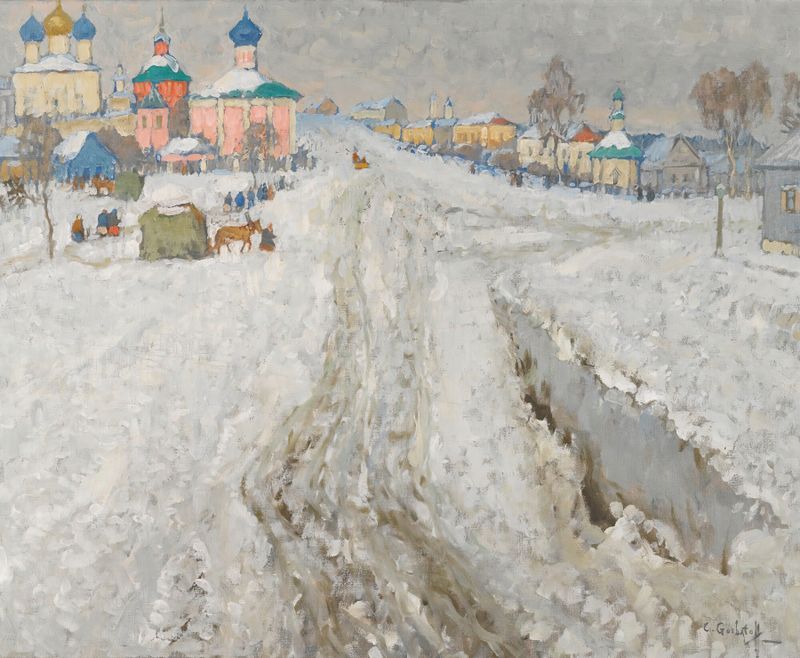
Russian Town Under The Snow
Konstantin Ivanovich Gorbatov
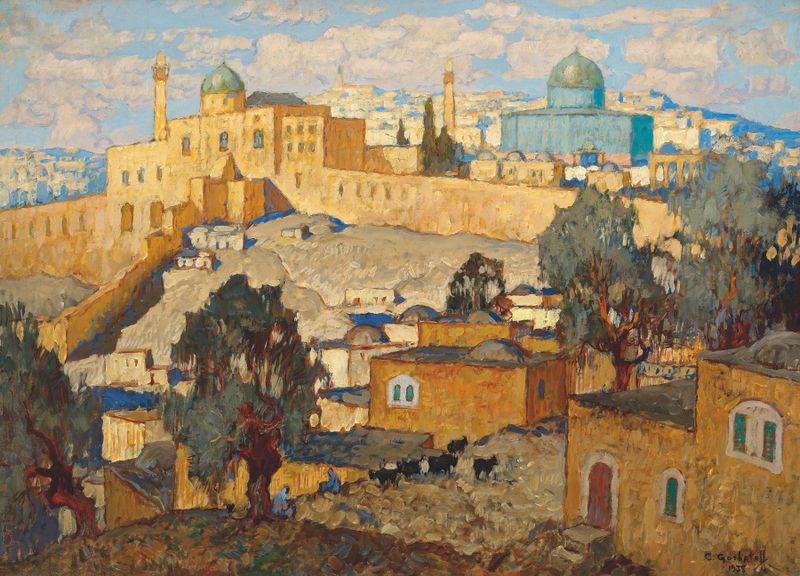
Jerusalem
Konstantin Ivanovich Gorbatov
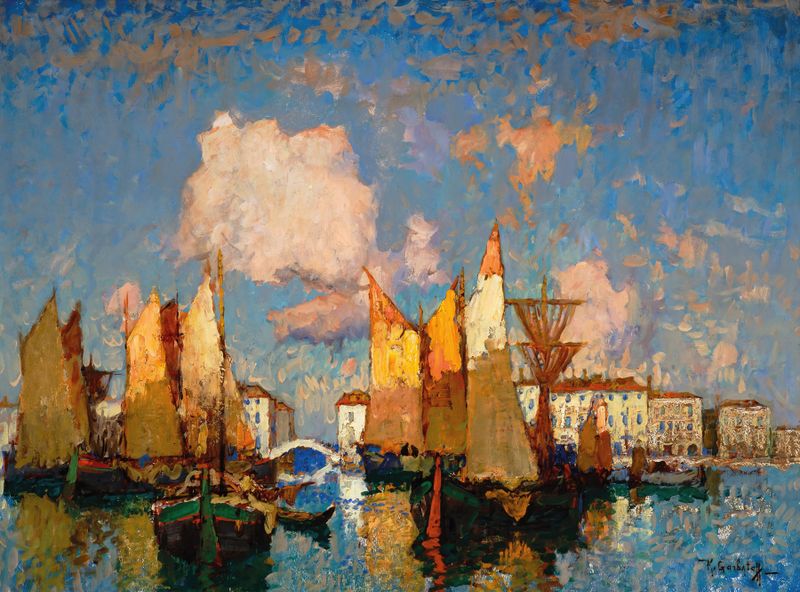
Chioggia
Konstantin Ivanovich Gorbatov
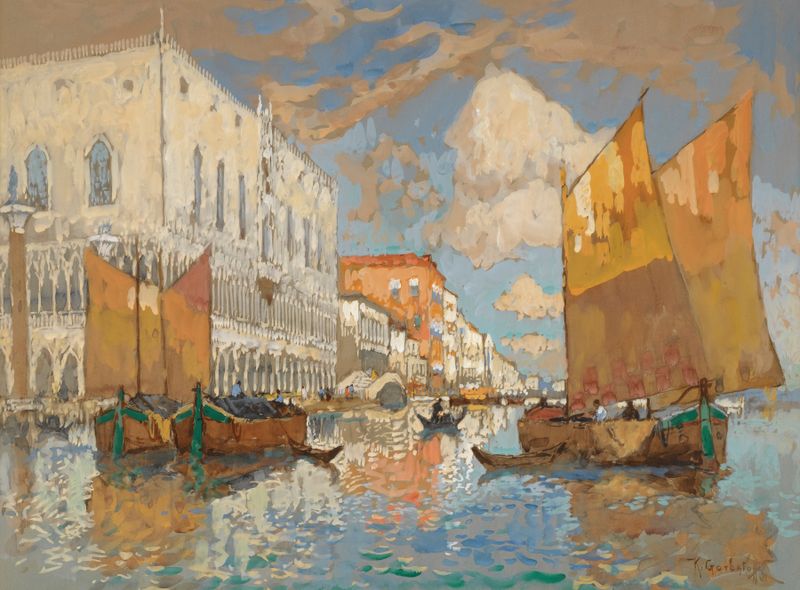
The Doge’s Palace, Venice
Konstantin Ivanovich Gorbatov
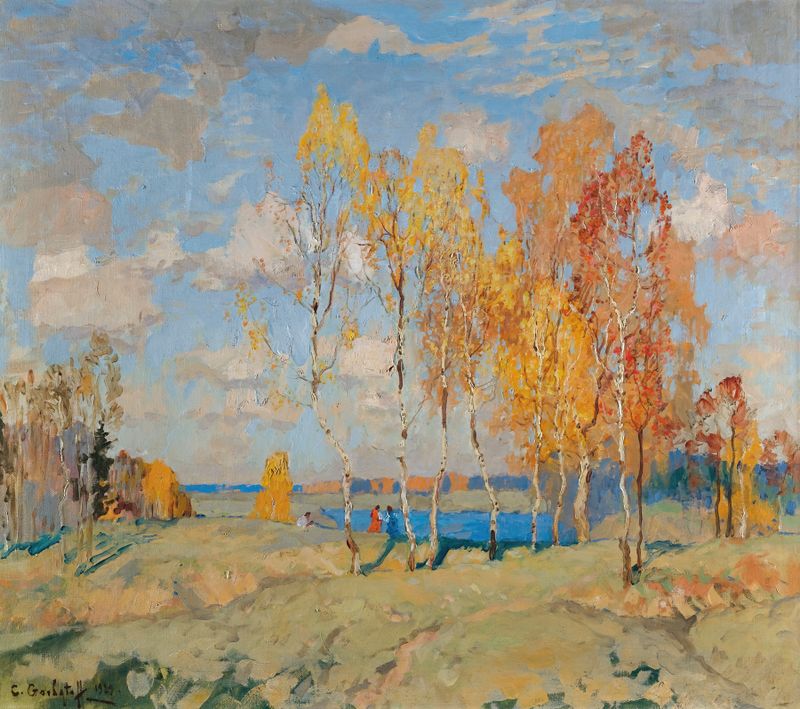
Autumn Landscape
Konstantin Ivanovich Gorbatov
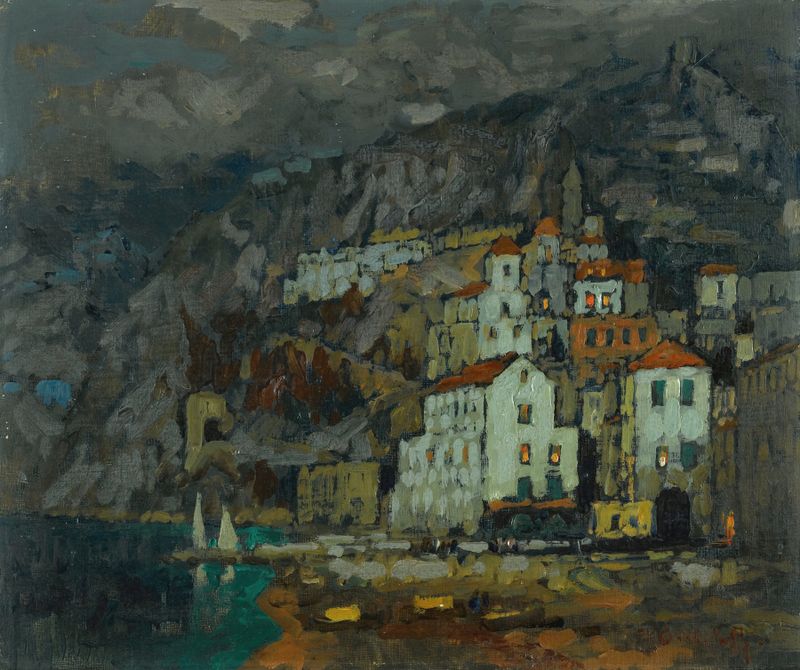
View Of Amalfi
Konstantin Ivanovich Gorbatov
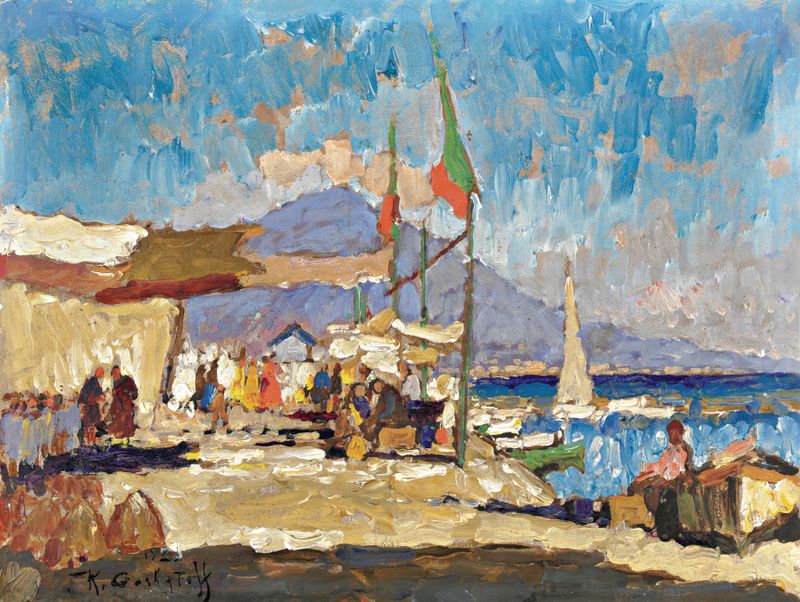
View Of Naples
Konstantin Ivanovich Gorbatov
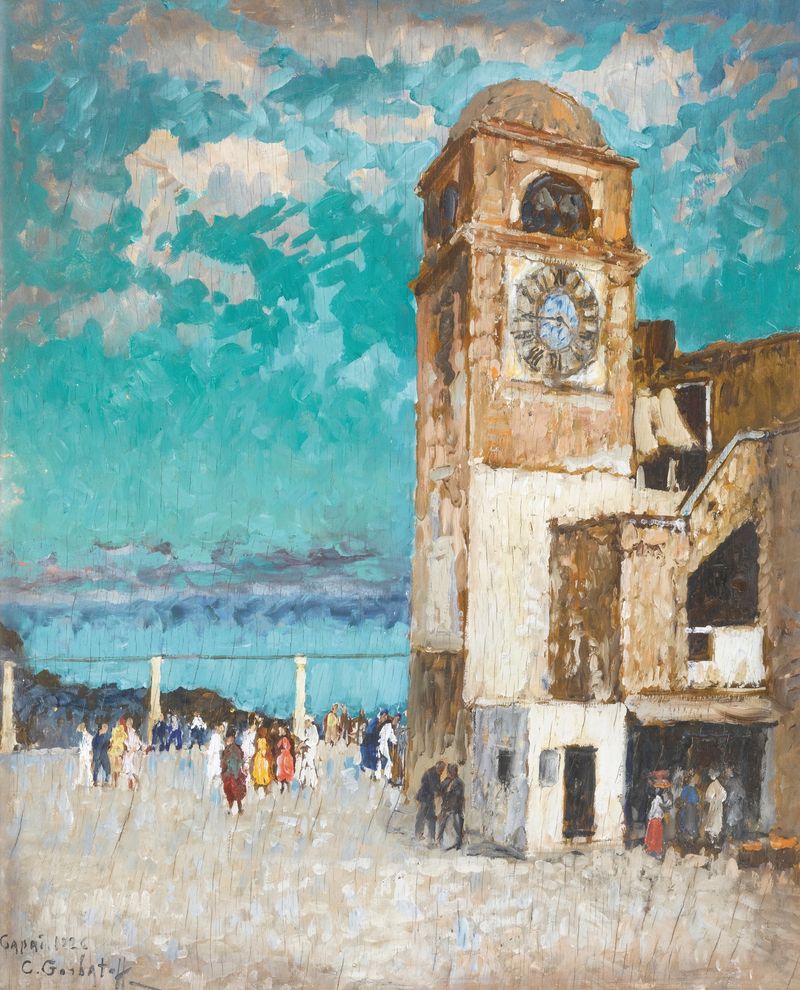
Capri
Konstantin Ivanovich Gorbatov
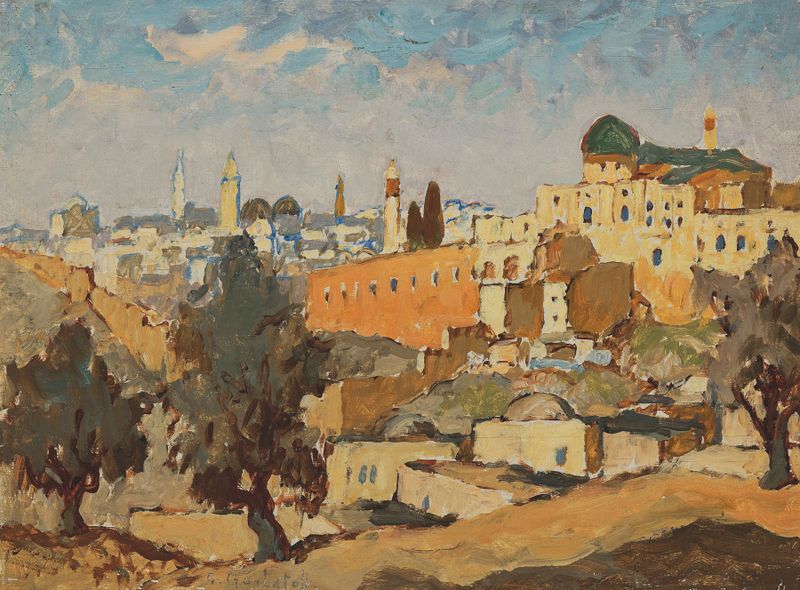
View of Jerusalem from Silwan village
Konstantin Ivanovich Gorbatov