
Capri — History & Facts
In a world teeming with noise, it is often the stillness that unveils the most profound truths. Look to the left at the serene expanse of azure water, its glassy surface reflecting the cloud-dappled sky. The horizon, where the sea meets the cliffs of Capri, invites your gaze to wander into an endless embrace of tranquility. Notice the soft brushstrokes depicting the rocky coasts, rendered in warm earth tones that contrast beautifully with the cool blues, evoking a profound sense of peace and isolation. Within this picturesque landscape, the play of light reveals deeper tensions; the vibrant colors evoke a sense of warmth, while the stark cliffs suggest an unyielding presence.
The harmonic balance between the expansive sky and the solid rock formations hints at the quiet struggle of nature, encapsulating the duality of serenity and confrontation. Each element contributes to a narrative of solitude, where silence holds sway, and echoes of unspoken thoughts linger in the air. In 1926, Gorbatov painted this work during a time of significant personal and societal change. Living in Paris after leaving Russia, he was deeply influenced by the turmoil of revolution and the search for personal identity in art.
Amidst the backdrop of the burgeoning modernist movement, this piece reflects his longing for tranquility and connection to nature, serving as both a refuge and a canvas for his introspection.
More Artworks by Konstantin Ivanovich Gorbatov
Browse all →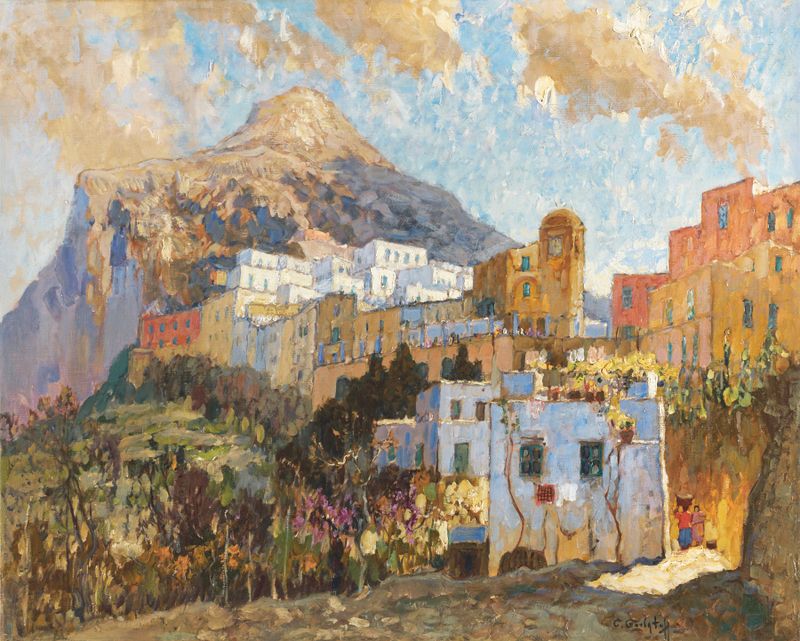
View Of Capri
Konstantin Ivanovich Gorbatov
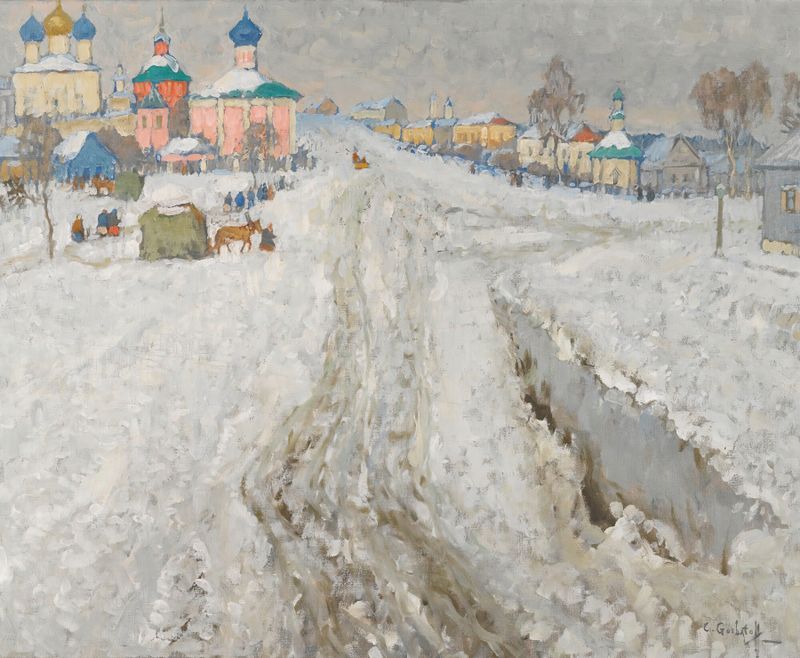
Russian Town Under The Snow
Konstantin Ivanovich Gorbatov
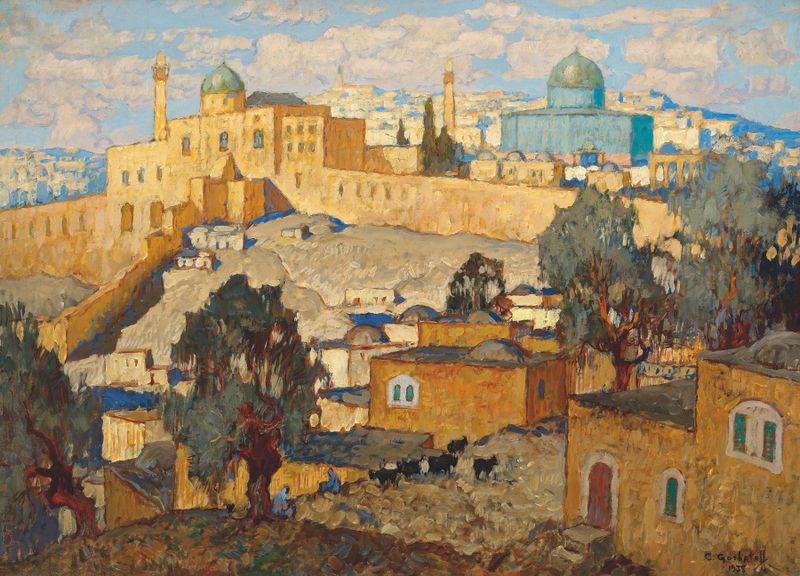
Jerusalem
Konstantin Ivanovich Gorbatov
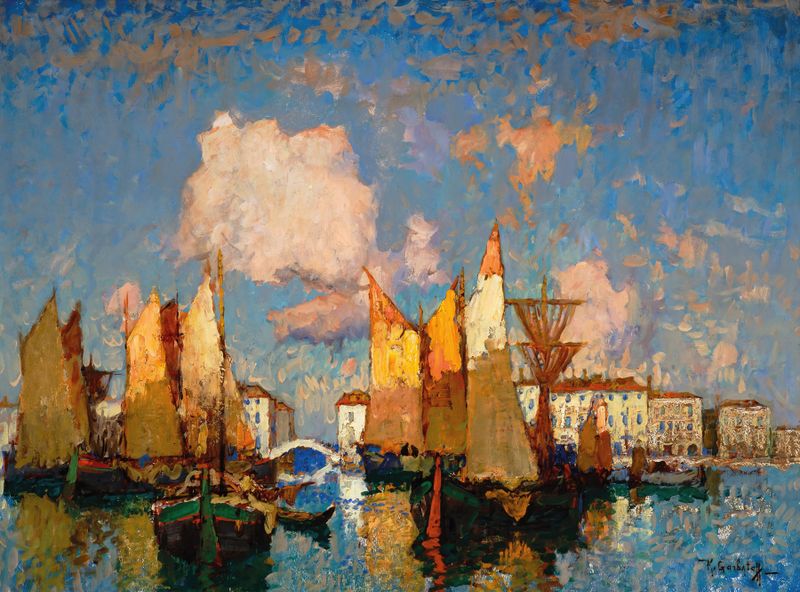
Chioggia
Konstantin Ivanovich Gorbatov
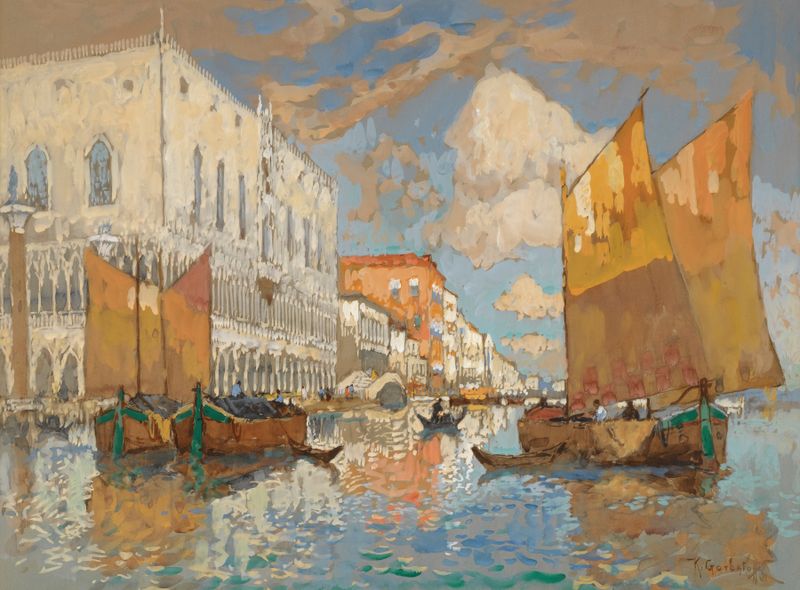
The Doge’s Palace, Venice
Konstantin Ivanovich Gorbatov
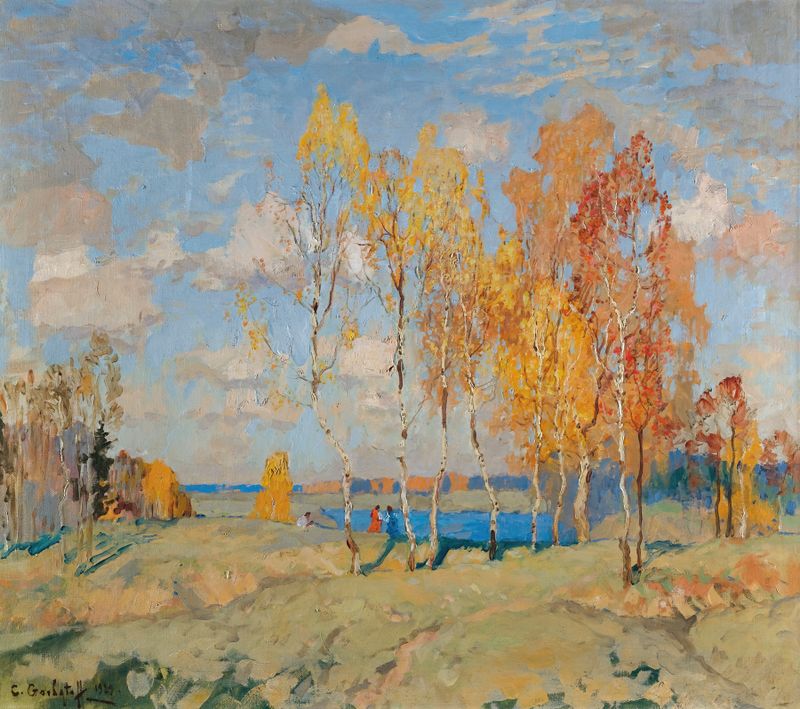
Autumn Landscape
Konstantin Ivanovich Gorbatov
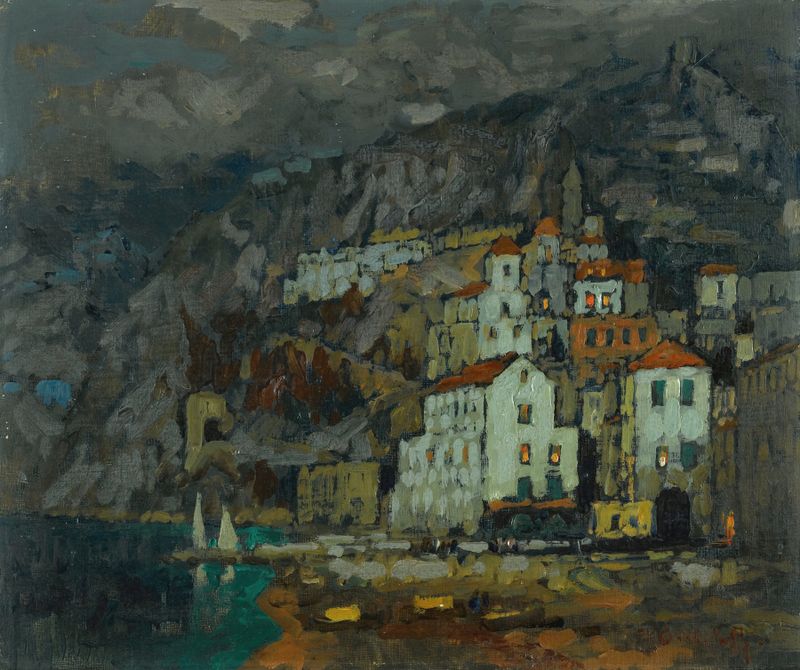
View Of Amalfi
Konstantin Ivanovich Gorbatov
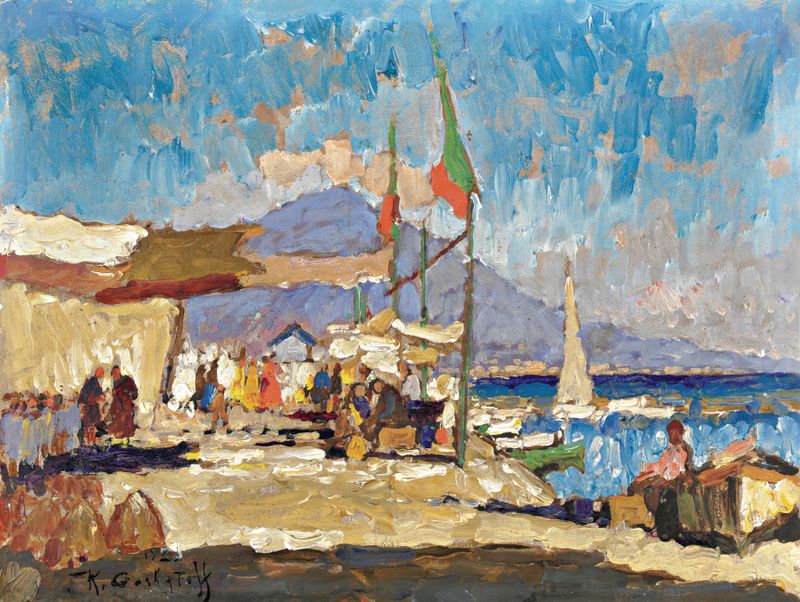
View Of Naples
Konstantin Ivanovich Gorbatov
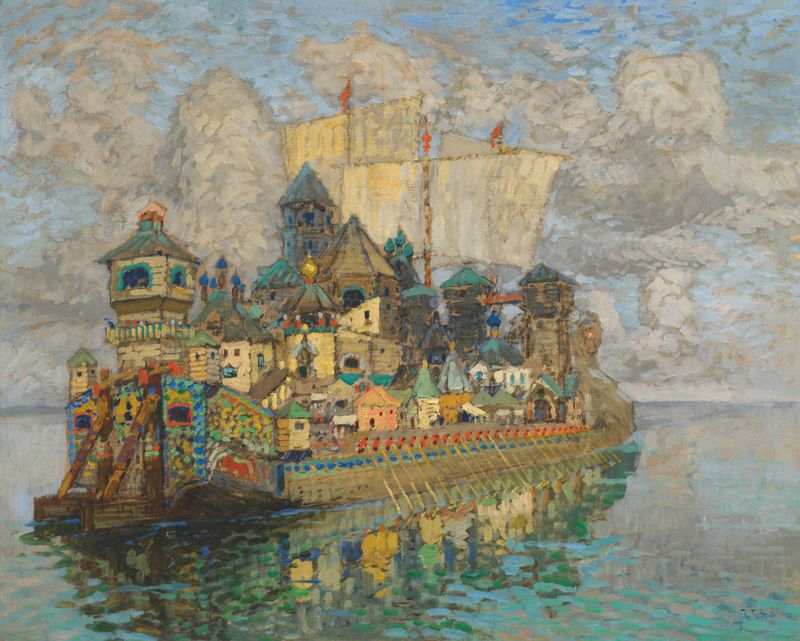
The Invisible City of Kitezh
Konstantin Ivanovich Gorbatov
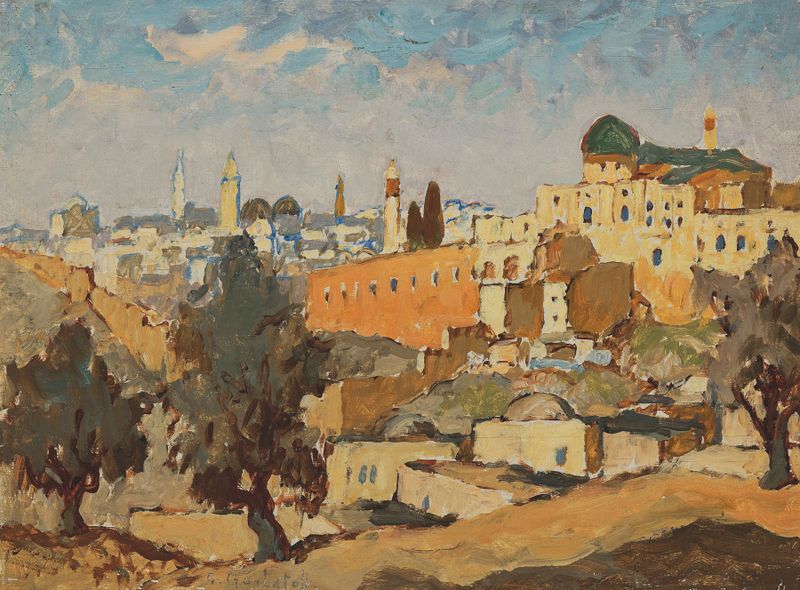
View of Jerusalem from Silwan village
Konstantin Ivanovich Gorbatov





