Autumn Landscape — History & Facts
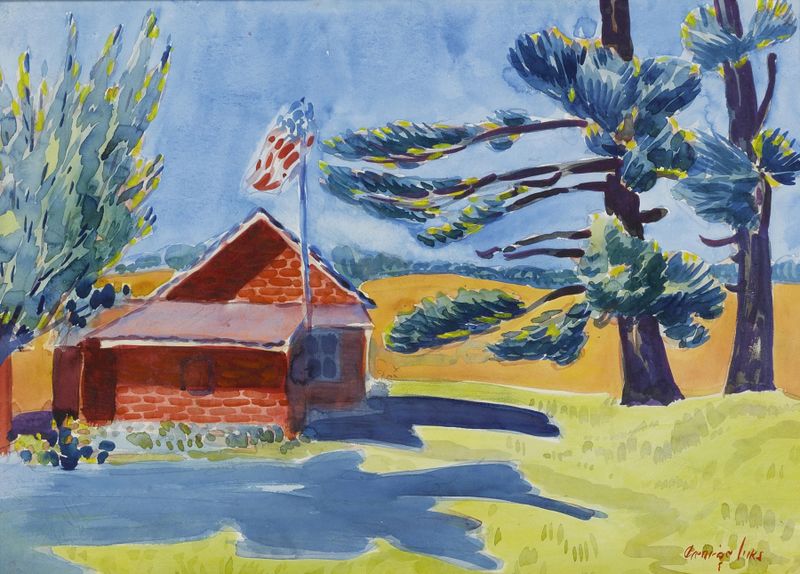
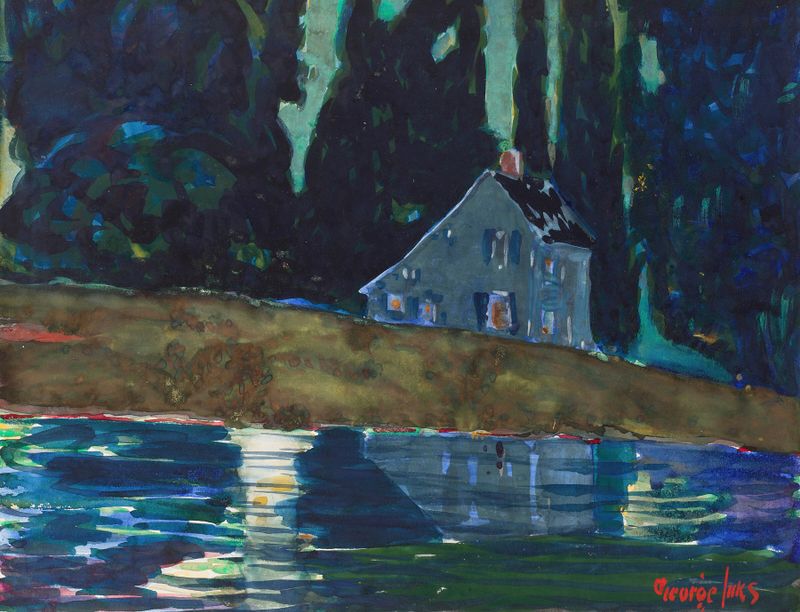
What secret hides in the quiet of the canvas? Amidst the rustling leaves and the golden hues of a waning day, there lies a profound faith in nature's cyclical grace. Look to the left at the bold strokes of ochre and burnt sienna, where trees stand sentinel against a backdrop of fading light. The artist’s brush dances with the essence of autumn, capturing the moment when foliage transforms into a riot of colors. Notice how the interplay of light and shadow creates depth, inviting the eye to wander through the scene, as if wandering a familiar path in a secluded grove.
The rich textures evoke a tactile sensation, making the viewer almost feel the chill in the air. In this landscape, the quietude is punctuated by the tension between the vibrancy of color and the inevitable approach of winter's grasp. The vibrant leaves, though full of life, whisper of their fleeting existence, a metaphor for the passage of time and the cycles we must embrace. The peacefulness of this autumnal moment suggests a deeper faith in renewal, as each season brings its own beauty and challenges. George Luks painted this work during a time of burgeoning American Impressionism in the early 20th century, a period that saw a shift towards embracing the raw beauty of everyday scenes.
Luks, with his characteristic boldness, sought to convey the emotional resonance of the natural world. As he captured this landscape, he was exploring the interplay of light and life, echoing the sentiments of an era that valued authenticity and simplicity amidst the rapid changes of modernity.