Old Schoolhouse, Ryders — History & Facts
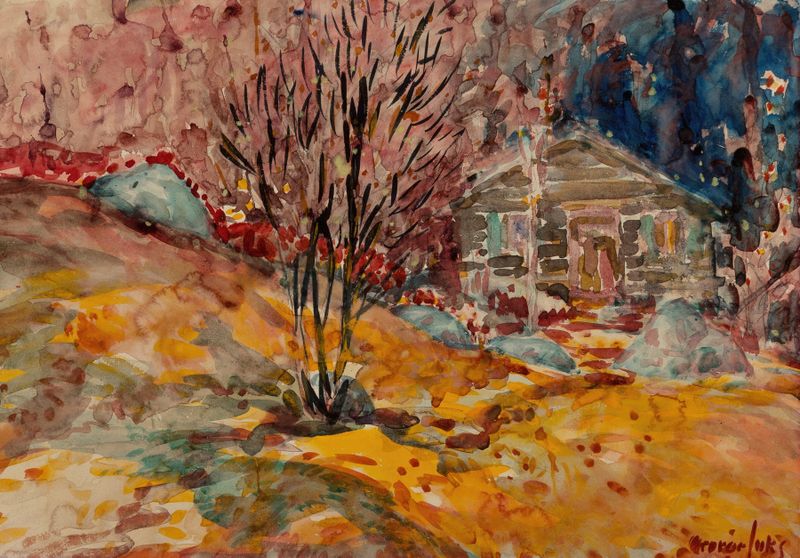
The scene unfolds outside a weathered schoolhouse, sunlight spilling across the wooden façade, illuminating its fading paint. A group of children, laughter ringing in the air, play joyfully on the front steps, their carefree spirits contrasting sharply with the solemnity of the building behind them. The faint rustle of leaves whispers secrets of a bygone era, as time seems to linger in the warmth of the afternoon glow. Look to the left at the large, cracked windows that reflect the sky, hinting at stories held within.
The earthy tones of the building—soft browns and muted greens—draw attention to the textured surfaces, inviting the viewer to appreciate the passage of time etched into the wood. Notice how the interplay of light casts elongated shadows, framing the children in a warm embrace, while the subtle details of grass peeking through the dirt remind us that life persists even in forgotten places. The juxtaposition between the youthful energy of the children and the stoic presence of the schoolhouse creates a poignant commentary on the passage of time. Each child's movement evokes the vibrancy of youth, while the aged structure represents the weight of history and memory that surrounds them.
This interplay invites reflection on how places hold the echoes of the past while life continues to flourish in the present. In 1929, George Luks painted this piece during a period marked by social change and the burgeoning influence of American realism. Living in New York City, he was part of the Ashcan School, which focused on depicting everyday life, often highlighting the gritty realities of urban existence. Yet here, he turns his gaze to a more nostalgic vision, capturing a fleeting moment of innocence against the backdrop of a changing world.