
Auxerre, La Rivière — History & Facts
Did the painter know this moment would outlive them? As the sun drapes its golden light over the gentle curves of the river, the scene evokes an exquisite blend of tranquility and an undercurrent of fear, the fear of time slipping away, of nature’s impermanence. Look to the left, where the shimmering waters of the river reflect a soft blue against dappled greens. Notice how the artist employs delicate brush strokes, creating a sense of movement that animates the scene. The trees, their lush foliage painted in vibrant hues, stand as guardians of this fleeting moment, while the small boats on the water seem suspended in time, inviting the viewer to share in their quiet journey.
The composition balances the serenity of nature with hints of tension woven into the colors and strokes, revealing the artist's mastery in capturing both beauty and unease. The juxtaposition of stillness and the unseen currents of the water signifies the paradox of existence—beauty poised on the edge of dissolution. Each stroke carries a sense of urgency, as if the artist feared that this idyllic scene could vanish at any moment. The interplay of light and shadow not only highlights the river's beauty but also casts a contemplative mood, urging the viewer to reflect on the passage of time and the ephemeral nature of life. In 1902, Signac was deeply engaged in the Pointillist technique, reflecting the post-Impressionist movement’s focus on color and light.
Working in Auxerre, a town in France, he sought to capture the essence of its landscapes amidst a burgeoning interest in color theory and abstraction. This was a time of personal exploration for the artist, as well as a period of transformative change in the art world, where the boundaries of representation were being pushed, and fears about the future were palpable.
More Artworks by Paul Signac
Browse all →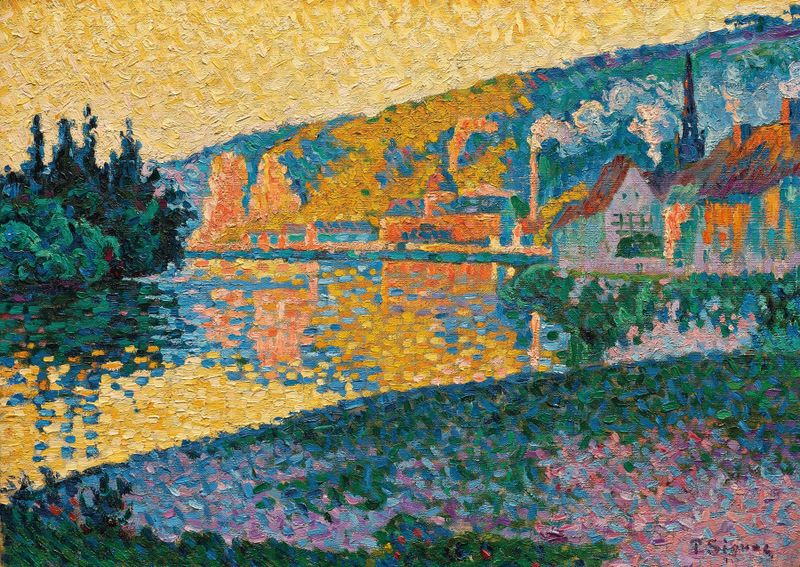
Les Andelys. Soleil couchant
Paul Signac
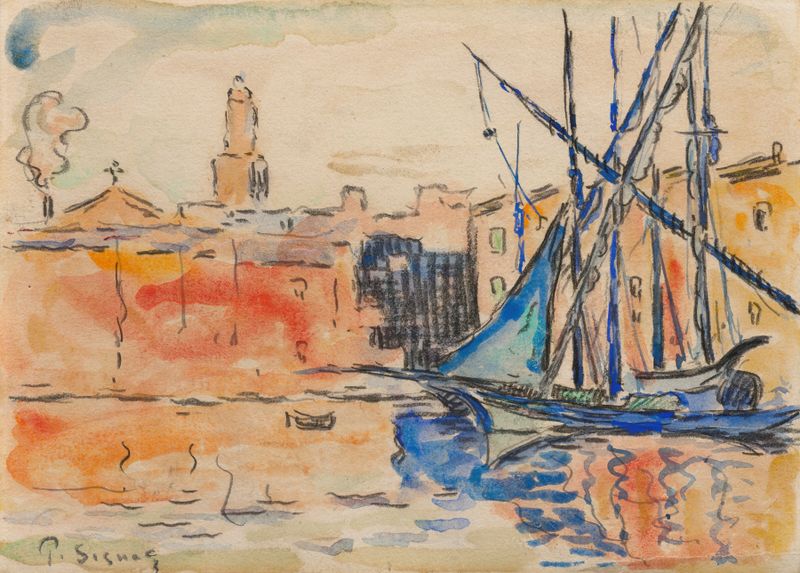
Saint-Tropez, le port
Paul Signac
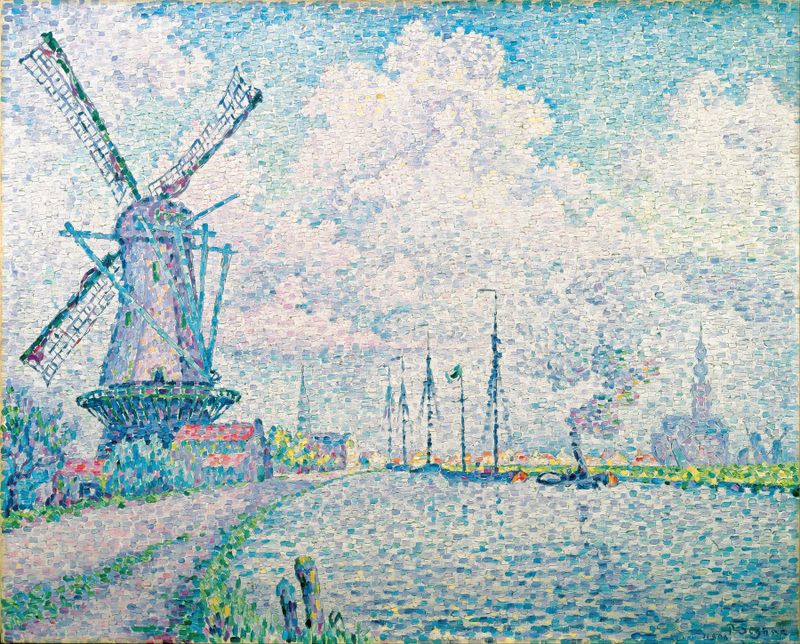
Canal of Overschie
Paul Signac
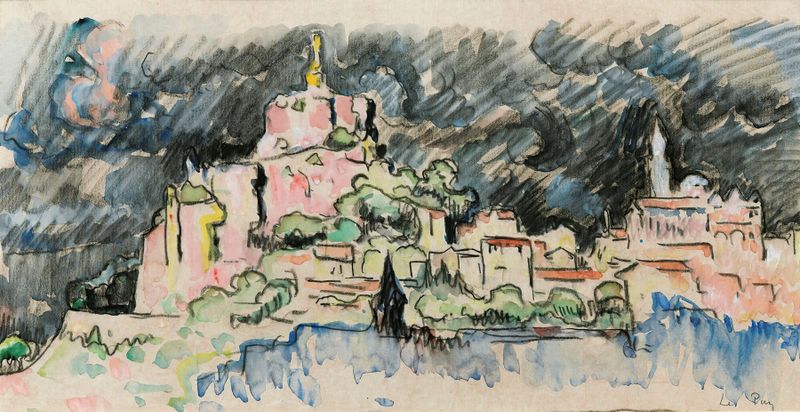
Le Puy-En-Velay, Ciel D’orage
Paul Signac
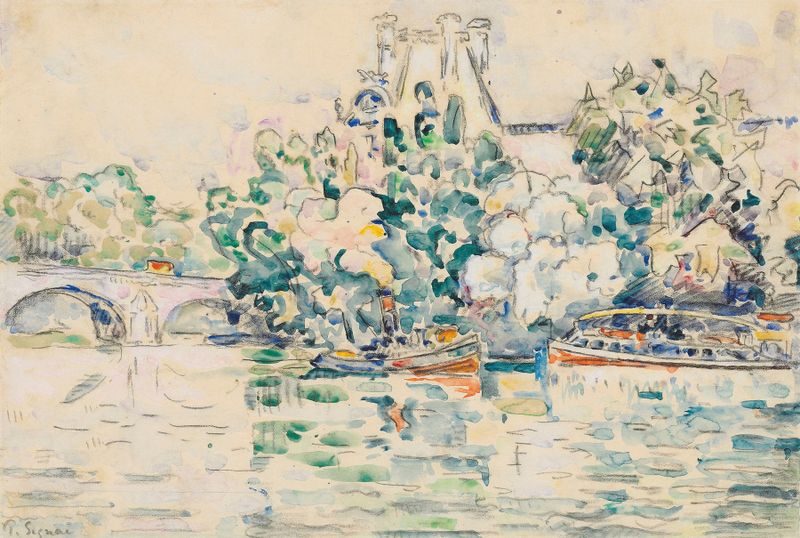
Paris, La Seine au Pont-Royal
Paul Signac
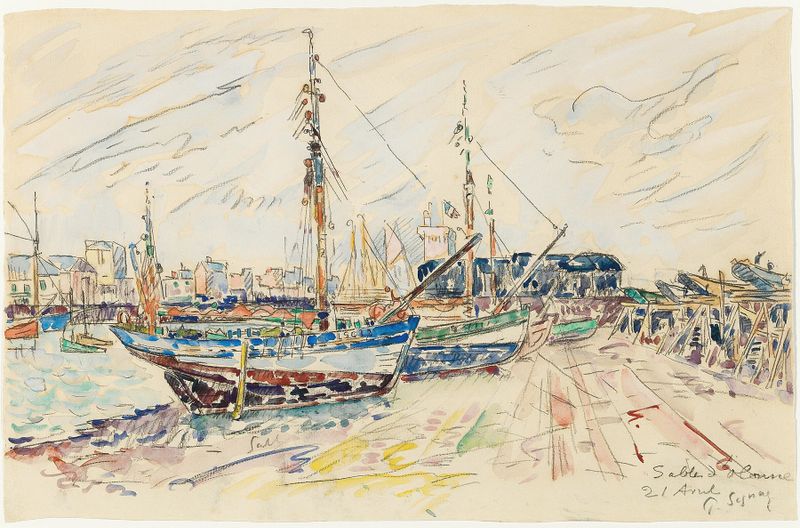
Sables d’Olonne
Paul Signac
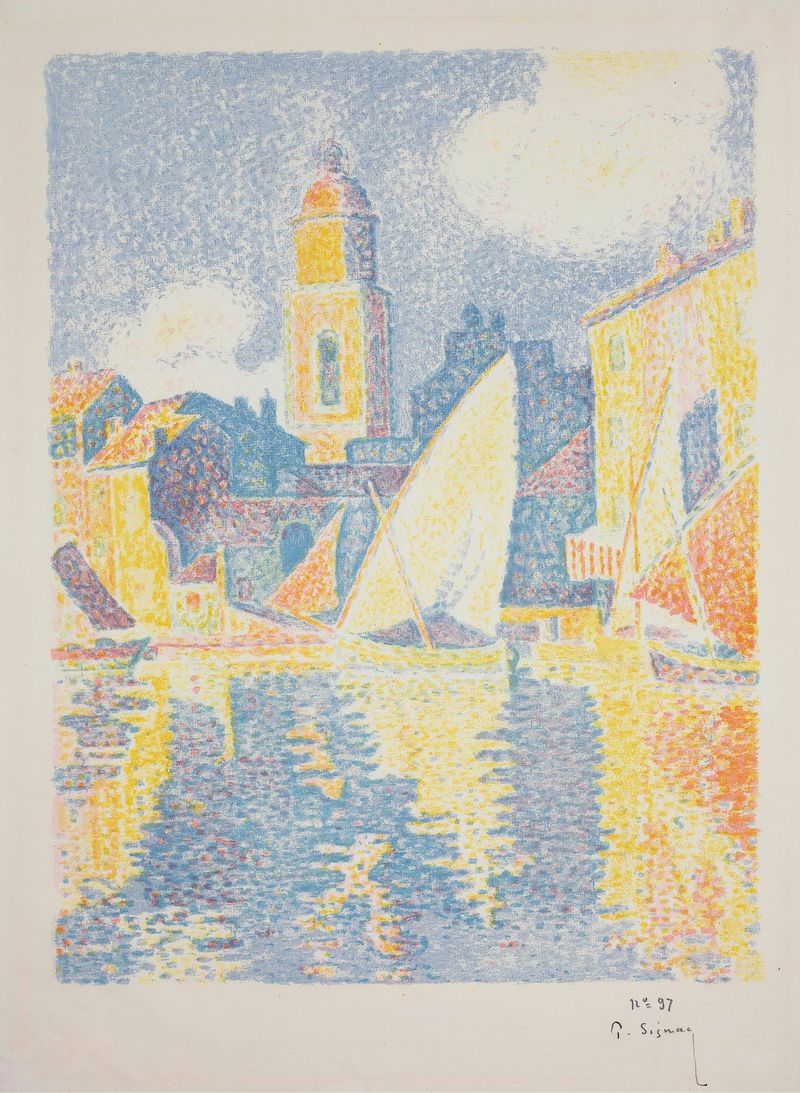
The Port of St. Tropez
Paul Signac
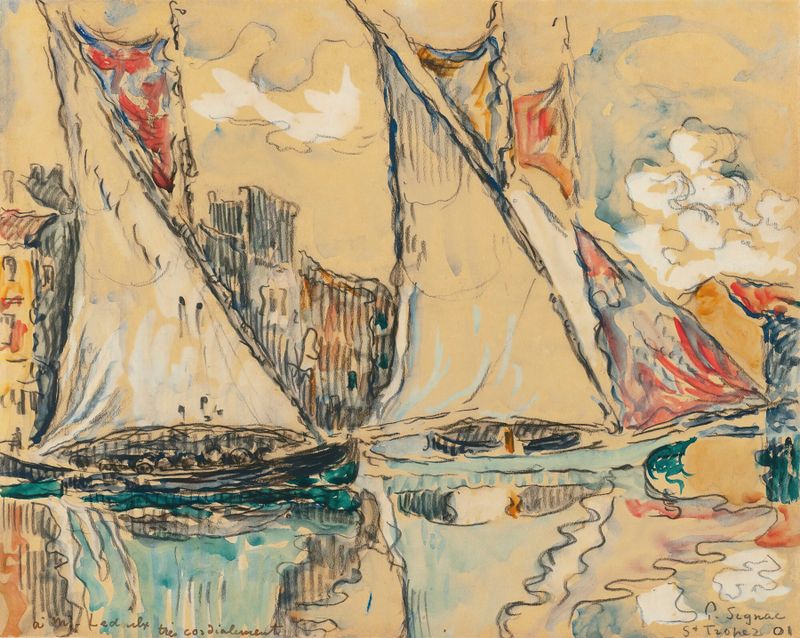
Saint-Tropez, Voiles Au Sec
Paul Signac
Antibes
Paul Signac

Saint-Tropez
Paul Signac





