
Auxilium Christianorum. Jesu Refugium Nostrum — History & Facts
What if silence could speak through light? In Auxilium Christianorum. Jesu Refugium Nostrum, the ethereal glow surrounding the figures invites viewers to explore the profound interplay between faith and time. Look to the center of the composition, where a resplendent figure of Christ stands majestically, cloaked in radiant light. The drapery of his garment flows gracefully, its luminous fabric contrasting with the more muted tones of the surrounding figures.
Notice how the golden halo arcs above his head, casting a soft illumination that beckons the eye to the sacred centrality of this moment. The use of rich, deep colors enhances the emotional weight of the scene, enveloping it in a solemn yet hopeful atmosphere. Delve into the intricate details that reveal deeper meanings. The somber expressions of the figures flanking Christ speak to a collective yearning for refuge, embodying a timeless human condition of seeking solace in the divine.
Surrounding them, the dark shadows enhance the light’s significance, creating a poignant dichotomy between despair and hope. This tension encapsulates the essence of faith as a sanctuary that transcends the passage of time. In 1894, Charles Marie Dulac painted this piece during a period when religious themes were being re-explored amidst shifts in artistic movements. Living in France, he was influenced by the Symbolist movement, which sought to imbue art with deeper meanings and spiritual symbolism.
This work reflects his engagement with both contemporary challenges and the enduring quest for divine refuge, making it a significant testament to his artistic vision.
More Artworks by Charles Marie Dulac
Browse all →
Landscape, Plate 6, Remarque, Lilies
Charles Marie Dulac
Chapelle à Saint-Germain-des-Prés
Charles Marie Dulac
Groupe d’arbres
Charles Marie Dulac
La neige à Montmartre
Charles Marie Dulac
Jesu Sol Justitiae
Charles Marie Dulac
Landscape, Plate 5, Remarque, Three Stalks of Wheat
Charles Marie Dulac
Jesu Corona Sanctorum Omnium. Jesu Sapientia Aeterna
Charles Marie Dulac
Paysage (Landscape)
Charles Marie Dulac
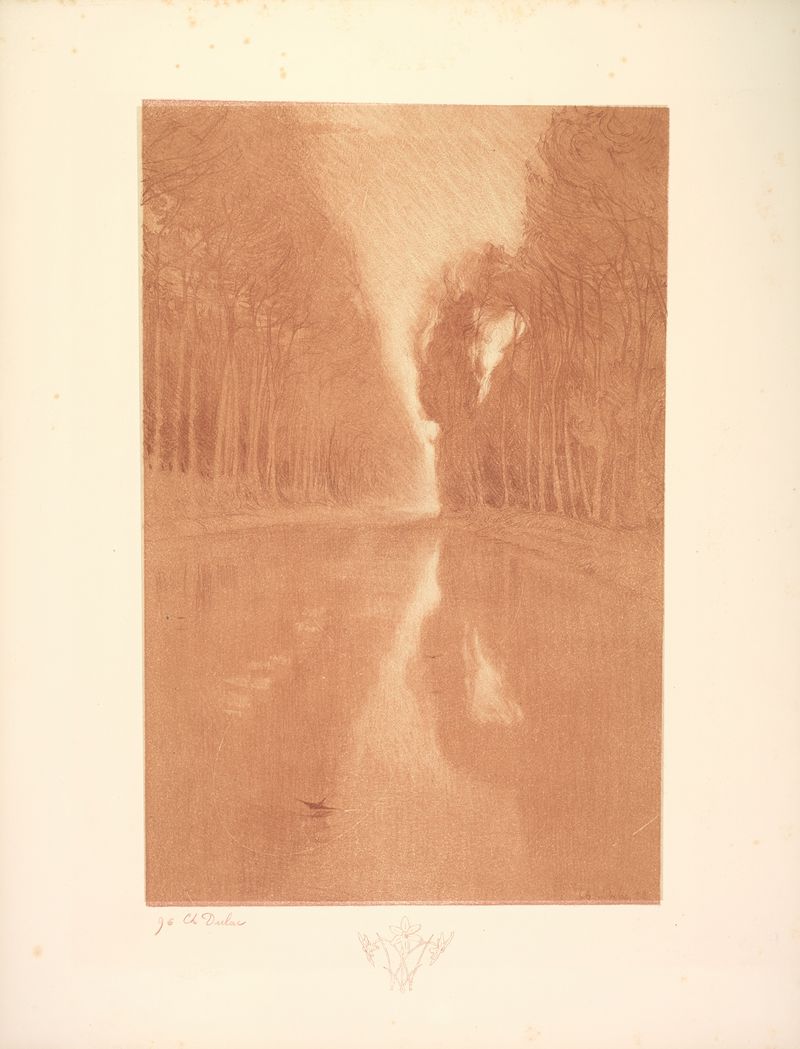
Landscape, Plate 2, Remarque, Starflowers
Charles Marie Dulac
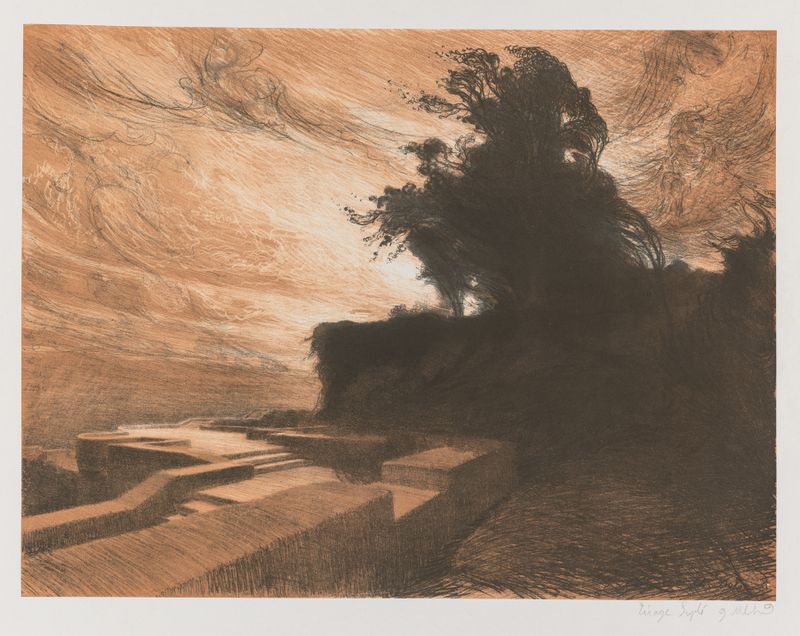
Hymn to Creation; Holy Spirit of God
Charles Marie Dulac
More Religious Art
Browse all →
The Return of the Prodigal Son
Rembrandt van Rijn

The Garden of Earthly Delights
El Bosco

Count Orgaz’ funeral
El Greco

The Hundred Guilder Print: the central piece with Christ preaching, the plate arched
Rembrandt van Rijn

The Descent from the Cross
Rogier van der Weyden

The return of the prodigal son
Rembrandt van Rijn