
Jesu Sol Justitiae — History & Facts
Can paint confess what words never could? In this luminous work, the artist explores the depths of betrayal, laying bare its silent weight against the backdrop of divine light. Look to the center where a radiant figure emerges, cloaked in ethereal light, embodying both justice and solace. Delicate brushstrokes create a halo effect around the figure, emphasizing its tranquility amidst a tumultuous background. Notice how the soft blues and vibrant golds interact, revealing a tension between hope and disillusionment, as if the colors themselves hold secrets waiting to be unveiled. Delve deeper into the details; the subtle play of shadows hints at hidden truths, and the anguished expressions of the figures surrounding the central image suggest a collective pain.
Each face tells a story of loss and longing, contrasting the serenity of the illuminated figure. The juxtaposition of light and dark amplifies the emotional intensity, evoking the struggle between faith and despair—an eternal dance between belief and betrayal. Charles Marie Dulac painted Jesu Sol Justitiae in 1894 during a time of great personal and artistic transformation. Living in France, he immersed himself in the Symbolist movement, exploring themes of spirituality and existential anguish.
This period marked a shift in the art world, reflecting a growing interest in the emotional and psychological complexities of the human experience, which undoubtedly influenced his poignant depiction of divine justice amidst earthly suffering.
More Artworks by Charles Marie Dulac
Browse all →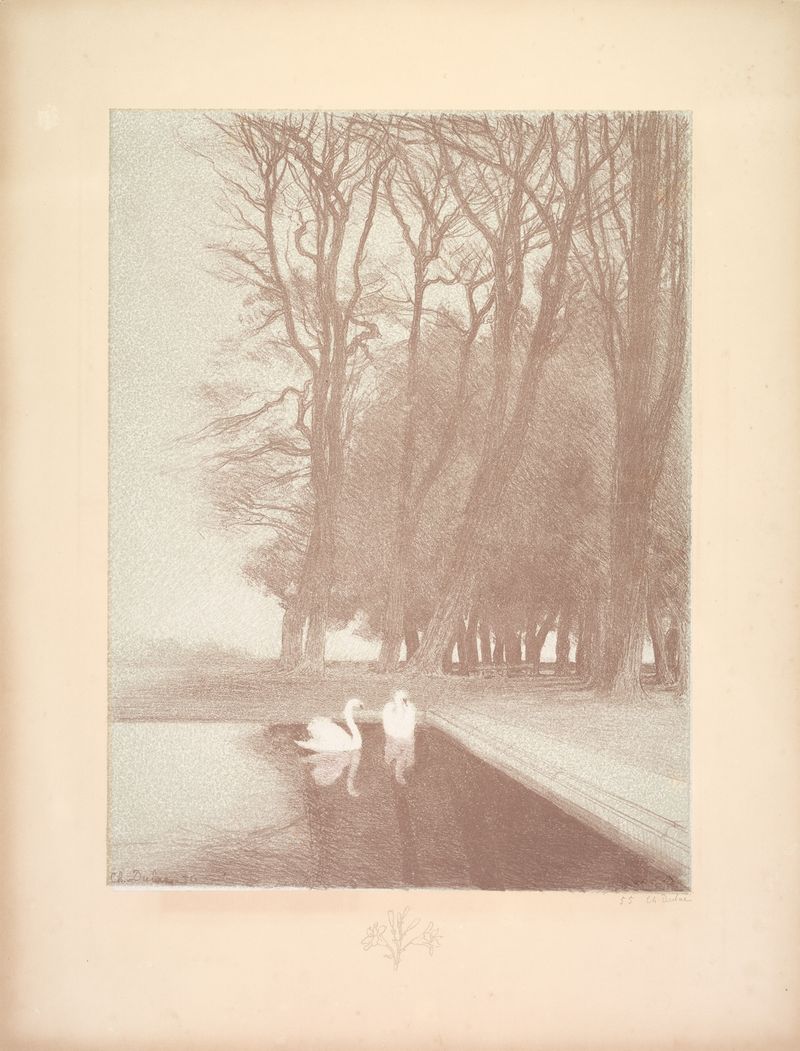
Landscape, Plate 6, Remarque, Lilies
Charles Marie Dulac
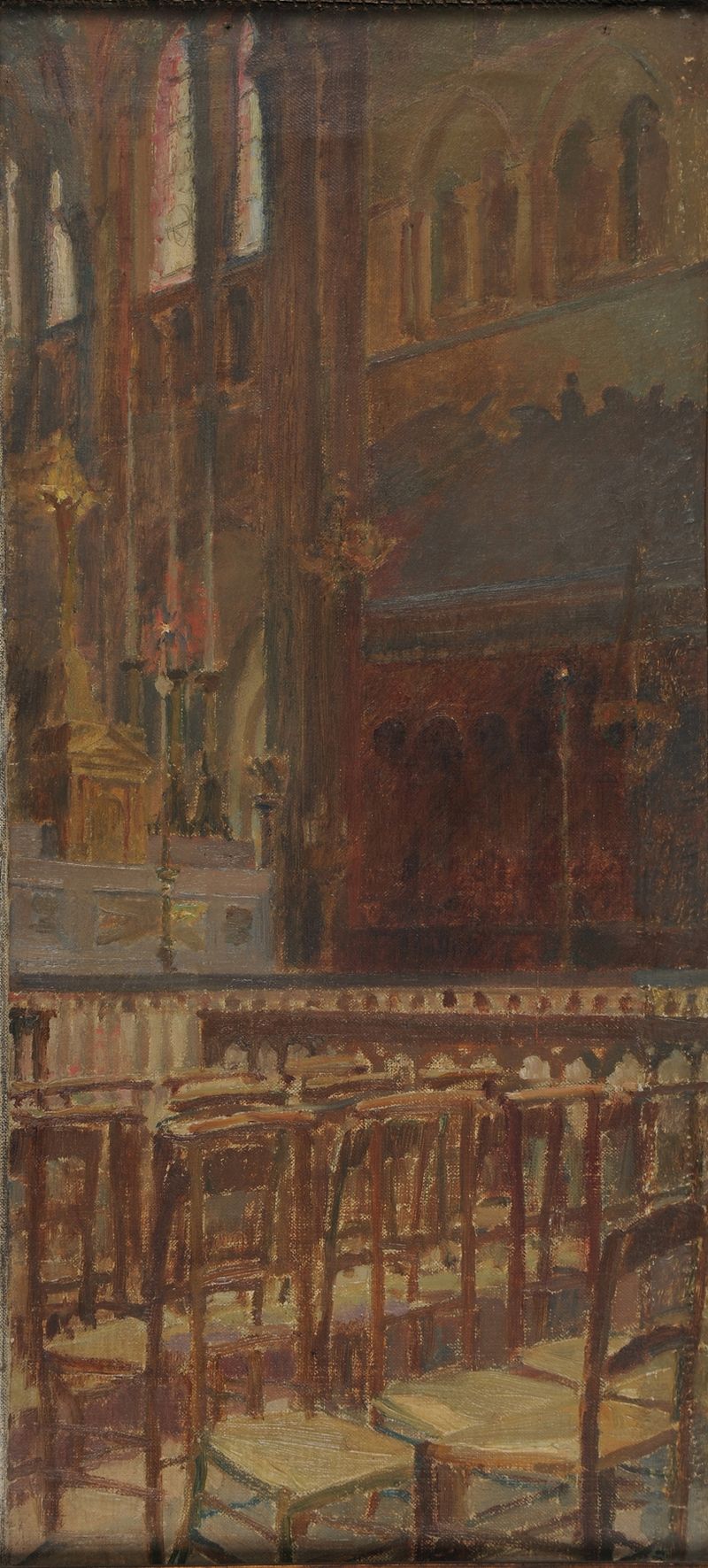
Chapelle à Saint-Germain-des-Prés
Charles Marie Dulac
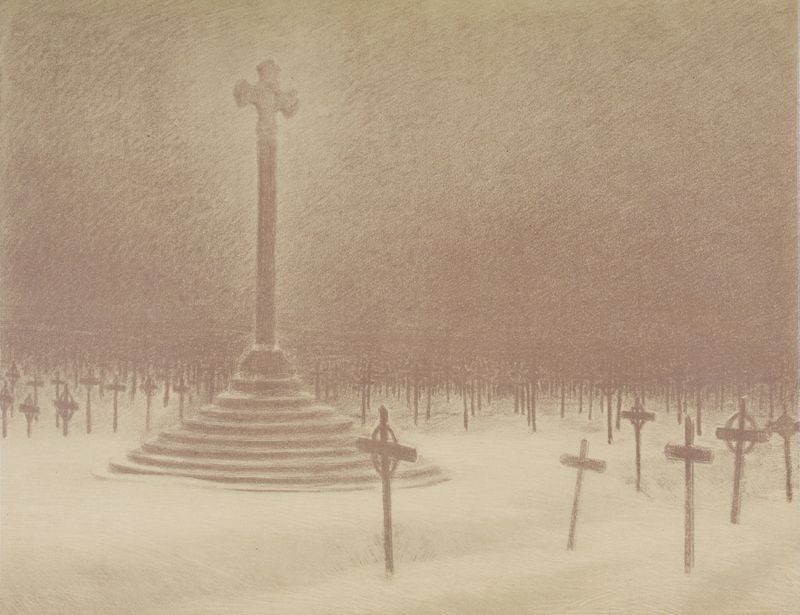
Auxilium Christianorum. Jesu Refugium Nostrum
Charles Marie Dulac
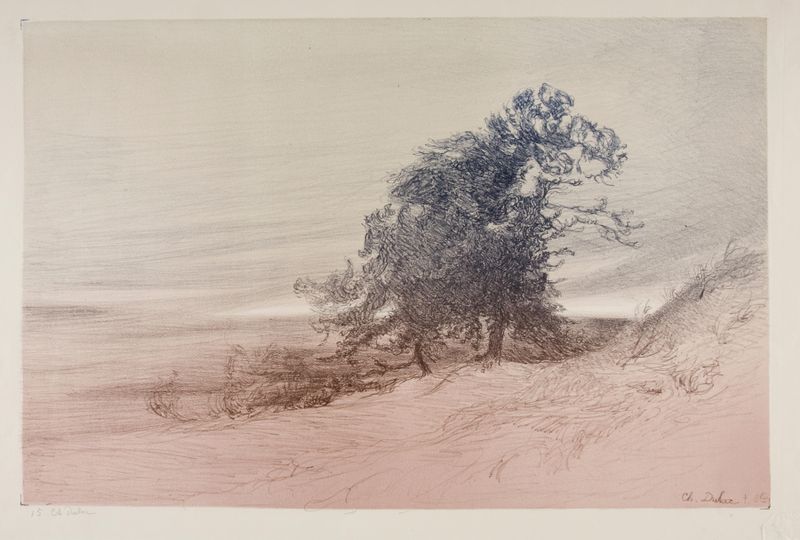
Groupe d’arbres
Charles Marie Dulac
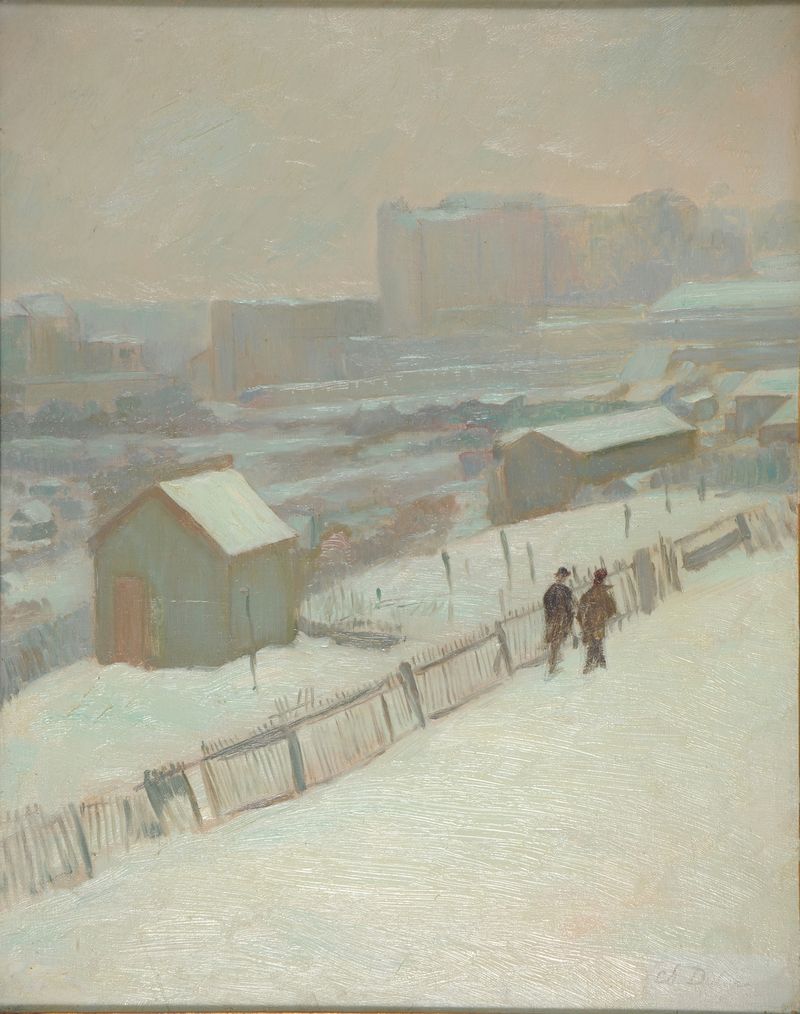
La neige à Montmartre
Charles Marie Dulac
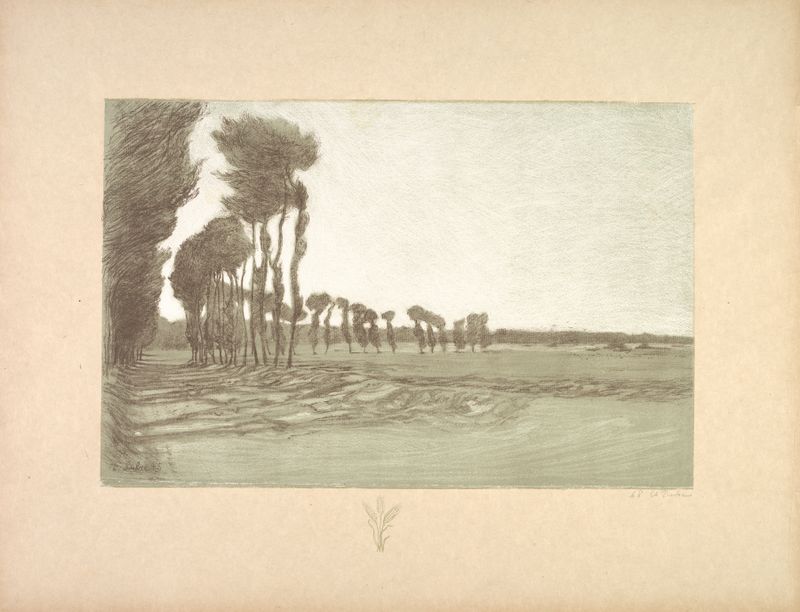
Landscape, Plate 5, Remarque, Three Stalks of Wheat
Charles Marie Dulac
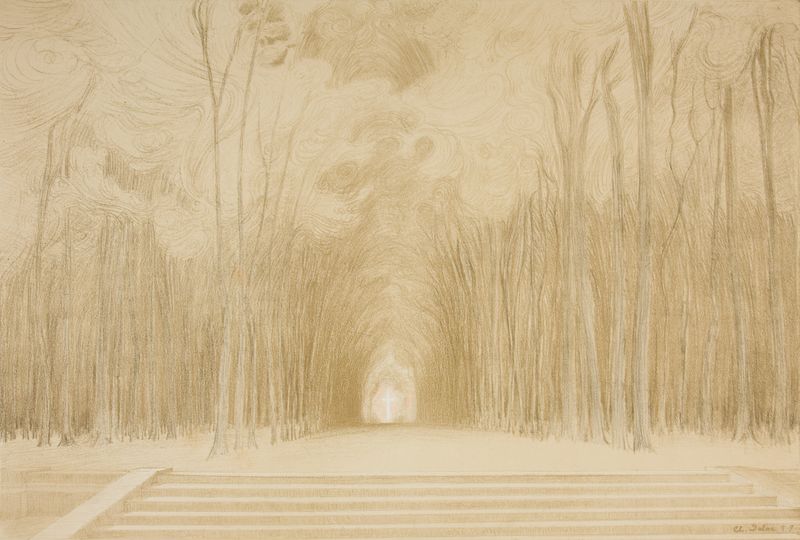
Jesu Corona Sanctorum Omnium. Jesu Sapientia Aeterna
Charles Marie Dulac
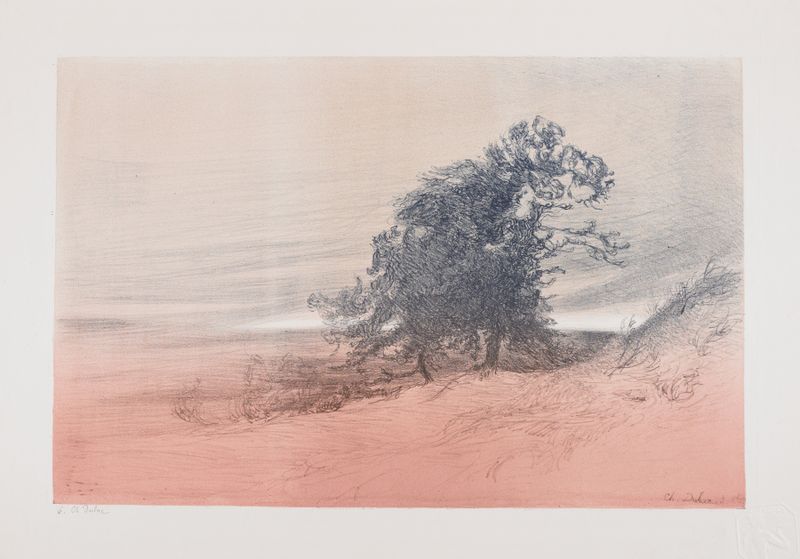
Paysage (Landscape)
Charles Marie Dulac
Landscape, Plate 2, Remarque, Starflowers
Charles Marie Dulac
Hymn to Creation; Holy Spirit of God
Charles Marie Dulac
More Religious Art
Browse all →
The Return of the Prodigal Son
Rembrandt van Rijn

The Garden of Earthly Delights
El Bosco

Count Orgaz’ funeral
El Greco

The Hundred Guilder Print: the central piece with Christ preaching, the plate arched
Rembrandt van Rijn

The Descent from the Cross
Rogier van der Weyden

The return of the prodigal son
Rembrandt van Rijn