
La neige à Montmartre — History & Facts
In a world where silence often speaks louder than words, the nuances of a snowy Parisian landscape tell tales of transformation and revolution. Here, the serenity of winter conceals the fervor of change just beneath the surface. Look to the center of La neige à Montmartre, where the delicate snow blankets the rooftops, each flake a testament to fragile beauty. The muted palette of whites and grays draws the viewer into a tranquil scene, yet the artists' deft use of dark accents in the shadows hints at the complexity of the life that unfolds beneath.
The way the light dances upon the glistening snow creates an almost ethereal glow, inviting us to explore the hidden lives of its inhabitants. Amidst the peaceful scene, there lies a palpable tension—this calm is a prelude to the upheaval that was sweeping through society. The figures walking along the streets, wrapped in heavy coats, represent not just the inhabitants of Montmartre but also the artists and thinkers in the throes of revolutionary ideas. The soft, swirling snow evokes a sense of nostalgia, while the thickening shadows conjure the potential of unrest, each detail layered with duality—beauty and turmoil, stillness and movement. Created during a time when Paris was a hub of artistic innovation and social change, this piece was painted in the late 19th century, a period marked by the rise of impressionism and the questioning of traditional norms.
The artist likely found inspiration in the atmosphere of Montmartre, a neighborhood alive with creativity and whispers of revolution, reflecting both the era’s vibrant artistic spirit and the complexities of the world outside.
More Artworks by Charles Marie Dulac
Browse all →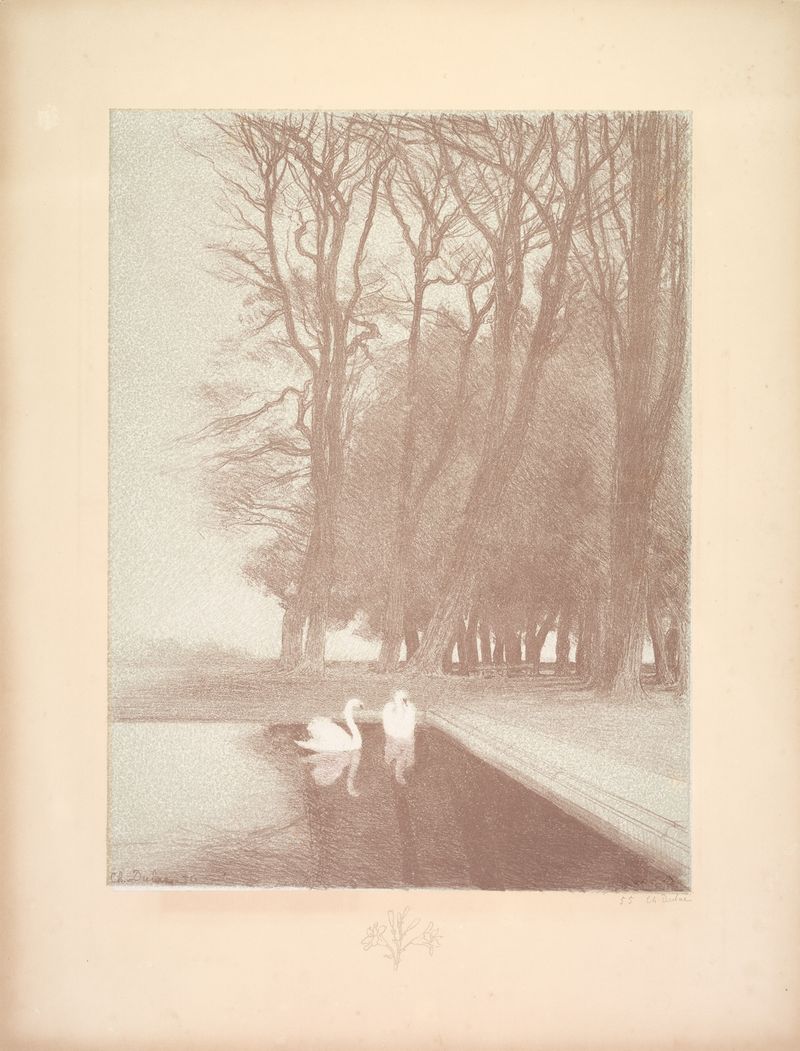
Landscape, Plate 6, Remarque, Lilies
Charles Marie Dulac
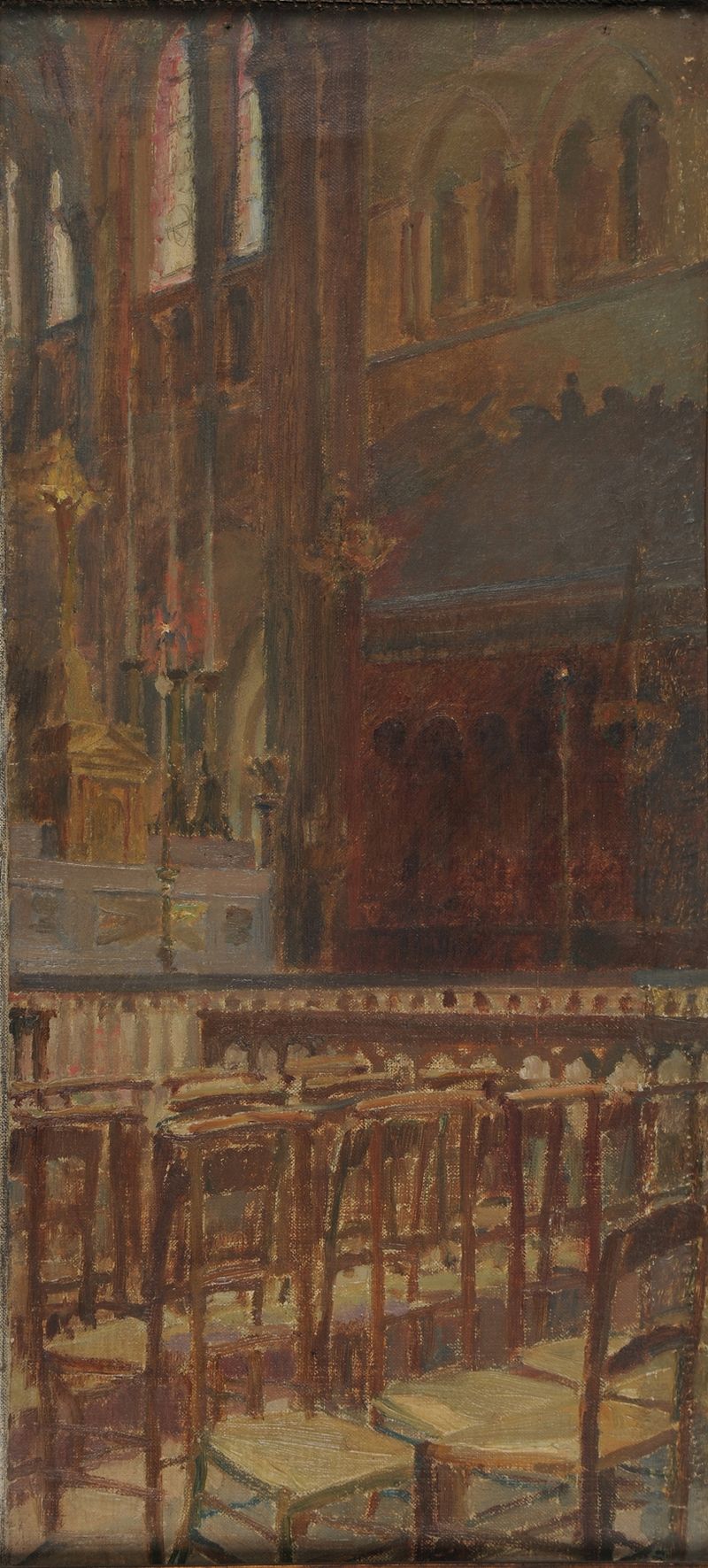
Chapelle à Saint-Germain-des-Prés
Charles Marie Dulac
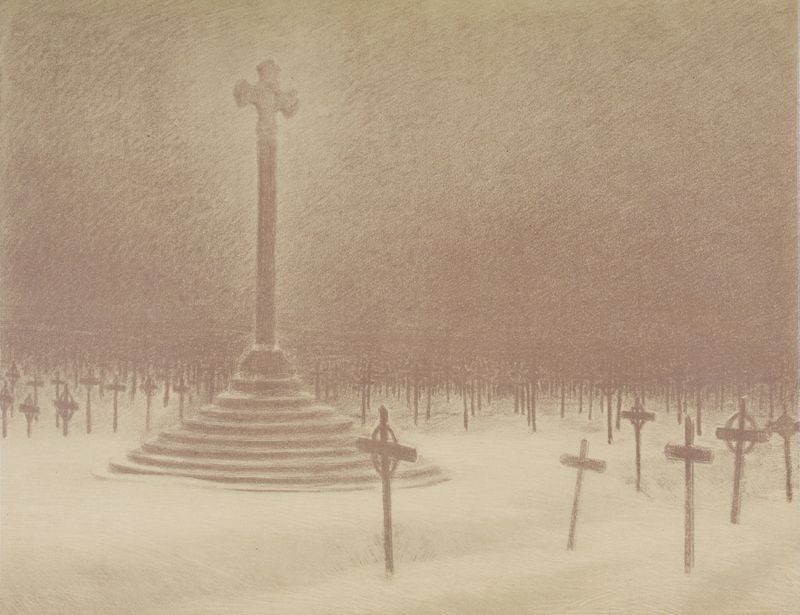
Auxilium Christianorum. Jesu Refugium Nostrum
Charles Marie Dulac
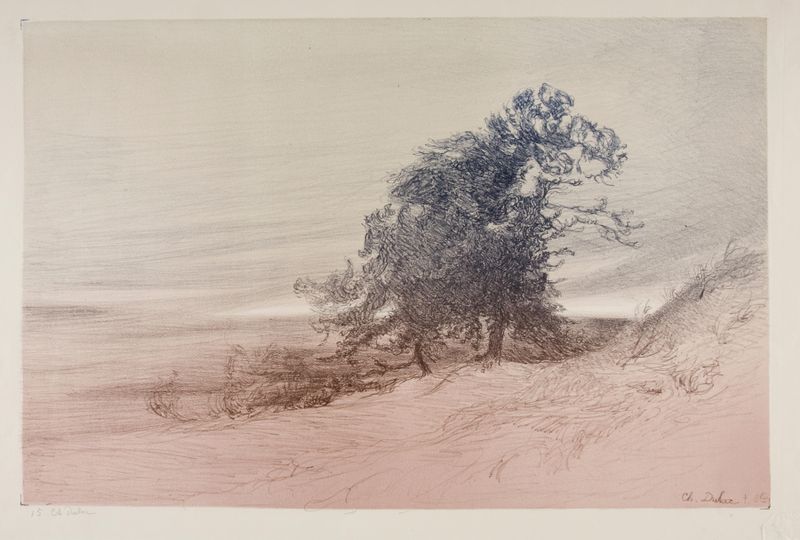
Groupe d’arbres
Charles Marie Dulac
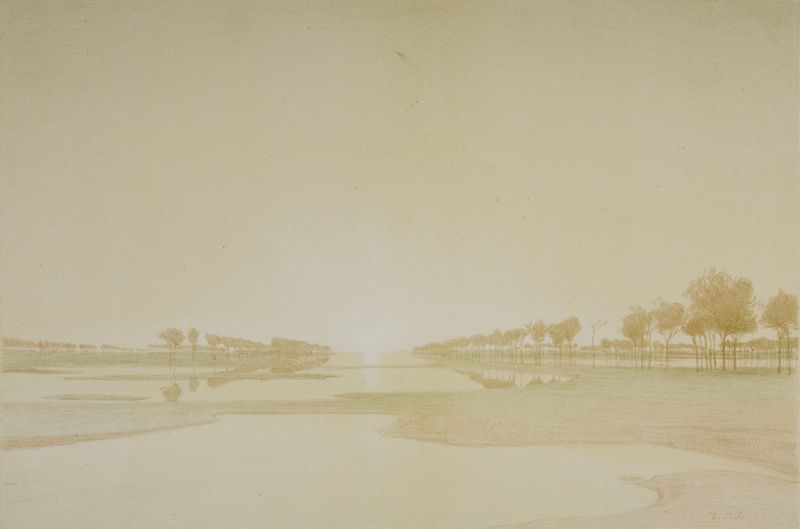
Jesu Sol Justitiae
Charles Marie Dulac
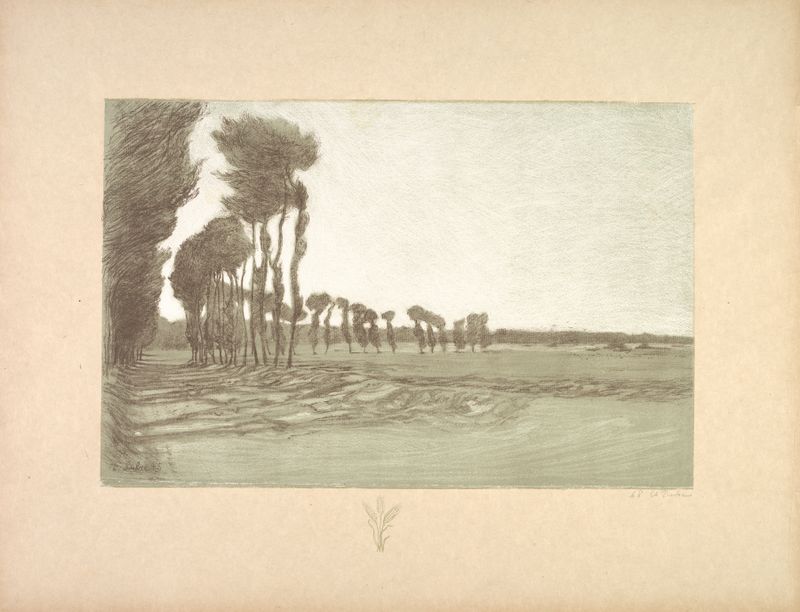
Landscape, Plate 5, Remarque, Three Stalks of Wheat
Charles Marie Dulac
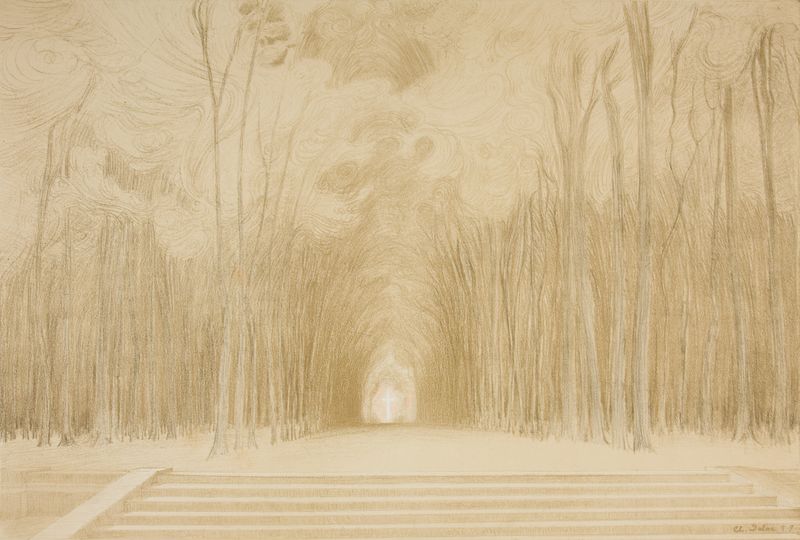
Jesu Corona Sanctorum Omnium. Jesu Sapientia Aeterna
Charles Marie Dulac
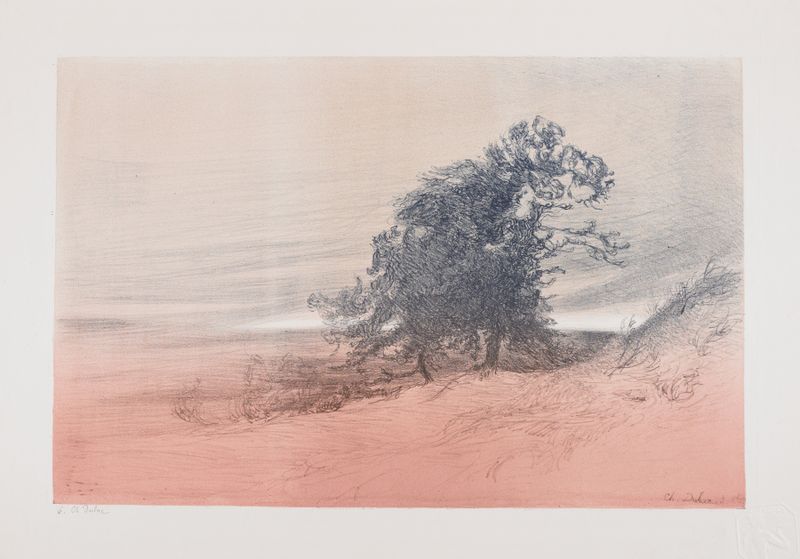
Paysage (Landscape)
Charles Marie Dulac
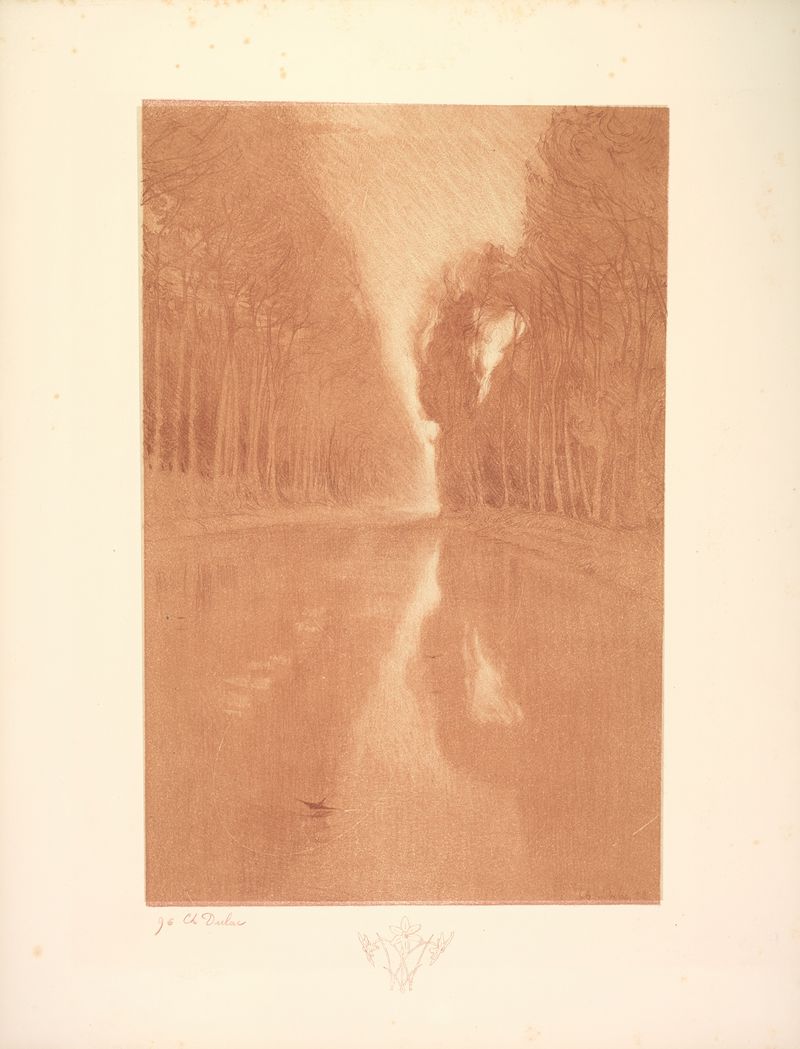
Landscape, Plate 2, Remarque, Starflowers
Charles Marie Dulac
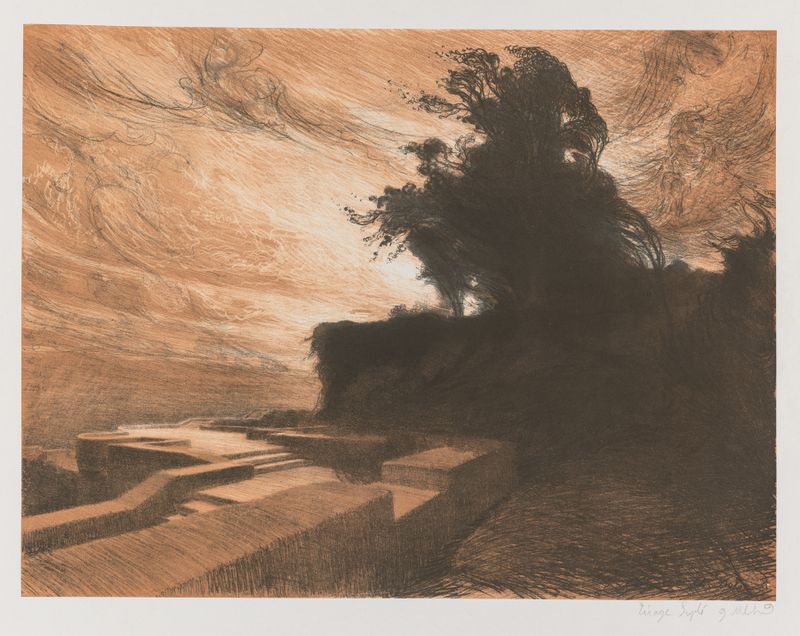
Hymn to Creation; Holy Spirit of God
Charles Marie Dulac





