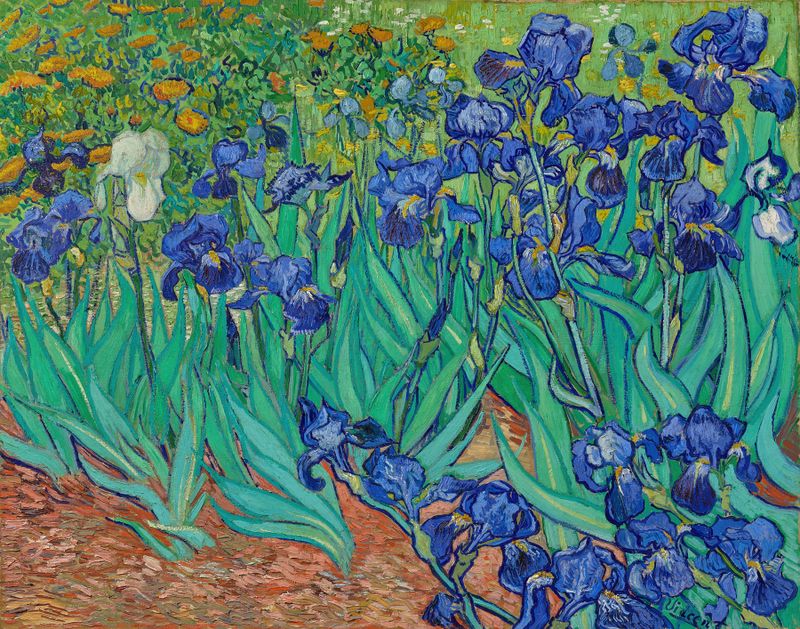
Landscape, Plate 6, Remarque, Lilies — History & Facts
In its stillness, it reveals the artist’s deepest obsessions, a silent echo of nature’s transient beauty captured forever. Each brushstroke speaks of longing, as if the lilies themselves are aware of the fleeting nature of their existence. Look to the left at the delicate flowers, their petals poised to unfurl, bathed in a soft, dappled light that draws the eye in. The vibrant greens blend harmoniously with the rich purples and whites of the lilies, creating a soothing palette that invites tranquility.
The gentle ripple of water beneath reflects these colors, mirroring a world that teeters on the edge of reality and dream, while loose brushwork gives the scene a sense of movement, as if the viewer could step into this serene moment. Beneath the surface, this work hints at the artist's fascination with the ephemeral. The lilies embody a sense of fleeting beauty, a reminder of life’s transitory nature, while the layers of color intertwine like memories — vivid yet elusive. The tension between the calm surface and the potential for turbulence beneath hints at an inner struggle, an obsession with capturing the moment before it slips away, mirroring the cyclical nature of existence itself. Dulac painted this piece during a productive phase of his career between 1892 and 1893, amid a broader movement in art that embraced Impressionism.
Living in France, he was influenced by the changing perceptions of light and color, which were redefining landscape painting. At this time, artists were not just observers of nature but also interpreters of their emotional experiences, delving into the depths of their subjects with a newfound intensity.
More Artworks by Charles Marie Dulac
Browse all →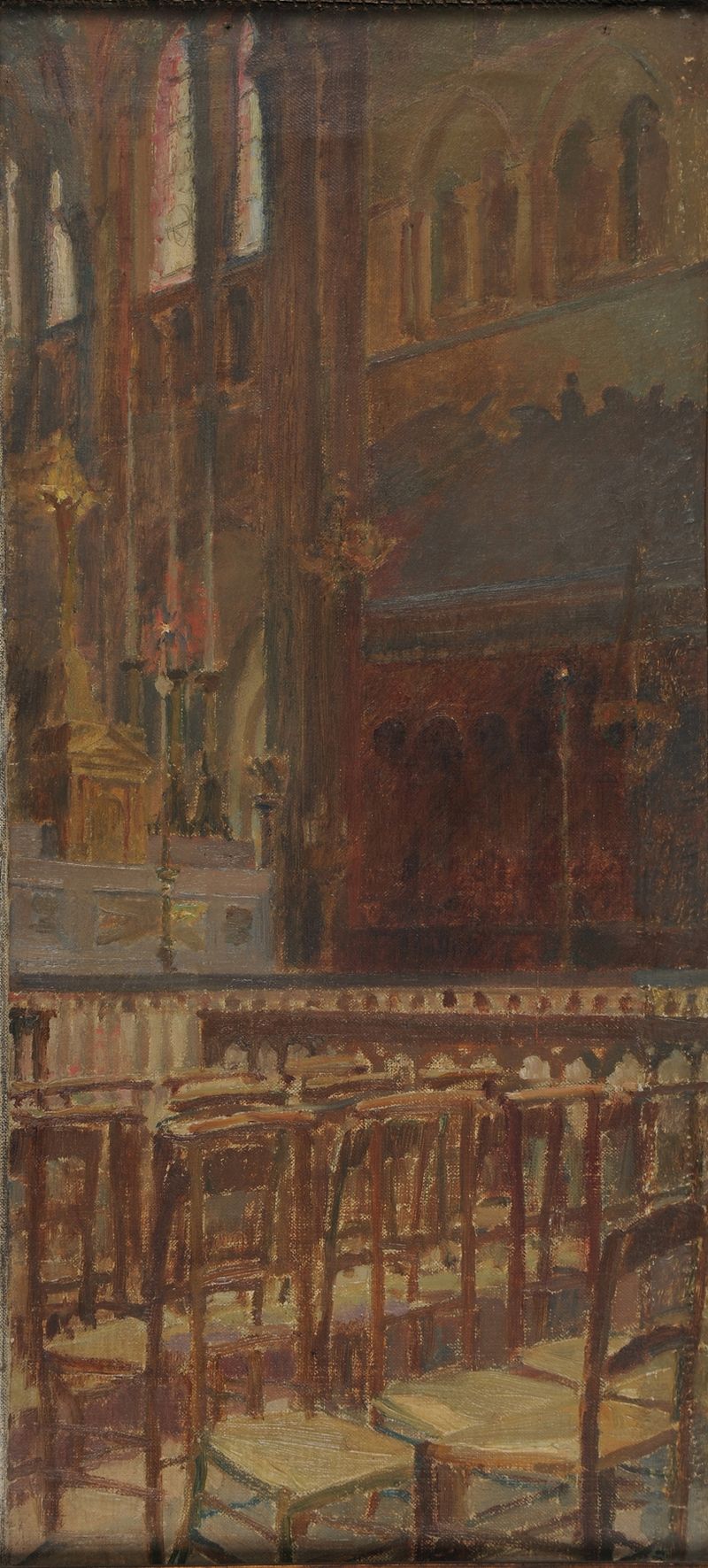
Chapelle à Saint-Germain-des-Prés
Charles Marie Dulac
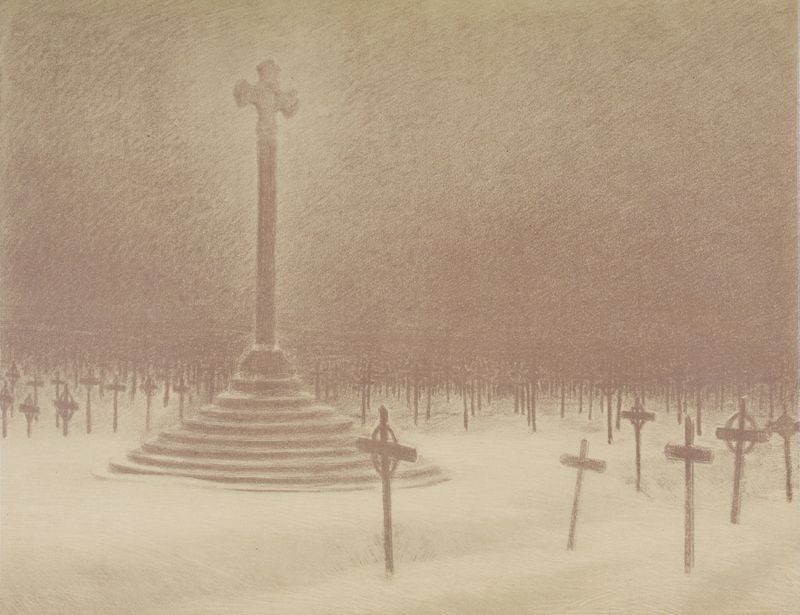
Auxilium Christianorum. Jesu Refugium Nostrum
Charles Marie Dulac
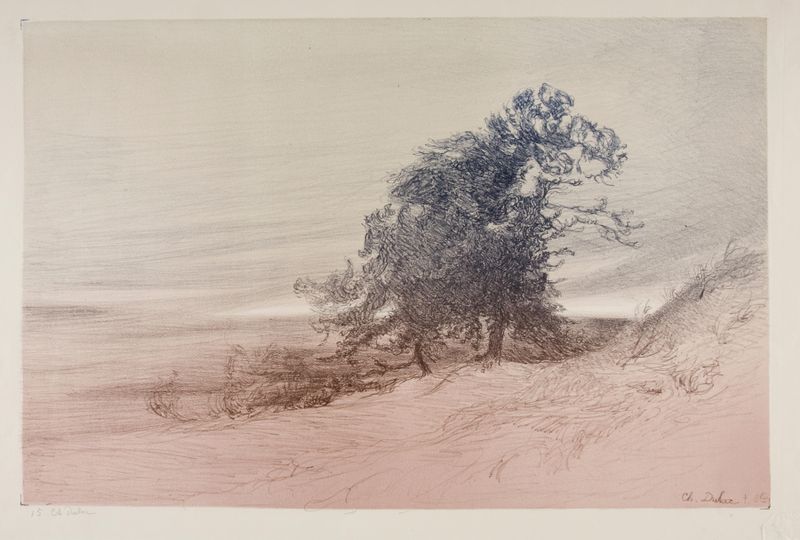
Groupe d’arbres
Charles Marie Dulac
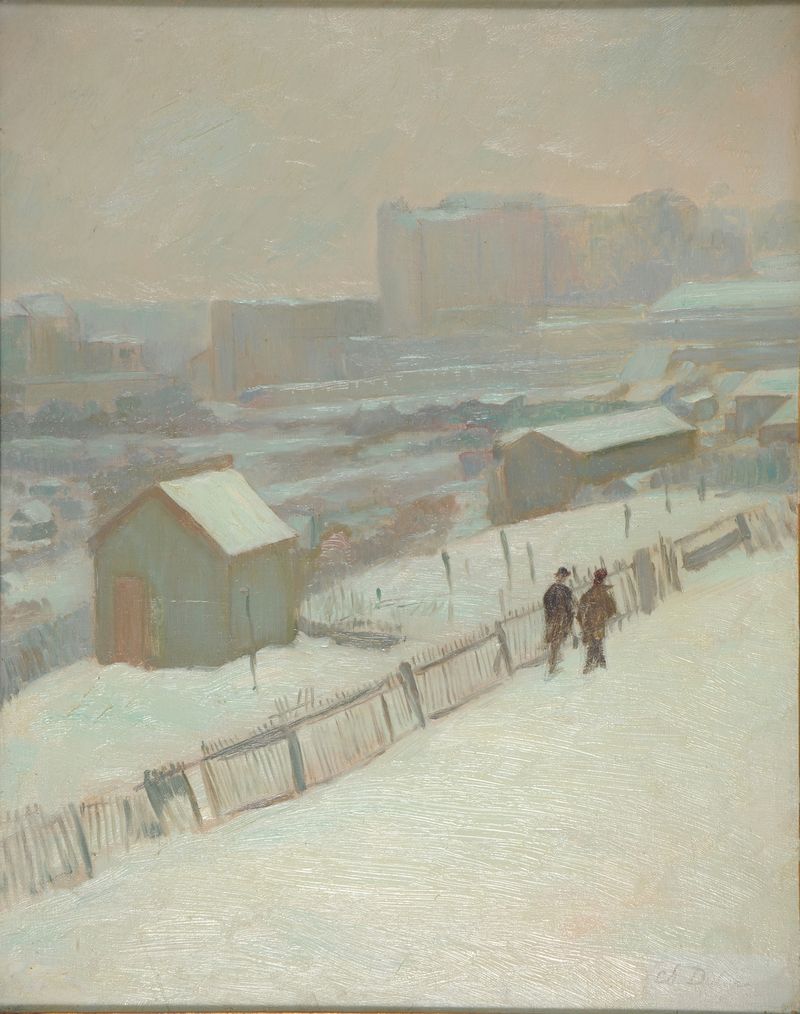
La neige à Montmartre
Charles Marie Dulac
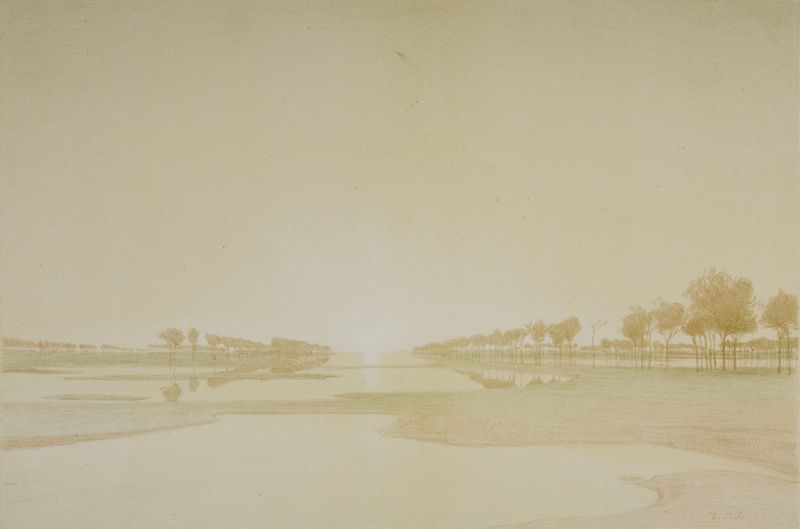
Jesu Sol Justitiae
Charles Marie Dulac
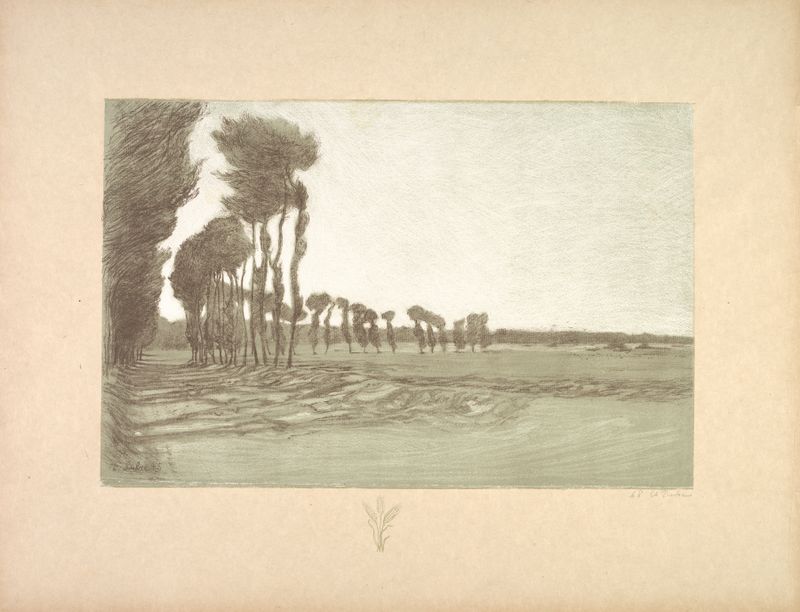
Landscape, Plate 5, Remarque, Three Stalks of Wheat
Charles Marie Dulac
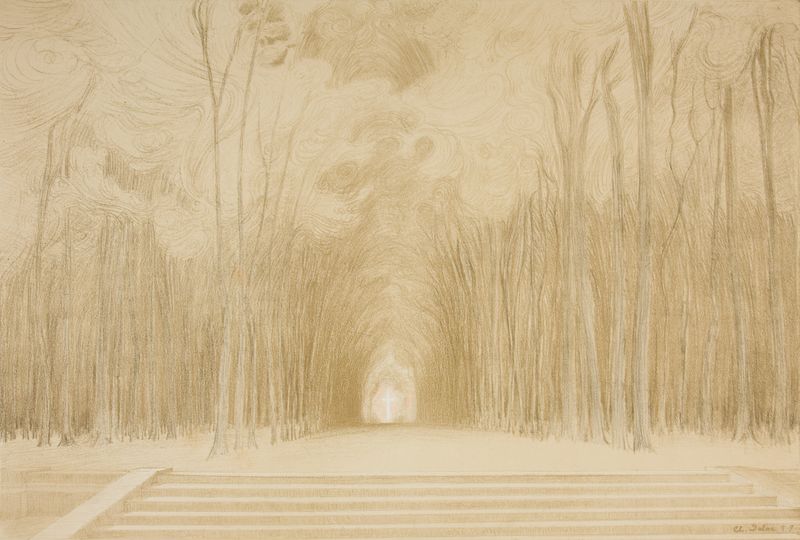
Jesu Corona Sanctorum Omnium. Jesu Sapientia Aeterna
Charles Marie Dulac
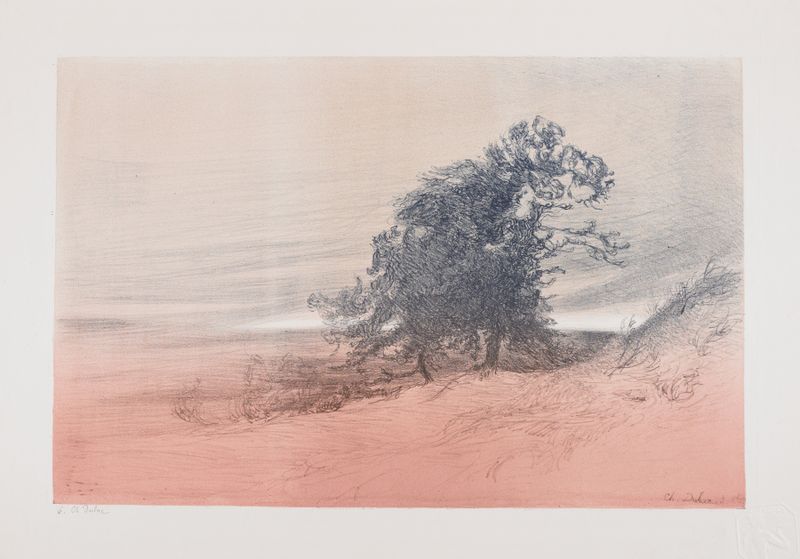
Paysage (Landscape)
Charles Marie Dulac
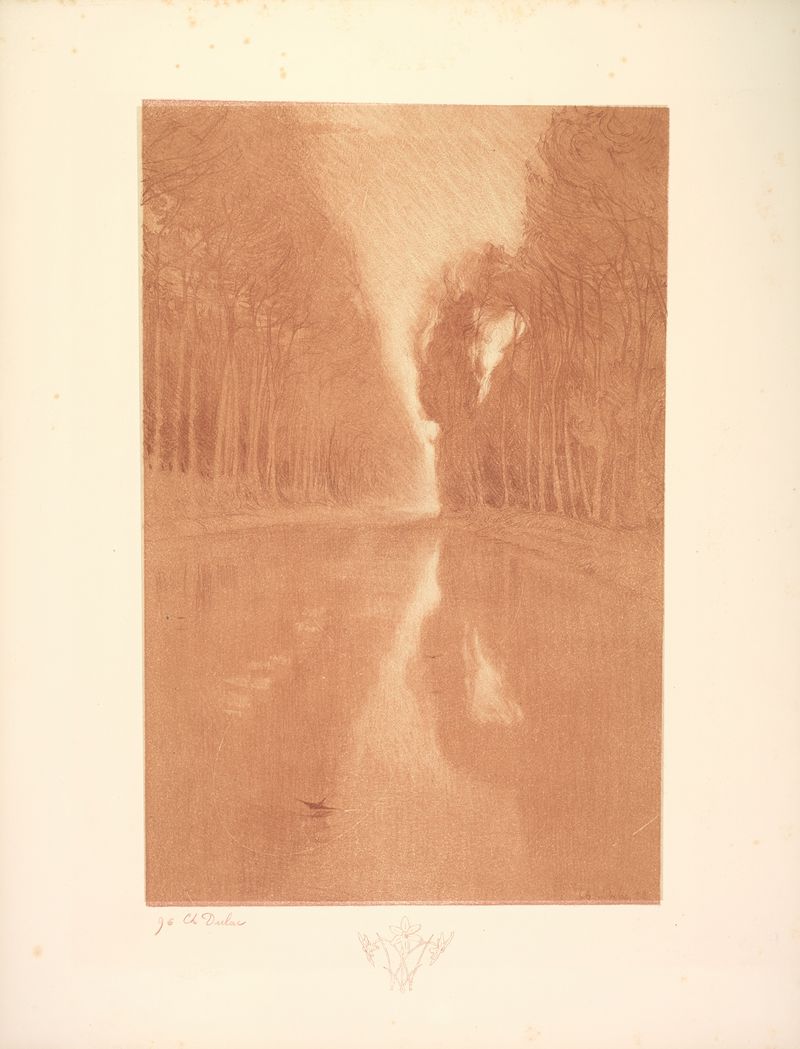
Landscape, Plate 2, Remarque, Starflowers
Charles Marie Dulac
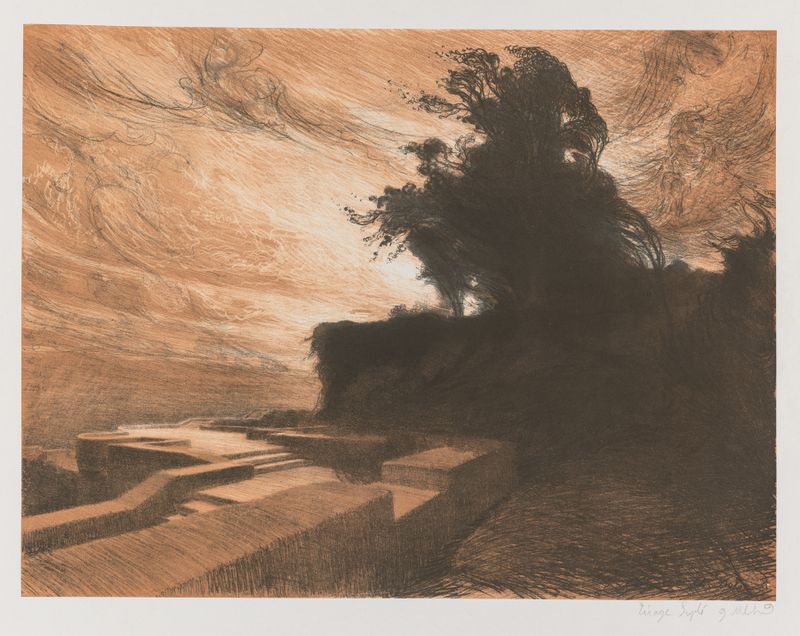
Hymn to Creation; Holy Spirit of God
Charles Marie Dulac