
B. Vautier – The Secret at the Well — History & Facts
In the heart of grief, we unearth memories that refuse to fade, capturing moments forever lost yet eternally cherished. Look closely at the figure in the foreground, a woman poised by the well, her flowing gown cascading like a lamenting whisper against the earth. Notice how the sunlight envelops her, casting intricate shadows that hint at the weight of her sorrow. The muted palette of blues and greens reflects the somber mood, while the well itself—deep and dark—serves as a visual metaphor for the depths of her heartache and the secrets tethered to her past. Delve deeper to discover subtle contrasts in her expression and posture.
While her eyes appear fixed on an unseen reality, her slightly turned stance suggests a readiness to confront what lurks beneath the surface. The water in the well ripples, echoing the turmoil in her soul, while the surrounding flora—lush yet restrained—mirrors the delicate balance between life and loss that she navigates. Each detail beckons the viewer to reflect on the hidden grief that resides in us all. In 1881, Theodor Gsell Fels created this poignant piece during a transformative era for art, marked by a burgeoning interest in emotional depth and personal narrative.
Living in Switzerland at the time, he sought to explore the human condition through his work, reflecting societal shifts and the introspective nature emerging in the art world. In The Secret at the Well, he captures the essence of that longing, inviting an intimate dialogue with the viewer about the burdens of memory and the solace of art.
More Artworks by Theodor Gsell Fels
Browse all →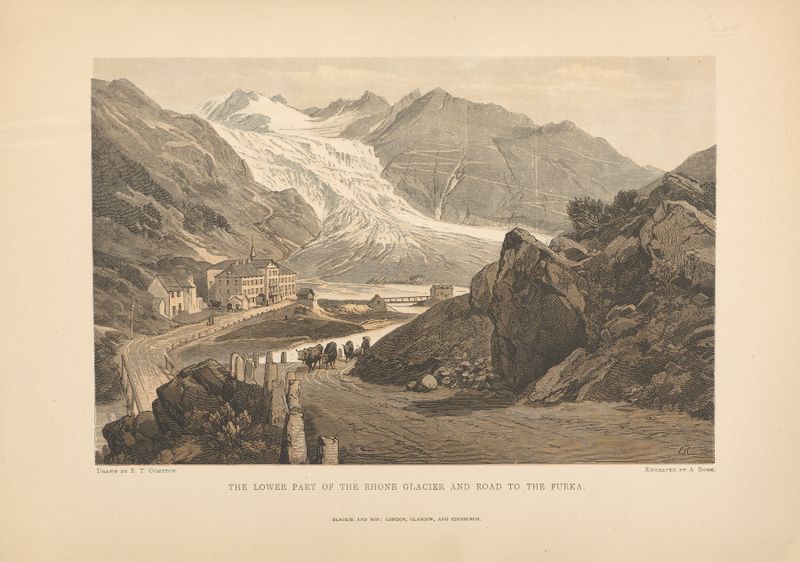
E. T. Compton – The Lower Part of the Rhone Glacier and Road to Furka
Theodor Gsell Fels

G. Closs – The Devil’s Bridge—St. Gothard Road, Schóllenen Gorge
Theodor Gsell Fels
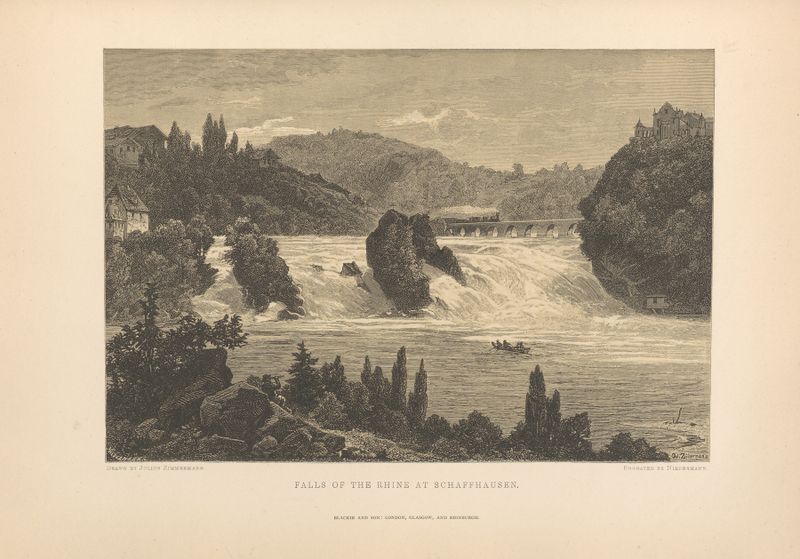
Julius Zimmermann – Falls of the Rhine at Schaffhausen
Theodor Gsell Fels
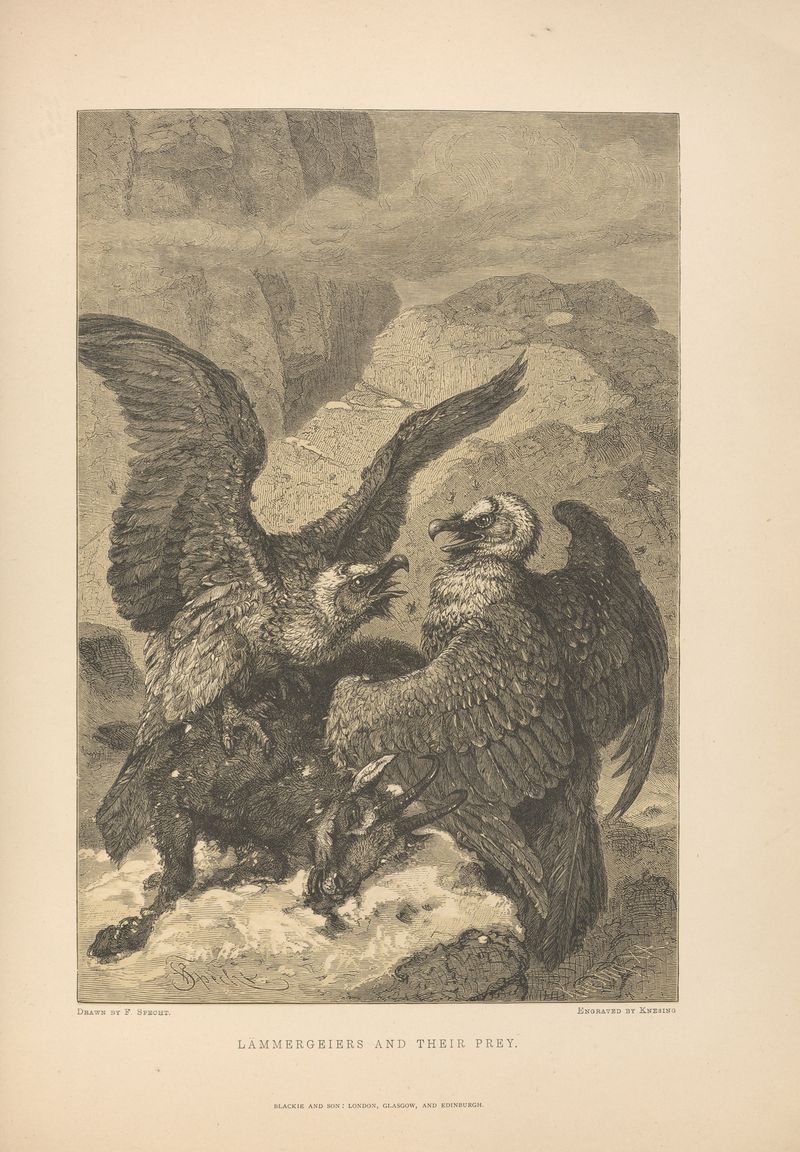
F. Specht – Lammergeiers and their Prey
Theodor Gsell Fels
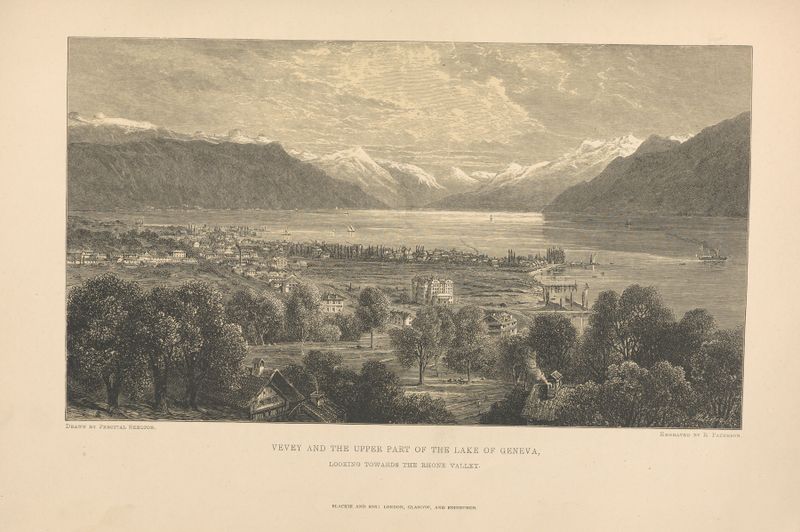
Percival Skelton – Vevay, and the Upper Part of the Lake of Geneva
Theodor Gsell Fels

E. T. Compton – The Jungfrau, and Opening of the Lauterbrunnen Valley
Theodor Gsell Fels

P. Weber – Departure of Steamer from Lucerne
Theodor Gsell Fels
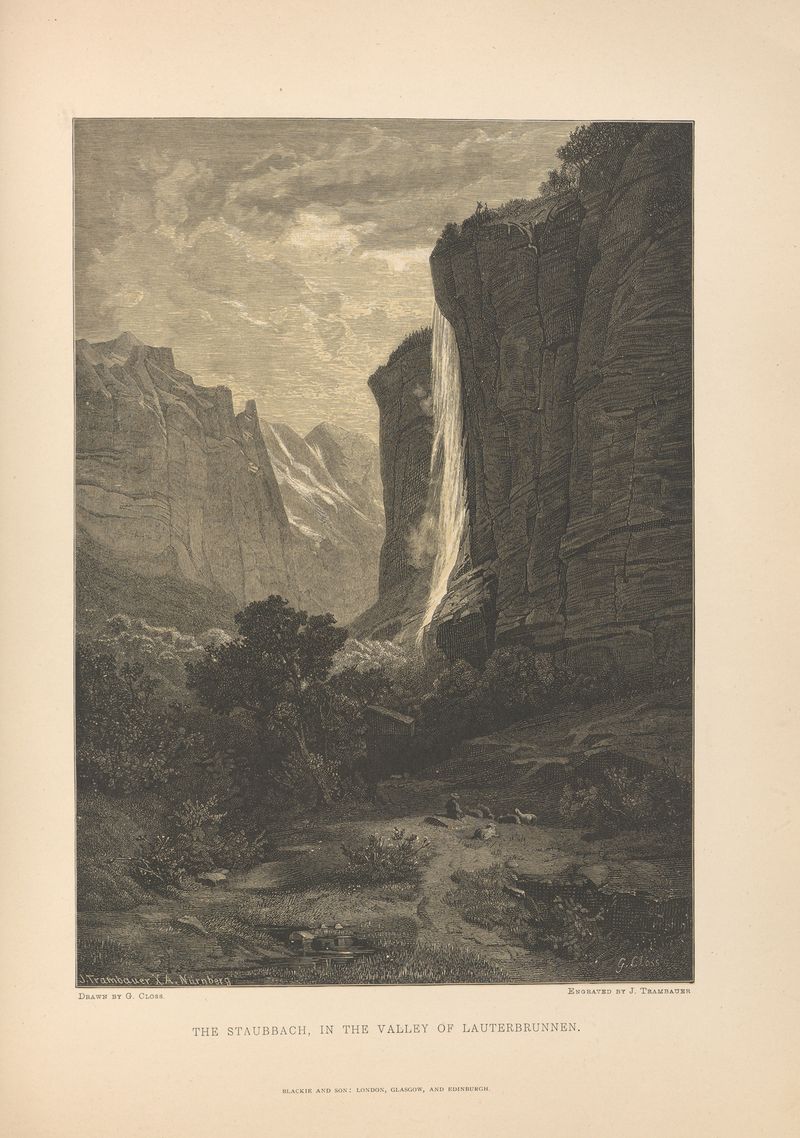
G. Closs – The Staubbach, in the Valley of Lauterbrunnen
Theodor Gsell Fels
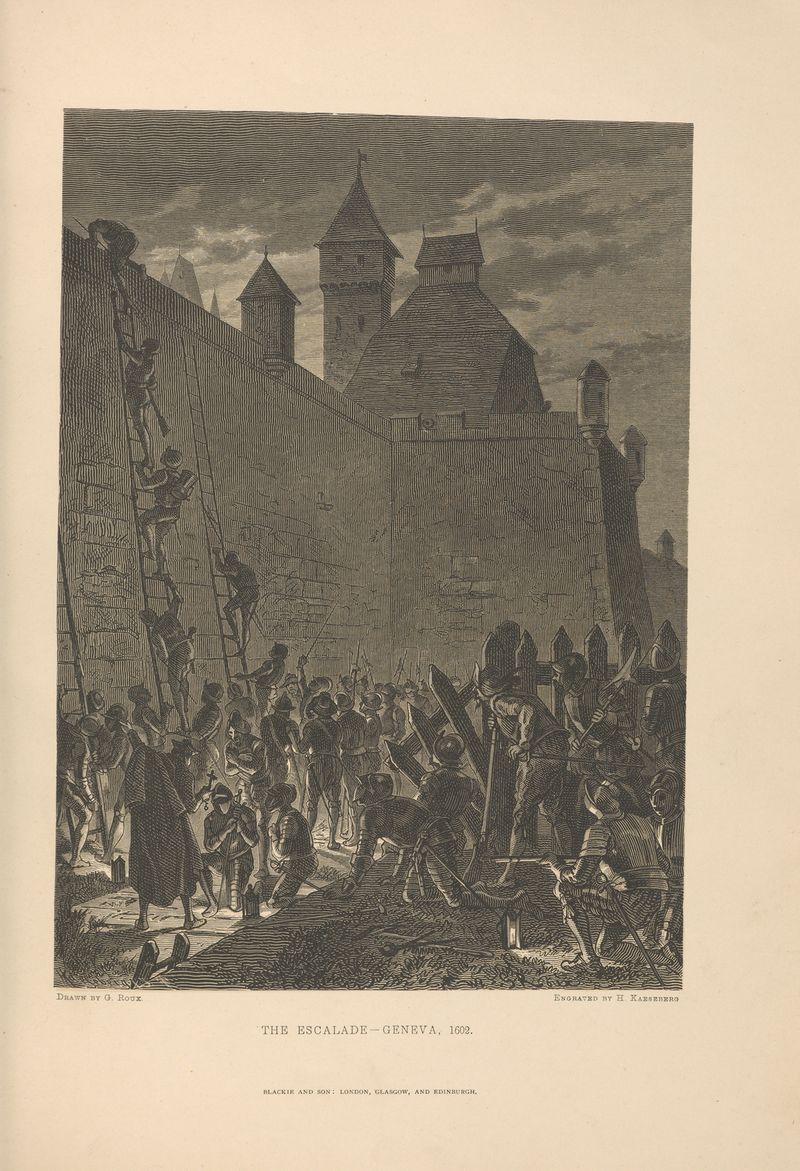
G. Roux – The Escalade, Geneva
Theodor Gsell Fels
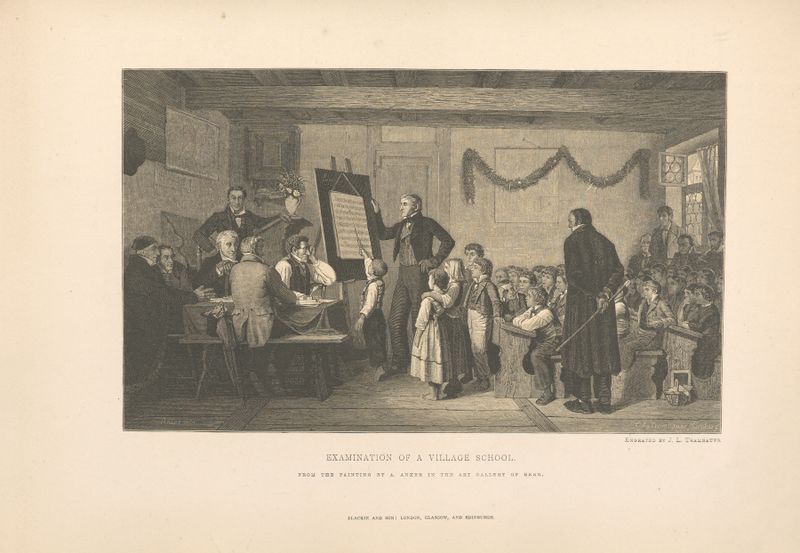
A. Anker – Examination of a Village School
Theodor Gsell Fels





