
Balaklava — History & Facts
What secret hides in the quiet of the canvas? In Carlo Bossoli's Balaklava, the stillness of the scene invites us to ponder the depths of faith nestled within its tranquil composition. Look to the left at the undulating hills, their earthy tones melding into the hazy horizon. The gentle play of light illuminates the valley below, where the small harbor cradles ships like dreams waiting to be realized. Notice how the brushwork captures the texture of the clouds — soft and voluminous — enhancing the atmosphere of serenity.
The composition is crafted with delicate precision, pulling the viewer's gaze towards the distant figures, mere silhouettes against the landscape, evoking both isolation and unity. Deeper insights reveal an emotional dichotomy nestled within the tranquility. The peacefulness of the scene contrasts sharply with the historical context of the Crimean War, which looms over the viewer's understanding. Each ship in the harbor carries the weight of uncertainty, suggesting a juxtaposition between the calm exterior and the turbulence of human conflict.
The soft palette of greens and blues seems to cradle a yearning for hope amidst the chaos, inviting contemplation on faith as a refuge. In 1857, Bossoli painted Balaklava while residing in Paris, amidst a burgeoning interest in capturing landscapes with a narrative essence. This period in his life was pivotal, as he transitioned from military service to an artistic career, often reflecting on the impact of war through serene landscapes. His works served as both documentation and meditation, encapsulating moments that speak to the human experience, even in the face of adversity.
More Artworks by Carlo Bossoli
Browse all →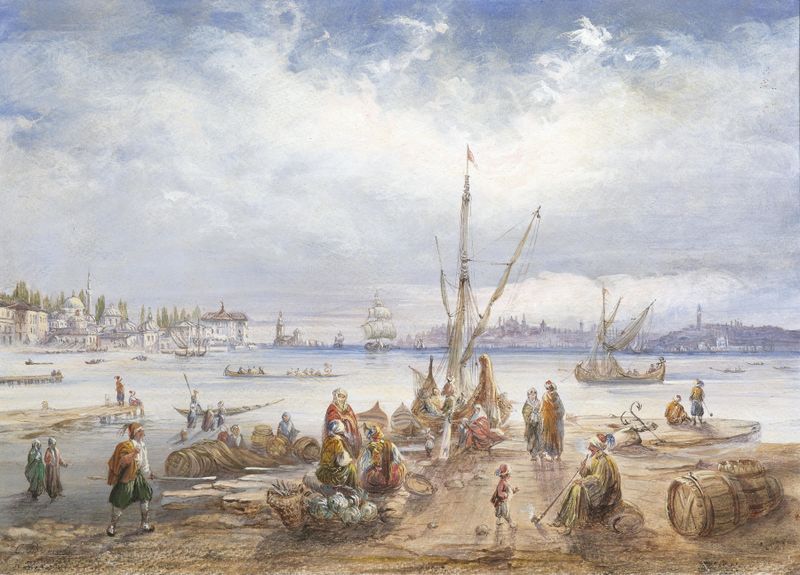
Blick auf Istanbul
Carlo Bossoli
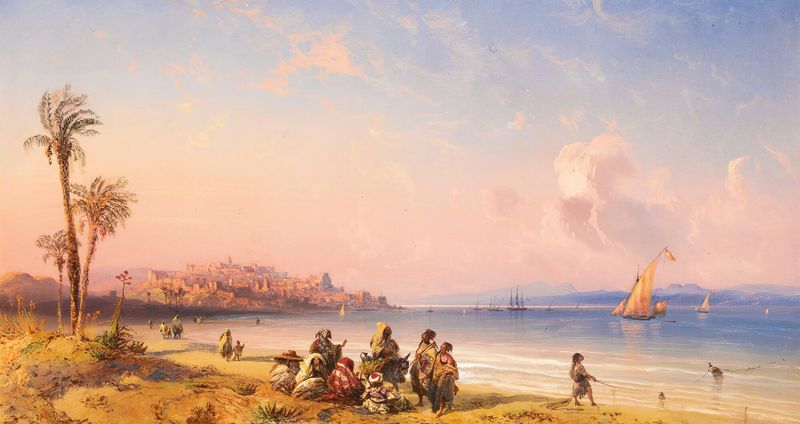
Ceuta
Carlo Bossoli
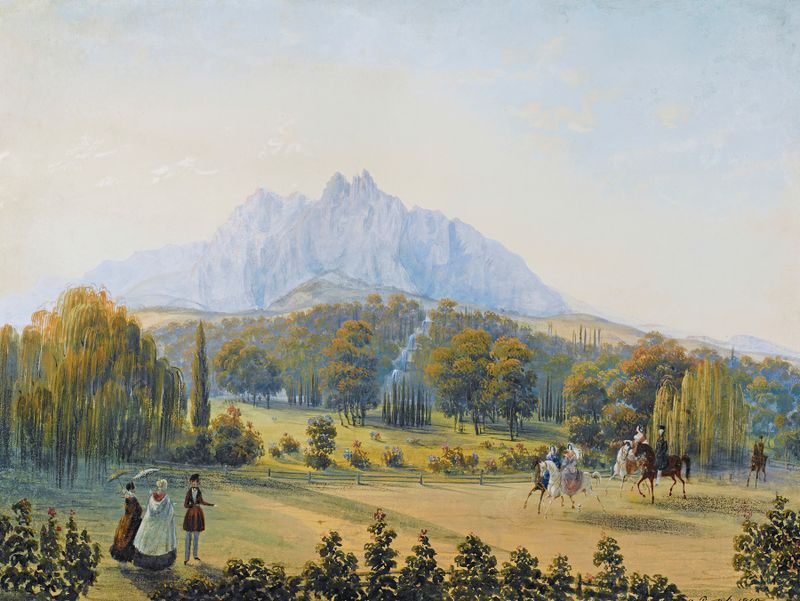
Seven Views Of Miskhor In The Crimea Vi
Carlo Bossoli
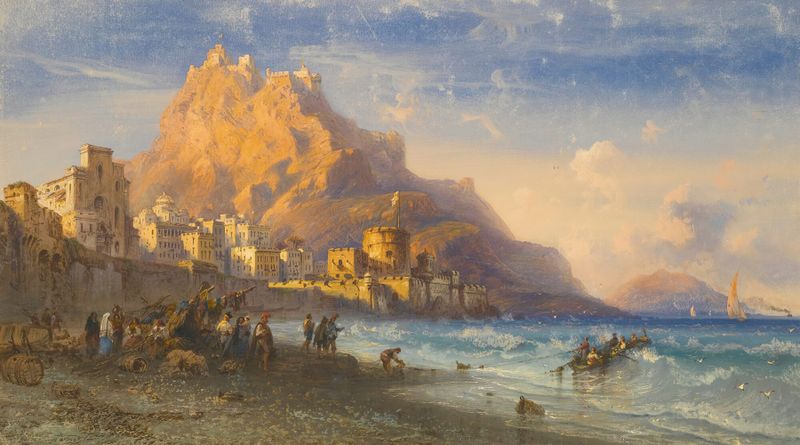
Coastal Landscape, Southern Italy
Carlo Bossoli
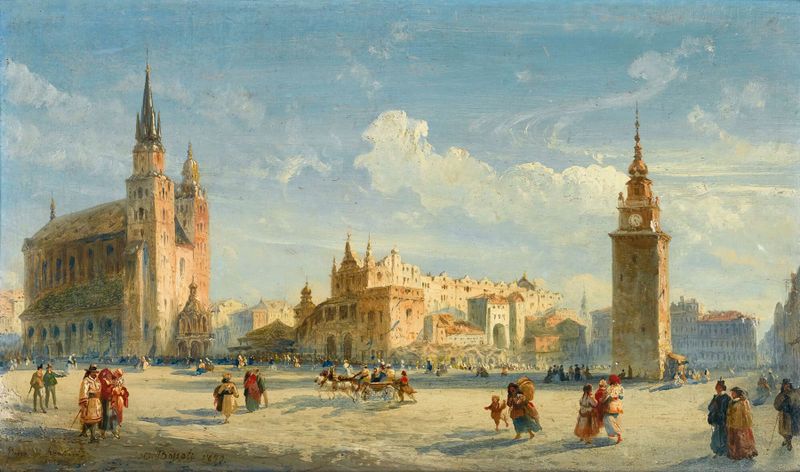
Mariacki square with the cloth hall, Cracow
Carlo Bossoli
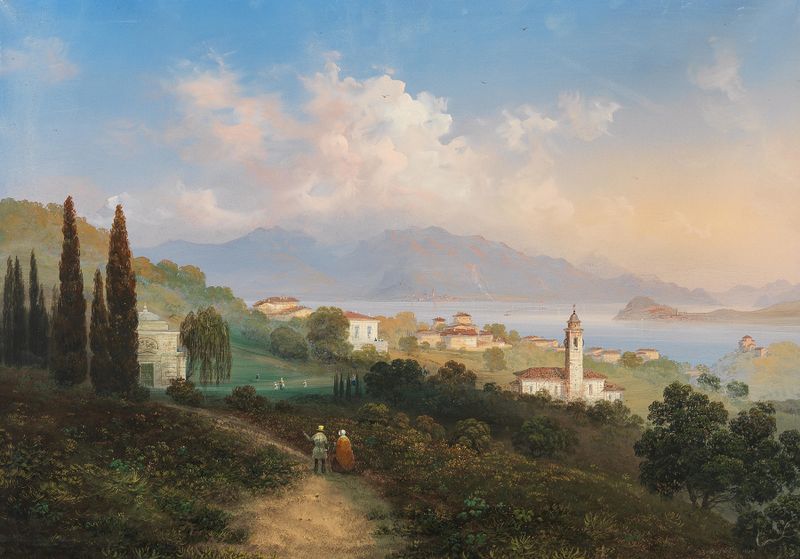
A View of Lake Como and Menaggio, with Punta di Bellagio on the Right
Carlo Bossoli
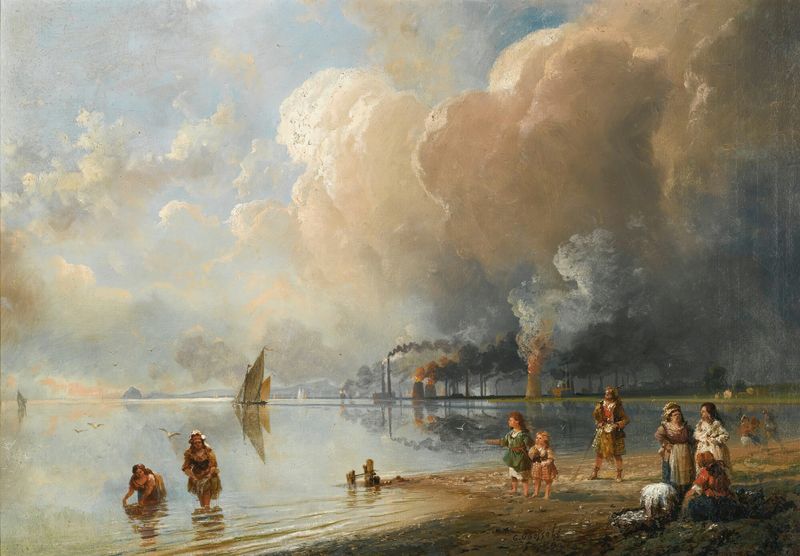
On the banks of the forth, Edinburgh
Carlo Bossoli
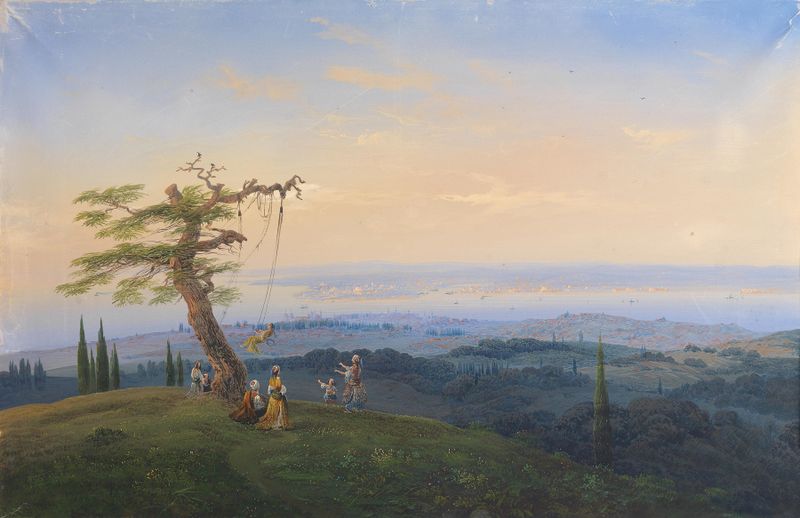
Abendliches Vergnügen vor den Toren Konstantinopels
Carlo Bossoli
View Of The Moscow Kremlin From Ustinsky Bridge
Carlo Bossoli
Paris Rue Saint Antoine
Carlo Bossoli





