
Mariacki square with the cloth hall, Cracow — History & Facts
Here, beneath the watchful eye of the heavens, the divine intertwines with the mundane, capturing moments that echo across time and space. Begin your exploration by directing your gaze to the left, where the magnificent Cloth Hall soars against a backdrop of soft, cerulean skies. The warm hues of ochre and gold bring an ethereal glow to the stone architecture, while the intricate details of the building's facade invite you to linger. Look closely at the figures strolling leisurely in the square, their gestures and postures a dance of everyday life.
Each brushstroke adds layers of vibrancy, embodying the pulse of Cracow in a moment both serene and dynamic. As you delve deeper, consider the interplay of light and shadow. The sun casts gentle rays that illuminate the square, creating a tapestry of contrasts—between the animated life of the townsfolk and the steadfastness of the historic structure. This juxtaposition evokes a tension between the temporality of human existence and the eternal nature of architectural beauty.
The artist subtly infuses a sense of divinity into the scene, suggesting that even the most ordinary moments are touched by the extraordinary. Carlo Bossoli painted this work in 1872, during a time when Europe was experiencing significant political shifts and artistic revolutions. Immersed in the vibrant culture of 19th-century Cracow, he sought to capture the essence of its spirit and heritage. His depiction not only celebrates the city’s architectural marvels but also reflects a broader longing for cultural identity amidst the rapid changes of the era.
More Artworks by Carlo Bossoli
Browse all →
Blick auf Istanbul
Carlo Bossoli
Ceuta
Carlo Bossoli
Seven Views Of Miskhor In The Crimea Vi
Carlo Bossoli
Coastal Landscape, Southern Italy
Carlo Bossoli
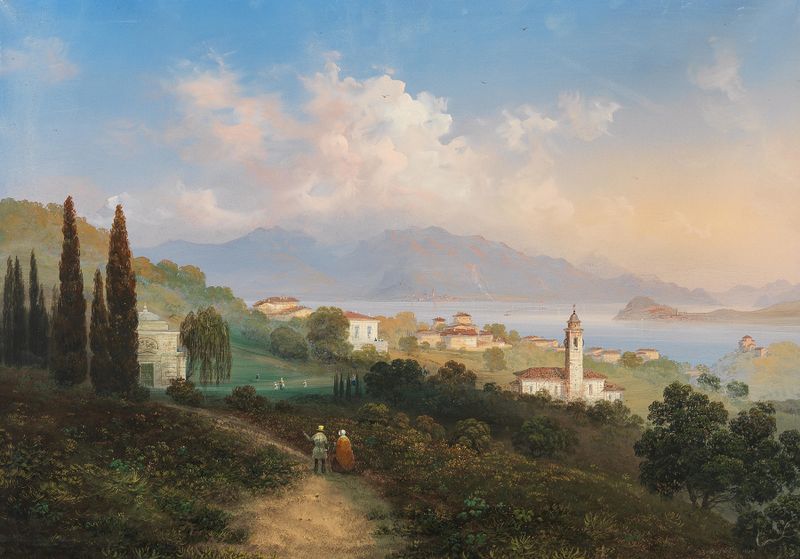
A View of Lake Como and Menaggio, with Punta di Bellagio on the Right
Carlo Bossoli
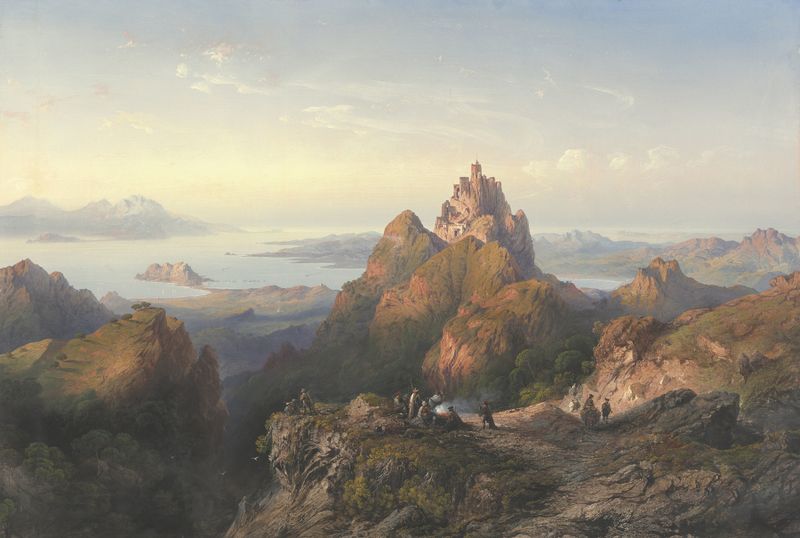
Balaklava
Carlo Bossoli
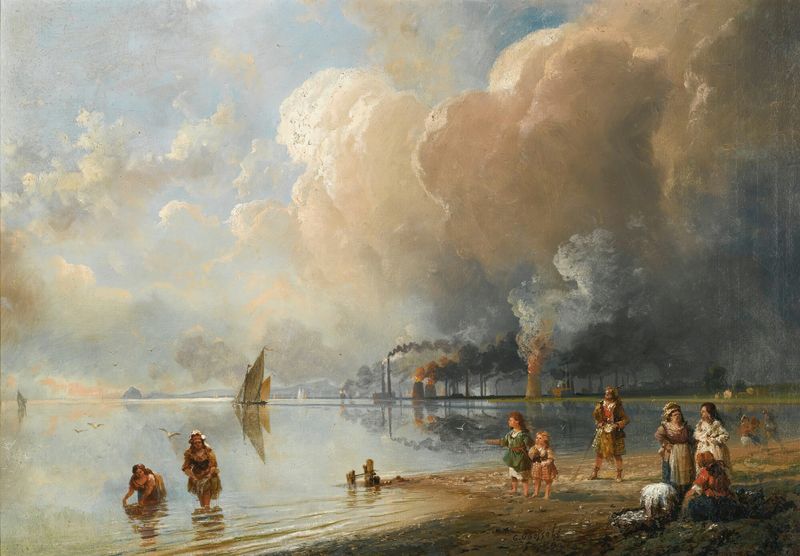
On the banks of the forth, Edinburgh
Carlo Bossoli
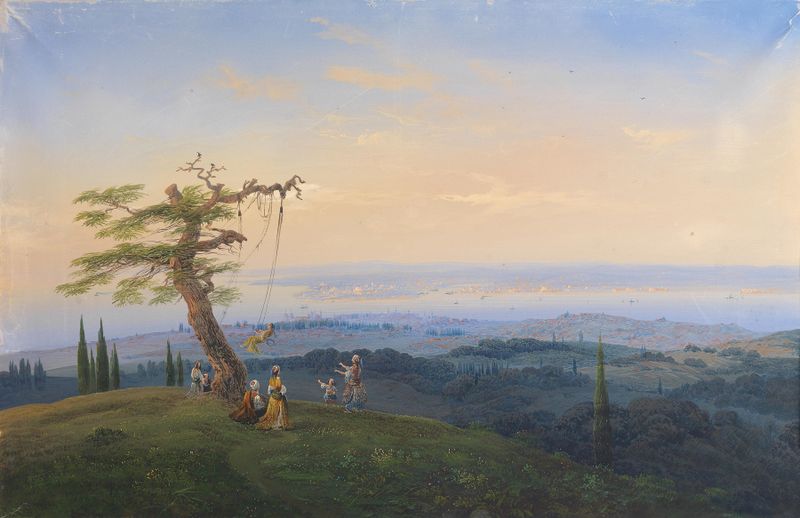
Abendliches Vergnügen vor den Toren Konstantinopels
Carlo Bossoli
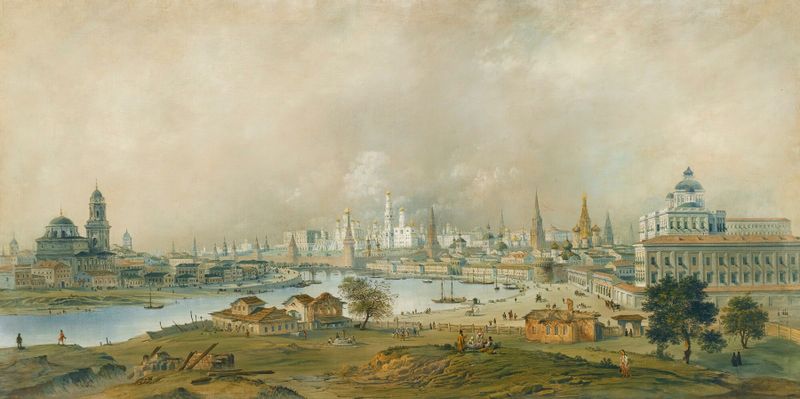
View Of The Moscow Kremlin From Ustinsky Bridge
Carlo Bossoli
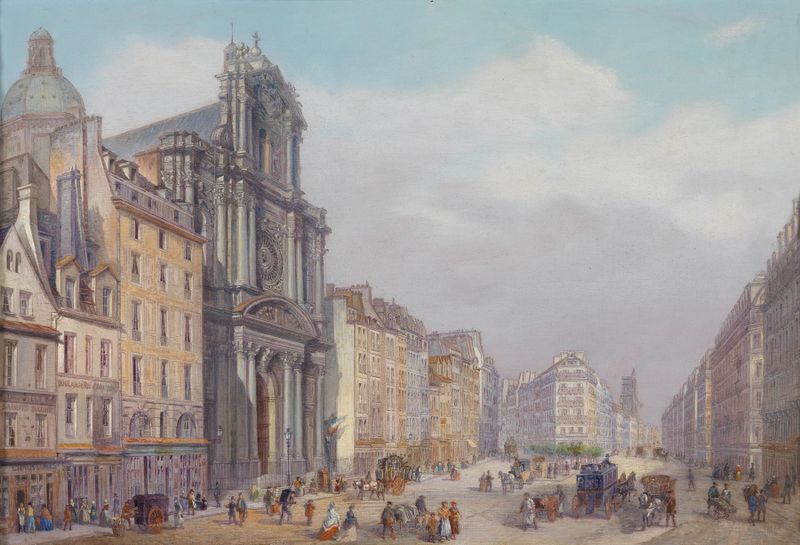
Paris Rue Saint Antoine
Carlo Bossoli
More Architecture Art
Browse all →
The statue of Liberty
Frédéric Auguste Bartholdi

View of Houses in Delft, Known as ‘The Little Street’
Johannes Vermeer

View of Houses in Delft, Known as ‘The Little Street’
Johannes Vermeer

The Cathedral in Rouen. The portal, Grey Weather
Claude Monet

The yellow house
Vincent van Gogh

The Church in Auvers-sur-Oise, View from the Chevet
Vincent van Gogh