
Ceuta — History & Facts
When did color learn to lie? In a world where vibrant hues pulse with life, we often forget the shadows they cast—shadows that whisper of mortality beneath their shimmering surface. Look to the center of the canvas, where the azure waters stretch into the horizon, inviting yet foreboding. Notice how the light dances on the waves, a brilliant play of blues and whites, drawing your gaze to the distant shoreline of Ceuta, its contours soft but resolute. The meticulous brushwork captures not only the serene beauty of the landscape but also the intricacies of human endeavor—the sails of ships dotting the water, a reminder of life’s transient journey. In this piece, the juxtaposition of the lively sea against the solitary figure on the shore reveals deeper narratives.
The solitary figure, nearly swallowed by the vastness, embodies a poignant contrast between isolation and connection, a silent witness to the unending cycle of life and death. The vibrant colors, while enchanting, evoke an unsettling tension; they suggest that beauty can mask deeper truths, reminding us that every moment is fleeting, every breath a soft echo of what will be lost. Carlo Bossoli painted this work during the mid-19th century, a period marked by a growing fascination with landscape and the sublime in art. As Europe grappled with the changes brought by industrialization, Bossoli found inspiration in the natural beauty of places like Ceuta, capturing its essence while navigating personal challenges as an artist.
His exploration of light, color, and form was both a reflection of his time and a timeless meditation on existence itself.
More Artworks by Carlo Bossoli
Browse all →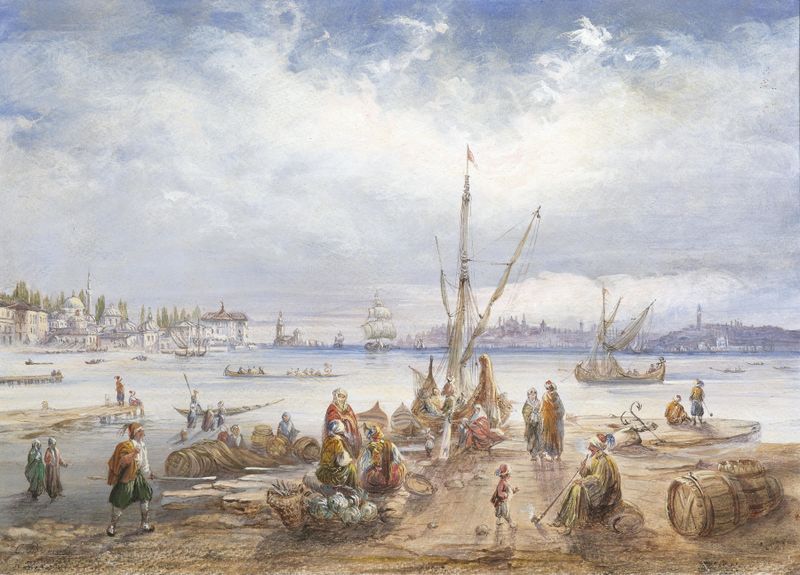
Blick auf Istanbul
Carlo Bossoli
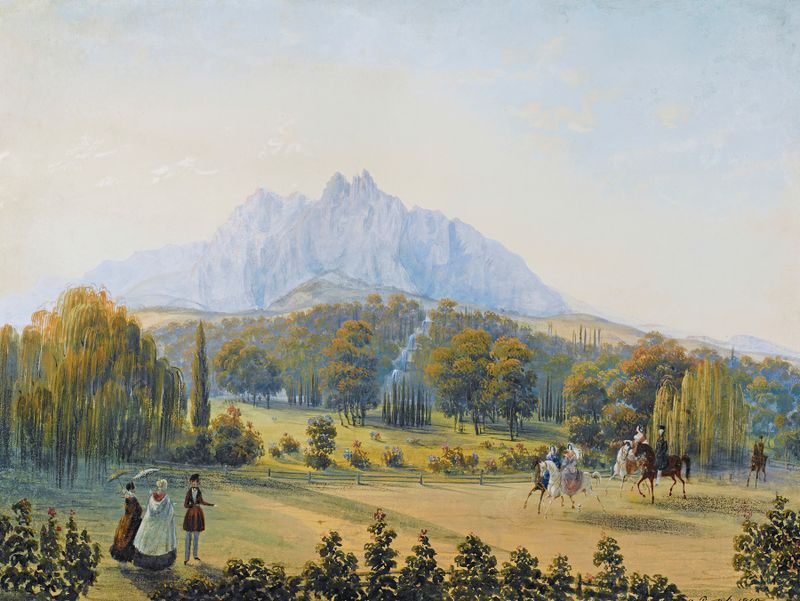
Seven Views Of Miskhor In The Crimea Vi
Carlo Bossoli
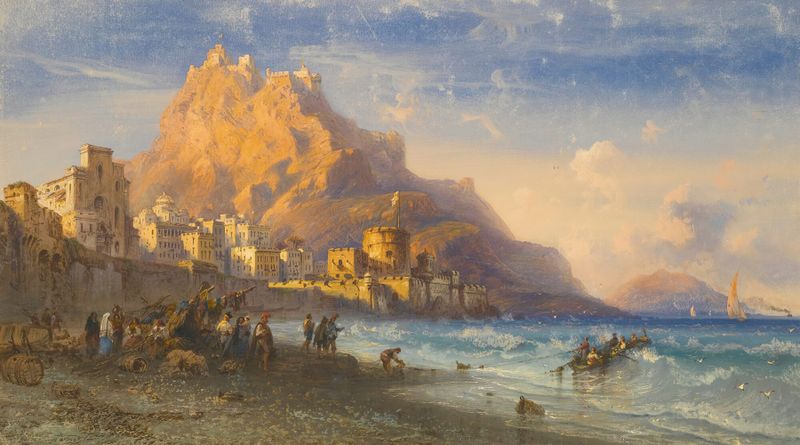
Coastal Landscape, Southern Italy
Carlo Bossoli
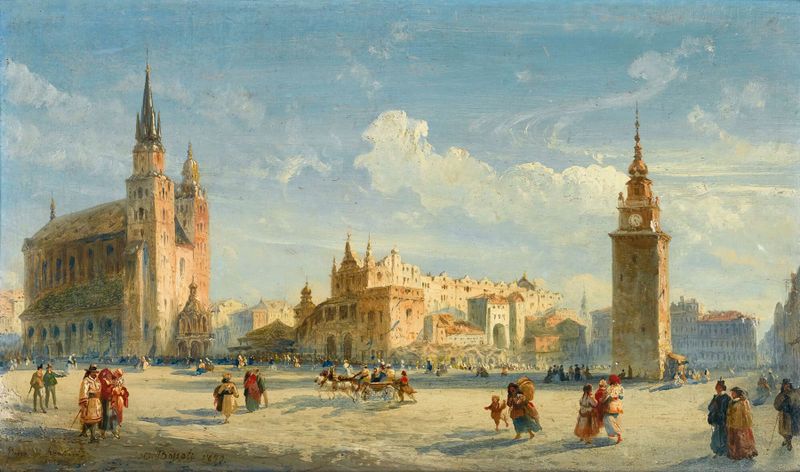
Mariacki square with the cloth hall, Cracow
Carlo Bossoli
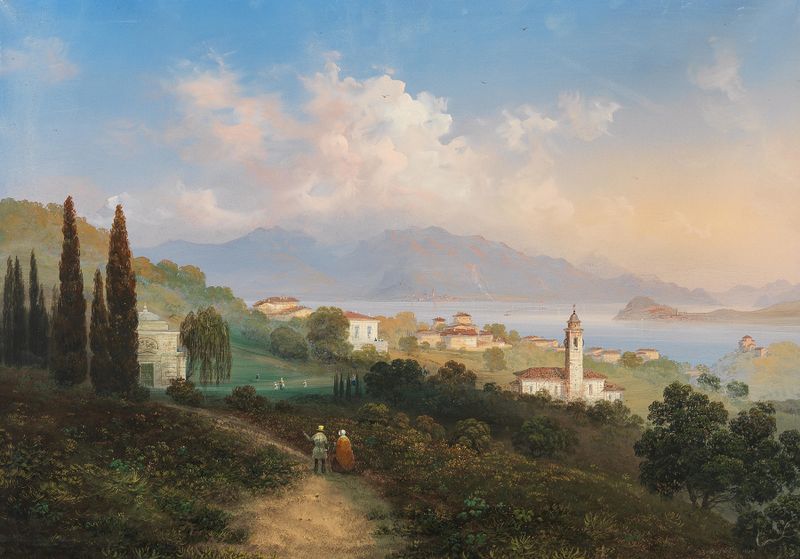
A View of Lake Como and Menaggio, with Punta di Bellagio on the Right
Carlo Bossoli
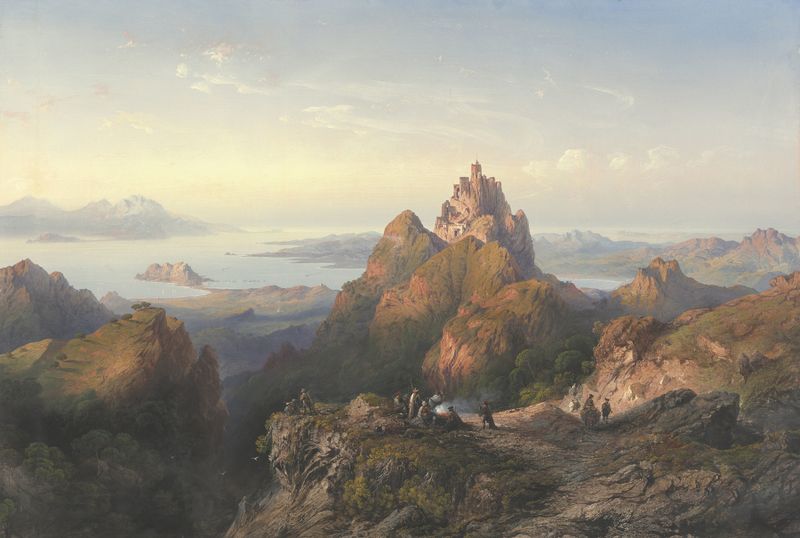
Balaklava
Carlo Bossoli
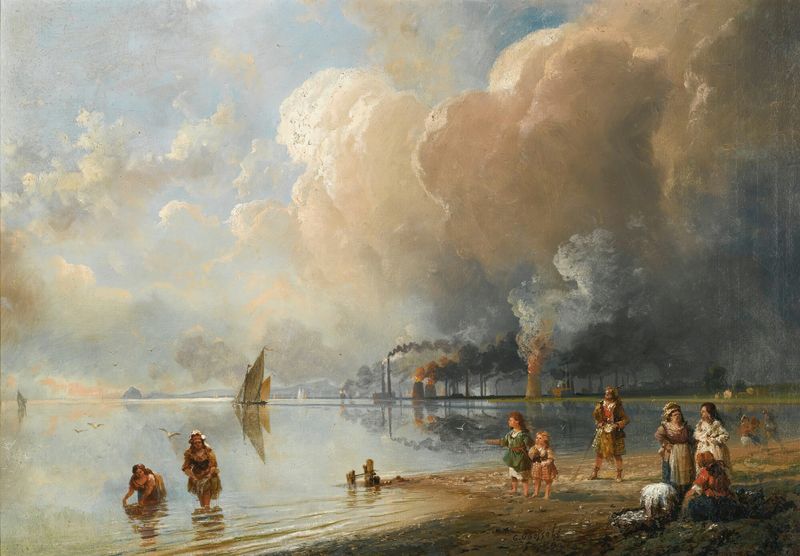
On the banks of the forth, Edinburgh
Carlo Bossoli
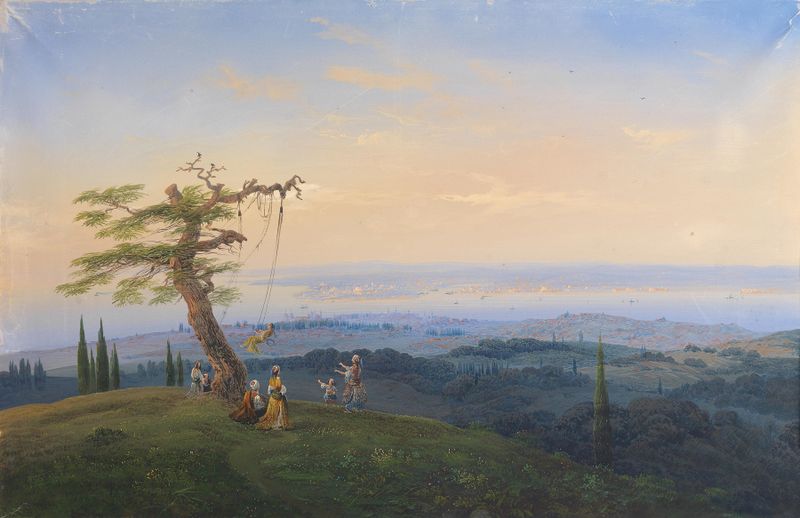
Abendliches Vergnügen vor den Toren Konstantinopels
Carlo Bossoli
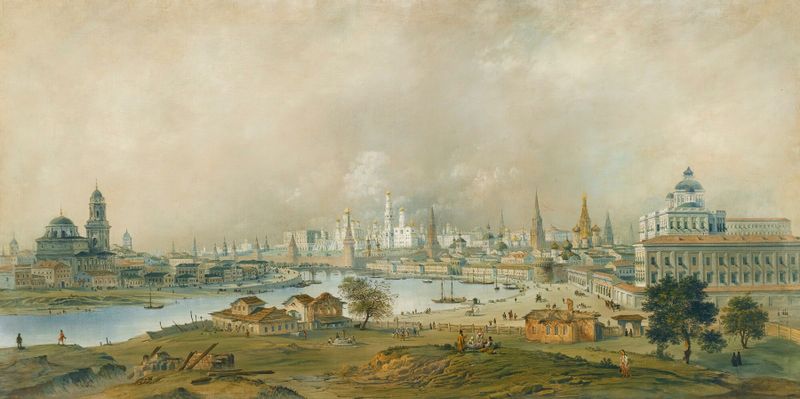
View Of The Moscow Kremlin From Ustinsky Bridge
Carlo Bossoli
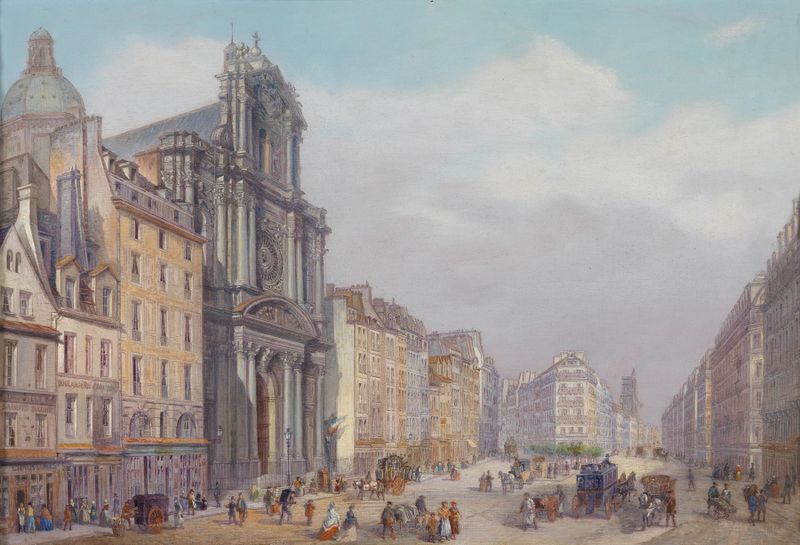
Paris Rue Saint Antoine
Carlo Bossoli





