
Bank of the Thames — History & Facts
In the world of landscapes, few capture the ecstasy of nature's harmony quite like this work from the late 19th century. It beckons the viewer to explore its depths, revealing serene beauty wrapped in subtle complexities. Look to the foreground where the riverbank meets the gentle flow of the Thames. Notice how the light dances upon the water's surface, reflecting golden hues that contrast the cool blues of the shadows nearby.
The artist’s deft brushstrokes create a tapestry of lush greenery, with every leaf and blade of grass painted with care. The composition draws your eye towards the horizon, where ethereal clouds breathe life into the sky, imparting a sense of tranquillity and expansive freedom. Delving deeper, one can sense an underlying tension between stillness and movement. The figures in the distance seem almost like dreamers caught in reverie, their presence hinting at human stories intertwined with nature’s grandeur.
The interplay of light and shadow suggests the passage of time—moments frozen yet fluid, evoking a bittersweet nostalgia for both the past and future. This duality enhances the profound experience of the piece, inviting contemplation on the fleeting yet eternal nature of beauty. Created in 1869, this painting emerged during a transformative period for its creator, who was exploring his unique voice within the realism movement. Living in France while often inspired by the English landscape, he embraced natural light and color with a fresh perspective, reflecting broader shifts in art that sought to captivate the essence of the modern world.
It was a time when artists were increasingly drawn to the interplay between man and nature, and this work stands as a testament to that evolving narrative.
More Artworks by Maxime Lalanne
Browse all →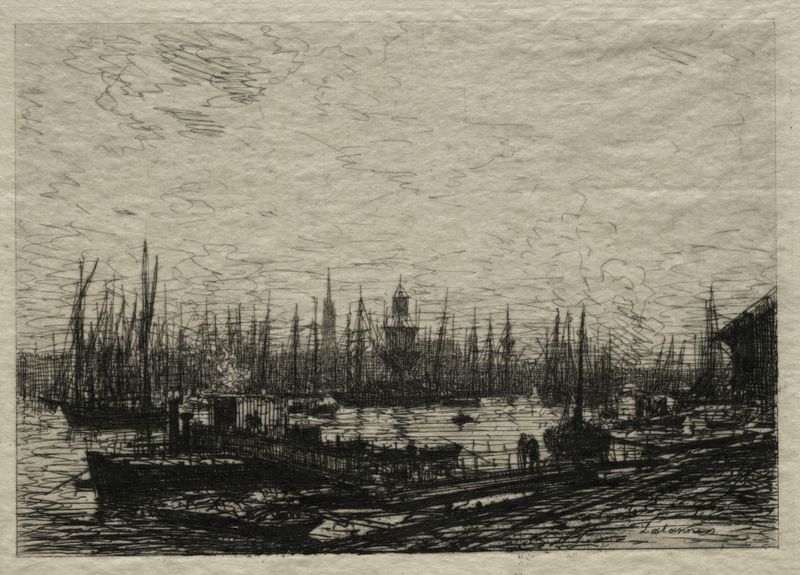
In the Bordeaux Harbor
Maxime Lalanne
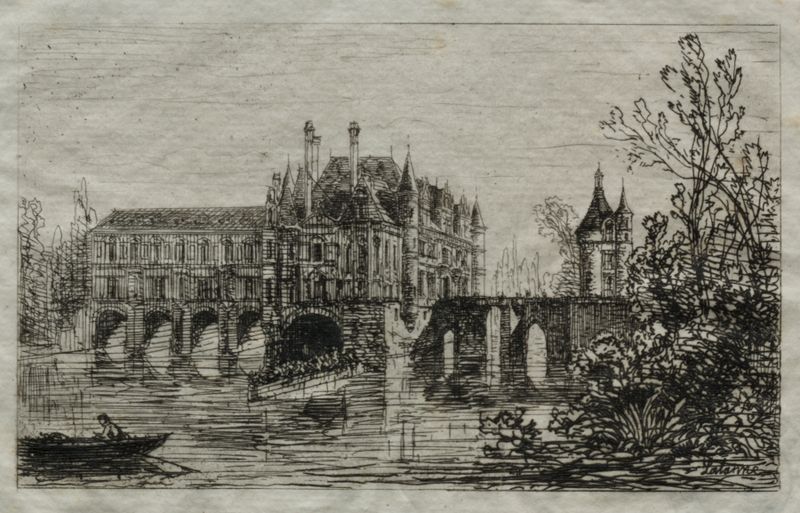
Château de Chenonceau
Maxime Lalanne
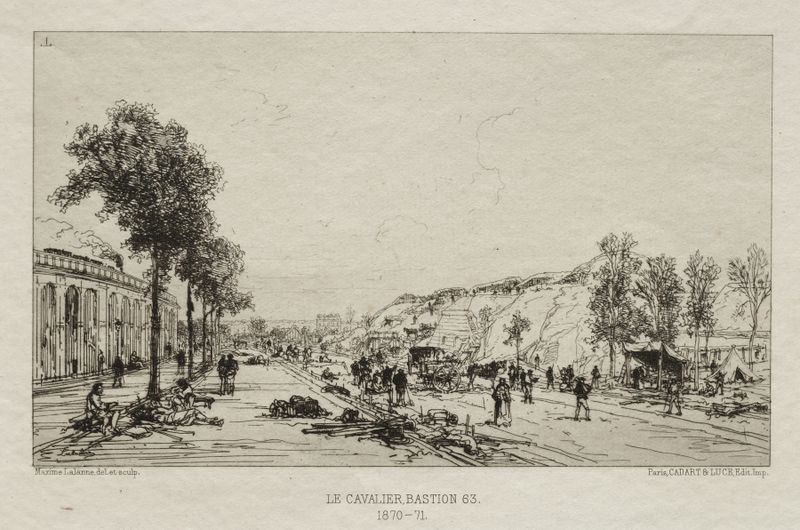
Souvenirs artistiques du Siège de Paris; Le Cavalie (Bastion 63)
Maxime Lalanne
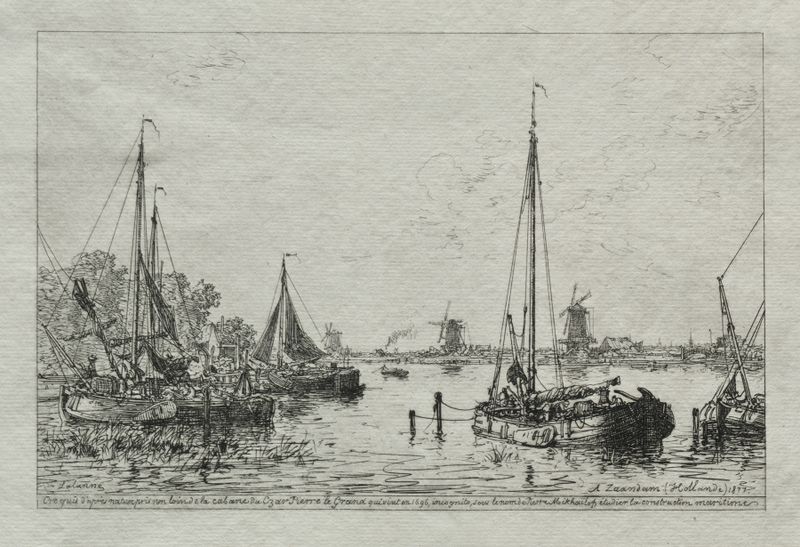
Sketch from Nature
Maxime Lalanne
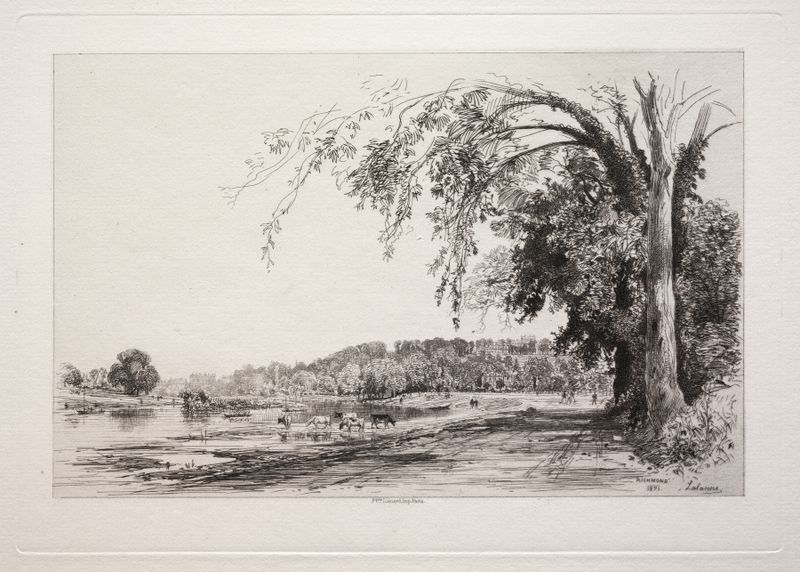
Richmond
Maxime Lalanne
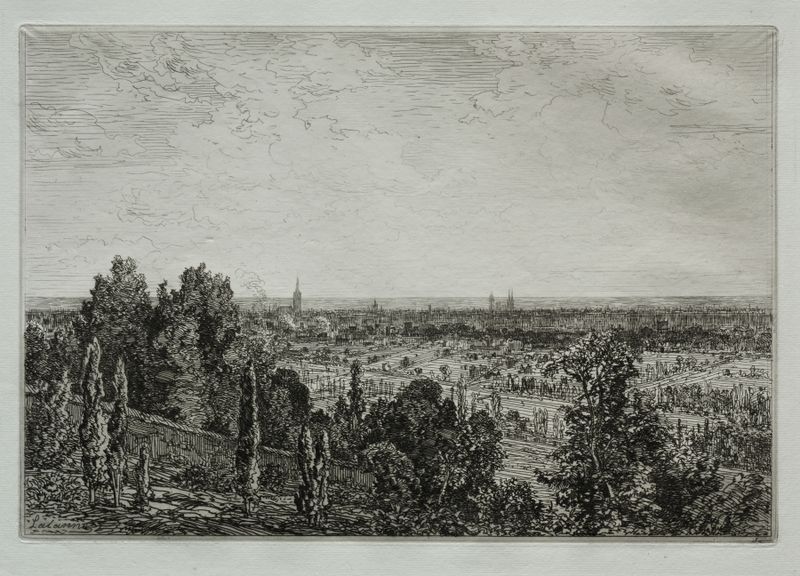
Bordeaux, View from the Coast of Cénon
Maxime Lalanne
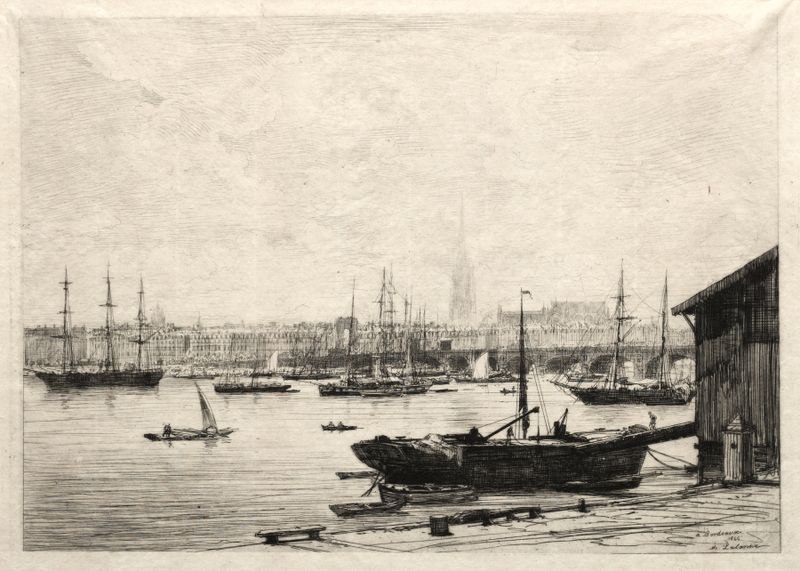
Bordeaux
Maxime Lalanne
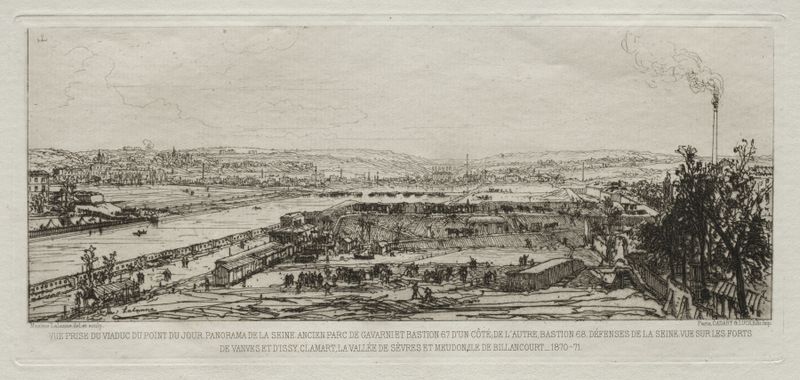
View from the Viaduct at the Pont-du-Jour, Panorama de la Seine
Maxime Lalanne
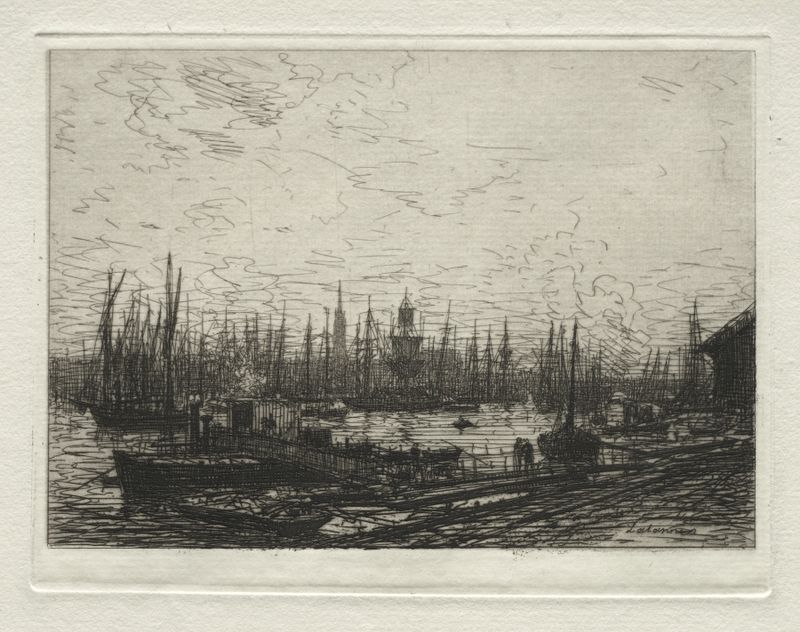
Port of Bordeaux
Maxime Lalanne
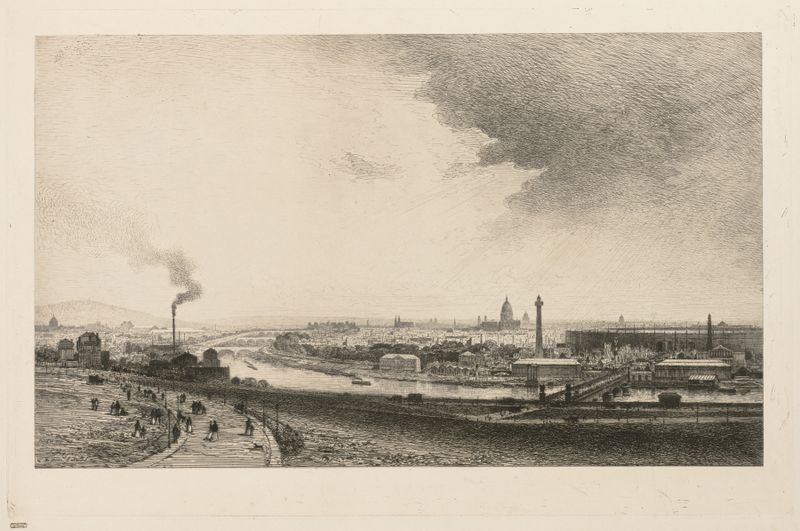
On the Seine
Maxime Lalanne





