
Souvenirs artistiques du Siège de Paris; Le Cavalie (Bastion 63) — History & Facts
Can beauty exist without sorrow? This poignant question hangs in the air, beckoning viewers to ponder the delicate balance between joy and pain found within art. Look closely at the foreground, where the intricate lines of the etching reveal a solitary figure against the backdrop of a besieged Paris. The soft strokes of black ink dance across the paper, drawing your eye to the haunting remnants of a city under siege, each line a testament to resilience amid despair. Notice how the play of light emphasizes the contours of the bastion, mirroring the somber mood of the scene. Beneath the surface, the work resonates with hidden meanings.
The solitary figure, perhaps a soldier or a civilian, embodies both hope and despair, encapsulating the emotional turmoil of the siege. The fortifications loom large, representing not just physical barriers but also the psychological walls erected during times of conflict. The contrast between the stark, somber setting and the delicate artistry captures the essence of survival amidst chaos, evoking a sense of awakening in the viewer. Created during the tumultuous period of the Franco-Prussian War, this work reflects Maxime Lalanne’s experiences as Paris endured its siege from September 1870 to January 1871.
At this time, the artist was immersed in the realities of war, witnessing the profound effects it had on his beloved city. His etching serves as a historical document, yet it transcends mere representation, inviting reflection on the interplay of beauty, suffering, and resilience.
More Artworks by Maxime Lalanne
Browse all →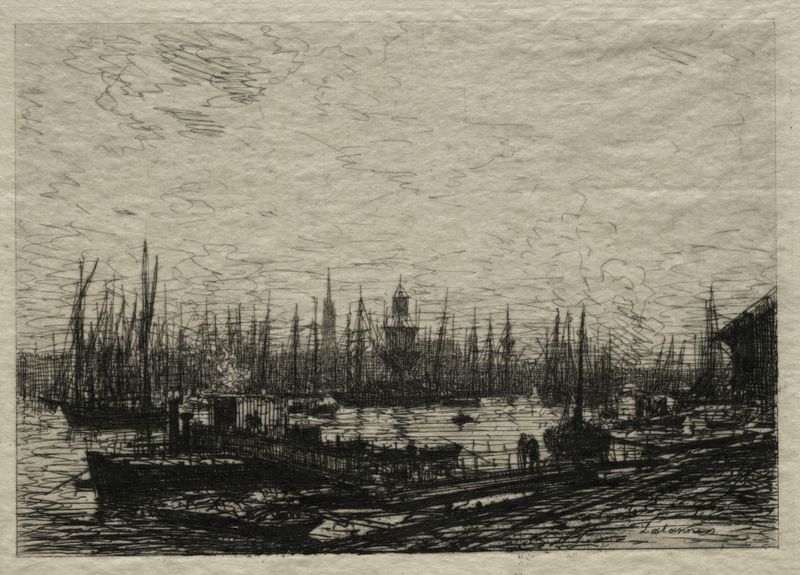
In the Bordeaux Harbor
Maxime Lalanne
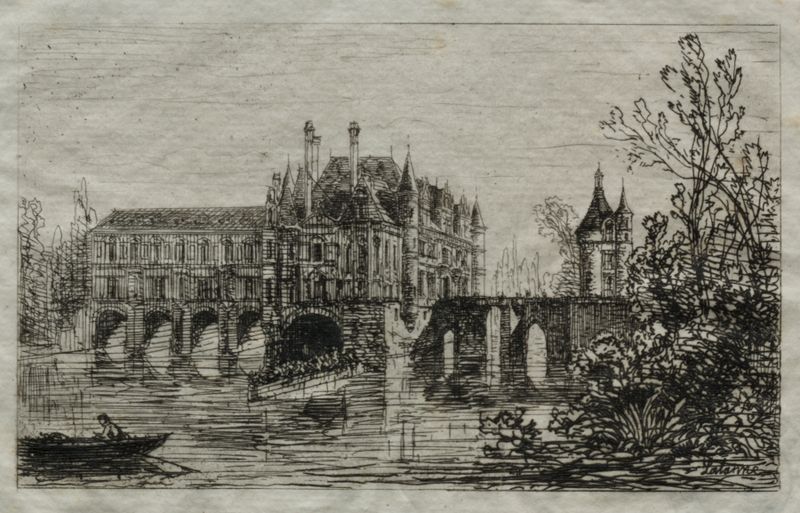
Château de Chenonceau
Maxime Lalanne
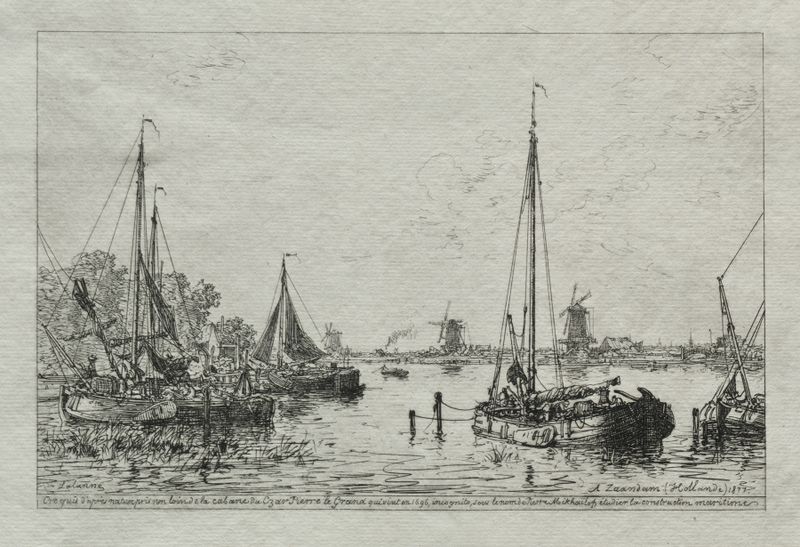
Sketch from Nature
Maxime Lalanne
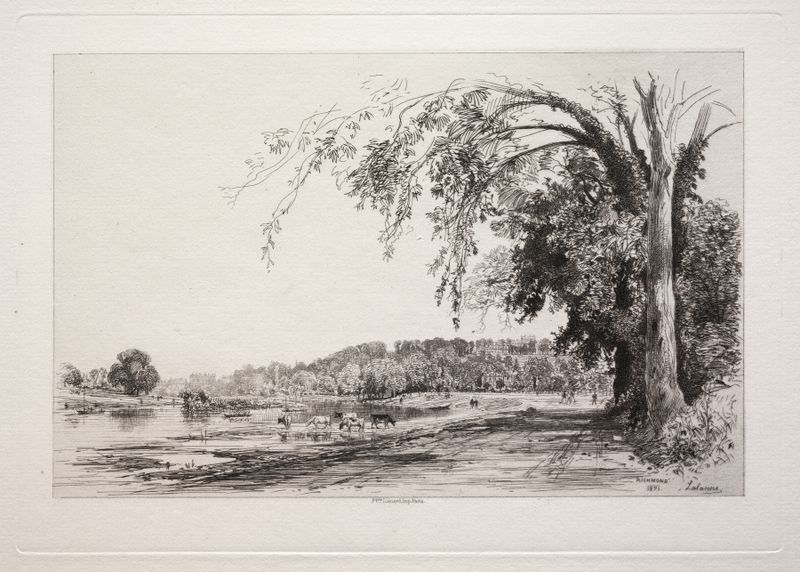
Richmond
Maxime Lalanne
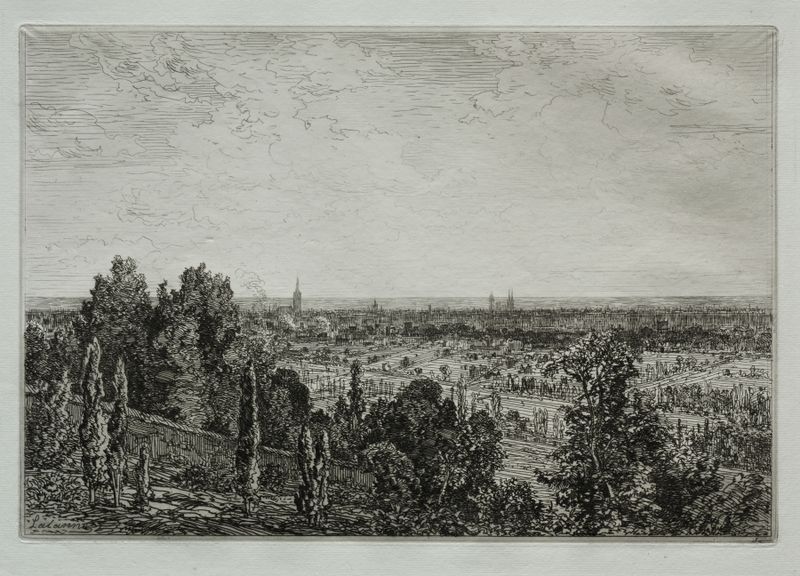
Bordeaux, View from the Coast of Cénon
Maxime Lalanne
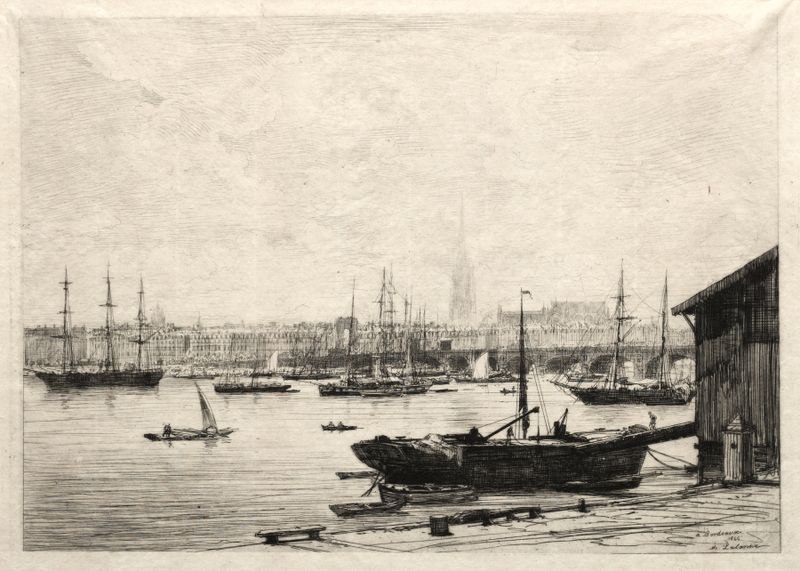
Bordeaux
Maxime Lalanne
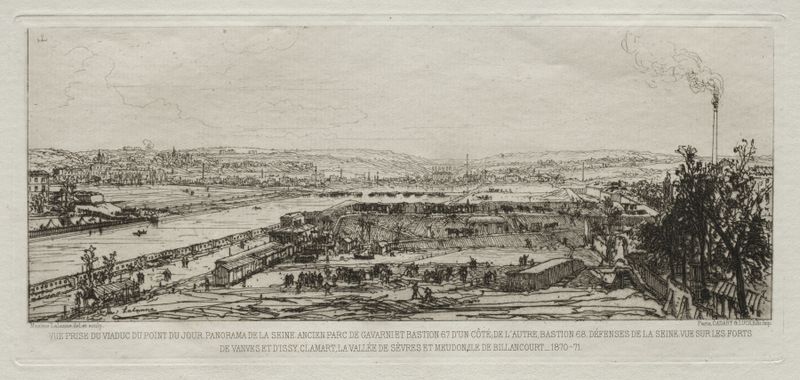
View from the Viaduct at the Pont-du-Jour, Panorama de la Seine
Maxime Lalanne
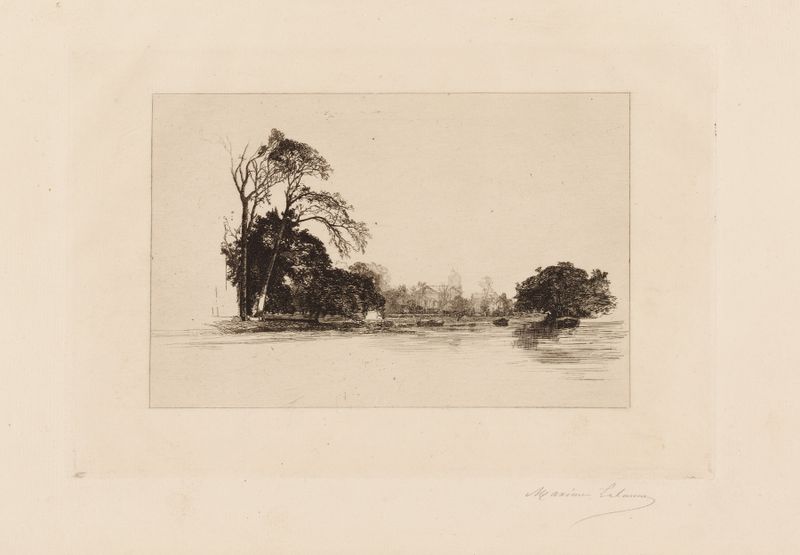
Bank of the Thames
Maxime Lalanne
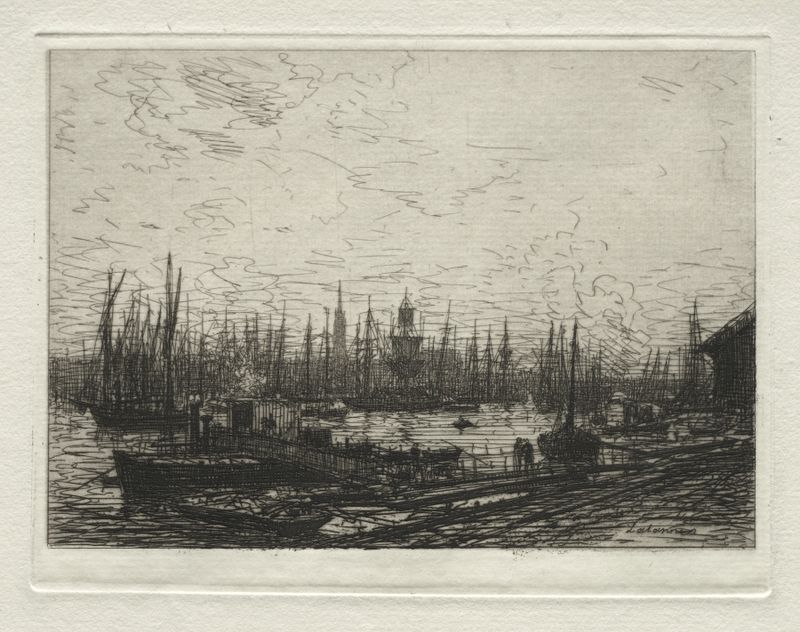
Port of Bordeaux
Maxime Lalanne
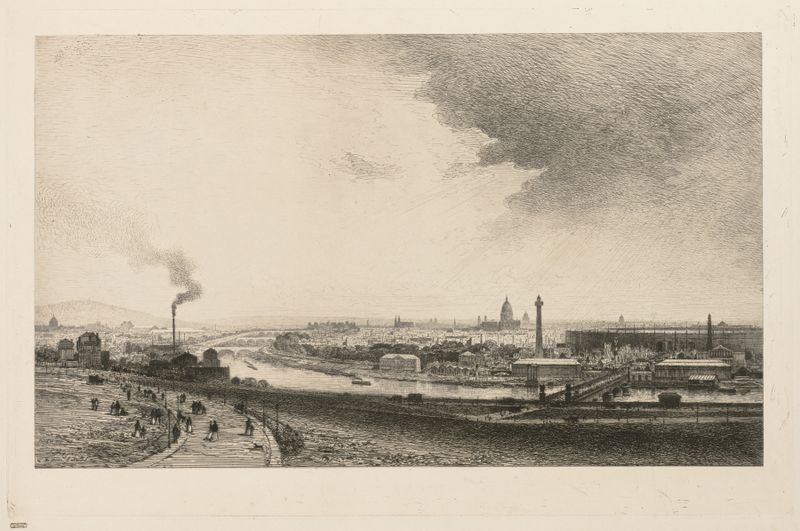
On the Seine
Maxime Lalanne
More Historical Art
Browse all →
The Night Watch Militia Company of District II under the Command of Captain Frans Banninck Cocq
Rembrandt van Rijn

Lincoln Memorial
Henry Bacon

The Third of May 1808
Francisco de Goya

Isaac and Rebecca, Known as ‘The Jewish Bride’
Rembrandt van Rijn

The Charge of the Mamelukes (1814)
Francisco de Goya

De vier ruiters van de apocalyps
Albrecht Dürer