
Château de Chenonceau — History & Facts
When did color learn to lie? In the intricate strokes and muted palettes of Château de Chenonceau, the veil of reality blurs, inviting viewers to contemplate the depths of perception and artifice. Look to the center of the canvas where the grand architecture of the château stands majestically above the still waters. The artist’s meticulous attention to detail reveals the textured stones and soft reflections mirrored in the river below. Notice how the cool gray palette, punctuated by subtle greens and earthy tones, creates a serene yet haunting atmosphere, evoking a sense of nostalgia for a time long past.
The composition is thoughtfully balanced, leading the eye through the architectural wonder and its harmonious surroundings. In the interplay of light and shadow, there lies an emotional tension that speaks to the nature of memory and history. The château seems both a sanctuary and a specter, representing the duality of beauty and impermanence. Small touches, like the gentle ripple in the water and the distant trees framing the structure, hint at the transitory quality of life, while the grand edifice remains ever steadfast—a testament to human ambition entwined with the ravages of time. Maxime Lalanne created this work in 1865 during a period of great transition in French art, marked by the rise of realism.
Living in France, he was influenced by the picturesque landscapes and architectural wonders of his time, reflecting a growing interest in capturing both the natural world and its manmade marvels. This piece stands as a bridge between romantic idealism and the emerging modern sensibility, showcasing Lalanne’s mastery in rendering both detail and emotion.
More Artworks by Maxime Lalanne
Browse all →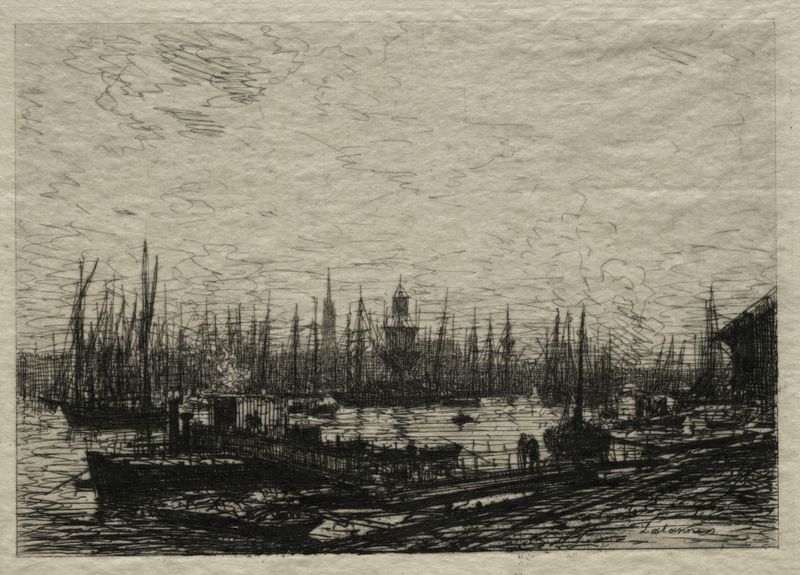
In the Bordeaux Harbor
Maxime Lalanne
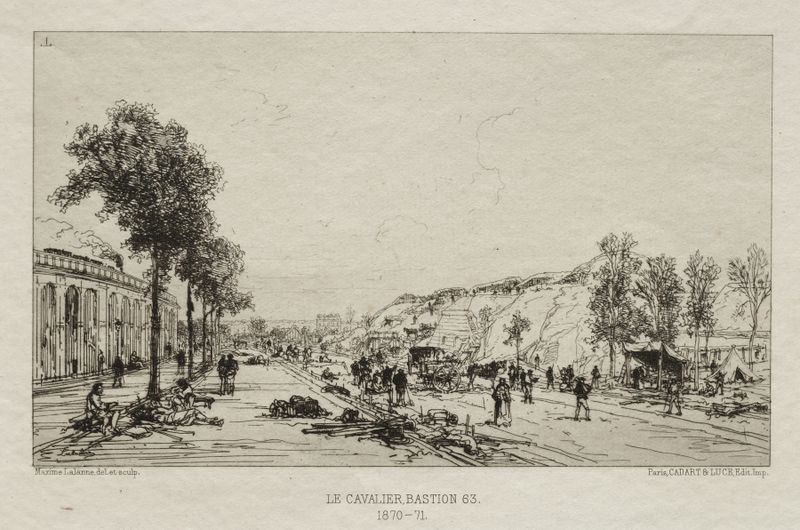
Souvenirs artistiques du Siège de Paris; Le Cavalie (Bastion 63)
Maxime Lalanne
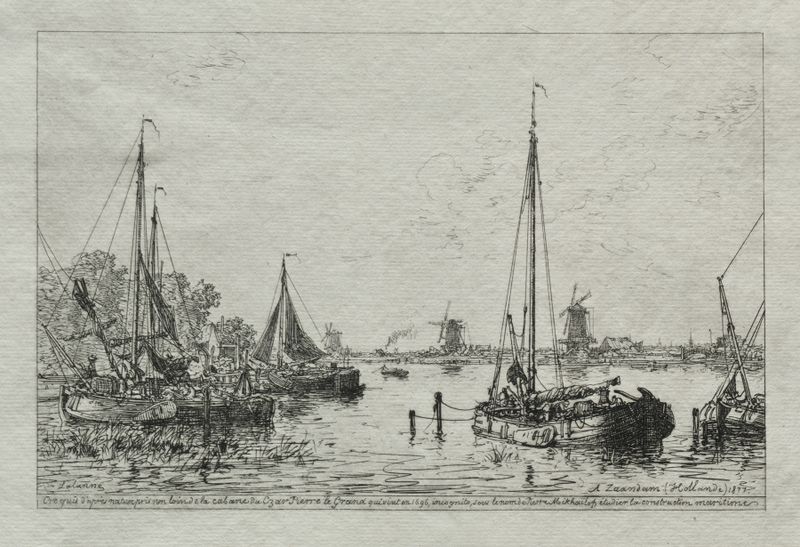
Sketch from Nature
Maxime Lalanne
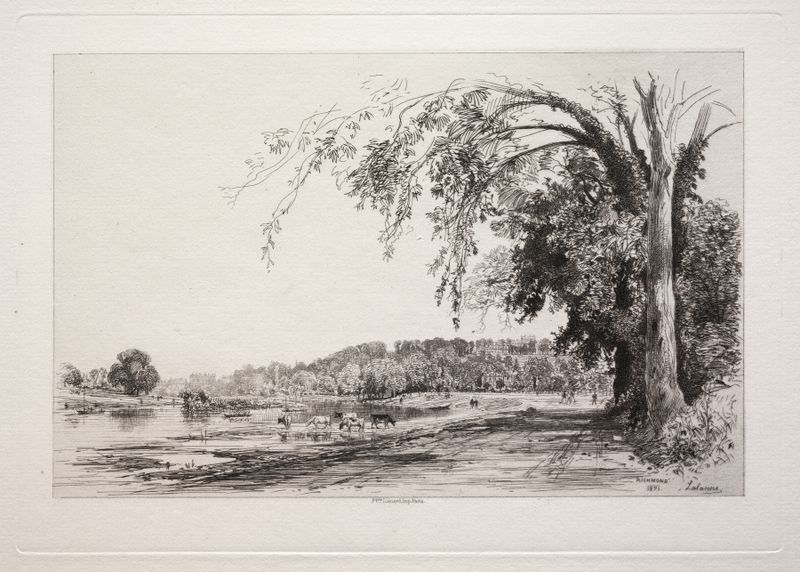
Richmond
Maxime Lalanne
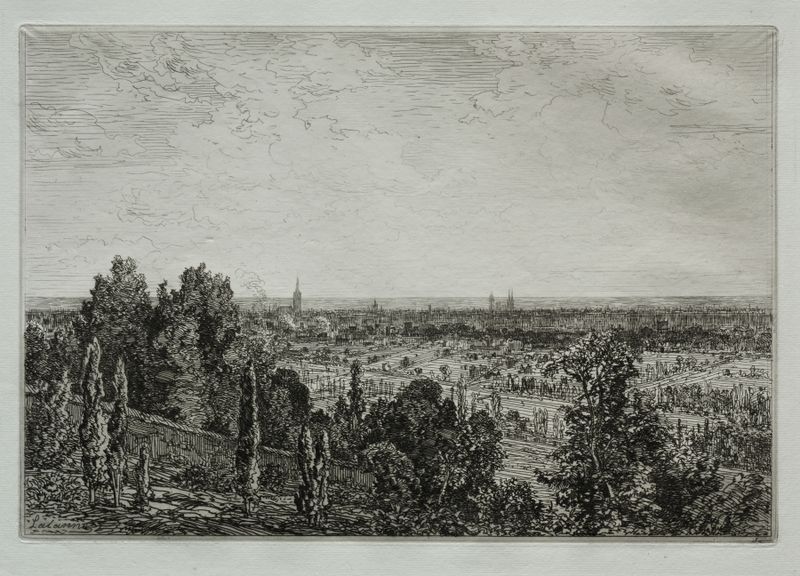
Bordeaux, View from the Coast of Cénon
Maxime Lalanne
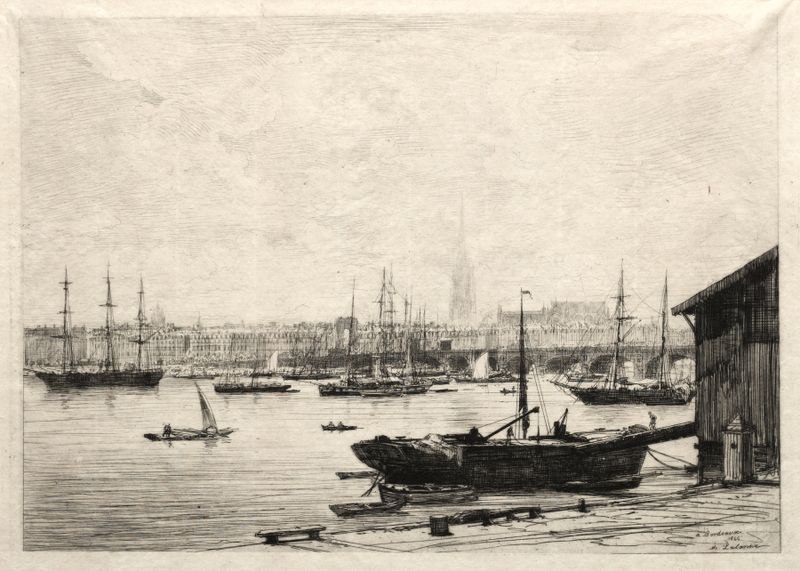
Bordeaux
Maxime Lalanne
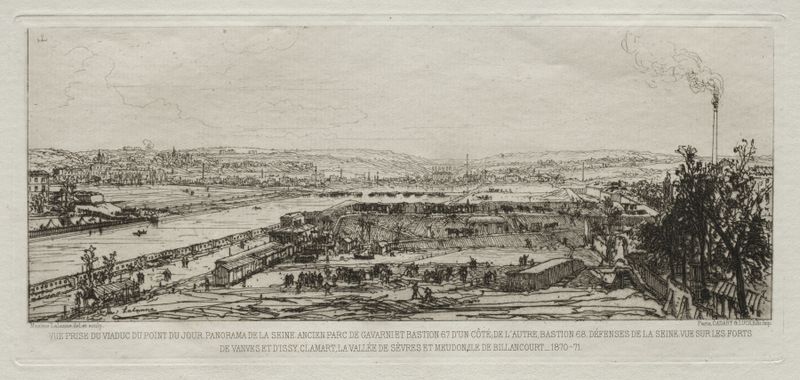
View from the Viaduct at the Pont-du-Jour, Panorama de la Seine
Maxime Lalanne
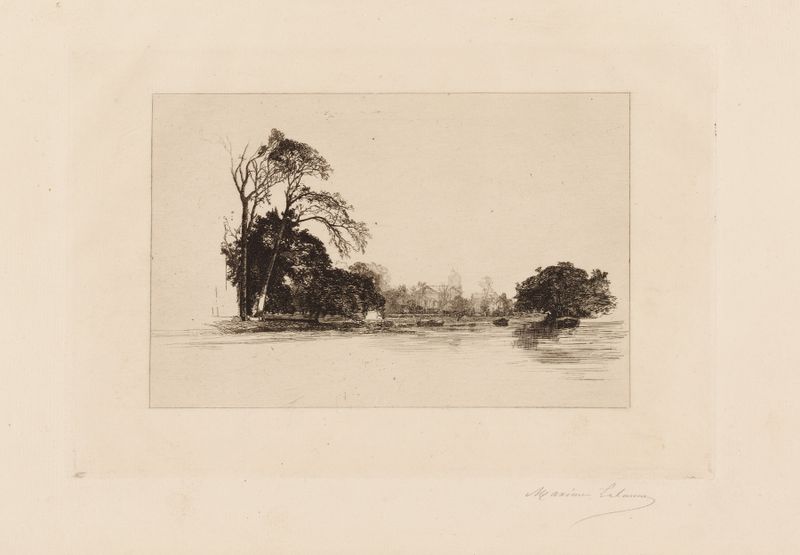
Bank of the Thames
Maxime Lalanne
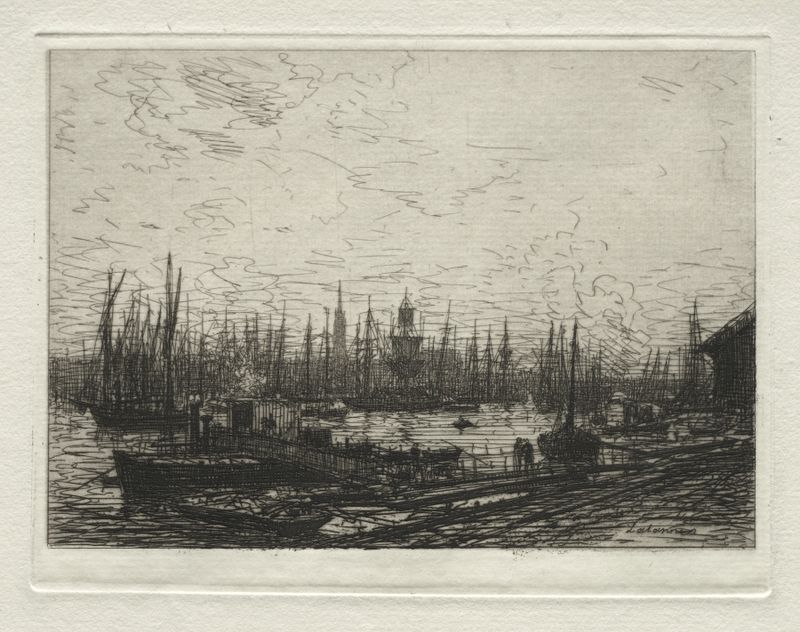
Port of Bordeaux
Maxime Lalanne
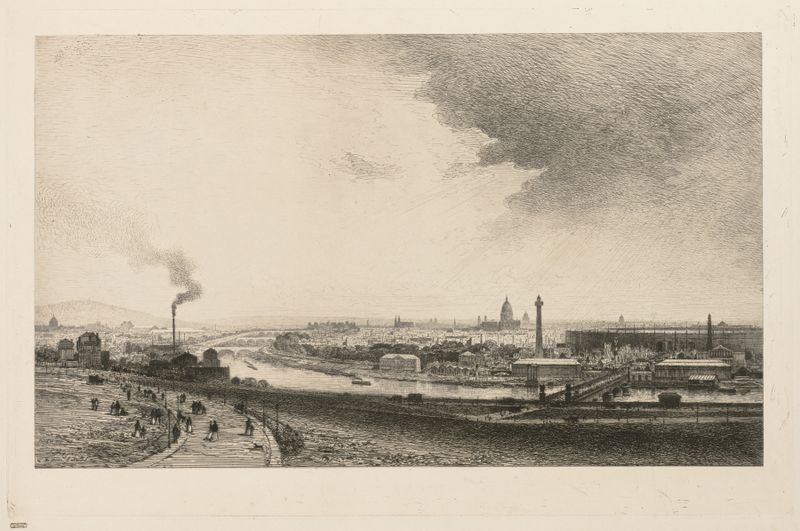
On the Seine
Maxime Lalanne
More Architecture Art
Browse all →
The statue of Liberty
Frédéric Auguste Bartholdi

View of Houses in Delft, Known as ‘The Little Street’
Johannes Vermeer

View of Houses in Delft, Known as ‘The Little Street’
Johannes Vermeer

The Cathedral in Rouen. The portal, Grey Weather
Claude Monet

The yellow house
Vincent van Gogh

The Church in Auvers-sur-Oise, View from the Chevet
Vincent van Gogh