Barokkinojatuoli — History & Facts
What draws the eye first in Barokkinojatuoli is the quiet dignity of the chair itself, set adrift in a sea of pale emptiness. There is no room, no sitter, not even a shadow of a story beyond the object—yet the chair commands attention, its carved wooden arms and legs rendered with a care that hints at both age and comfort. The patterned upholstery, softly modeled in muted greens and greys, suggests a history of hands and bodies, a memory of presence.
Light falls gently from the left, picking out the subtle sheen of the fabric and the rounded contours of the wood, while the background’s blankness throws every detail into relief. This is not just a study in furniture; it is an invitation to imagine who might have rested here, and what conversations the chair has silently witnessed. Paintings and drawings of single objects—especially chairs—became a favored subject among artists in the late nineteenth century, as the decorative arts gained new prestige and the boundaries between fine and applied art blurred. Albert Edelfelt, known primarily for his portraits and scenes of Finnish life, here turns his attention to the everyday grandeur of a Baroque armchair, capturing its form with both precision and affection.
The work belongs to the collection documented at the Finnish National Gallery, though little else is recorded of its origins or purpose. In an era when artists and collectors alike were rediscovering the value of craftsmanship and ornament, such studies offered a way to celebrate the artistry of forgotten makers. The chair’s solitary presence invites the viewer to linger, to trace the lines of its frame, and to imagine the world it once inhabited.
More Artworks by Albert Edelfelt

The Day of Rest
Albert Edelfelt
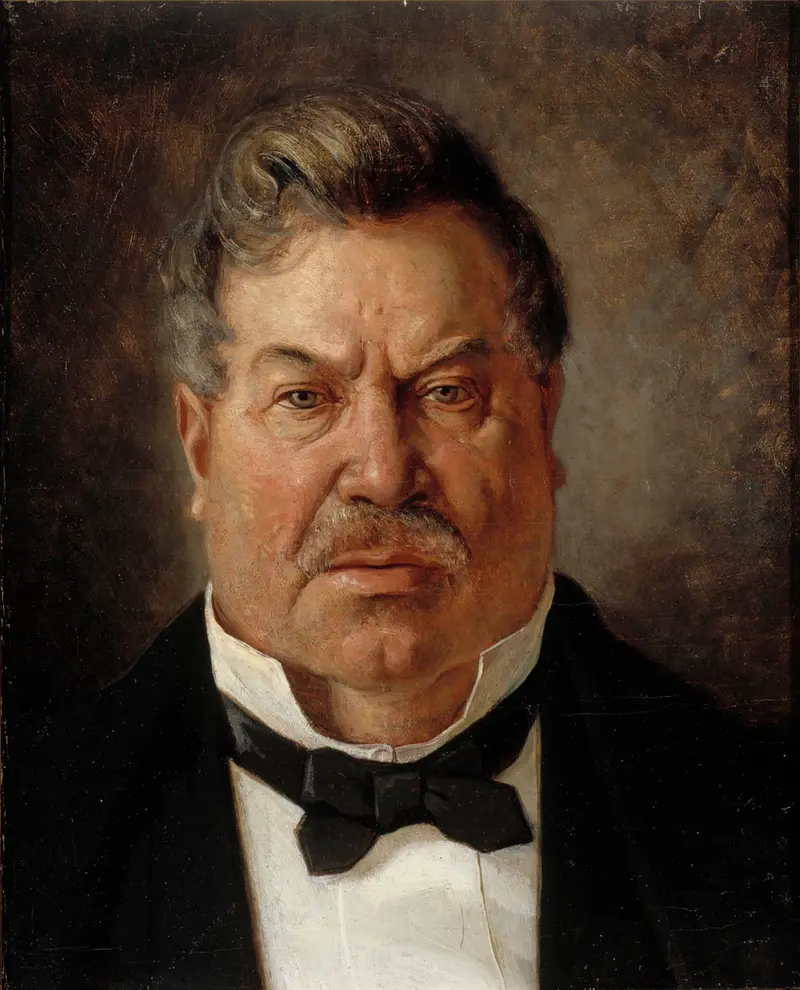
Portrait of August Streng
Albert Edelfelt
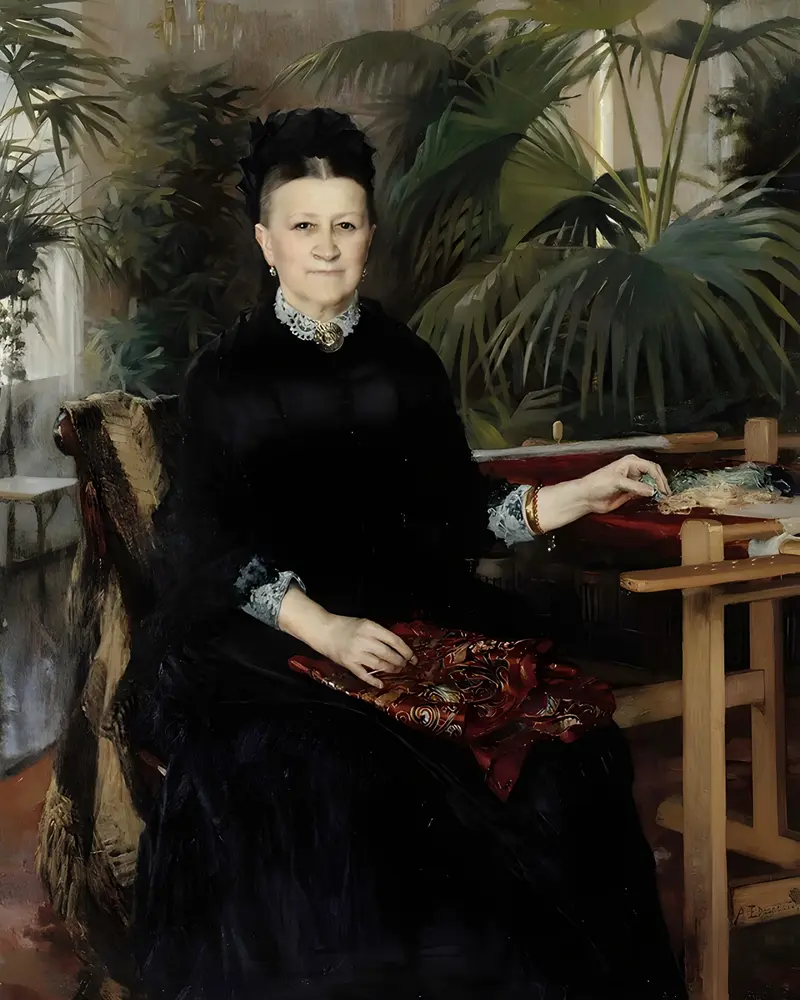
Portrait Of Mrs. Anna Sinebrychoff
Albert Edelfelt

The Poet, Larin Paraske
Albert Edelfelt

Parisian lady in a Peignoir
Albert Edelfelt
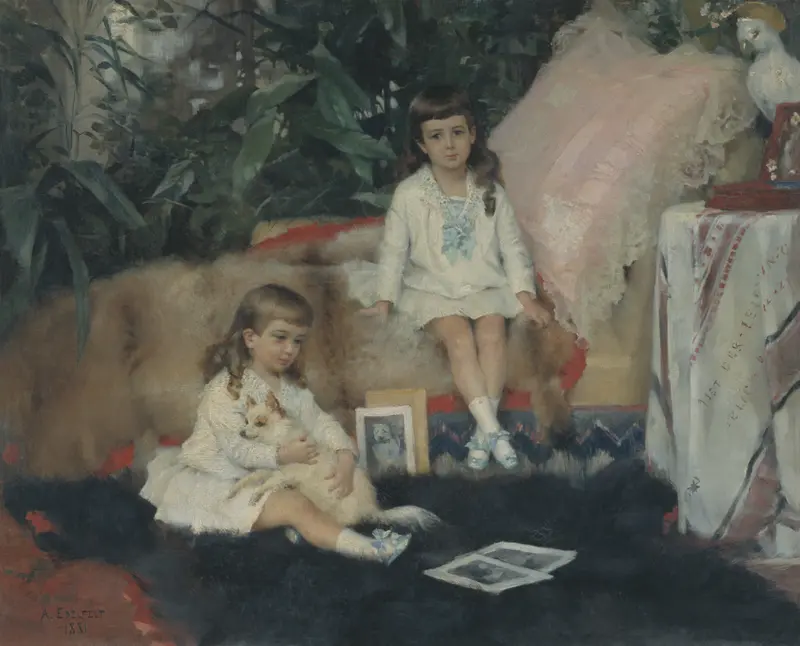
The Grand Dukes Boris and Kirill Vladimirovich as Children
Albert Edelfelt
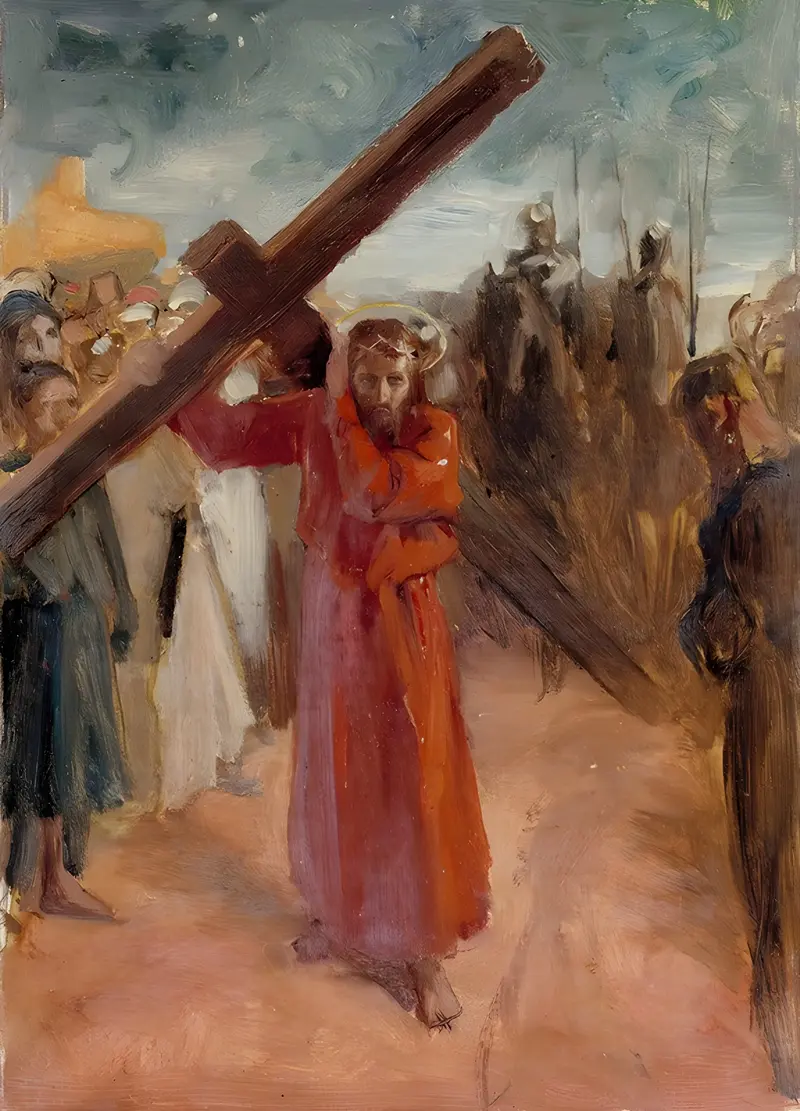
Christ Bears The Cross
Albert Edelfelt
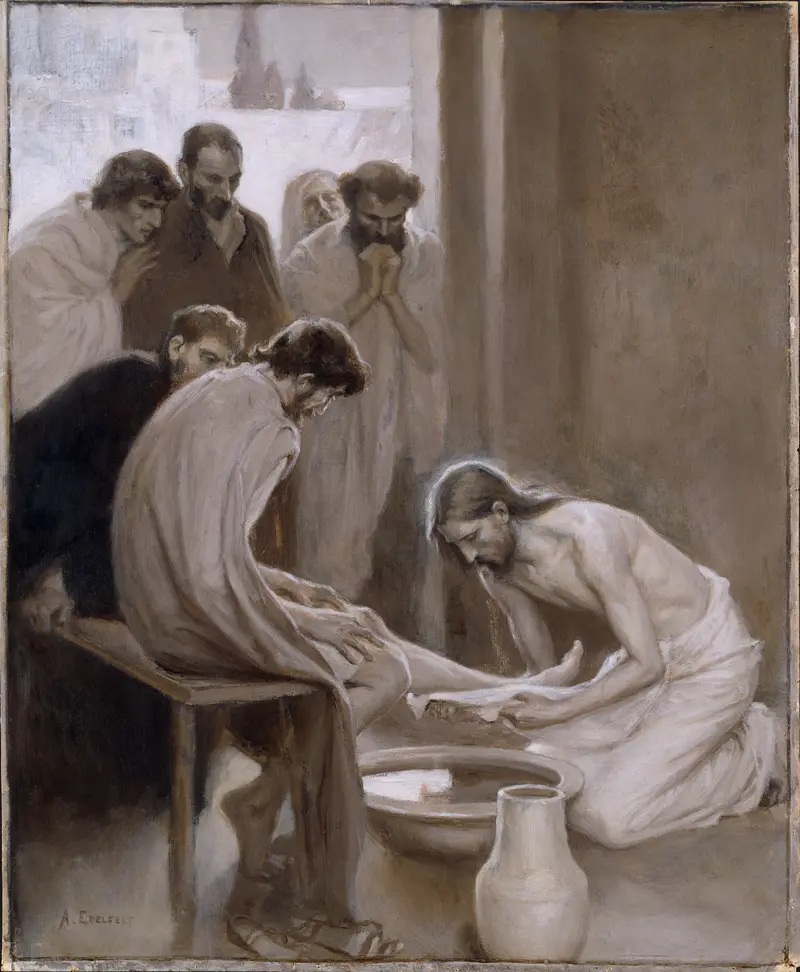
Jesus Washing the Feet of his Disciples
Albert Edelfelt

Larin Paraske with Kantele
Albert Edelfelt
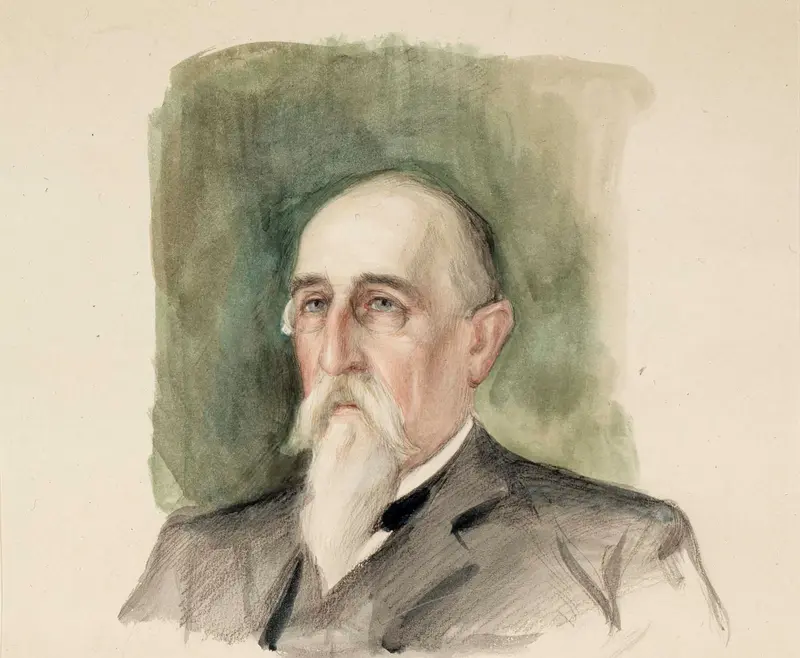
Leo Mechelin, Portrait Study
Albert Edelfelt