
Barques sur le canal — History & Facts
This thought echoes through the rippling water and the tranquil boats, a juxtaposition of serenity and underlying chaos that invites contemplation. Look to the left at the smooth surface of the canal, where gentle ripples distort the reflection of a sky painted in soft pastels. The boats, mere flecks of color against the tranquil blues and greens, draw the eye with their delicate shapes and subtle details. Notice how Petitjean uses soft brushstrokes that create a sense of movement, contrasting with the static nature of the boats, all framed by lush foliage, suggesting life just beyond the canvas. As you delve deeper, the vibrant colors evoke a simmering tension beneath the serene surface—each boat, while peaceful, hints at the chaos of existence surrounding them.
The interplay of light reveals more than just the beauty of nature; it whispers stories of longing, solitude, and the burdens carried by those who seek refuge on the water. The juxtaposition of the serene yet uncertain atmosphere embodies the constant struggle between beauty and chaos. Hippolyte Petitjean painted this work during a time of personal evolution in his career, as he was exploring the nuances of landscape painting. The late 19th century was marked by a shift in artistic approach, as artists sought to capture the essence of nature in innovative ways.
Though the exact date remains unknown, the artist was likely influenced by the Impressionist movement unfolding around him, striving to find a balance between color, form, and emotion in his own distinctive style.
More Artworks by Hippolyte Petitjean
Browse all →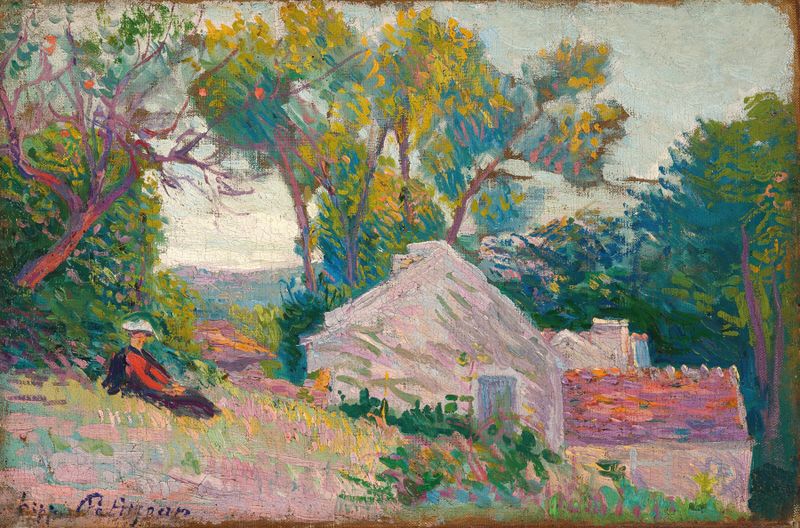
Femme dans un paysage
Hippolyte Petitjean
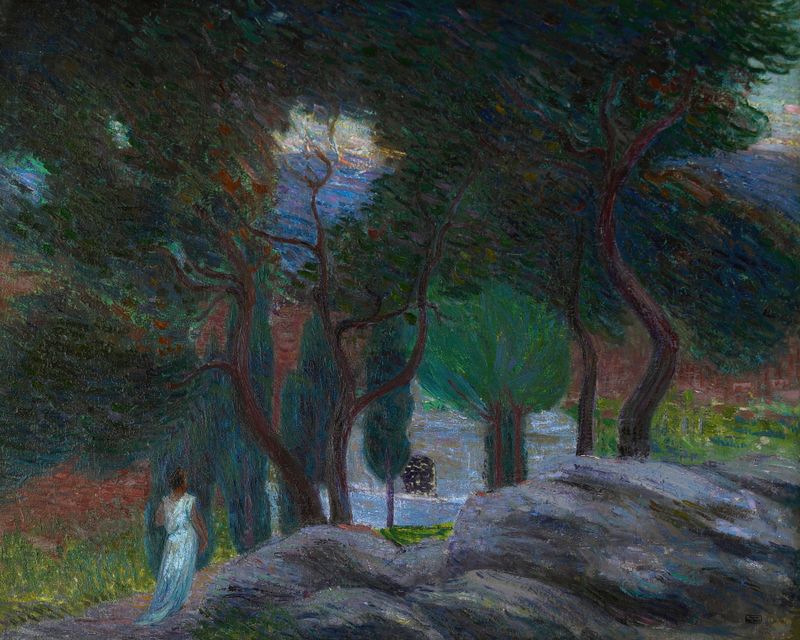
An evening in the springtime of life, circa 1890
Hippolyte Petitjean
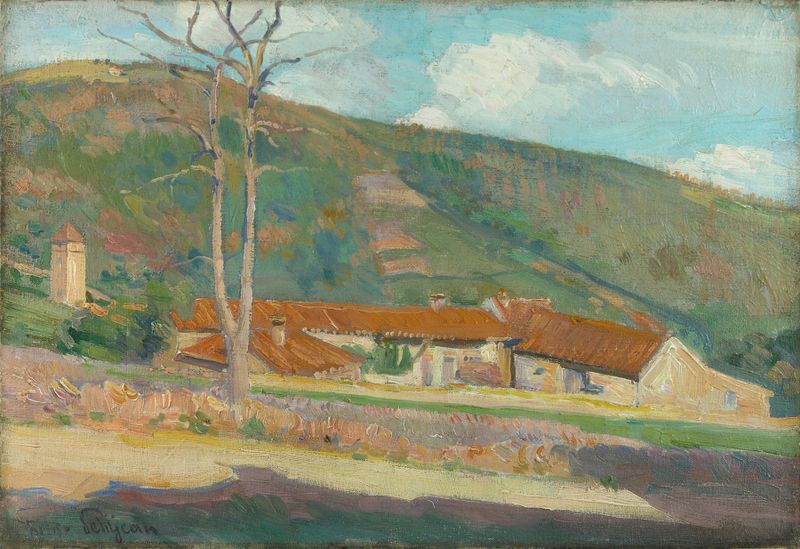
Landscape, Upper St. Tropez
Hippolyte Petitjean
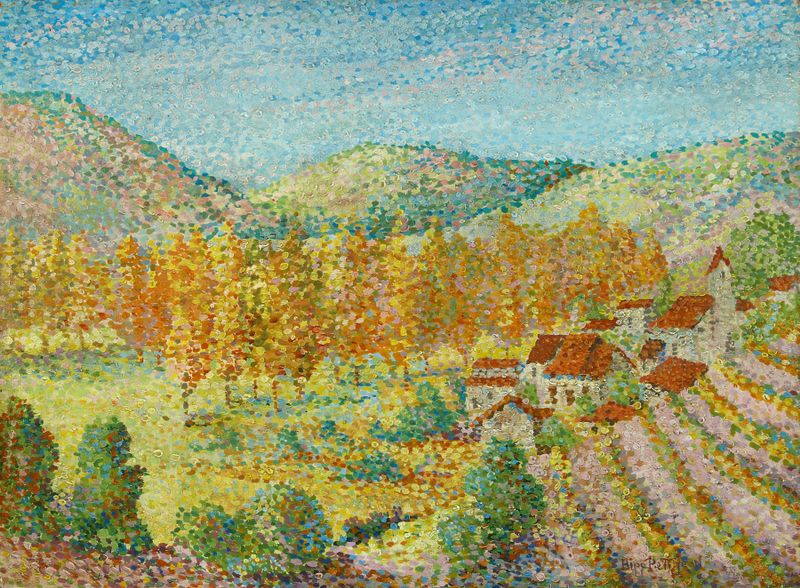
Vineyard in Southern France
Hippolyte Petitjean

Maisons Au Bord D’un Lac
Hippolyte Petitjean

A Broad Valley at Sunset
Hippolyte Petitjean

Paysage
Hippolyte Petitjean

Sous-Bois
Hippolyte Petitjean





