
Sous-Bois — History & Facts
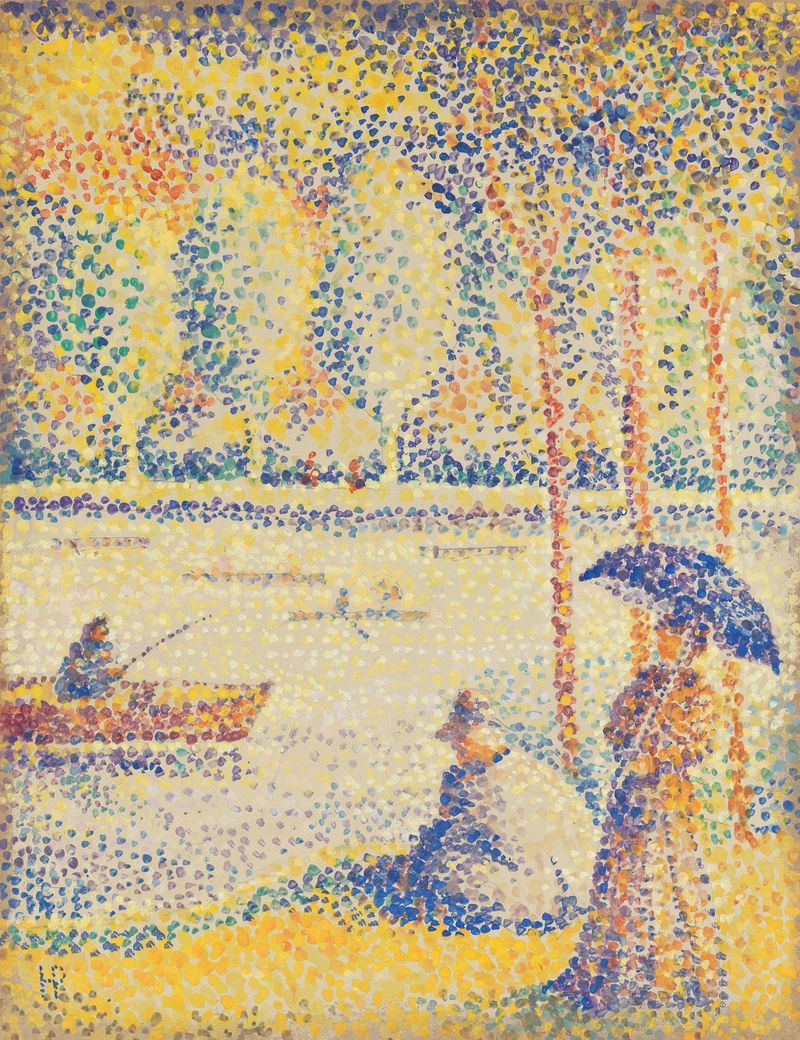
In the vibrant dance of colors, nature unveils its hidden poetry, transcending the ordinary to reveal a world alive with emotion. Focus on the luscious greens that envelop you, where light filters through the trees, illuminating patches of vivid color. Look closely at the overlapping brush strokes; each stroke seems to pulse with vitality, as if the foliage itself breathes. The artist masterfully plays with shades, combining rich emeralds and soft olives, drawing your eye through the dappled undergrowth.
An unrestrained palette creates a symphony of hues that invites you to lose yourself in this serene woodland embrace. Within this idyllic scene lies a contrast between tranquility and the untamed wild. The chaotic brushwork suggests a liveliness, an unseen movement that hints at the creatures of the forest, while the overall compositional harmony evokes a sense of peace. It is in the interplay of light and shadow that deeper meanings emerge, suggesting the delicate balance of nature and the ephemeral beauty of life itself. In 1890, this piece was created during a time when the artist was immersed in the post-Impressionist movement, influenced by the emerging ideas of color theory and expressionism.
Working in France, Petitjean sought to capture the essence of his surroundings, exploring the vibrancy of nature with a fresh perspective. At this moment in art history, he was part of a wave of artists redefining representation, striving to evoke emotional responses through bold color and brushwork.
More Artworks by Hippolyte Petitjean
Browse all →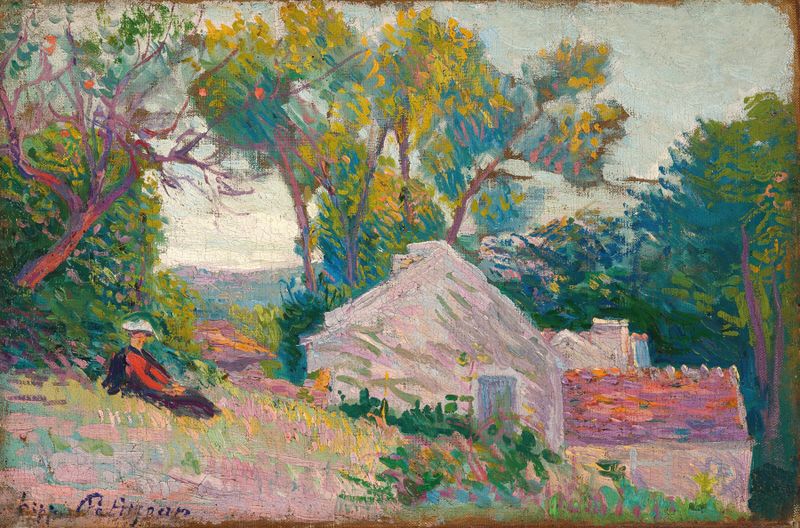
Femme dans un paysage
Hippolyte Petitjean
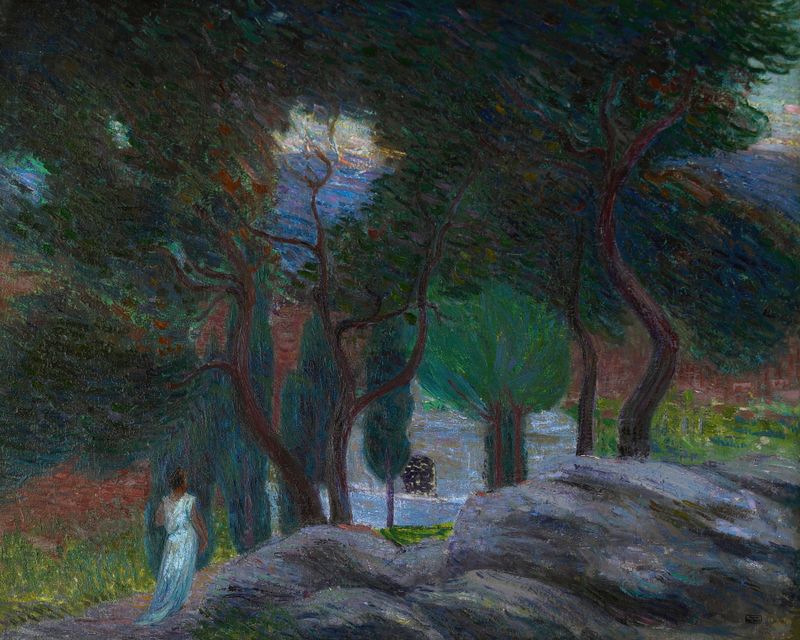
An evening in the springtime of life, circa 1890
Hippolyte Petitjean
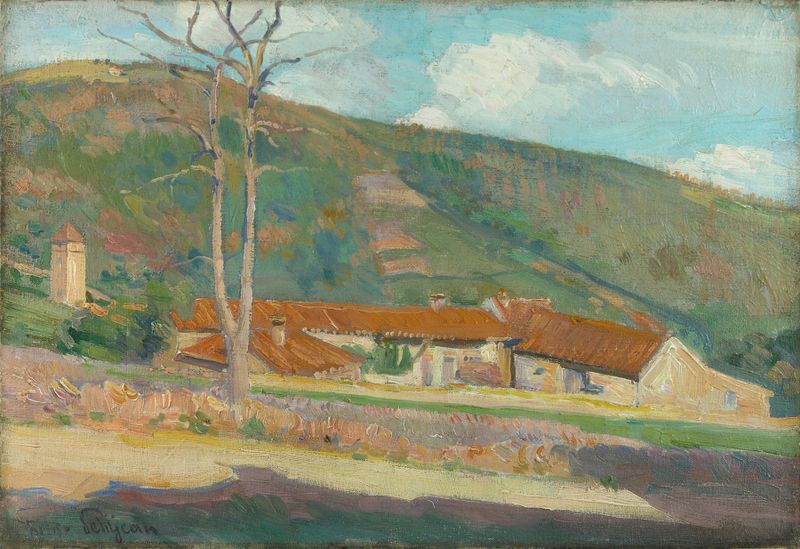
Landscape, Upper St. Tropez
Hippolyte Petitjean
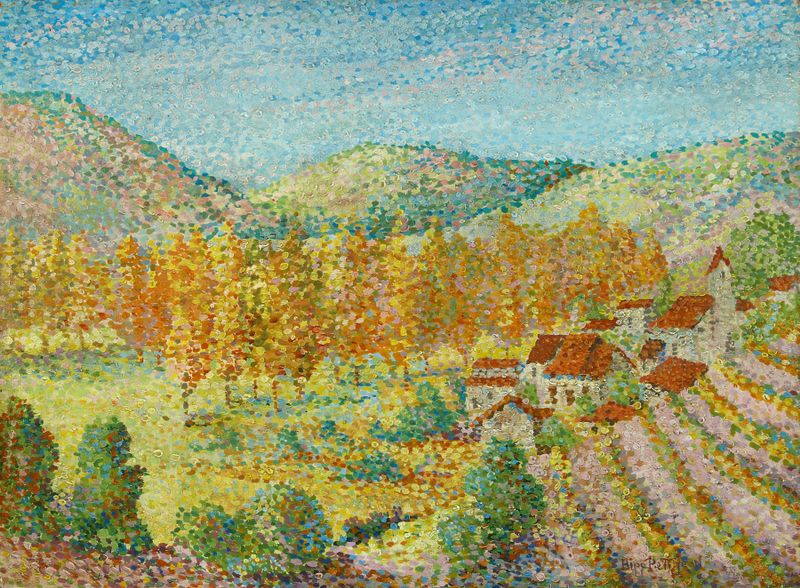
Vineyard in Southern France
Hippolyte Petitjean

Maisons Au Bord D’un Lac
Hippolyte Petitjean

A Broad Valley at Sunset
Hippolyte Petitjean

Paysage
Hippolyte Petitjean
Barques sur le canal
Hippolyte Petitjean





