Basel, Bridge Center, Quayside, with Figures and Shipping Right, with Cathedral Rising behind Buildings — History & Facts
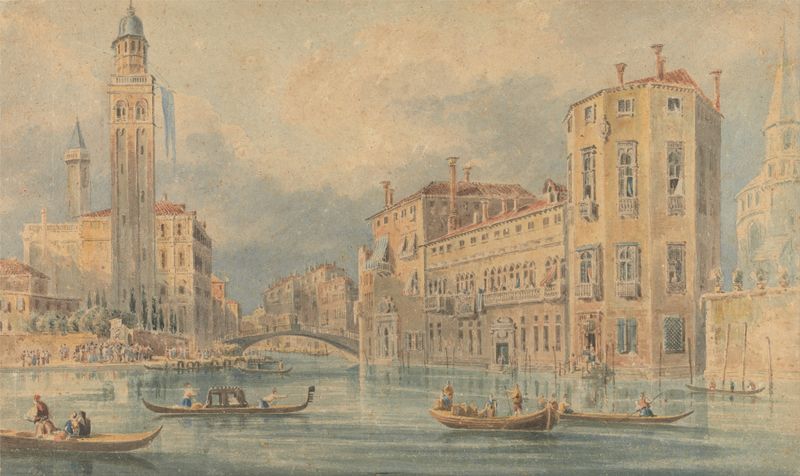
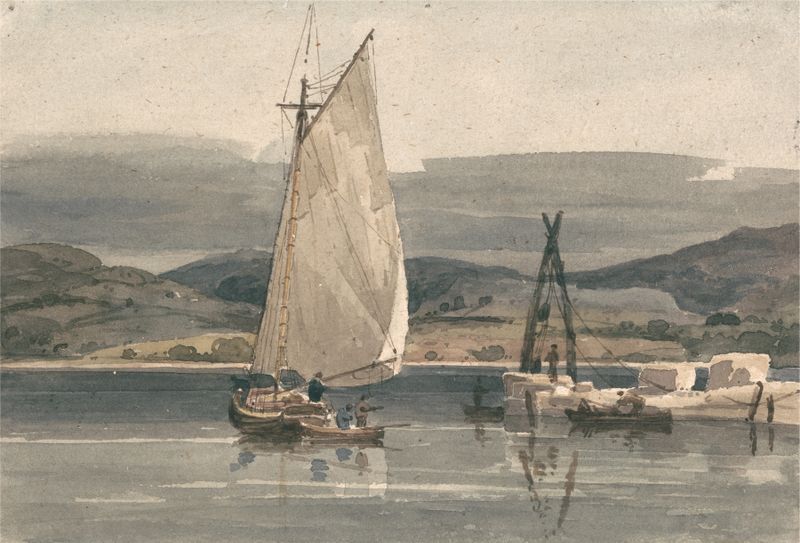
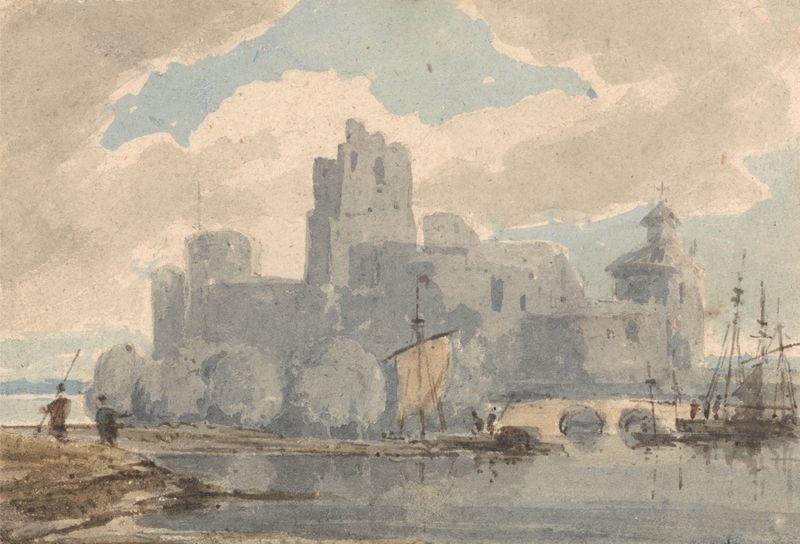
What if silence could speak through light? In a world where every hue tells a story, the canvas reveals our obsession with the passage of time and the relentless march of progress. Look to the foreground where the quayside breathes life into the composition. Figures, small yet vibrant, engage in their daily pursuits, their movement contrasting with the stillness of the water. Notice how the light falls upon the boats, casting reflections that ripple gently, evoking a sense of tranquility that belies the bustling activity of the center.
The palette shifts from soft pastels to deep blues, drawing your eye to the cathedral, its silhouette rising majestically in the background, a steadfast reminder of history amidst the ever-changing modernity. The juxtaposition of figures and architecture speaks volumes. While the people are alive with motion, the cathedral stands as an anchor, a symbol of endurance against the tide of time. The busy quayside suggests urgency, yet the serene water surrounding the vessels invites contemplation, revealing a tension between ambition and reflection.
Each detail, from the billowing sails to the distant skyline, captures a moment of obsession — an unyielding drive towards the future, even as the past looms large. In 1807, John Henderson painted this scene during a period of great change in Europe. The Industrial Revolution was in full swing, transforming society and the landscape alike. As urban life evolved, artists like Henderson sought to capture the essence of their rapidly changing environments, blending the bustle of modernity with the timelessness of historical architecture.
This piece reflects the artist's keen awareness of the duality of progress and nostalgia, encapsulating a moment in history that still resonates today.