
Lord Penryn’s Slate Quarries — History & Facts
Can beauty exist without sorrow? In the depths of nature’s embrace, the answer lies entwined in the uneven slate, the very foundation of human aspiration and toil. Focus on the rugged landscape that unfolds in the foreground, where sharp, angular rocks jut out like the scars of the earth itself. The earthy tones of gray and ochre harmonize yet clash, each hue telling stories of struggle and perseverance. Look closely to the way light dances on the slate, transforming its cold surface into something both inviting and foreboding.
The composition is balanced, leading the eye through a winding path that beckons exploration while reminding us of the harsh realities that lie beneath. Delve deeper, and you'll uncover layers of emotional tension embedded within the work. The juxtaposition of the serene rolling hills against the jagged quarries speaks to the duality of existence—beauty exists alongside hardship, each reinforcing the other. The absence of figures amplifies this solitude, allowing viewers to reflect on their own connections to nature and the burdens we carry in pursuit of beauty and meaning.
The starkness of the quarries hints at the labor and loss embraced by those who once toiled there, awakening a sense of reverence and melancholy. During the time this work was created, John Henderson was exploring landscapes in Britain, particularly interested in the interaction between man and nature. The late 19th century was a period of industrial change, and many artists sought to capture the relationship between the natural and the built environment. Henderson, in particular, was drawn to the raw beauty of the Welsh slate quarries, using his art to reflect both the majesty and the harshness of the world around him.
More Artworks by John Henderson
Browse all →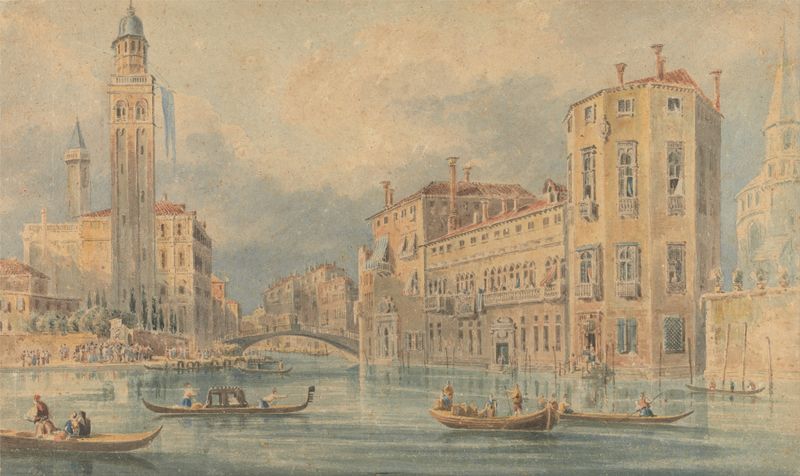
Venetian Fantasy
John Henderson

A Town on the Lake of Geneva
John Henderson

Weymouth: with figures, shipping and view of the Custon House
John Henderson
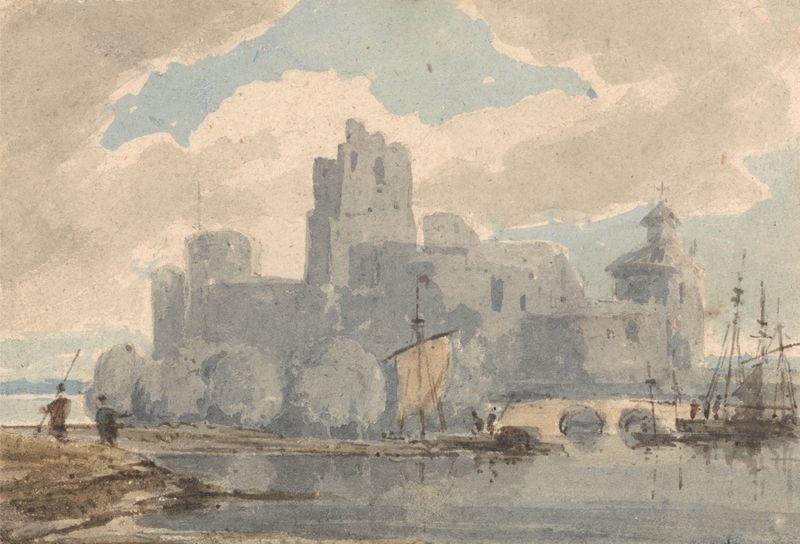
Castle on the Sea Coast
John Henderson

Basel, Bridge Center, Quayside, with Figures and Shipping Right, with Cathedral Rising behind Buildings
John Henderson





