
A Town on the Lake of Geneva — History & Facts
Can beauty exist without sorrow? In the serene stillness of a lakeside town, shadows play across the canvas, hinting at untold stories beneath the surface. Look to the center where the tranquil lake mirrors the soft tones of the surrounding landscape, drawing your gaze into its depths. Notice how the gentle brushstrokes create a shimmering effect, with blues and greens blending seamlessly, evoking a sense of calm. The distant mountains loom, casting long shadows that suggest both protection and foreboding.
Each architectural detail in the townscape, from the quaint buildings to the winding paths, invites exploration while hinting at fleeting moments of life. Beneath this idyllic surface lies a tension between light and shadow. The interplay suggests a duality—joy intertwined with melancholy. The bright reflections on the water contrast starkly with the darker hues of the mountains, evoking a sense of longing.
Perhaps this scene represents not just a physical place but also an emotional landscape where beauty coexists with the shadows of regret and memory. During the time A Town on the Lake of Geneva was conceived, John Henderson was immersed in a post-impressionist context, influenced by the evolving artistic movements surrounding him in the late 19th century. Living in a period rich with both technological advancement and burgeoning individualism, Henderson sought to capture the interplay of light and shadow, reflecting the complex human experience of his era.
More Artworks by John Henderson
Browse all →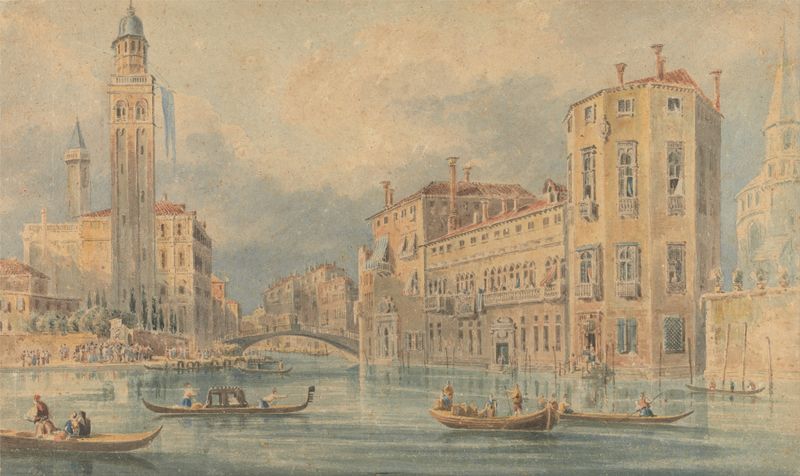
Venetian Fantasy
John Henderson
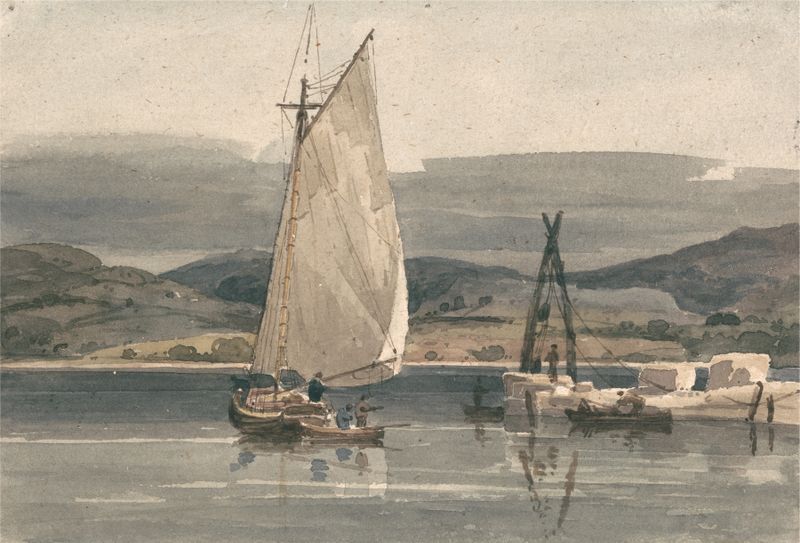
Lord Penryn’s Slate Quarries
John Henderson

Weymouth: with figures, shipping and view of the Custon House
John Henderson
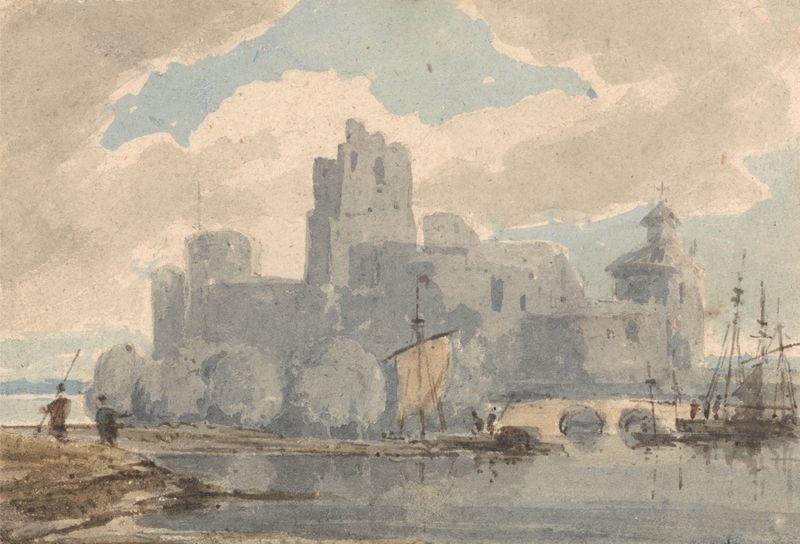
Castle on the Sea Coast
John Henderson

Basel, Bridge Center, Quayside, with Figures and Shipping Right, with Cathedral Rising behind Buildings
John Henderson





