
Bauernhaus in der Saintonge — History & Facts
Can beauty exist without sorrow? The quiet charm of a rural house nestled amidst the verdant landscape speaks volumes, yet a whisper of melancholy haunts its walls. Focus first on the farmhouse, a weathered structure that stands as a testament to time and toil. Notice how the faded hues of ochre and umber convey both warmth and weariness, each brushstroke echoing stories of lives lived within. The soft light casts gentle shadows, allowing the textures of the stone and wood to breathe, inviting you to explore every crevice. Yet, as you delve deeper into the scene, contrasting emotions emerge.
The idyllic setting belies an underlying sense of isolation, a solitude that feels palpable. Look closer at the surrounding fields—swathes of green that stretch infinitely yet seem to cradle the house in a protective embrace, suggesting both comfort and entrapment. It’s a poignant reminder that beauty often coexists with loneliness, prompting reflection on the nature of human existence. Painted in 1919, this work emerged during a period of profound change for its creator.
Paul Madeline, influenced by the aftermath of World War I, sought solace in the simplicity of rural life while grappling with the broader existential questions of his time. The artwork reflects not only his personal contemplation but also the collective yearning for peace and stability in a world marked by upheaval.
More Artworks by Paul Madeline
Browse all →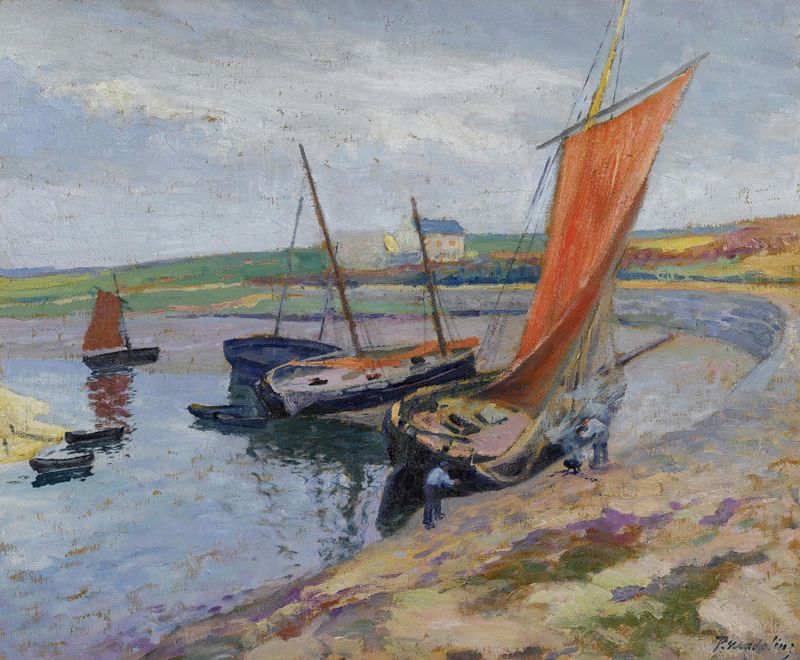
Bateaux Au Bord De La Mer
Paul Madeline
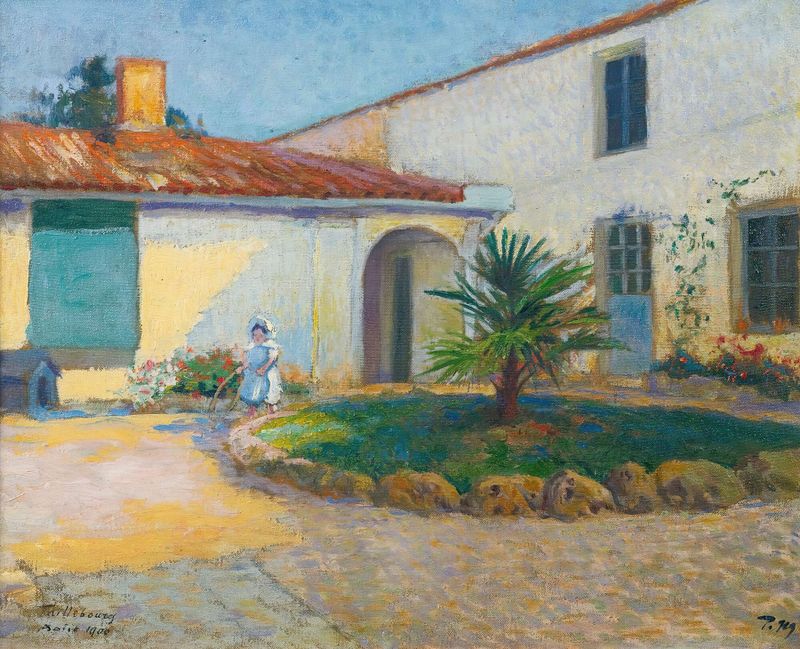
La Fille De L’artiste Dans La Jardin À Taillebourg
Paul Madeline
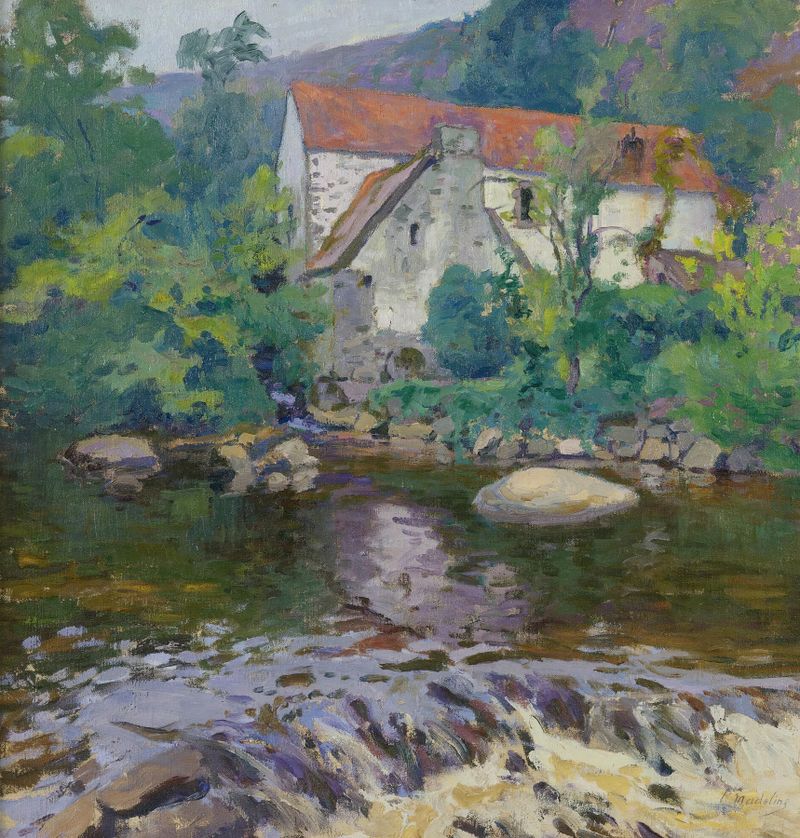
La Sédelle Au Moulin Barrat
Paul Madeline

Les Roches Rouges
Paul Madeline

Paysage
Paul Madeline

Un Quai Á Taillebourg
Paul Madeline
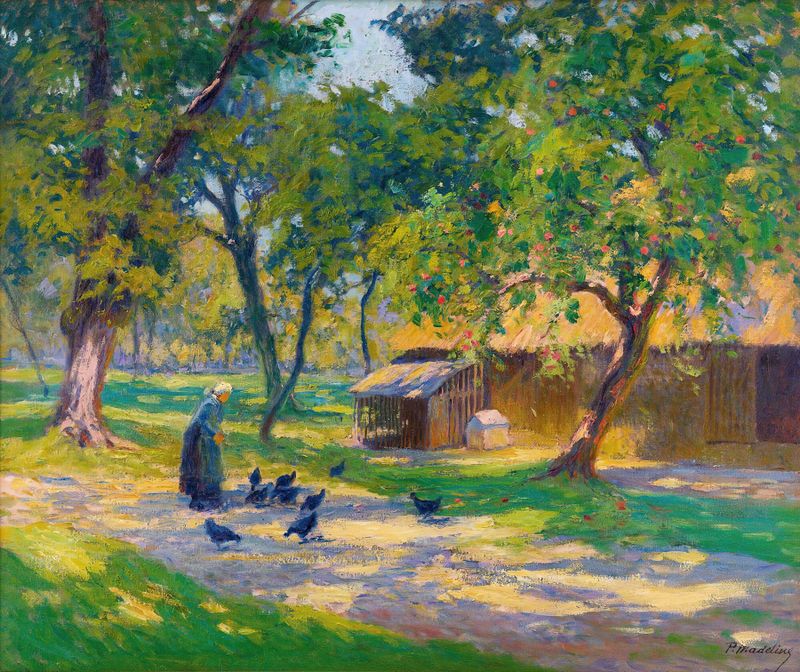
Cour De Ferme
Paul Madeline

Bateaux Et Débardeurs
Paul Madeline
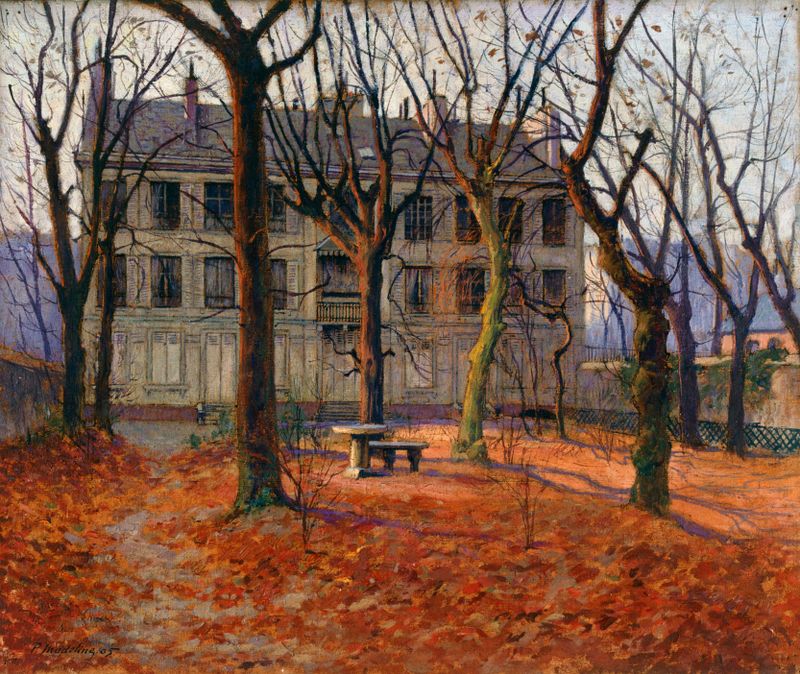
Maison de Victor Hugo, rue Notre-Dame-des-Champs
Paul Madeline

Les Lavandières
Paul Madeline





