
Les Lavandières — History & Facts
Is this a mirror — or a memory? In Les Lavandières, a haunting tableau unfolds where the past and present entwine, evoking a profound sense of longing that resonates within the viewer’s heart. Focus on the center of the canvas, where the figures of the washerwomen emerge as silhouettes against the shimmering water. Their bent forms echo the weight of labor, each stroke of their hands becoming a meditation on toil. The soft hues of blue and green are interspersed with dappled sunlight, illuminating the scene with a gentle warmth that contrasts sharply with the heaviness of their task.
Notice how the ripples in the water reflect not just the setting, but also the dreams and desires swirling beneath the surface. As you delve deeper, observe the interplay between effort and grace. The women’s harmony with nature depicts a timeless connection, while their expressions convey a spectrum of emotions — exhaustion, pride, and an intangible yearning for freedom. The delicate balance between the vibrancy of the surroundings and the somber task at hand evokes an emotional tension, suggesting that each wash is not merely a chore but a rite of passage laden with memories and untold stories. Paul Madeline created Les Lavandières during a period marked by the rise of Impressionism, likely in the late 19th century.
At that time, he was navigating his own artistic identity, influenced by the changing landscapes of French art. Working amidst a world rapidly evolving through urbanization, his focus on everyday laborers reflects the profound societal shifts and an enduring appreciation for the dignity of work, capturing fleeting moments that resonate through the ages.
More Artworks by Paul Madeline
Browse all →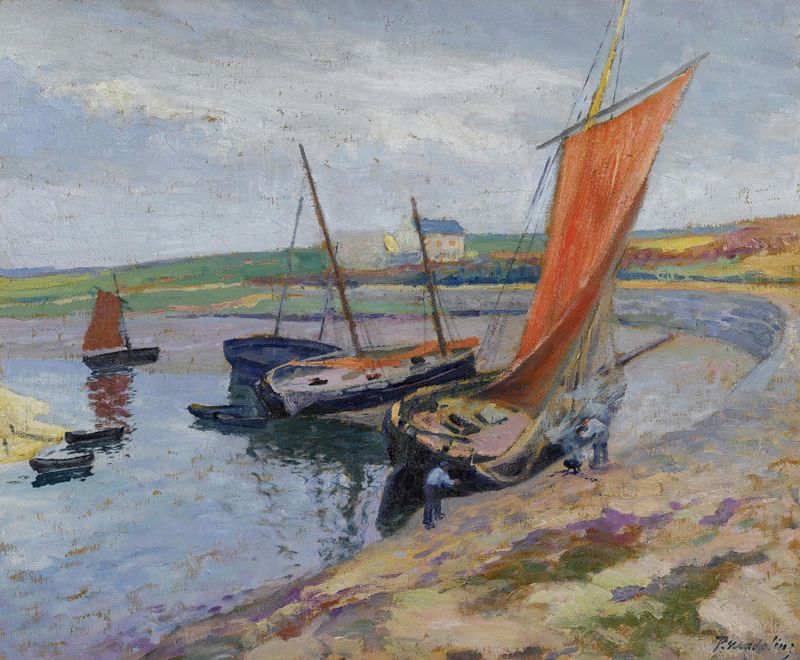
Bateaux Au Bord De La Mer
Paul Madeline
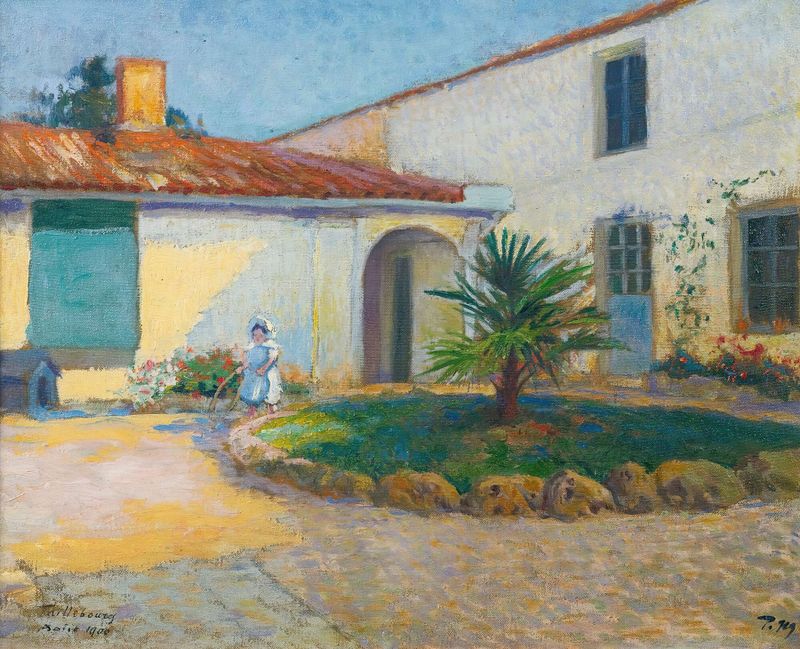
La Fille De L’artiste Dans La Jardin À Taillebourg
Paul Madeline
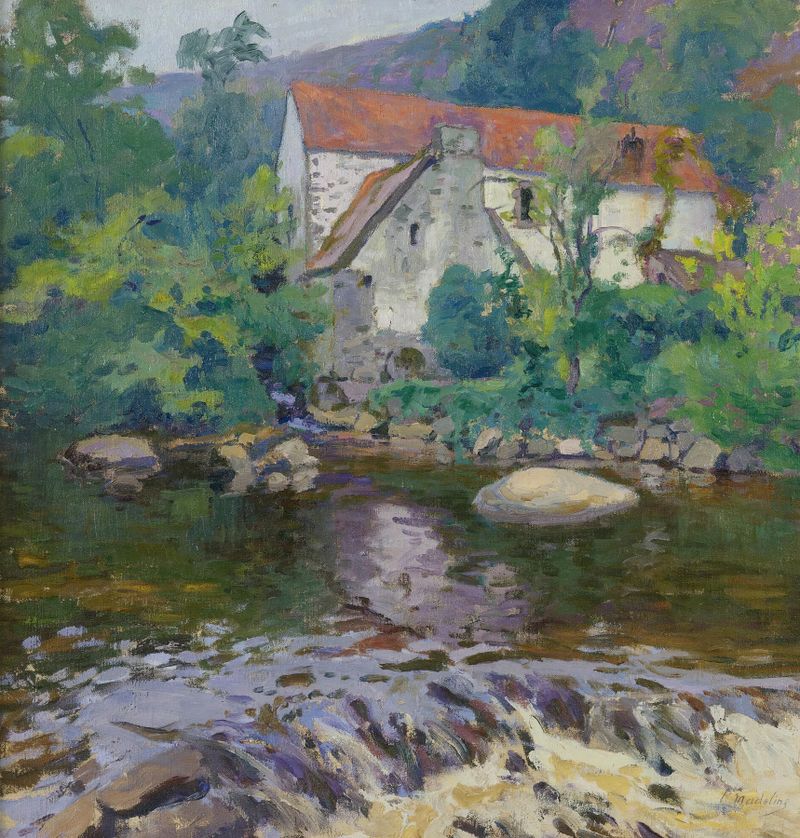
La Sédelle Au Moulin Barrat
Paul Madeline

Les Roches Rouges
Paul Madeline

Paysage
Paul Madeline

Un Quai Á Taillebourg
Paul Madeline
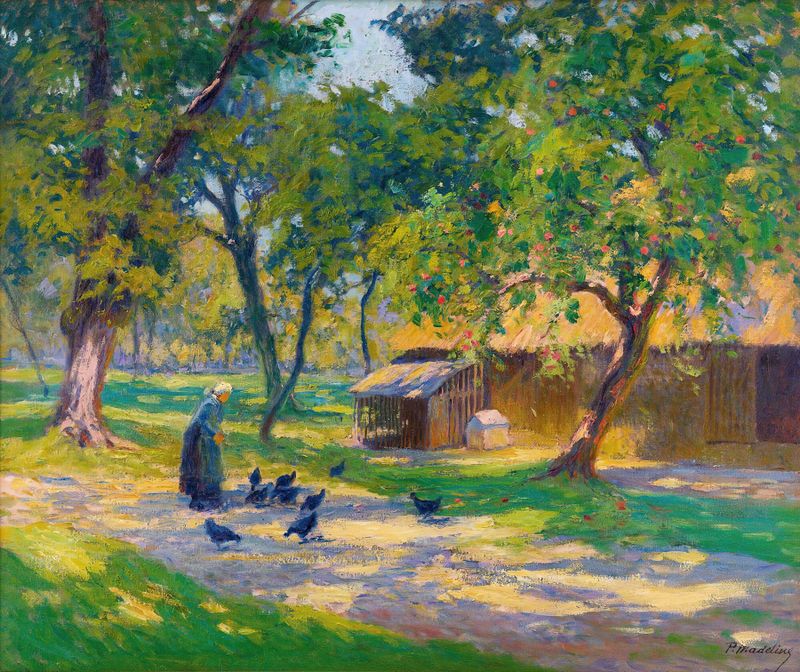
Cour De Ferme
Paul Madeline

Bateaux Et Débardeurs
Paul Madeline
Maison de Victor Hugo, rue Notre-Dame-des-Champs
Paul Madeline
Im Garten
Paul Madeline





