
Paysage — History & Facts
In Paysage, the delicate interplay of color and form beckons the viewer, inviting them to unravel the layers of emotion hidden within its serene landscape. Look to the horizon, where vibrant greens meet dappled skies, painting a picturesque scene that feels both familiar and unsettling. The brushwork is deft, introducing a tension between the tranquil beauty of nature and an underlying chaos reflected in the rhythmic strokes of the trees. Notice how the golden light filters through the foliage, illuminating patches of deep shadow, whispering of the madness that lies just beneath the surface. As you delve deeper, the contrasting colors reveal a poignant duality—the lush earthiness of the foreground clashes with the vivid intensity of the sky above.
This juxtaposition mirrors the inner turmoil of the artist, capturing moments of clarity intertwined with hints of instability. The harmony of the landscape belies an emotional dissonance, evoking a sense of longing and despair that resonates beyond the painted boundaries. During this period when he created Paysage, Paul Madeline found himself immersed in an artistic community grappling with post-war disillusionment and the search for new expression. Created in the mid-20th century, the painting reflects his responses to a world marked by uncertainty, as he explored the delicate balance of beauty and madness, forging a unique path in the landscape of contemporary art.
More Artworks by Paul Madeline
Browse all →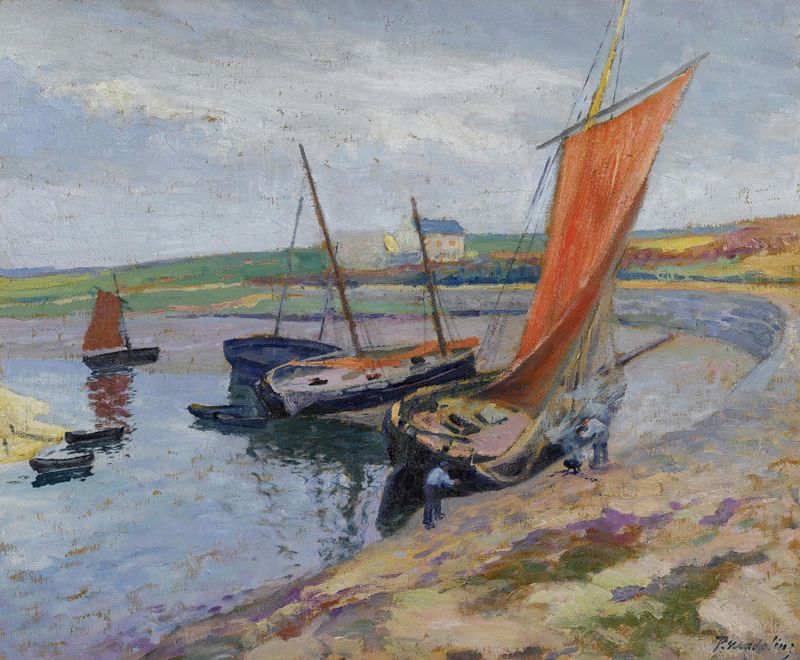
Bateaux Au Bord De La Mer
Paul Madeline
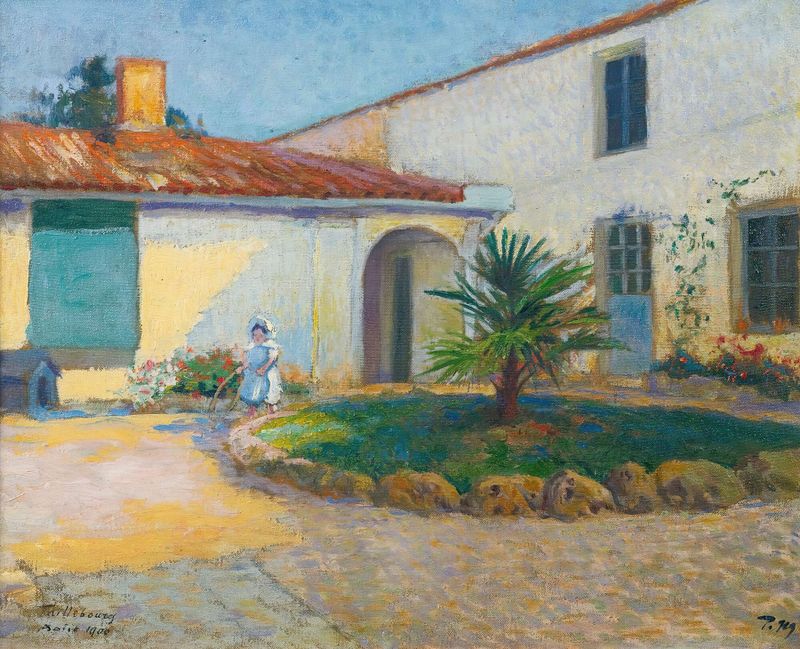
La Fille De L’artiste Dans La Jardin À Taillebourg
Paul Madeline
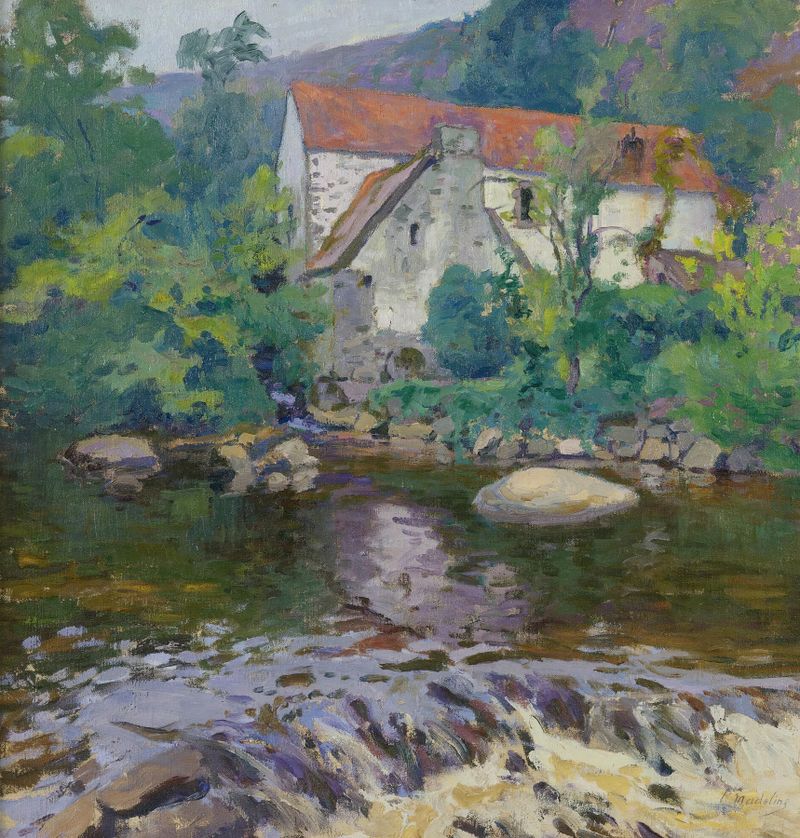
La Sédelle Au Moulin Barrat
Paul Madeline

Les Roches Rouges
Paul Madeline

Un Quai Á Taillebourg
Paul Madeline
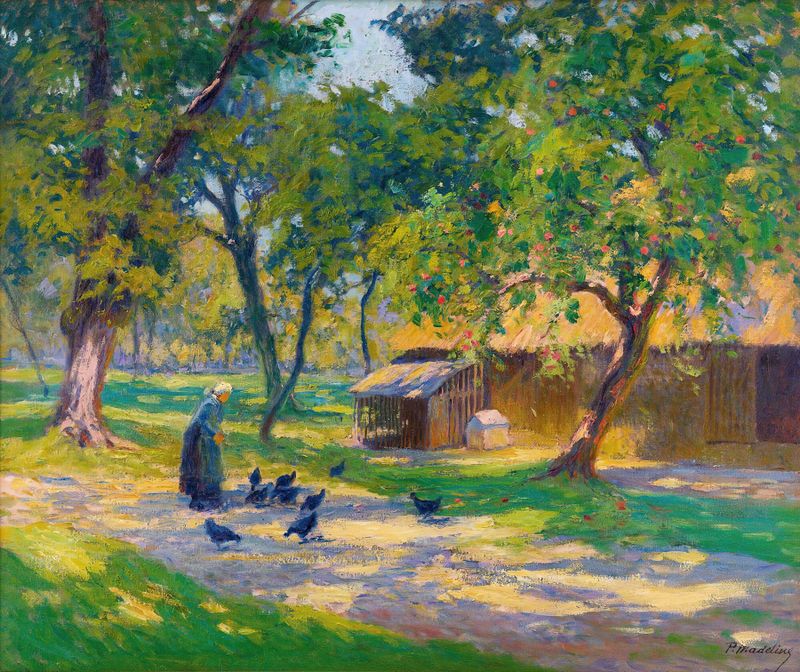
Cour De Ferme
Paul Madeline

Bateaux Et Débardeurs
Paul Madeline
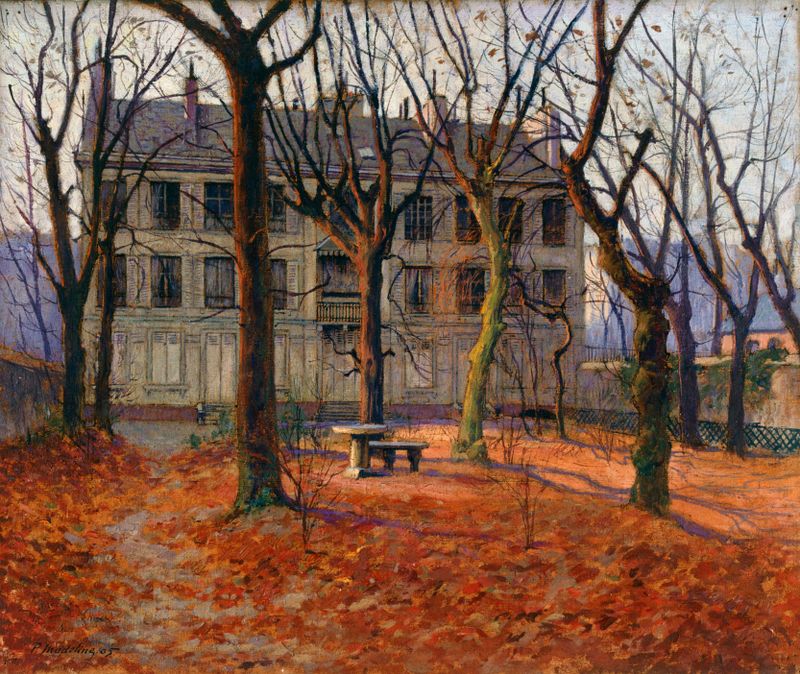
Maison de Victor Hugo, rue Notre-Dame-des-Champs
Paul Madeline

Les Lavandières
Paul Madeline
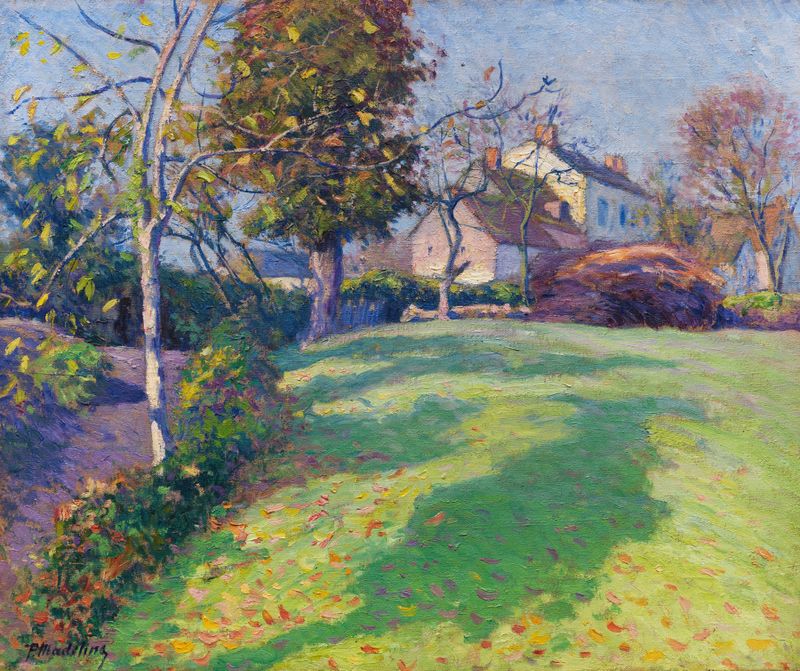
Im Garten
Paul Madeline





