Behind the Old Church — History & Facts
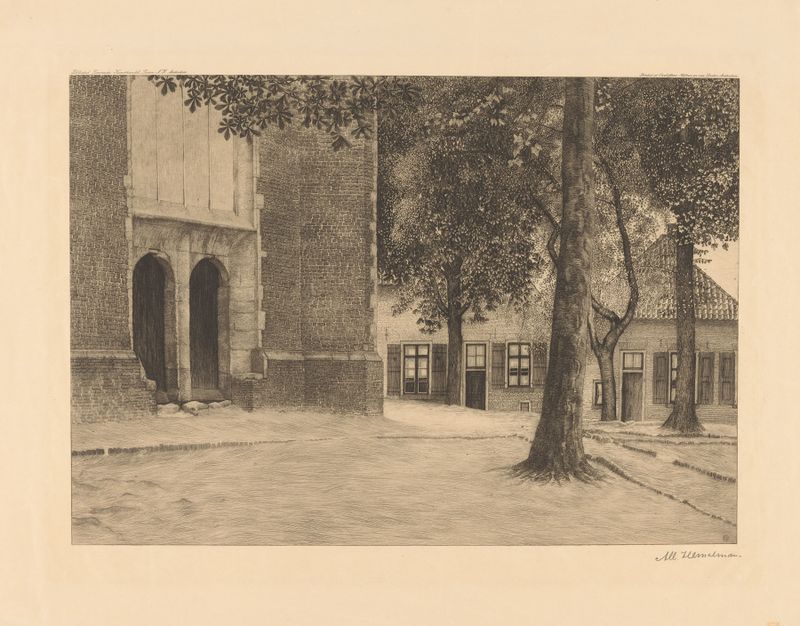
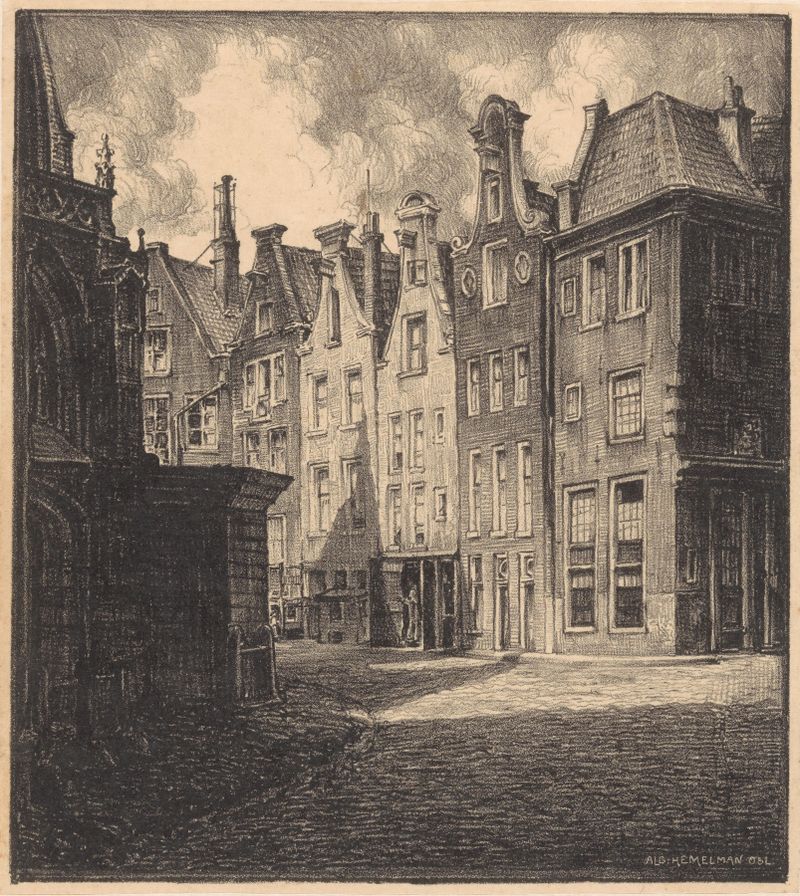
What if silence could speak through light? In Behind the Old Church, a haunting desire resonates within the interplay of shadow and illumination. Look to the center of the canvas, where the weathered stones of the church stand resolute, bathed in a golden glow. The juxtaposition of the soft light against the rugged texture highlights each crevice, revealing the passage of time. Notice the delicate play of shadows that cascade down the facade, creating a visual rhythm that draws your eye deeper into the scene.
The warm hues of amber and sepia evoke a sense of nostalgia, inviting contemplation on the stories hidden within these age-old walls. As you explore the edges of the painting, subtle details emerge. A solitary figure stands in the background, their posture suggesting a yearning for connection or perhaps reflection on loss. The overgrown ivy wraps tenderly around the church's foundation, symbolizing nature's silent reclaiming of what was once sacred.
This tension between the enduring structure and the encroaching wildness speaks volumes about desire—not just for connection, but for understanding the delicate balance between humanity and the passage of time. During the period when this work was created, Albert Hemelman was immersed in the evolving landscape of post-war art, where traditional subjects were revisited through a lens of introspection and emotional depth. The absence of a specific date suggests a fluidity in his exploration, indicative of an artist grappling with the intersections of memory and identity amid a world of change.