Bei Salzburg — History & Facts
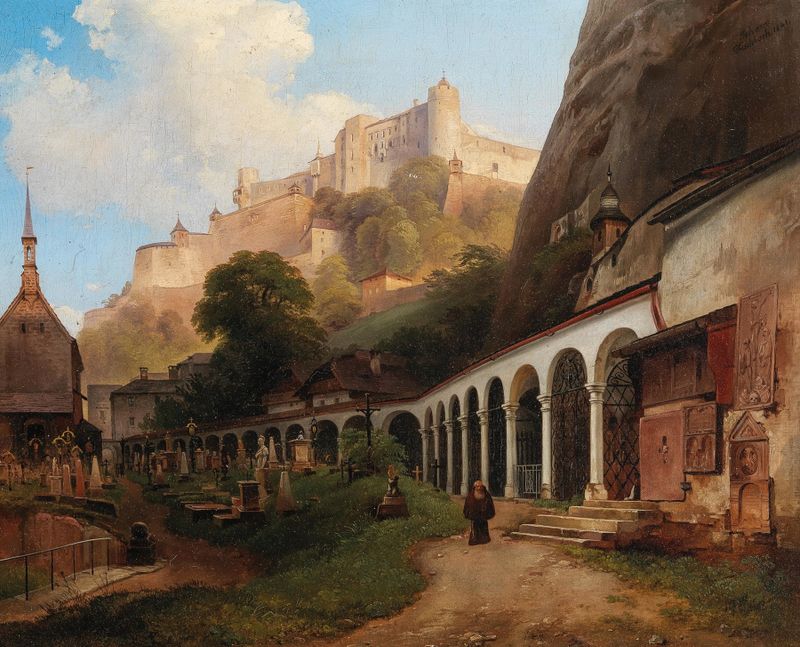
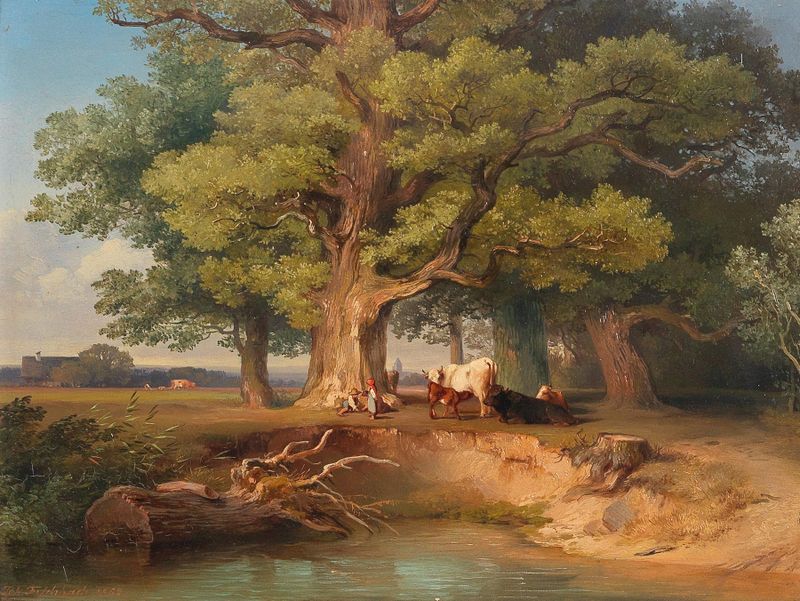
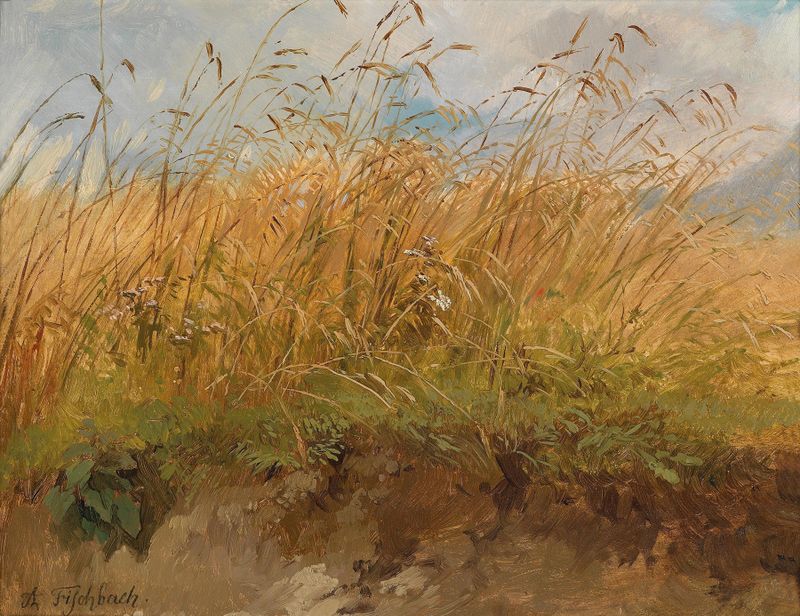
In the world of art, light dances at the intersection of chaos and clarity, revealing the unspoken truths beneath the surface of nature. Look to the foreground, where the gentle curves of rolling hills serve as a canvas for waves of vibrant greens and ochres. Notice how the light plays across the landscape, casting a warm glow that feels almost tangible. The interplay of shadow and illumination breathes life into the scene, guiding your eye through the delicate balance of color and form.
Each brushstroke seems intentional, inviting the viewer to explore the layers of depth created by the artist’s meticulous technique. The juxtaposition of serenity and vigor is palpable in this piece. The light not only represents the physical but also symbolizes hope and revelation, as it filters through the landscape, illuminating hidden corners of the composition. There’s a harmonious tension between the stillness of the land and the energy of the skies, suggesting a narrative of transformation and rebirth.
Each element, from the wispy clouds to the textured foliage, contributes to a larger theme of interconnectedness within nature’s embrace. In 1854, while creating this work, Johann Fischbach was heavily influenced by the Romantic movement, which celebrated nature's sublime qualities. He painted during a period of significant change in Europe, where the relationship between humanity and the natural world was being redefined. This piece reflects not only his personal journey as an artist but also the broader artistic conversations of the time, capturing a fleeting moment that speaks to the heart of human experience.