
Berglandschap met aquaduct L’Aqueduc — History & Facts
When did color learn to lie? In Berglandschap met aquaduct L’Aqueduc, a panorama unfolds, revealing nature’s faith in itself, even as the artist plays with hues. Look to the horizon, where the soft blues and greens intertwine, guiding your eyes toward the aqueduct that arches gracefully over the landscape. Notice how the gentle brushstrokes create a textured depth, inviting you to wander through the hills and valleys, while the vibrant clouds seem to dance above, casting fleeting shadows that shift the mood from serene to contemplative. The color palette, rich yet muted, speaks to the tranquil yet powerful essence of nature, highlighting both the grandeur of the land and the delicate structure nestled within it. Beneath the serene beauty lies a tension between the manmade and the natural.
The aqueduct symbolizes human ingenuity and resilience, yet it remains dwarfed by the sprawling landscape, reminding us of our impermanence. This juxtaposition reflects an eternal faith in nature's supremacy, while the contrasting colors evoke a sense of harmony that transcends the temporal struggles of existence. Each layer of paint whispers secrets of the earth’s endurance against the passage of time, leaving the viewer in admiration of both creation and creator. Lodewijk Schelfhout painted this piece in 1912, during a period when the art world was transitioning between realism and modernism.
He was based in Belgium, where the influences of the avant-garde movements began to ripple through the artistic community. Schelfhout’s work reflects both the serene beauty of the countryside and the burgeoning appreciation for color and light that was beginning to define this new era in art.
More Artworks by Lodewijk Schelfhout
Browse all →
Hollands landschap met boerderij en weiland
Lodewijk Schelfhout
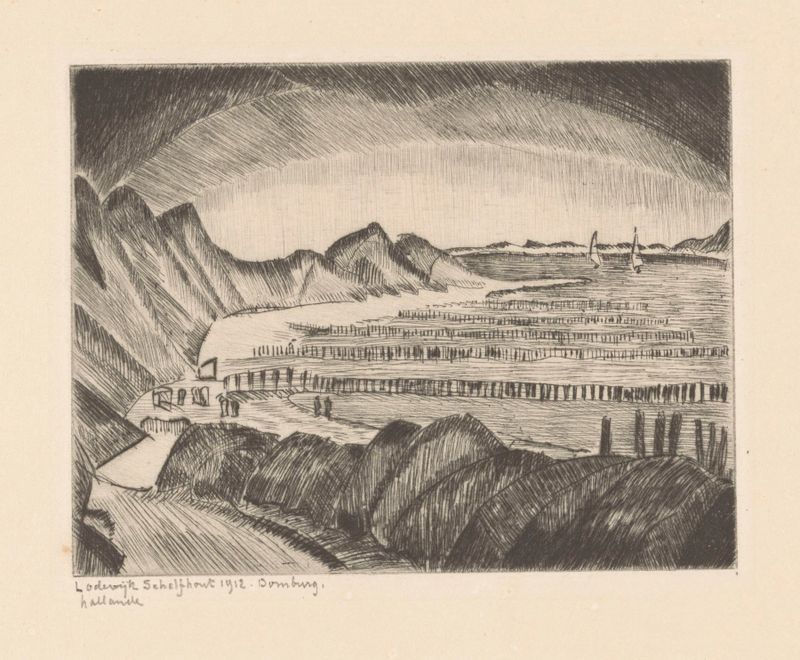
Strand van Domburg Plage de Dombourg
Lodewijk Schelfhout
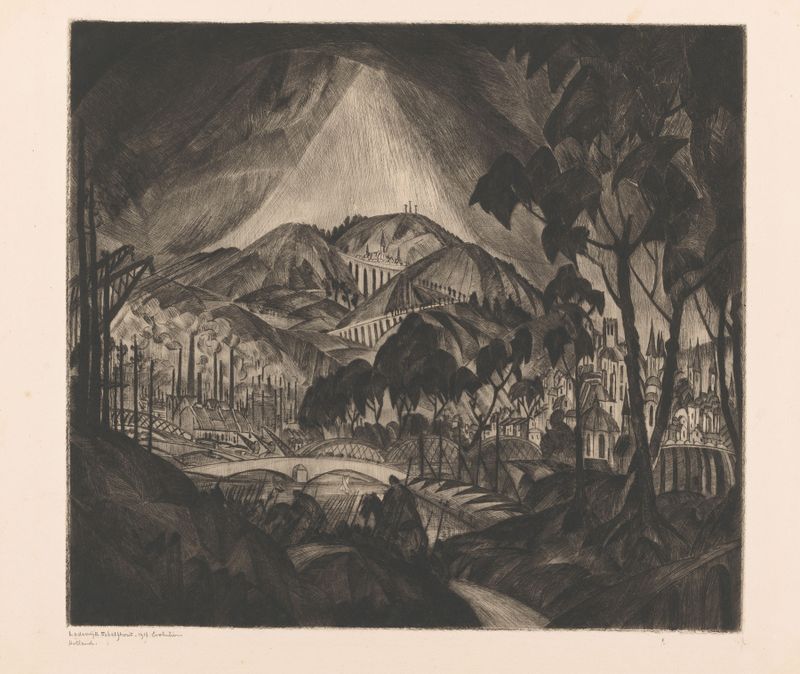
Heuvellandschap met industrie
Lodewijk Schelfhout
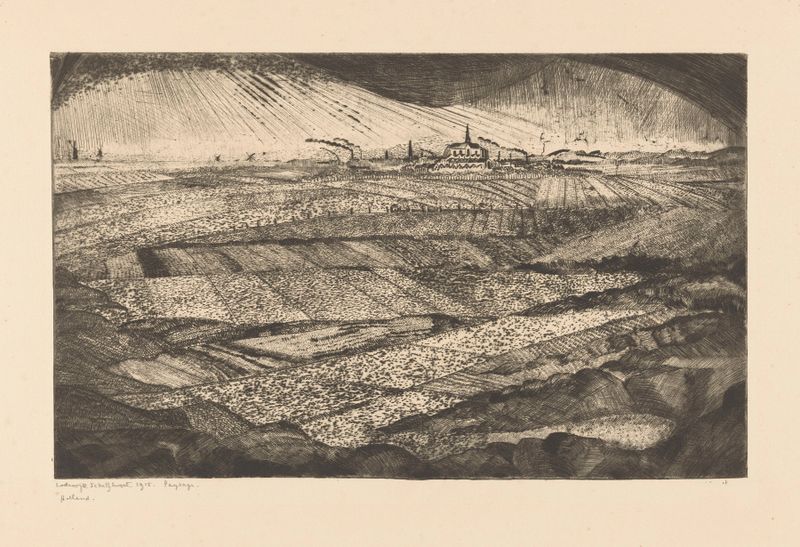
Paysage
Lodewijk Schelfhout
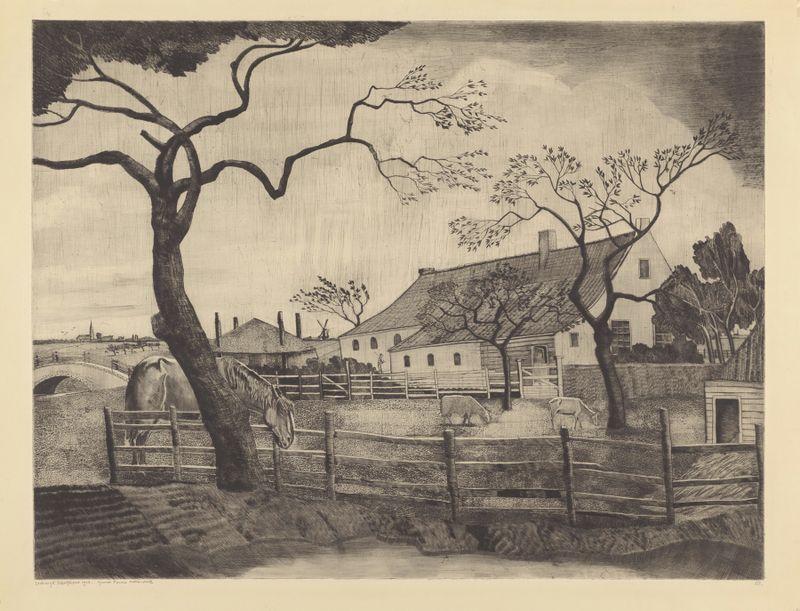
Boerderij met vee in Holland
Lodewijk Schelfhout
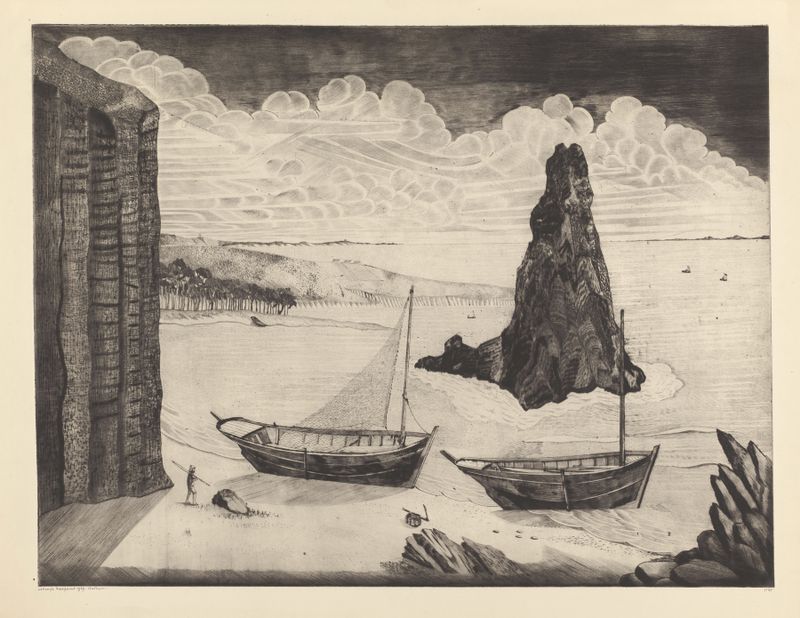
Twee afgemeerde schepen op een strand
Lodewijk Schelfhout
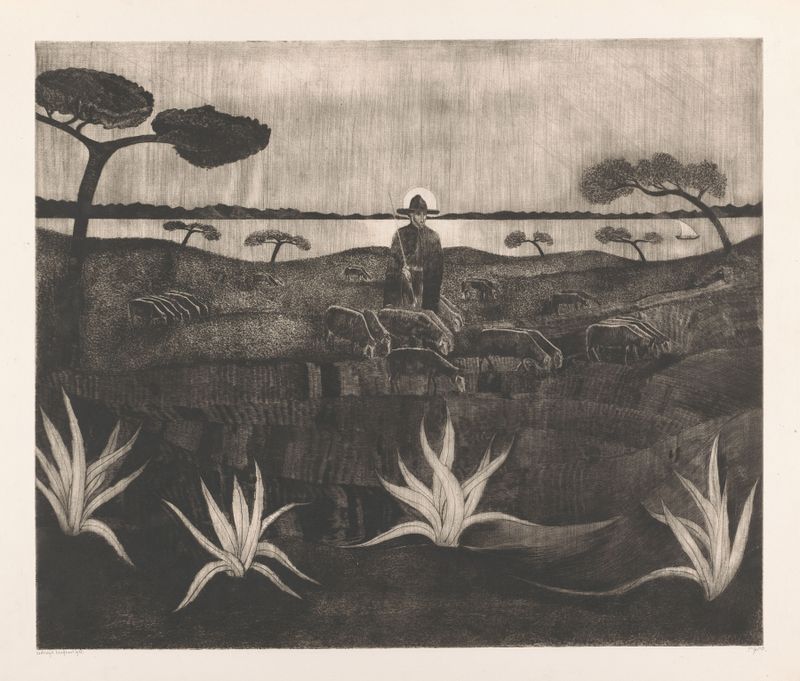
Herder met een kudde schapen in een heuvellandschap
Lodewijk Schelfhout
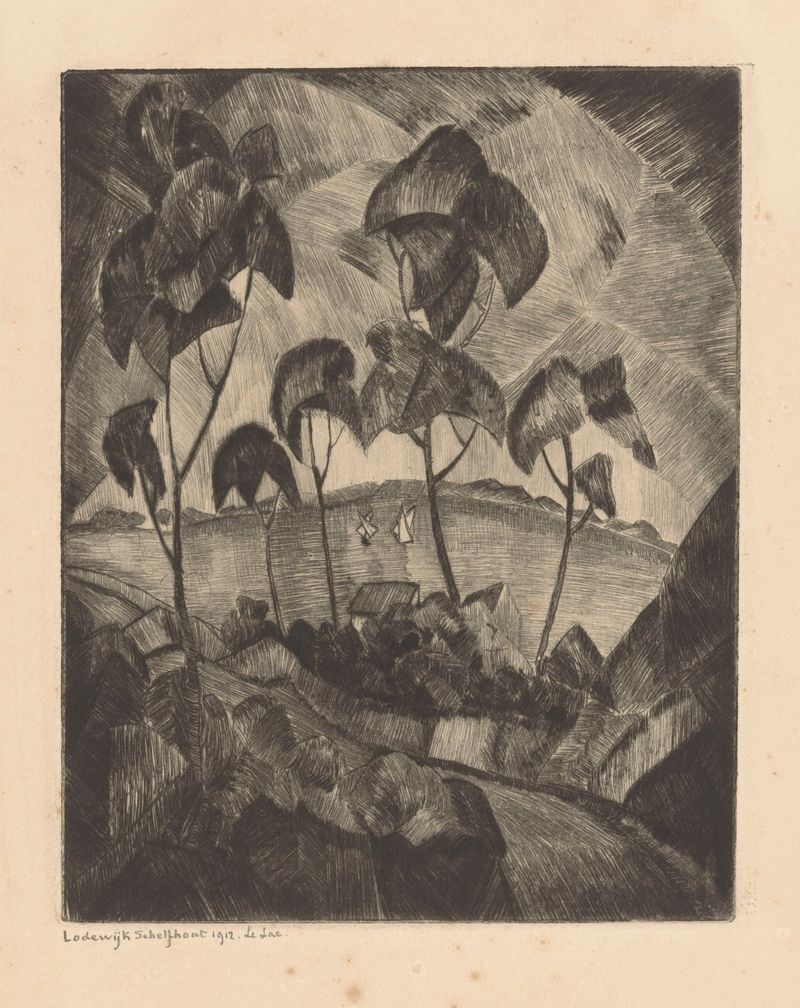
Meer in een heuvellandschap Le Lac
Lodewijk Schelfhout

Heuvellandschap met sparren
Lodewijk Schelfhout

Ploegende boer met een os bij Etikhove
Lodewijk Schelfhout





