
Twee afgemeerde schepen op een strand — History & Facts
Could beauty survive in a century of chaos? In the midst of tumultuous times, artists like Lodewijk Schelfhout sought solace and meaning in nature's embrace, crafting images that resonate with resilience. Look to the horizon in Twee afgemeerde schepen op een strand, where two anchored ships lie serenely against a backdrop of tranquil sand and lapping waves. The muted palette, composed of soft, earthy tones, envelops the scene, inviting the viewer to linger. Notice how the interplay of light and shadow dances across the hulls of the vessels, their textures rich with stories untold.
The careful brushwork conveys not only the physicality of the ships but also their emotional weight, rooted in a silence that speaks volumes. Within this composition, one can discern a profound tension between stasis and the inevitable change brought on by time. The ships, seemingly at rest, symbolize both security and stagnation, while the shifting tides in the background hint at a world in flux. This contrast evokes a contemplation of permanence amidst the fleeting nature of existence.
The painting captures a moment of pause before the potential upheaval of the external world, calling to mind the revolutionary currents of the era it was created in. In 1929, as Europe teetered on the brink of political upheaval, Schelfhout found himself in a period marked by introspection. Living in the Netherlands, he was influenced by the remnants of Impressionism while incorporating a unique sense of realism. The calmness of his coastal scenes provided an escape from the chaos around him, reflecting a longing for stability in an unstable world.
This work emerges as not just an artistic statement, but a meditation on the endurance of beauty against the backdrop of impending revolution.
More Artworks by Lodewijk Schelfhout
Browse all →
Hollands landschap met boerderij en weiland
Lodewijk Schelfhout
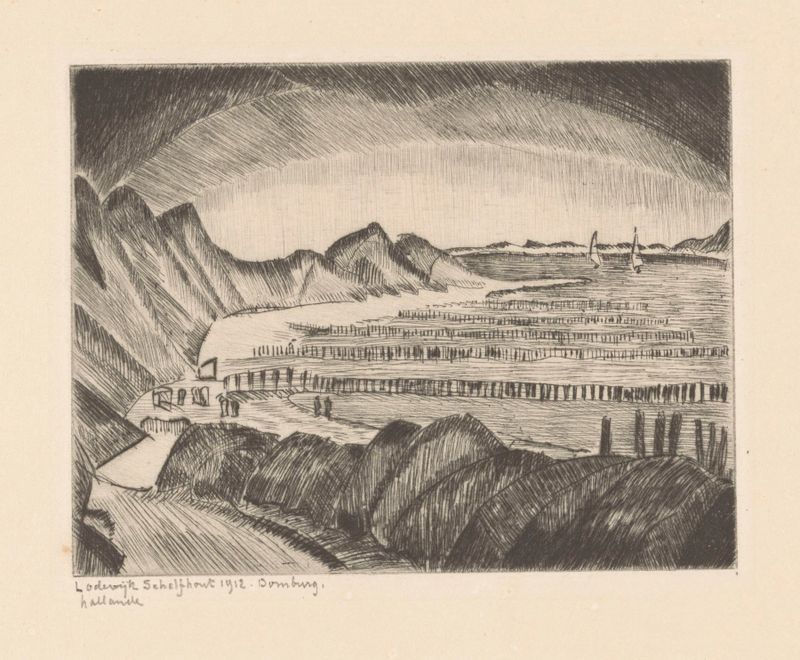
Strand van Domburg Plage de Dombourg
Lodewijk Schelfhout
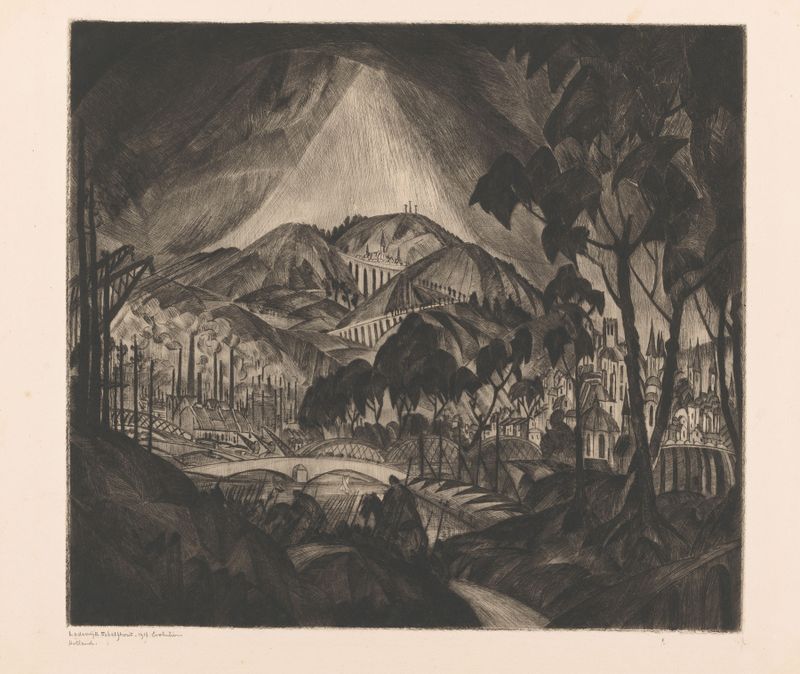
Heuvellandschap met industrie
Lodewijk Schelfhout
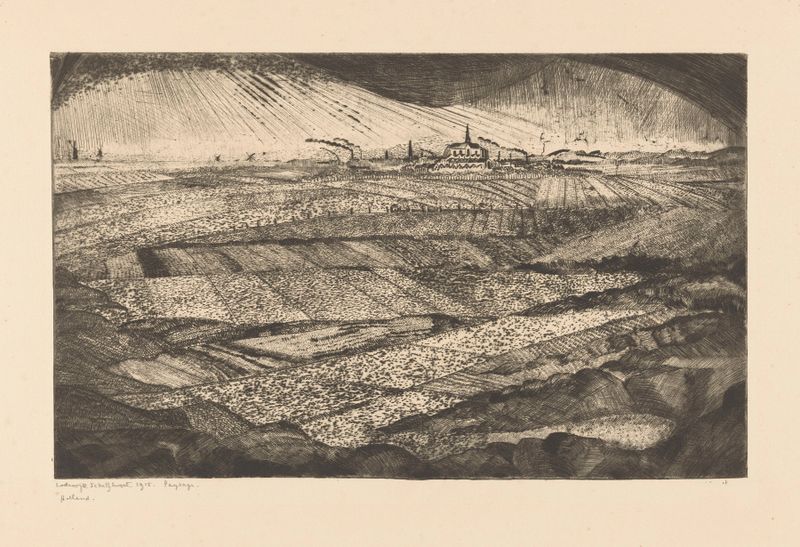
Paysage
Lodewijk Schelfhout
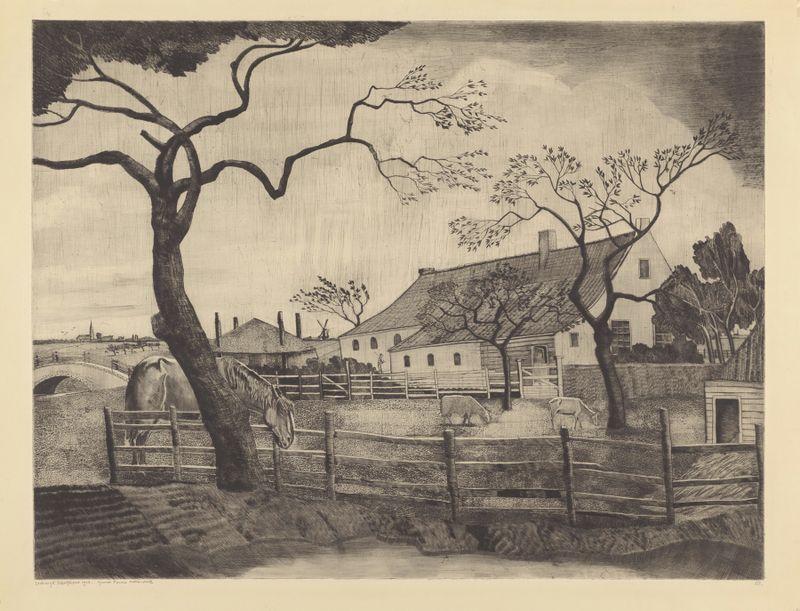
Boerderij met vee in Holland
Lodewijk Schelfhout
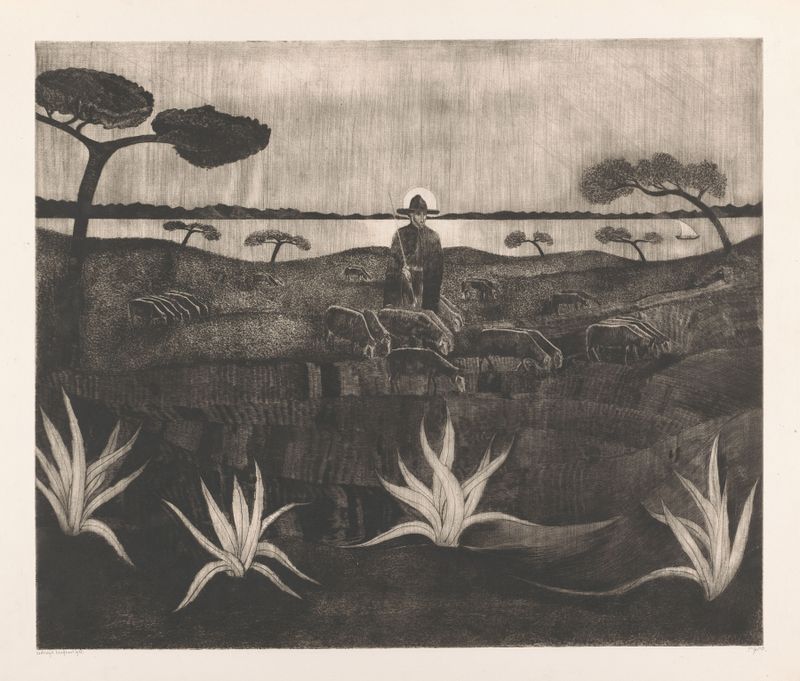
Herder met een kudde schapen in een heuvellandschap
Lodewijk Schelfhout
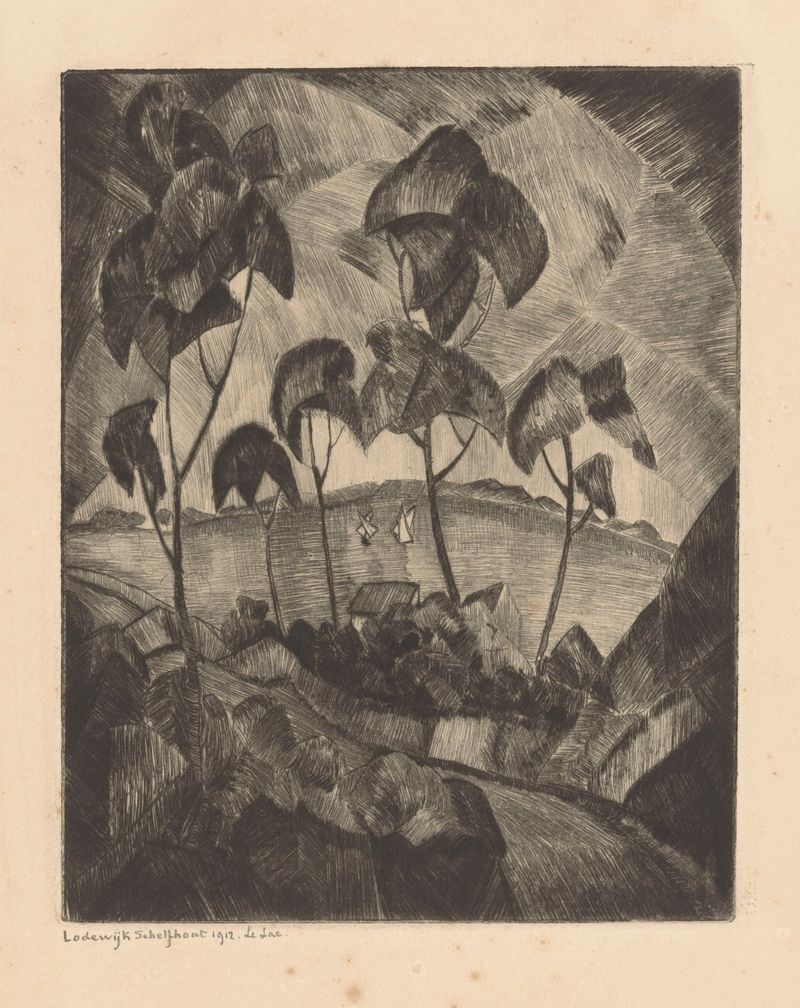
Meer in een heuvellandschap Le Lac
Lodewijk Schelfhout

Heuvellandschap met sparren
Lodewijk Schelfhout

Berglandschap met aquaduct L’Aqueduc
Lodewijk Schelfhout

Ploegende boer met een os bij Etikhove
Lodewijk Schelfhout





