
Berndt Otto Schauman — History & Facts
What draws the eye first in Berndt Otto Schauman by Albert Edelfelt is the unwavering gaze of its subject, a man whose thin spectacles and tightly pressed lips suggest a life of discipline and intellect. The light falls cleanly across his face, accentuating the sharp lines of cheek and jaw, while the rest of the composition recedes into muted shadow. The starched white collar and dark, formal jacket are rendered with a studied restraint, their crispness a counterpoint to the softness of the background.
A stack of books anchors the lower right, hinting at a world of scholarship or duty, while a framed landscape on the wall behind him quietly expands the space, as if to remind us that this man’s thoughts might range far beyond the confines of the room. Portraits like this, painted in the late nineteenth or early twentieth century, often served as both private homage and public record, marking the achievements or character of notable citizens. In Finland, as across Europe, artists such as Edelfelt were commissioned to capture not just a likeness but the very bearing of their sitters—men and women whose lives shaped institutions, families, or towns. The painting now hangs in the Cygnaeus Gallery in Helsinki, a city where history and art are closely entwined.
Though little is recorded about this particular work’s journey, its presence in the gallery today invites us to look closely, to read the subtle codes of posture and setting, and to imagine the world that produced both the sitter and the artist.
More Artworks by Albert Edelfelt

The Day of Rest
Albert Edelfelt
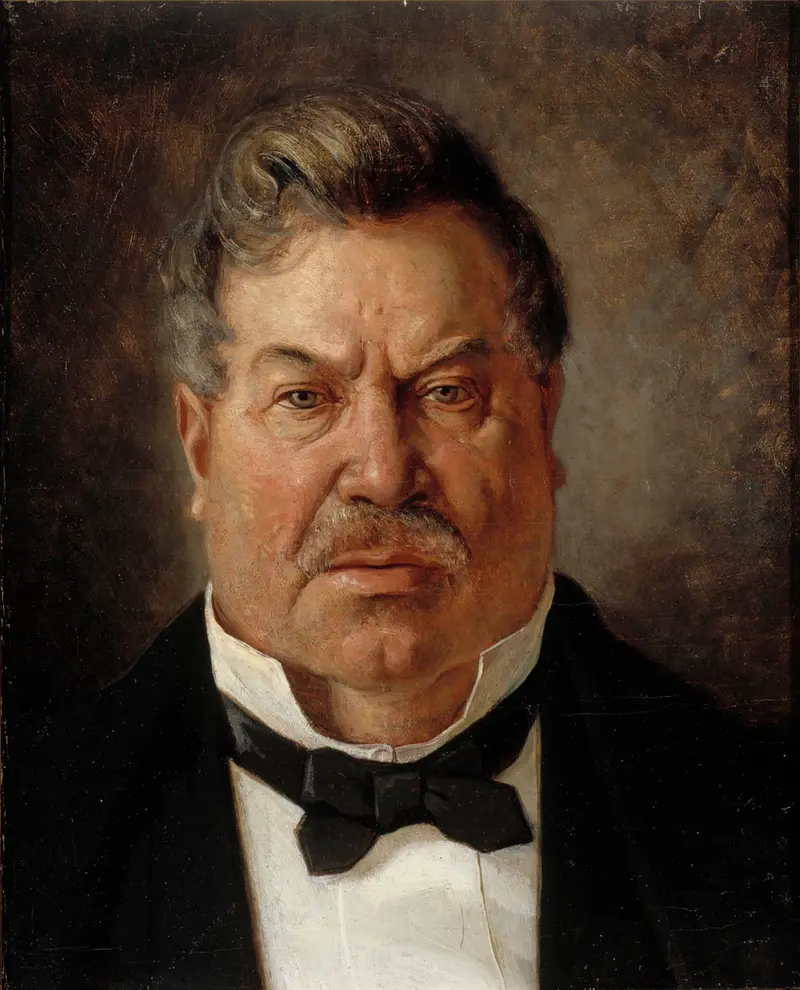
Portrait of August Streng
Albert Edelfelt
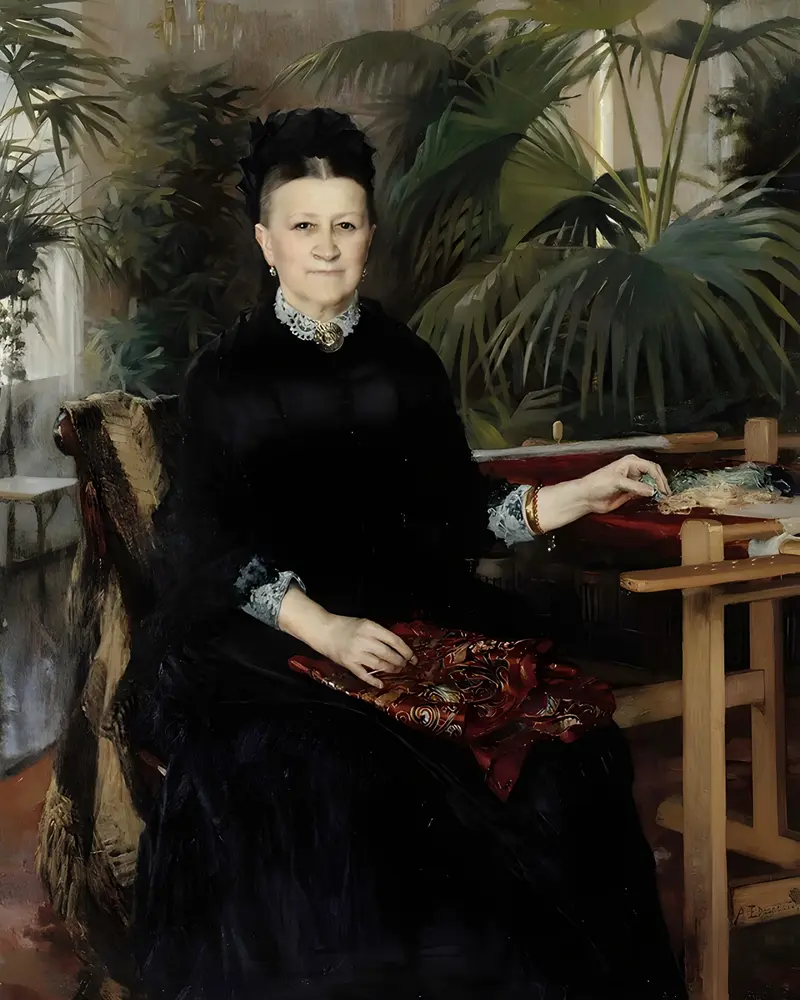
Portrait Of Mrs. Anna Sinebrychoff
Albert Edelfelt

The Poet, Larin Paraske
Albert Edelfelt

Parisian lady in a Peignoir
Albert Edelfelt
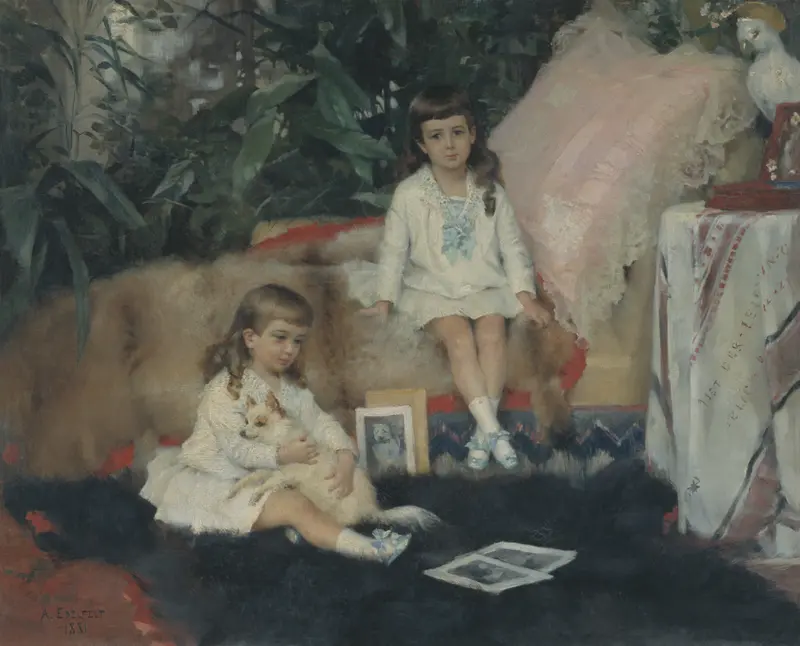
The Grand Dukes Boris and Kirill Vladimirovich as Children
Albert Edelfelt
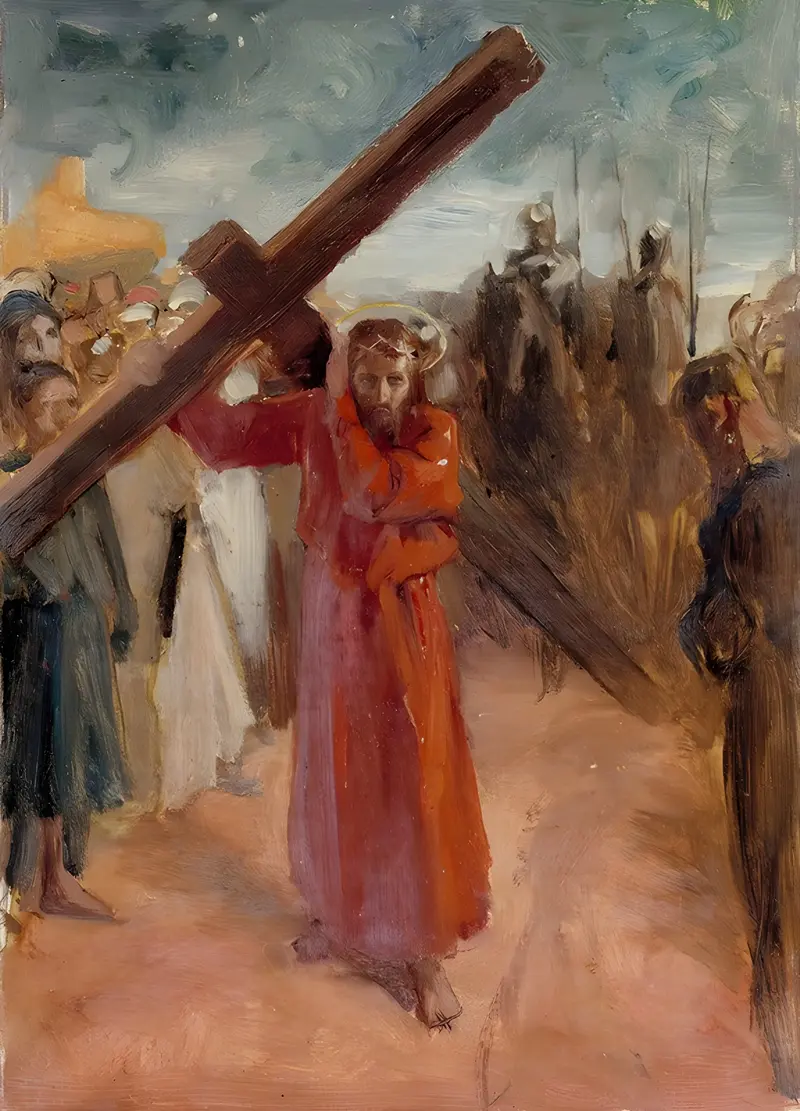
Christ Bears The Cross
Albert Edelfelt
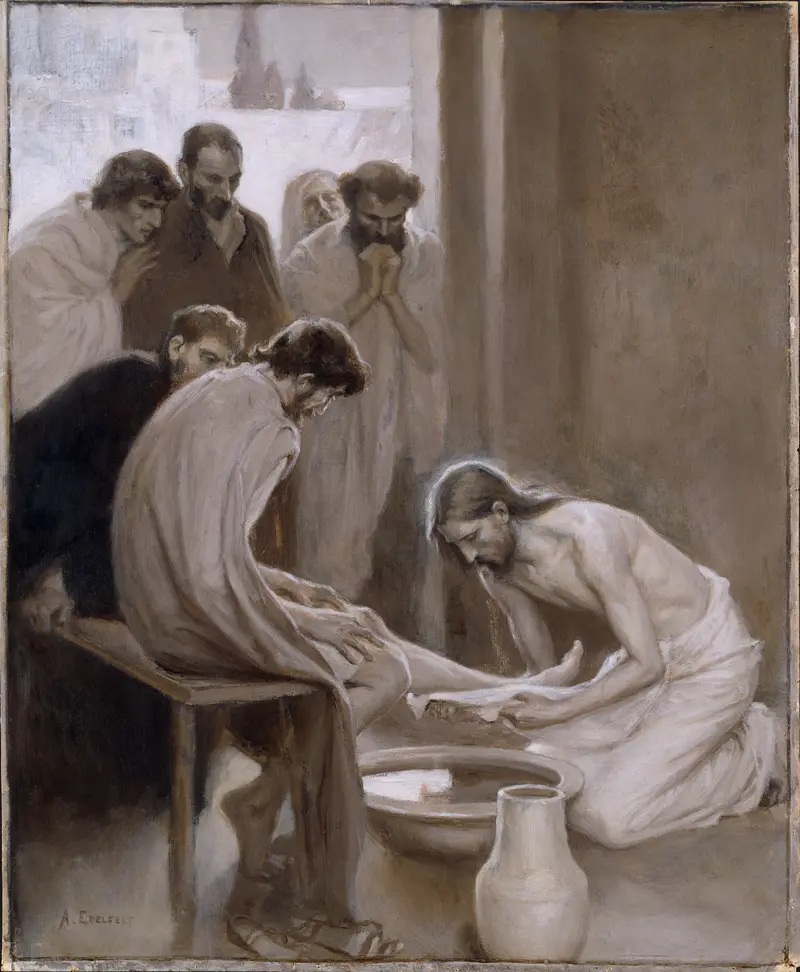
Jesus Washing the Feet of his Disciples
Albert Edelfelt

Larin Paraske with Kantele
Albert Edelfelt
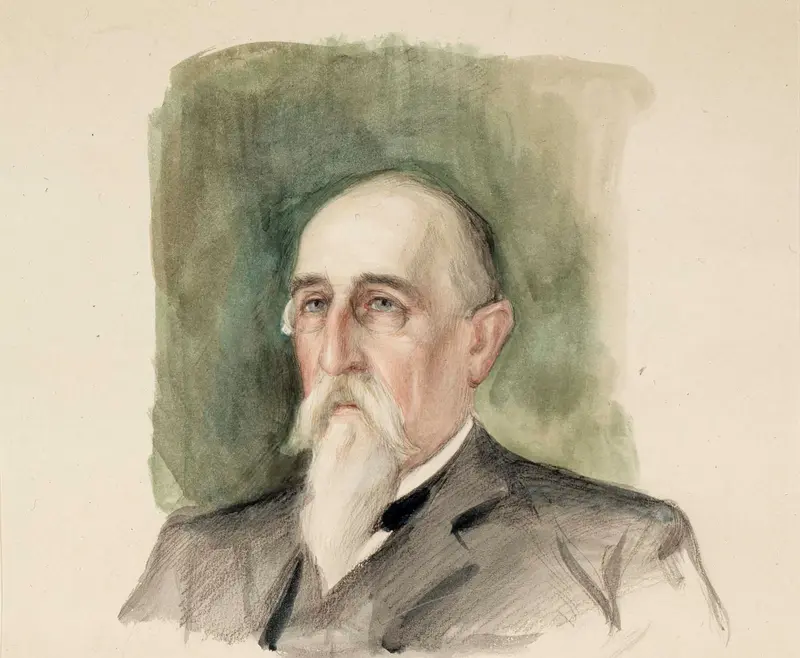
Leo Mechelin, Portrait Study
Albert Edelfelt





