Bielsko — History & Facts
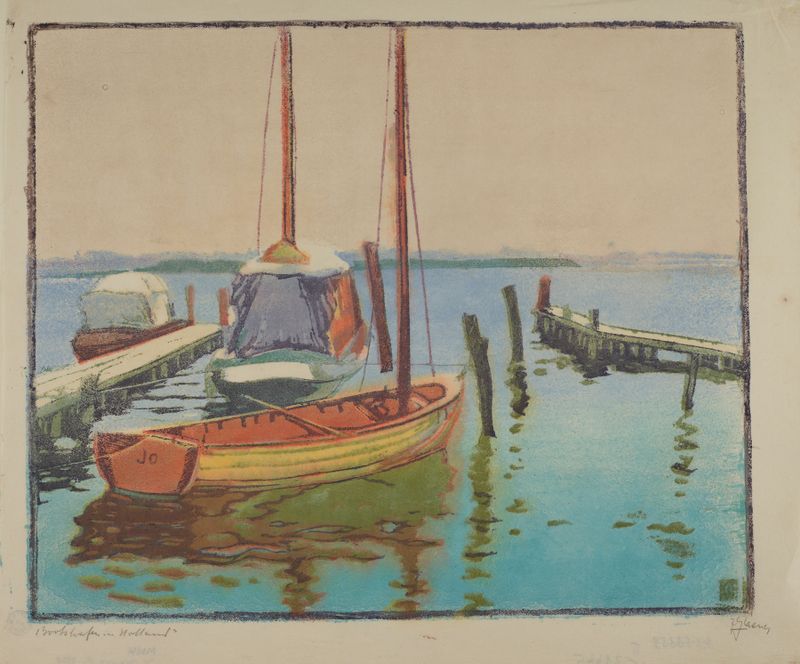
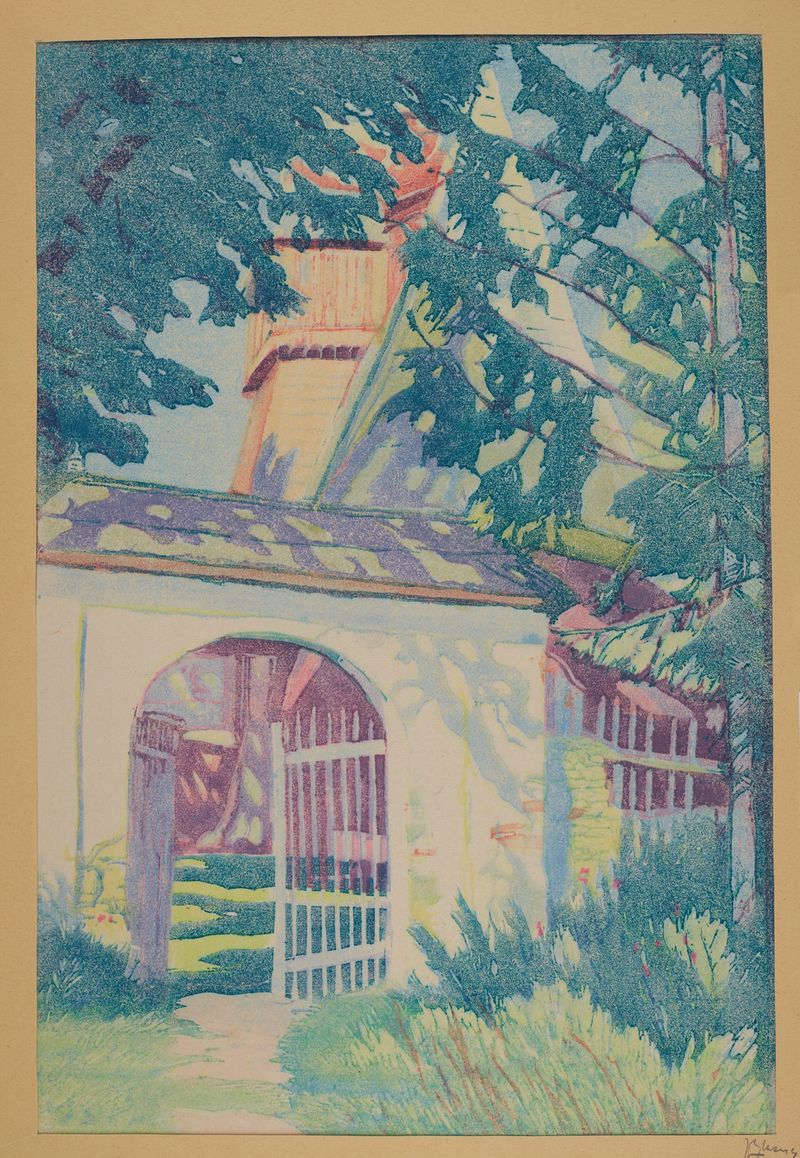
Where does light end, and longing begin? In the interplay of shadows and soft glows, the heart wrestles with the specters of betrayal. Focus on the luminous horizon that stretches across the canvas, where a wash of gold and deep blues converge, hinting at both dawn and dusk. The delicate brushwork creates a tapestry of texture, inviting the viewer to explore the nuances of the landscape. Wisps of clouds drift overhead, while the stillness of water reflects the vibrant yet conflicting colors, symbolizing the duality of hope and despair.
Each stroke reveals the artist's intent, capturing the essence of a moment steeped in emotional complexity. Notice the solitary figure positioned at the foreground's edge, poised yet distant, embodying the act of contemplation. The slight tilt of their head and the elongated shadows cast by the fading light suggest an inner turmoil, as if they are grappling with the aftermath of a betrayal. The contrast between the warm glow of the horizon and the cooler tones of the figure’s surroundings emphasizes this tension, capturing the bittersweet nature of longing for both presence and absence. In 1928, Glasner produced Bielsko during a time of personal upheaval and transformation in the art world.
Living in Poland, he was influenced by the emerging modernist movements that challenged traditional aesthetics. The painting reflects his exploration of emotional depth and human experience, resonating with the turbulent socio-political landscape of post-World War I Europe, where themes of loss, hope, and resilience flourished amidst shadows of betrayal.