Fair in Wadowice — History & Facts
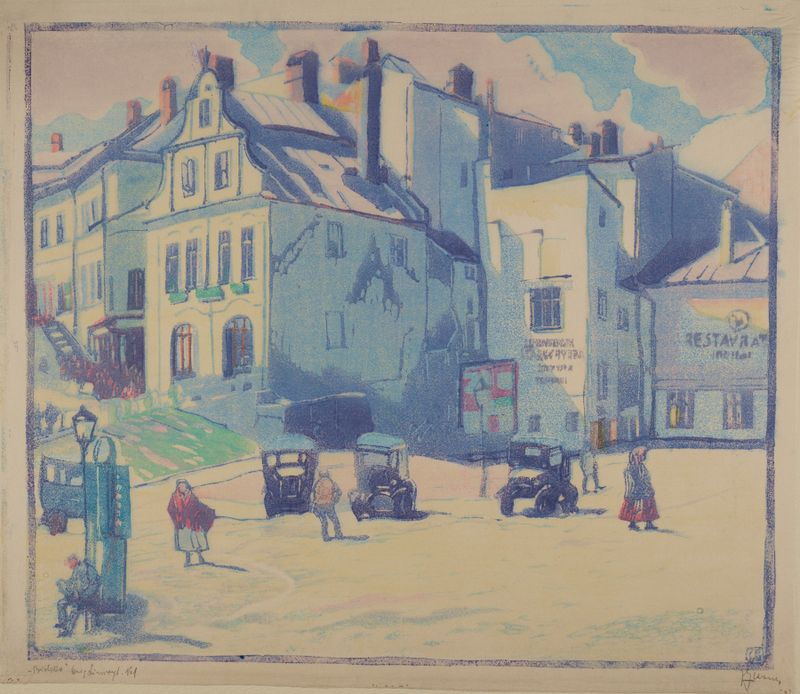
In the tapestry of a fair, where laughter echoes and vibrant hues dance, a moment of awakening unfolds beneath the surface. Here, every shade whispers stories of life, each character a brushstroke in the grand narrative of existence. Focus on the bustling activity in the foreground. Notice the lively figures, their expressions a mix of joy and contemplation, intertwined with the chaos of the fair.
The artist employs bold colors—deep reds and yellows—that leap off the canvas, creating a sense of movement and urgency. The composition draws the eye from the gleeful children to the vendors, capturing the heart of celebration while subtly hinting at an underlying tension. Amidst the vibrancy, there lies a contrast of quietude—the muted tones of the background juxtapose the lively foreground, suggesting that even in festivity, significant emotions simmer just below. The varied gestures of the figures tell tales of connection and isolation; while they are all together, each person seems absorbed in their own world, hinting at a collective experience tinged with solitude.
This duality invites the viewer to reflect on the nature of community and the personal journeys we undertake. In 1918, when this piece was created, Glasner found himself in a world emerging from the shadows of war, exploring themes of renewal and hope. Living in Poland, he navigated a country deeply marked by conflict and transformation. This era of artistic experimentation and national identity profoundly influenced his work, as he sought to capture the essence of human experience amidst societal change.