By the hills – Zakopane — History & Facts
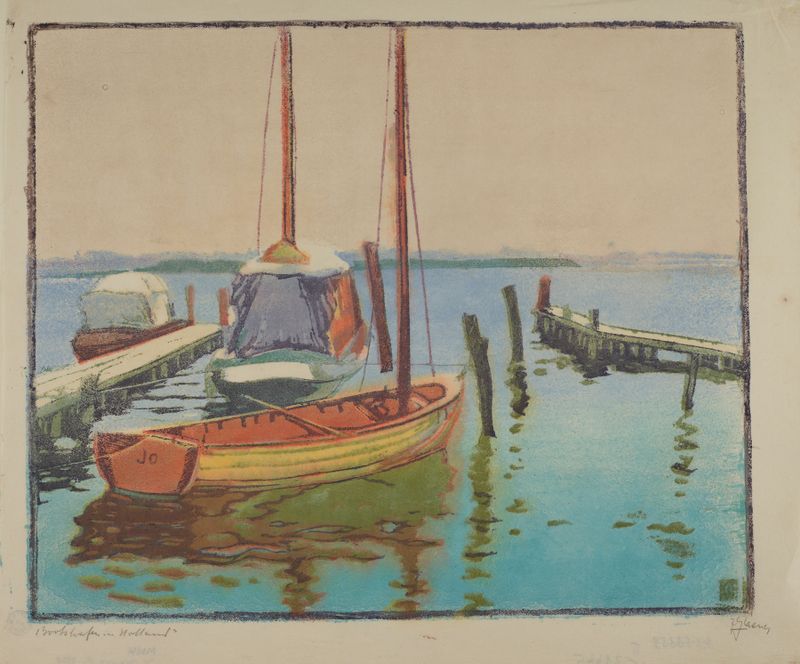
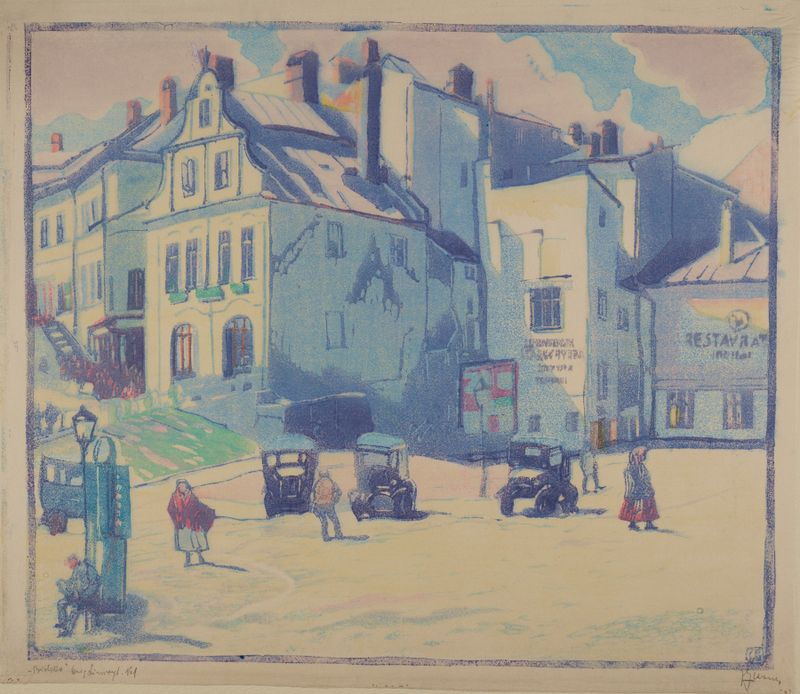
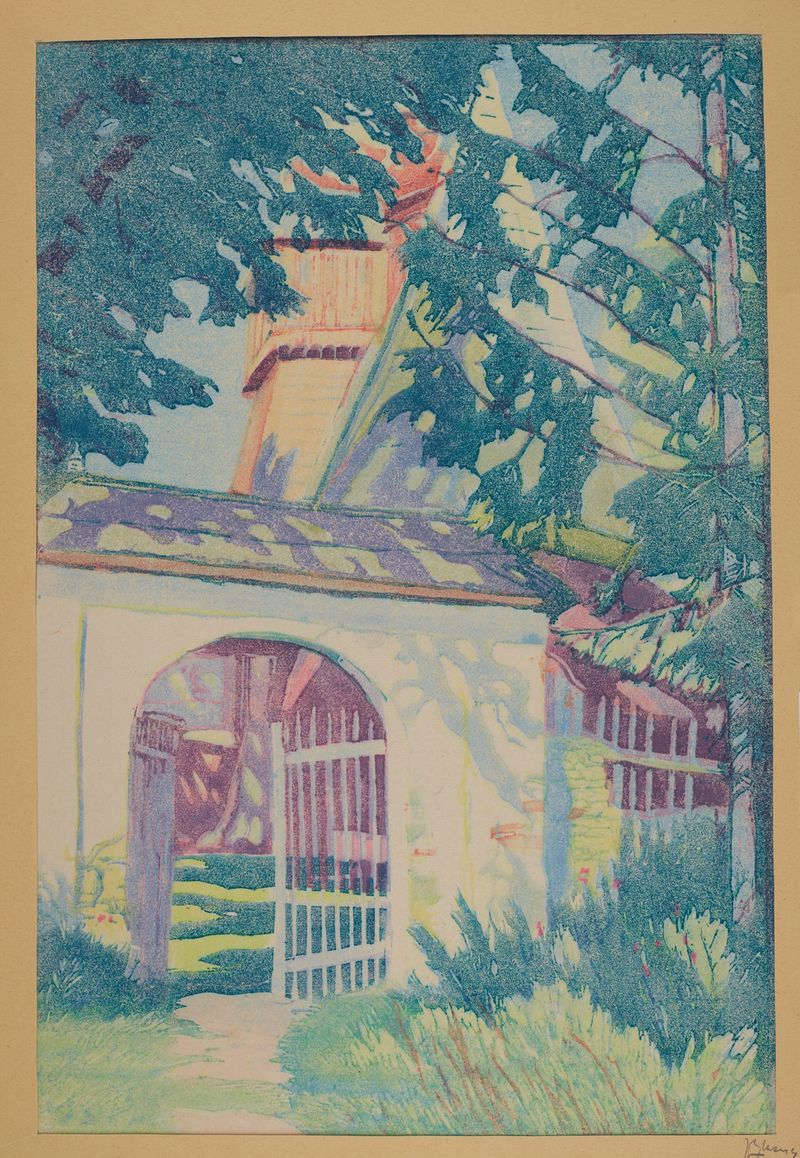
What if silence could speak through light? In the quiet embrace of a fading day, the interplay of shadows and hues narrates a poignant tale of absence and yearning. Focus on the gentle undulations of the hills that cradle the tranquil village below. Notice how the artist employs a soft palette of muted greens and dusky blues, drawing the viewer's gaze toward the distant peaks. The delicate brushstrokes create a sense of movement, as if the landscape itself breathes in the fading light.
Small details—the wisps of clouds and the glimmering rooftops—invoke a bittersweet nostalgia, compelling one to linger in this serene yet melancholic moment. Beneath the surface, there's a profound exploration of loss. The hills, majestic yet distant, symbolize the unattainable, while the quiet village evokes the weight of solitude. The interplay of light and shadow captures the essence of reminiscence; it is a reminder of what once was, stirring emotions of longing within the beholder.
This tension between beauty and sorrow resonates deeply, inviting contemplation of the fragility of existence. In 1925, the artist worked in the picturesque setting of Zakopane, Poland, a time when the art scene was embracing modernism while still rooted in tradition. Glasner, influenced by his surroundings, was navigating personal challenges and artistic aspirations, striving to capture the essence of his homeland while grappling with the broader cultural shifts that defined the era. His works reflect a delicate balance between the external world and intimate feelings, a testament to the power of landscape to evoke profound human experiences.