
Bird hunting party, on a levee with marsh grasses along the shore — History & Facts
It silently holds the tension between the thrill of the hunt and the fragility of life, poised at the edge of violence and serenity. Look to the horizon where the shallow waters meet the sky, creating a vast canvas of muted blues and greens. The levee rises gently, framed by marsh grasses that sway in a whispering breeze. The figures of hunters—clad in earthy tones—stand alert, poised with rifles in hand, their gazes fixed, embodying a moment filled with anticipation.
Notice the play of light on the water’s surface, reflecting both the calmness of nature and the ominous undercurrents of the pursuit. Beneath the surface of this seemingly tranquil landscape lies a profound dichotomy. The juxtaposition of the serene background with the hunters’ silent readiness reveals an unsettling truth about life and death. The marsh, teeming with hidden vitality, contrasts sharply with the palpable threat of their presence, creating an uneasy tension.
Each detail, from the way the grasses bend to the hunters' focused stares, encapsulates a moment where beauty and violence intertwine, prompting reflection on the ethics of sport and survival. In 1858, the artist painted this scene at a time when America was grappling with themes of nature, industry, and the changing landscape of leisure pursuits. A prominent figure in the Hudson River School, he captured the complexities of the American wilderness, reflecting the tensions inherent in humanity’s relationship with the environment. This work emerges not only from his artistic vision but also from a society at a crossroads, where recreation often intersected with the rawness of existence.
More Artworks by James Fuller Queen
Browse all →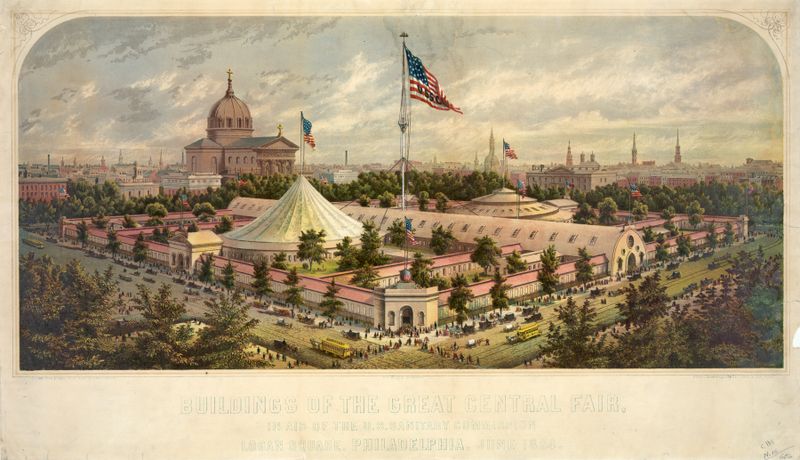
Buildings of the Great Central Fair, in aid of the U.S. Sanitary Commission, Logan Square, Philadelphia, June 1864
James Fuller Queen
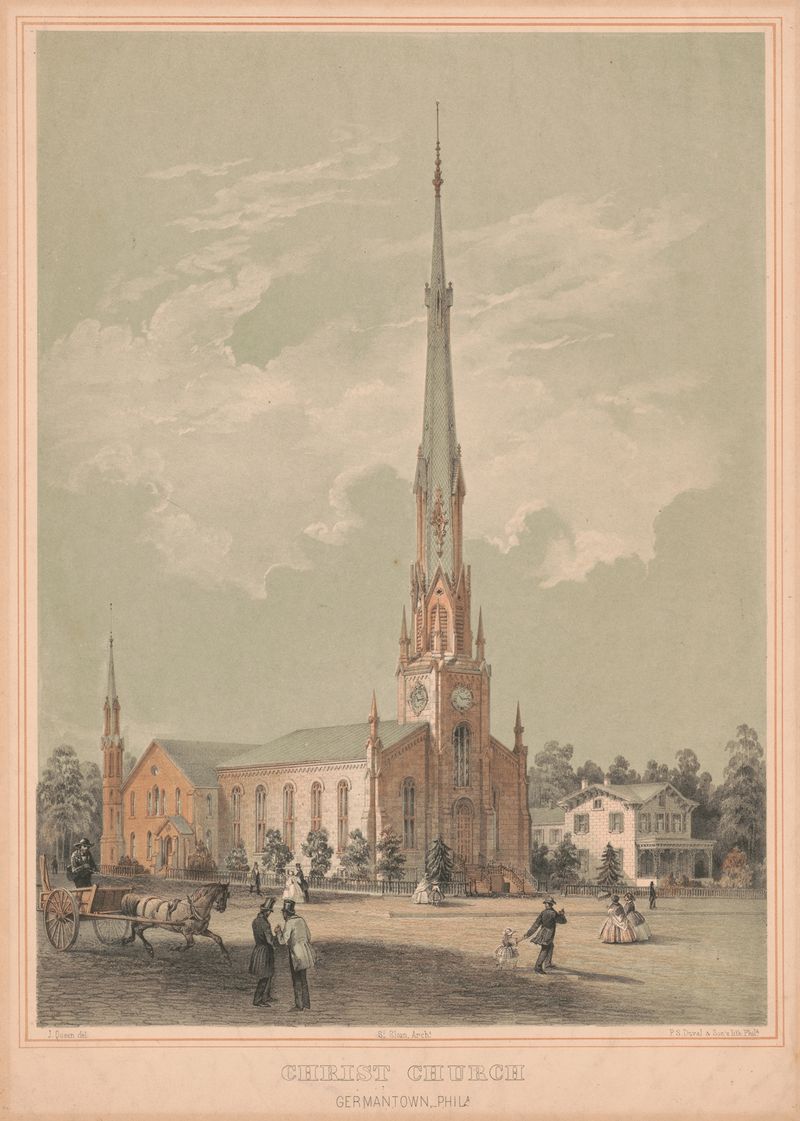
Christ Church, Germantown, Phila.
James Fuller Queen
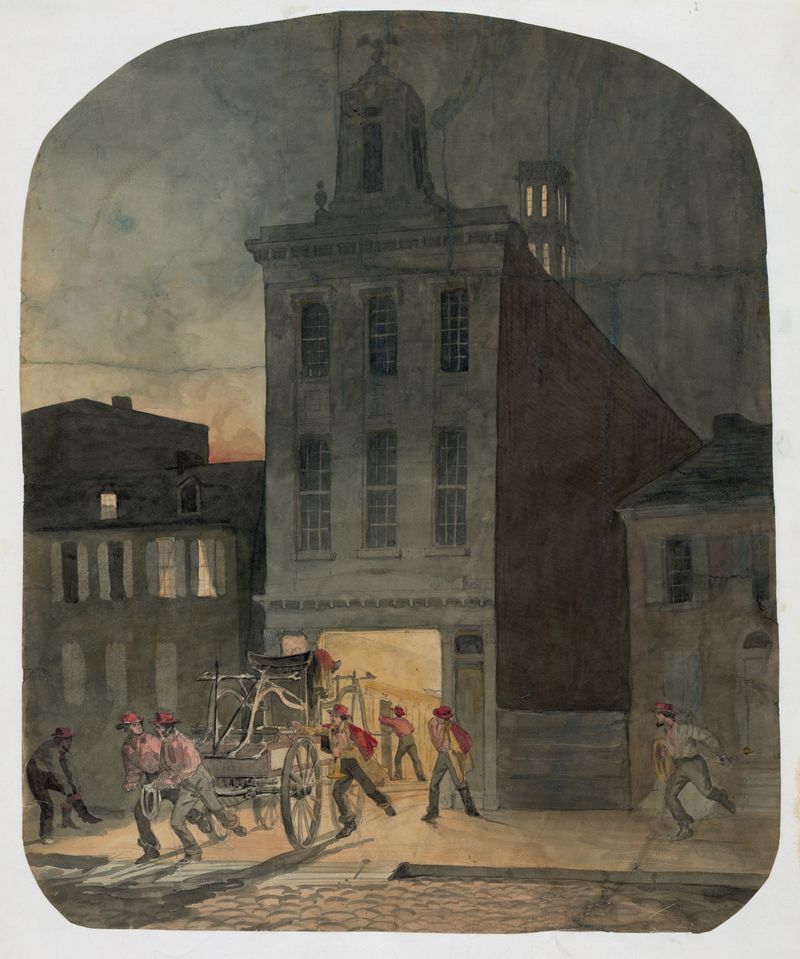
Firehouse scene in Philadelphia showing firemen from the Weccacoe Engine Company
James Fuller Queen
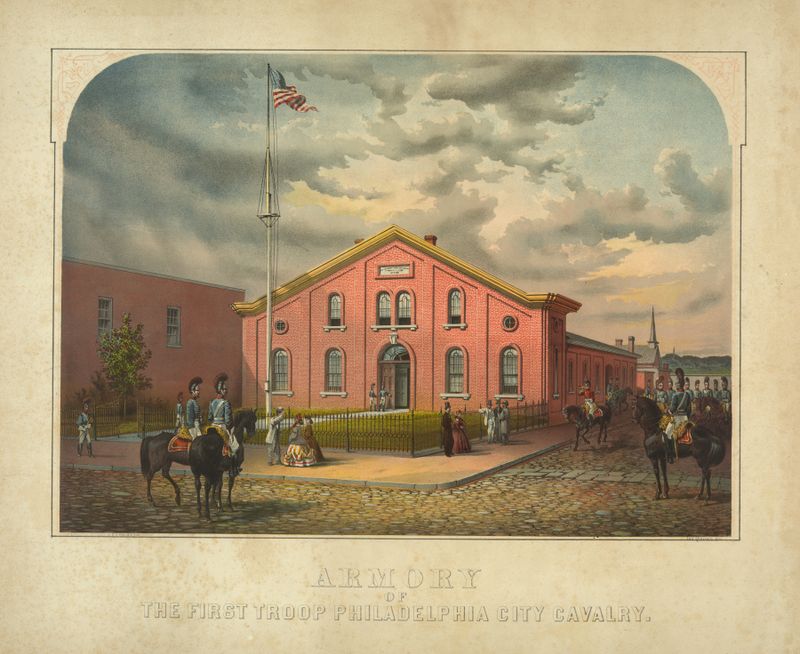
Armory of the First Troop Philadelphia City Cavalry
James Fuller Queen
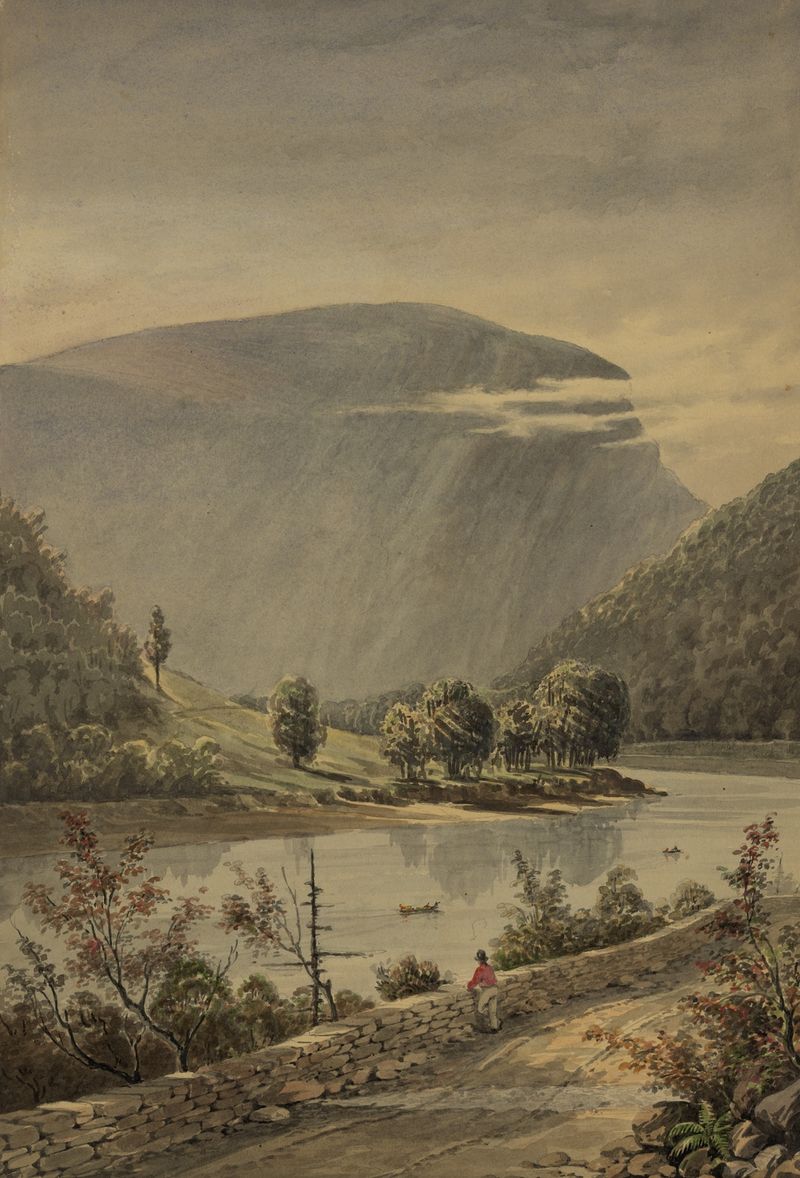
Delaware Water Gap
James Fuller Queen
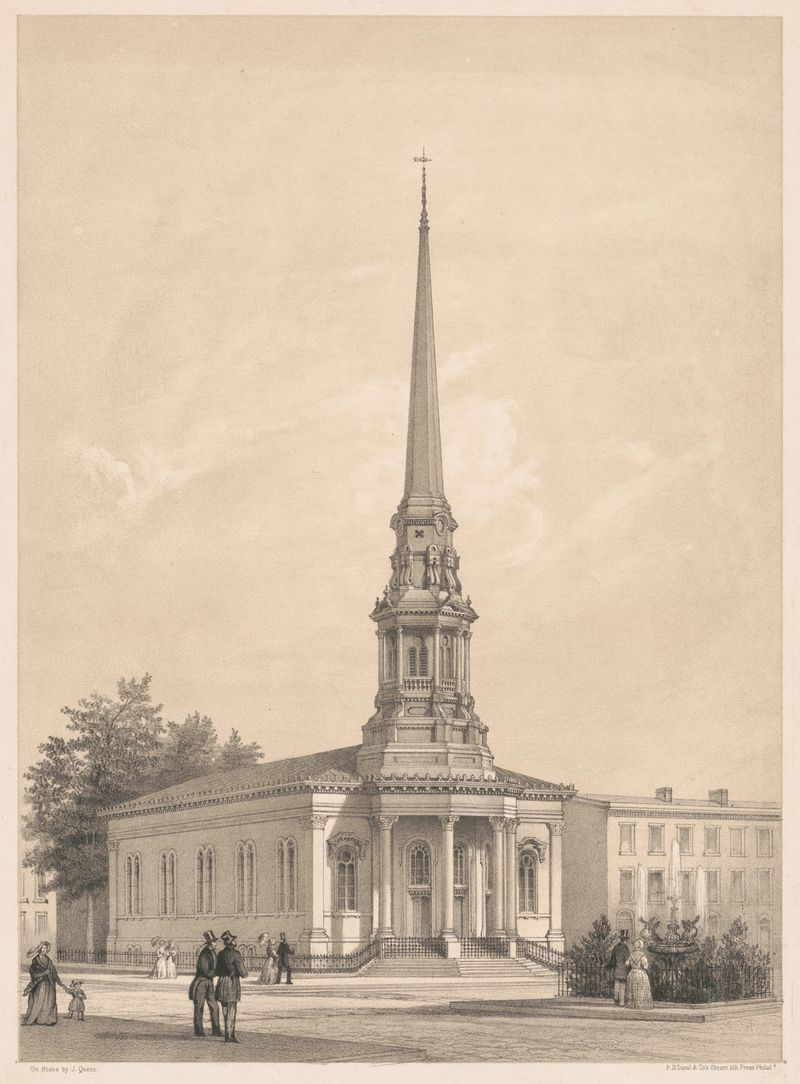
The Fourth Baptist Church, N.W. corner of Fifth & Buttonwood Streets, Philadelphia
James Fuller Queen
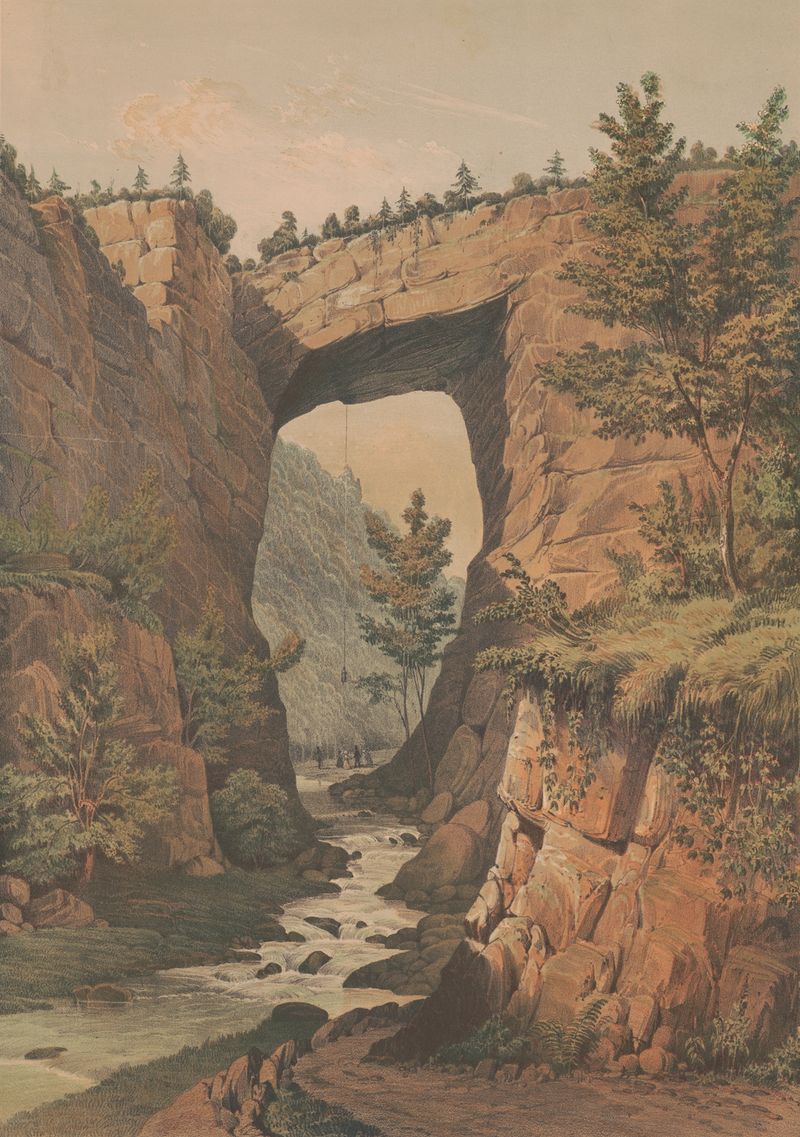
The natural bridge, Rockbridge County, Va. from a sketch by Maj. Ths. H. Williamson
James Fuller Queen
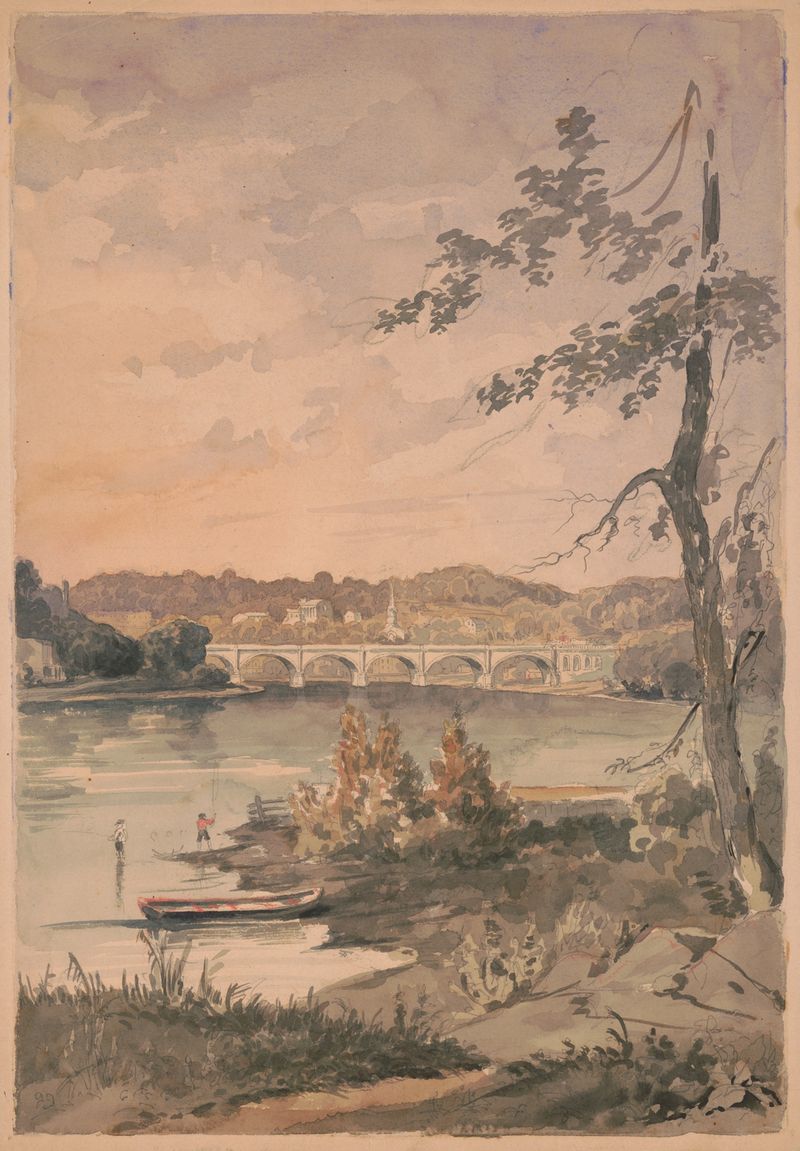
Boys fishing on the banks of the Schuylkill River in Philadelphia
James Fuller Queen

Schuylkill Arsenal at sunset, from across the Schuylkill River, looking west
James Fuller Queen

Explosion of the Alfred Thomas at Easton Pa. March 6th 1860
James Fuller Queen





