
Blackfriars Bridge and St. Paul’s — History & Facts
What if beauty was never meant to be finished? In Blackfriars Bridge and St. Paul’s, Francis Nicholson invites us to ponder the fleeting essence of time and the permanence of memory. Look to the left, where the bridge arches gracefully over the river, its rhythmic lines drawing the eye towards the grand silhouette of St. Paul’s Cathedral, rising majestically against the sky.
Notice how the soft, muted palette bathes the scene in a gentle glow, a delicate interplay of blues and greys that evokes the quiet serenity of a moment suspended in time. The brushwork is loose yet intentional, allowing the viewer to feel the movement of air and water, while beckoning them to linger on the reflections that ripple across the surface. Delve deeper into the contrasts that define this piece: the sturdy bridge juxtaposed with the ethereal presence of the cathedral embodies the tension between human achievement and the inevitable passage of time. Each stroke seems to whisper the stories of lives that have crossed that bridge, while the clouds overhead hint at the transient nature of existence.
One can sense a longing in the artist’s choice to capture not just a scene, but an experience, ultimately reminding us that while the physical world may change, our memories endure. In 1790, Nicholson painted this work while living in London, a city on the cusp of change amidst the Industrial Revolution. The art world was shifting towards Romanticism, embracing emotion and individual expression. At this time, Nicholson was establishing his reputation, and his interpretation of urban landscapes resonated with a burgeoning audience craving connection to their surroundings amid the rapid transformations of modern life.
More Artworks by Francis Nicholson
Browse all →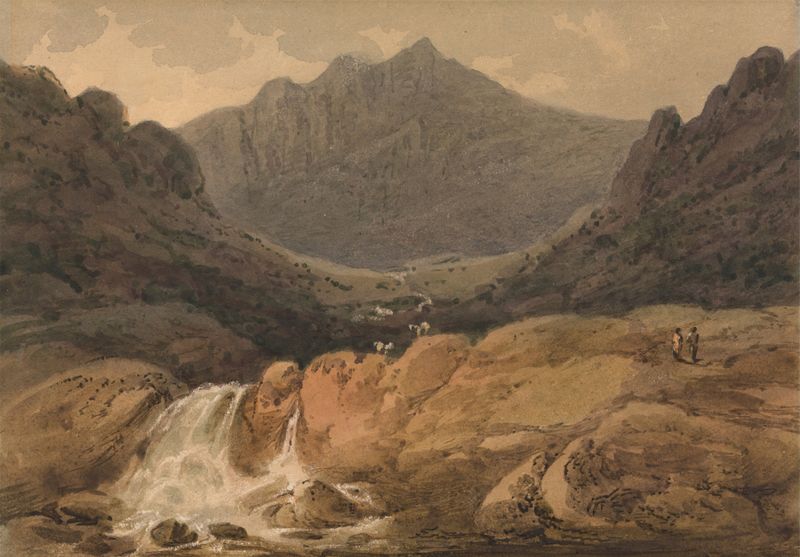
Cader Idris, North Wales
Francis Nicholson
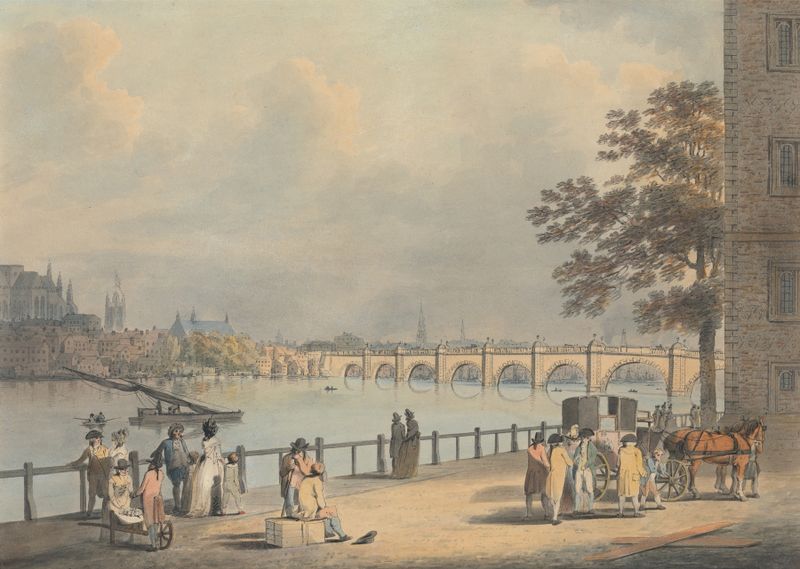
Westminster from the South Bank
Francis Nicholson
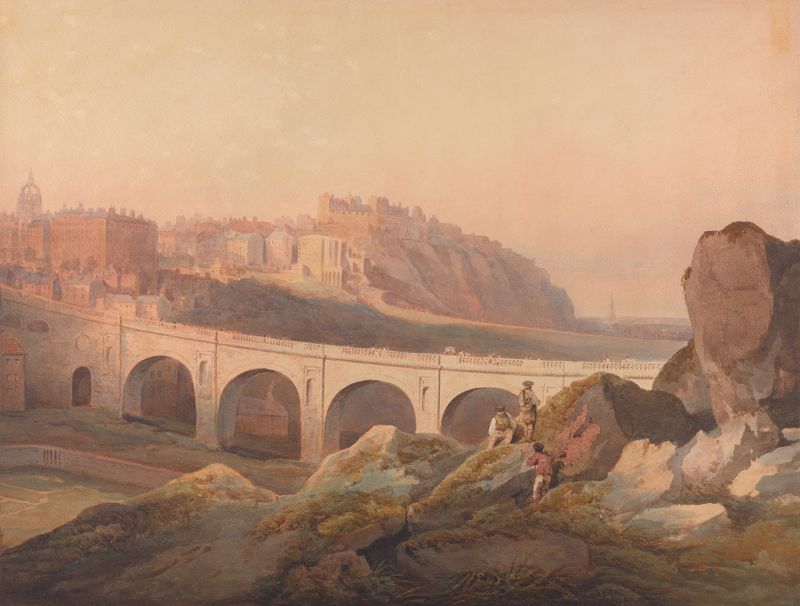
View of Edinburgh from Calton Hill
Francis Nicholson
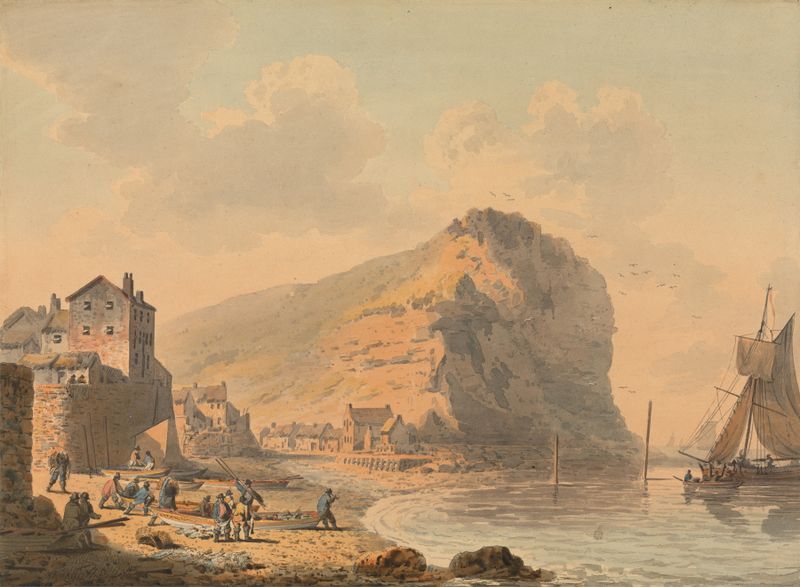
Staithes, Yorkshire
Francis Nicholson
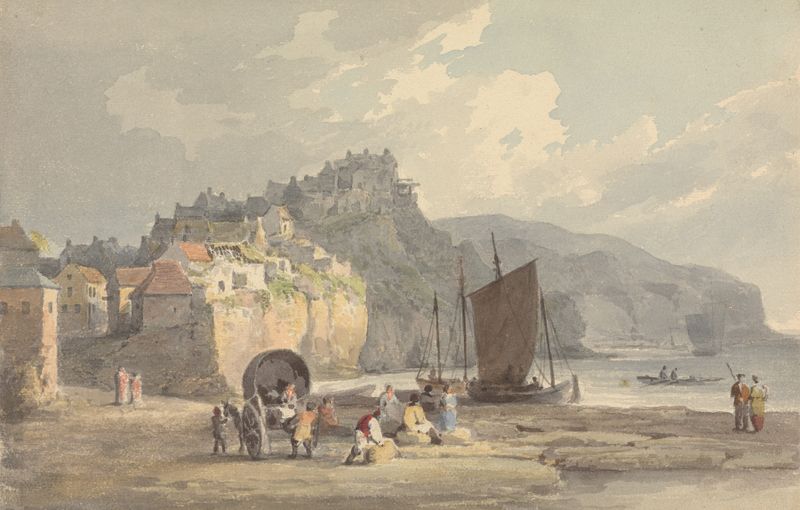
Robin Hood’s Bay, Yorkshire
Francis Nicholson
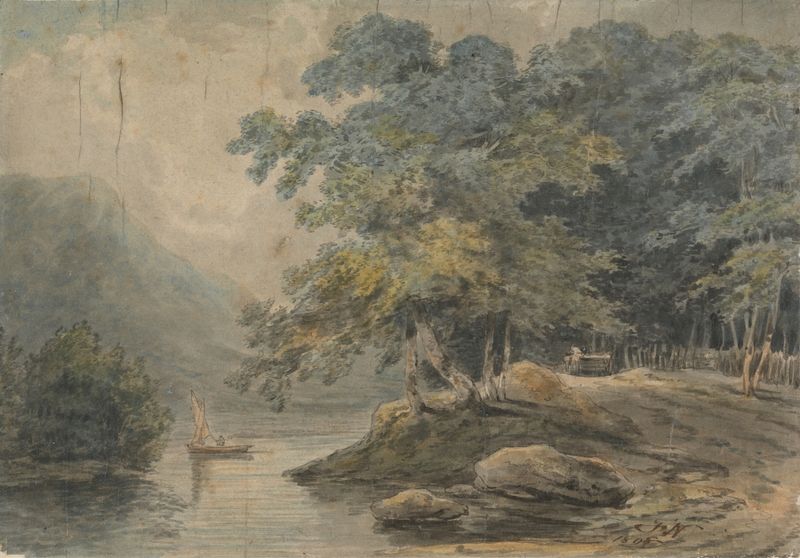
River Scene
Francis Nicholson
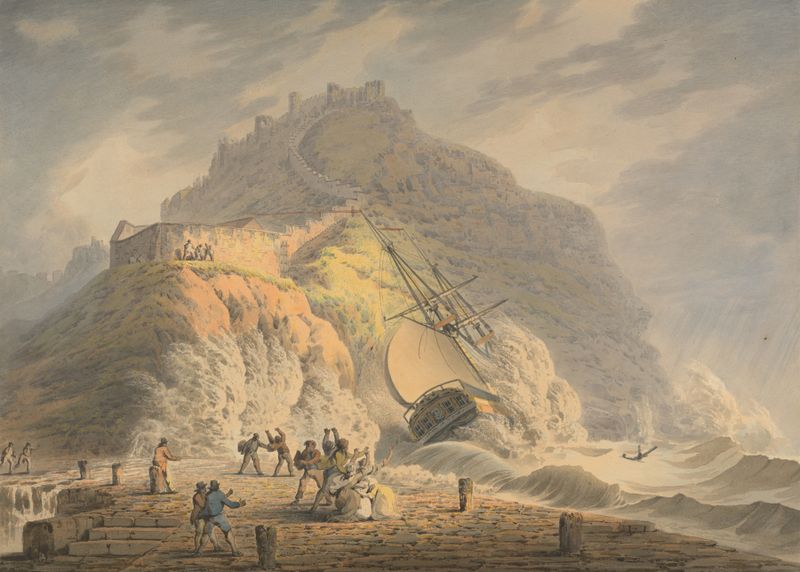
Scarborough; Shipwreck at the Foot of the Castle Cliff
Francis Nicholson
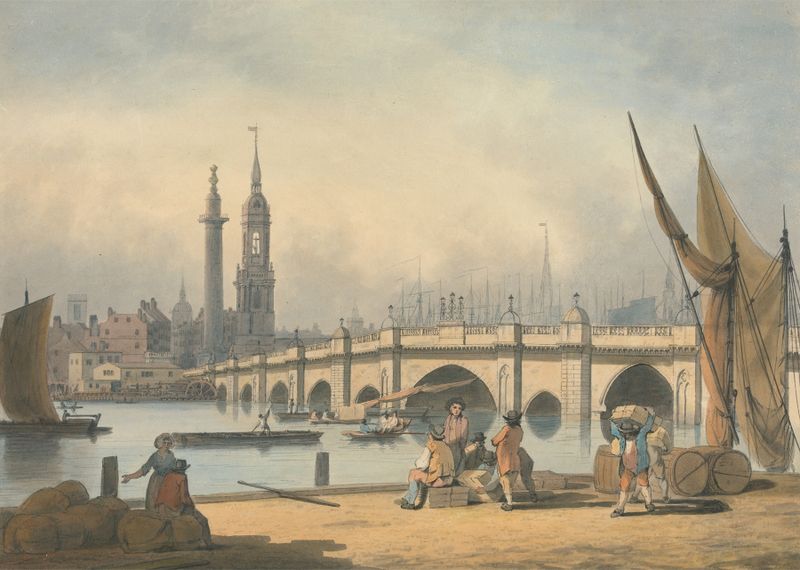
London Bridge and The Monument
Francis Nicholson
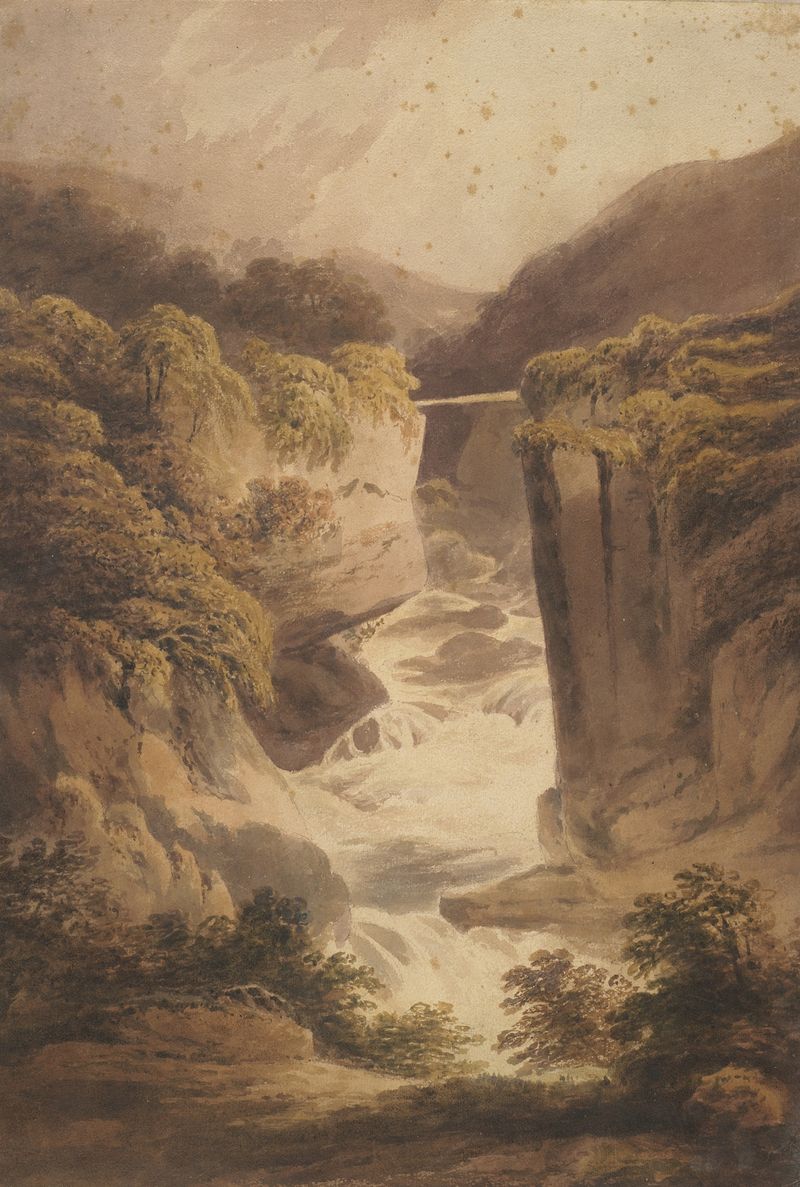
Mountain torrent
Francis Nicholson
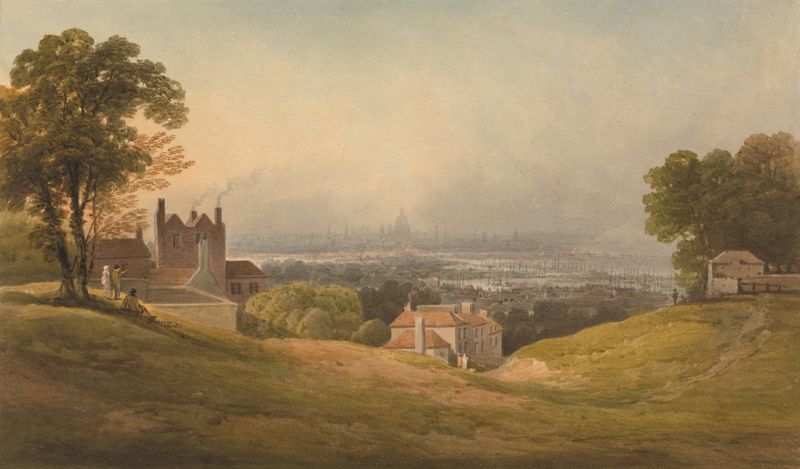
London from Blackheath
Francis Nicholson
More Architecture Art
Browse all →
The statue of Liberty
Frédéric Auguste Bartholdi

View of Houses in Delft, Known as ‘The Little Street’
Johannes Vermeer

View of Houses in Delft, Known as ‘The Little Street’
Johannes Vermeer

The Cathedral in Rouen. The portal, Grey Weather
Claude Monet

The yellow house
Vincent van Gogh

The Church in Auvers-sur-Oise, View from the Chevet
Vincent van Gogh