
Scarborough; Shipwreck at the Foot of the Castle Cliff — History & Facts
Who listens when art speaks of silence? In Scarborough; Shipwreck at the Foot of the Castle Cliff, the echoes of despair intertwine with a resolute faith, inviting us to consider the fragility of human existence against nature’s indomitable will. Look to the left where a ship lies broken against the jagged rocks; the tumultuous waves crash fiercely, their white froth symbolizing chaos and despair. Notice the somber palette of grays and blues, punctuated by the stark, dramatic cliffs that loom overhead, casting long shadows over the scene. The use of light here is crucial—soft rays break through the clouds, illuminating the wreckage and hinting at a glimmer of hope even amid destruction.
The composition draws our eyes toward the shipwreck, encouraging contemplation of the tragic moment frozen in time. In this work, the contrast between the ship's violent demise and the stoic cliffs embodies a deeper struggle—between humanity's ambition and nature's relentless power. The figures of shipwreck survivors, though small and seemingly insignificant, convey a poignant sense of faith and resilience, clutching to one another in a moment that seems to echo the human condition itself. What stories of survival or loss linger in their expressions, and what do they tell us about the courage to endure against overwhelming odds? Created in 1808, this piece reflects Francis Nicholson’s engagement with the Romantic movement, as he sought to portray the sublime nature of the coastlines of England.
At this time, Nicholson was establishing his reputation as a landscape artist, drawing inspiration from both his surroundings and the tumultuous socio-political climate of early 19th century Britain, marked by change and uncertainty. This artwork serves as a testament to both his artistic evolution and the broader themes of faith and perseverance that resonate throughout history.
More Artworks by Francis Nicholson
Browse all →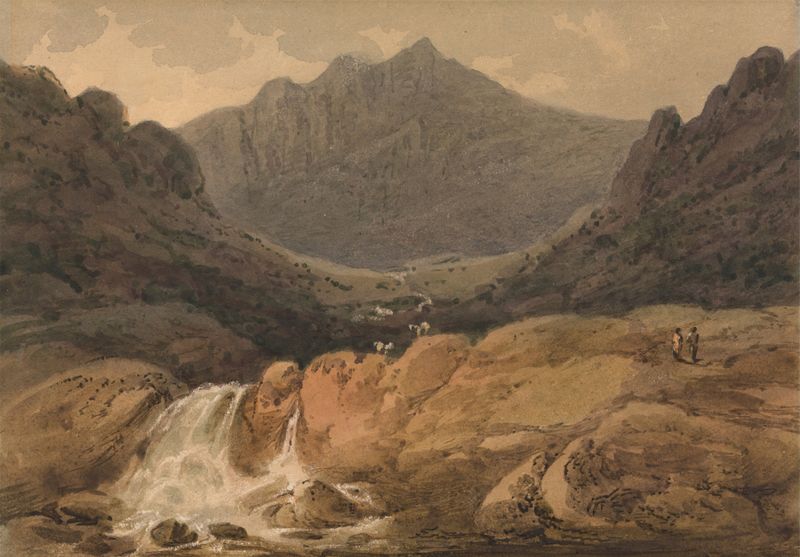
Cader Idris, North Wales
Francis Nicholson
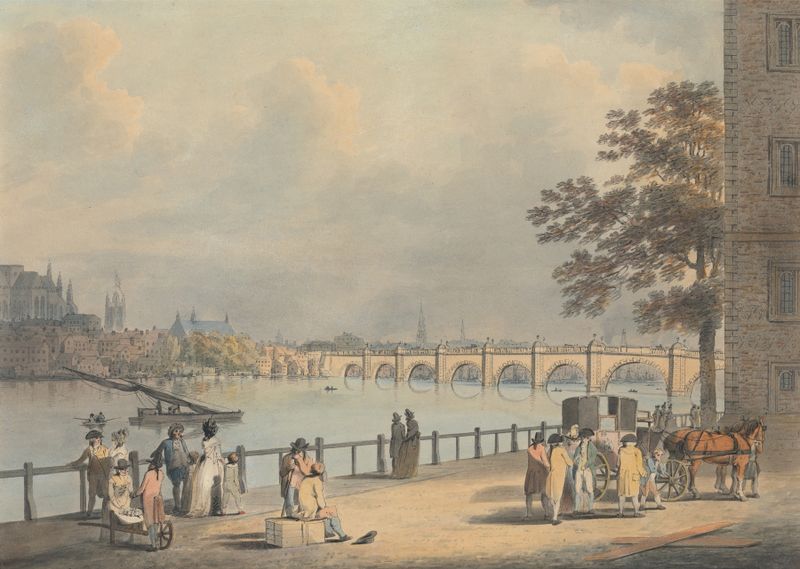
Westminster from the South Bank
Francis Nicholson
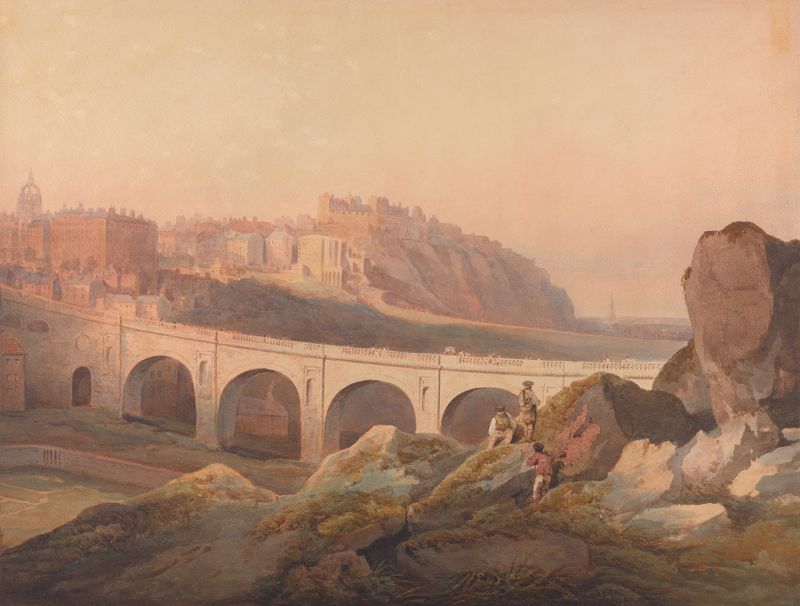
View of Edinburgh from Calton Hill
Francis Nicholson
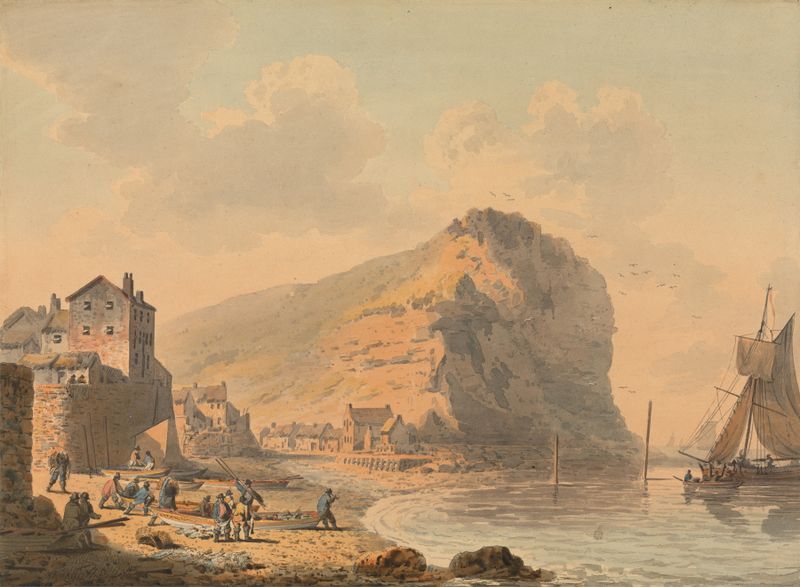
Staithes, Yorkshire
Francis Nicholson
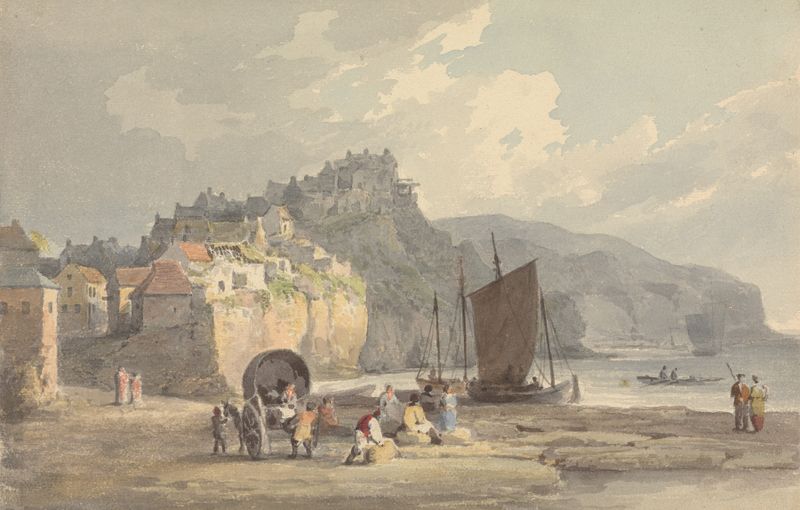
Robin Hood’s Bay, Yorkshire
Francis Nicholson
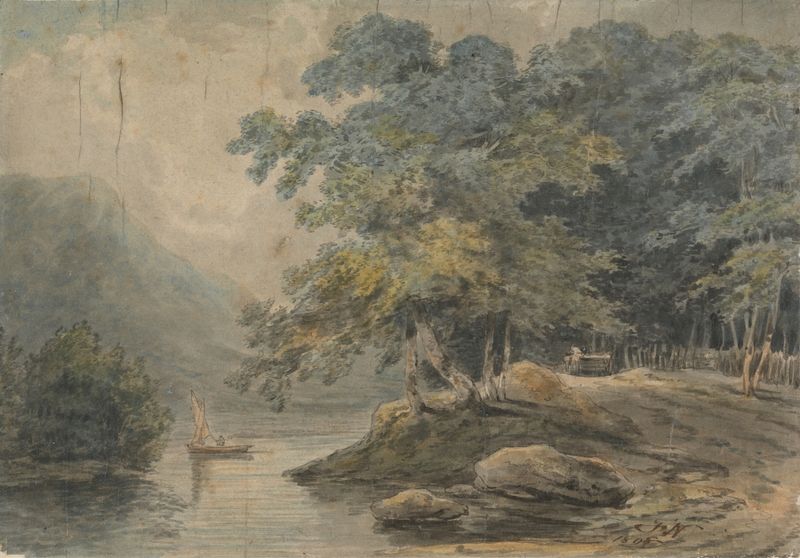
River Scene
Francis Nicholson
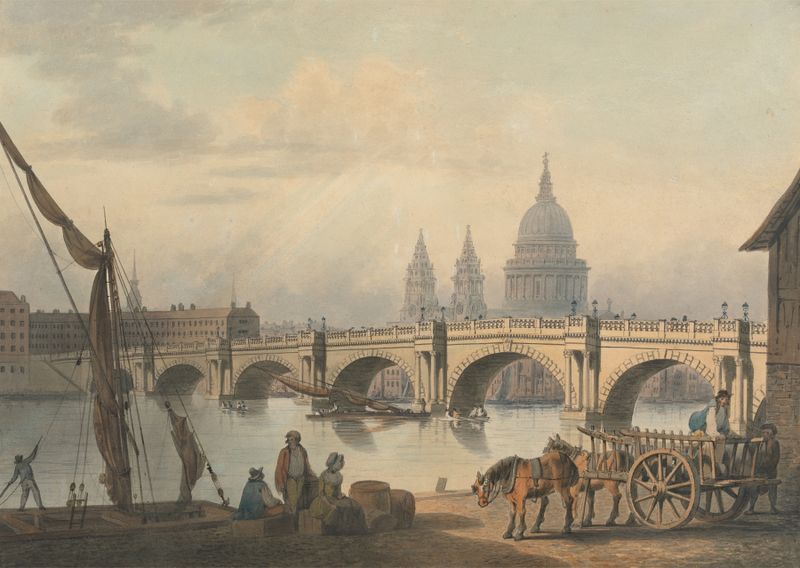
Blackfriars Bridge and St. Paul’s
Francis Nicholson
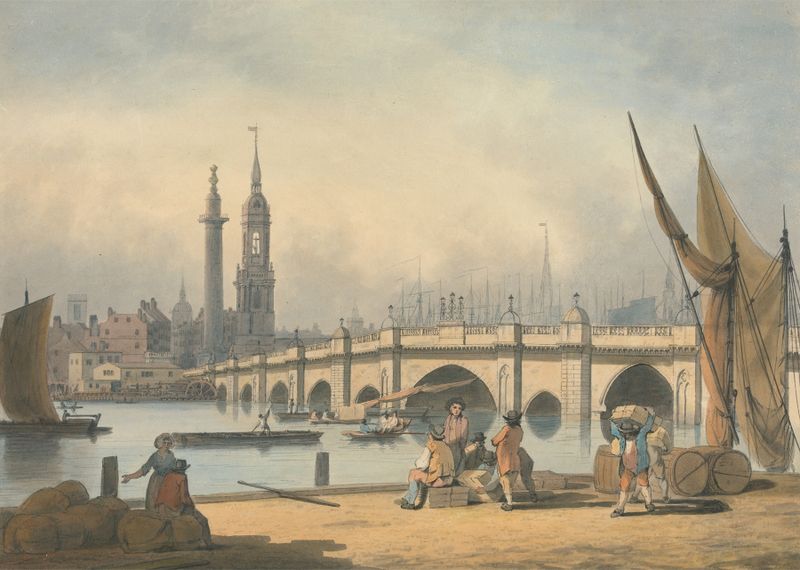
London Bridge and The Monument
Francis Nicholson
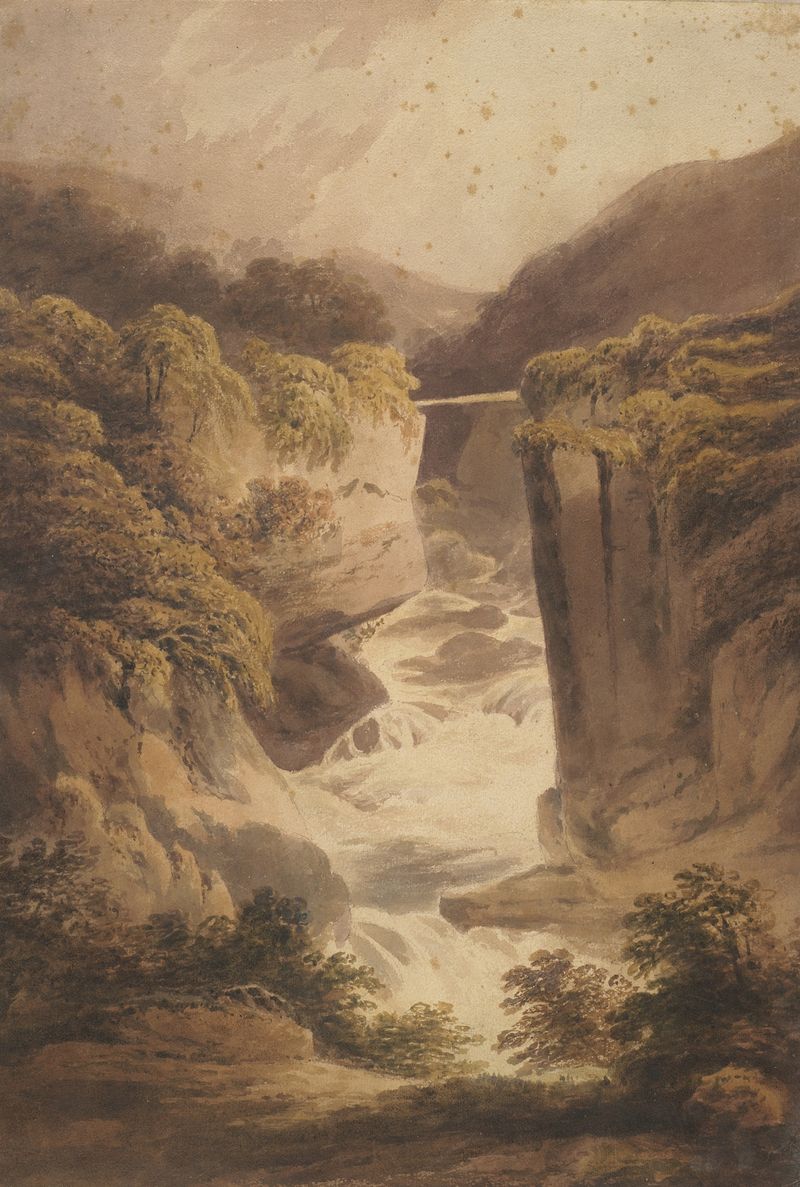
Mountain torrent
Francis Nicholson
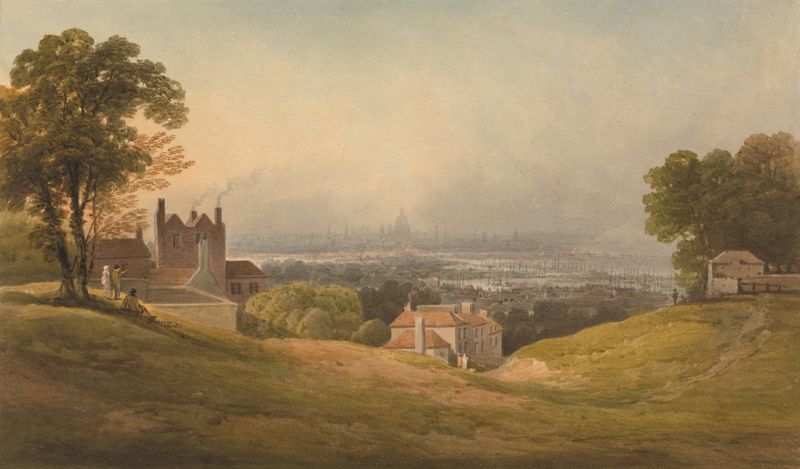
London from Blackheath
Francis Nicholson





