
London Bridge and The Monument — History & Facts
What if beauty was never meant to be finished? Such a thought lingers in the air when contemplating the ephemeral vistas captured in art, where every brushstroke holds a story of loss and longing. Focus on the delicate interplay of light and shadow in the foreground of London Bridge and The Monument. The gentle hues cascade across the canvas, casting a soft glow on the bustling life below. Notice how the figures, though minuscule, pulse with activity — pedestrians crossing the bridge, boats navigating the river — each movement seeming to echo the relentless march of time.
Pay attention to the towering Monument, standing proud yet solitary, a monument not just to the city but also to the poignant history it embodies. Digging deeper, the painting reveals layers of meaning. The bridge is a lifeline, connecting people, yet its strong structure juxtaposes the transience of human existence. The cool blues and muted earth tones may evoke a sense of melancholy, suggesting that while life thrives, it is also tinged with inevitable grief.
The Monument, although a symbol of triumph over tragedy, serves as a reminder of the great fire that once ravaged the city, encapsulating the dual nature of beauty and loss. Created in 1795, the world around the artist was one of change and adaptation. Nicholson was immersed in the vibrant artistic community of London, where the aftermath of the Great Fire loomed large in collective memory. This period saw artists grappling with themes of resilience and nostalgia, crafting works that captured both the vibrancy of everyday life and the specter of what had been lost.
More Artworks by Francis Nicholson
Browse all →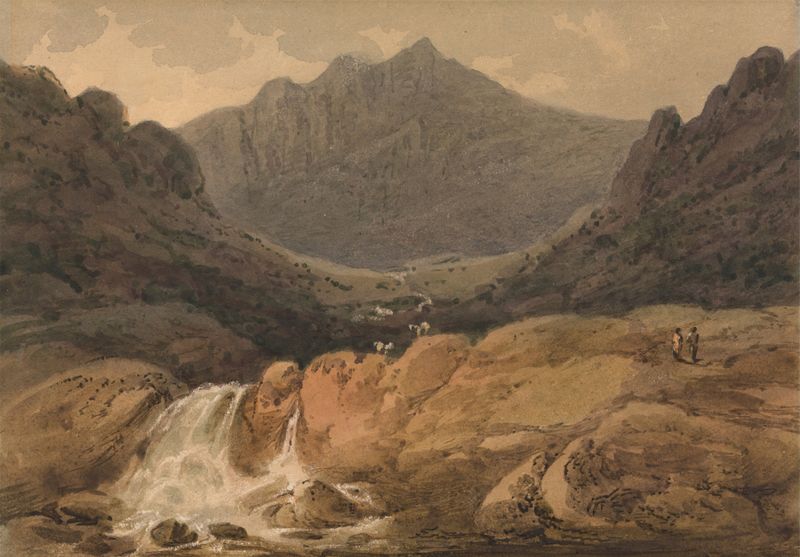
Cader Idris, North Wales
Francis Nicholson
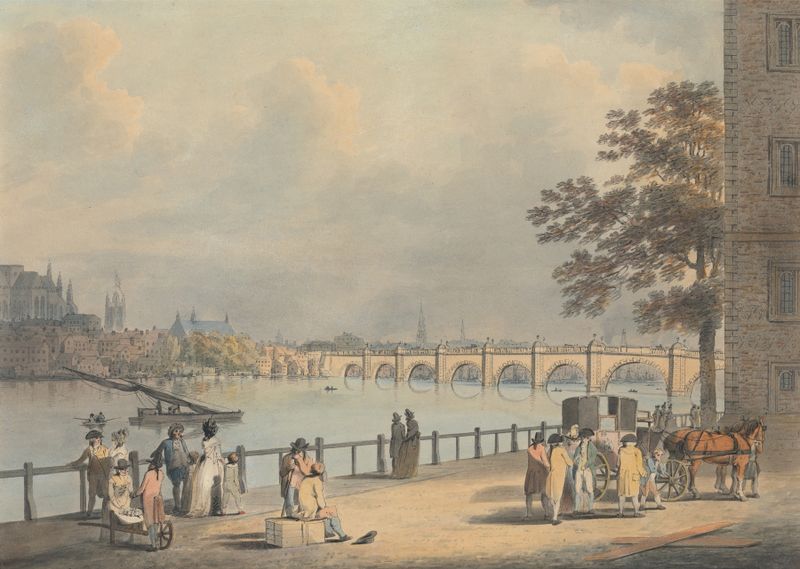
Westminster from the South Bank
Francis Nicholson
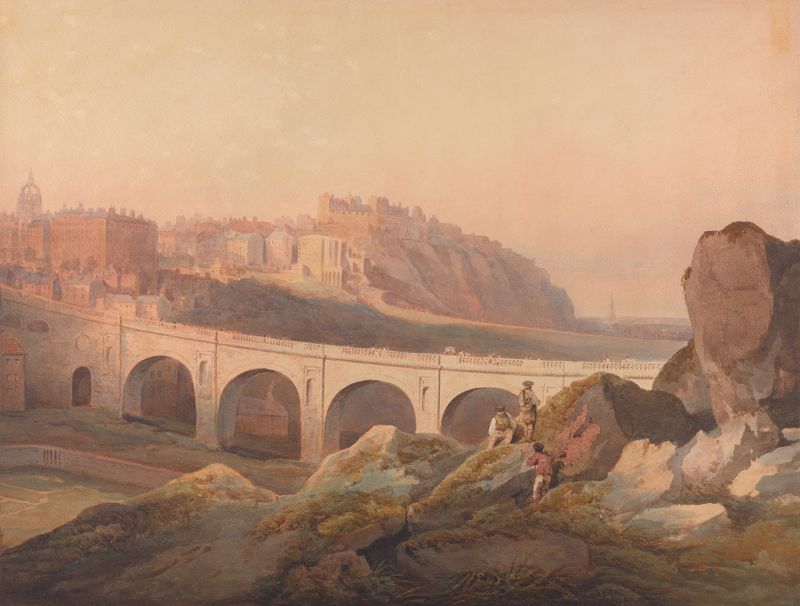
View of Edinburgh from Calton Hill
Francis Nicholson
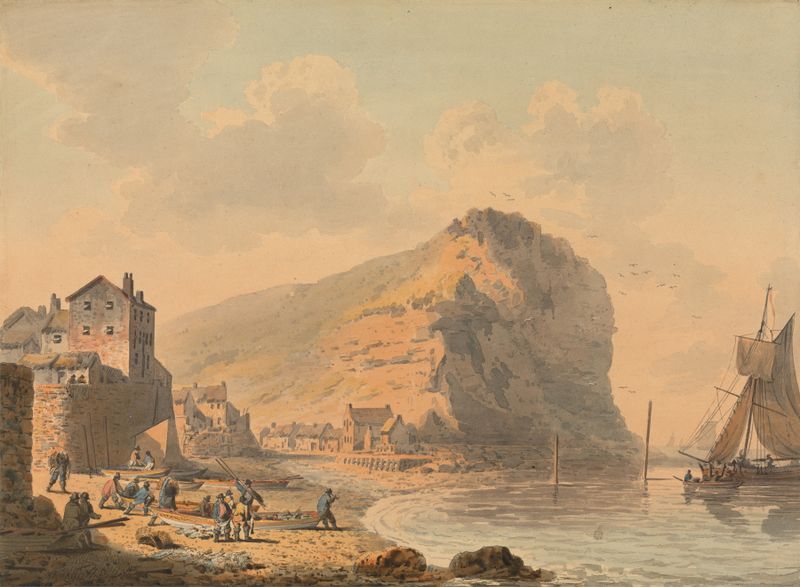
Staithes, Yorkshire
Francis Nicholson
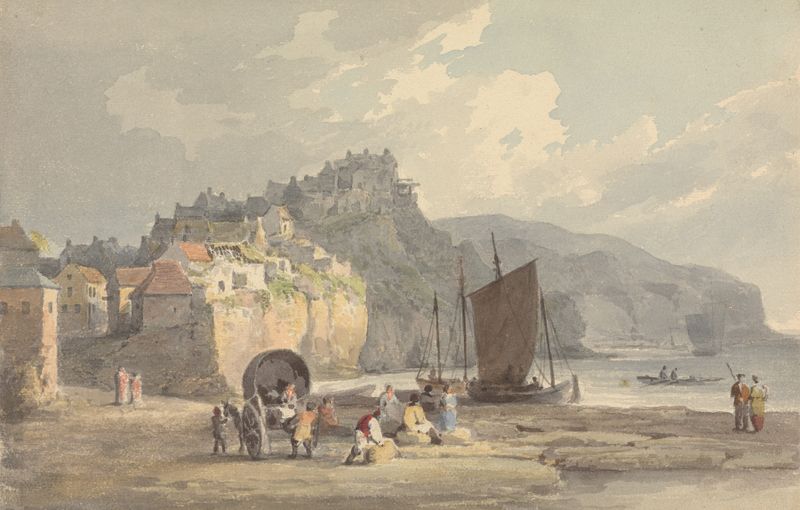
Robin Hood’s Bay, Yorkshire
Francis Nicholson
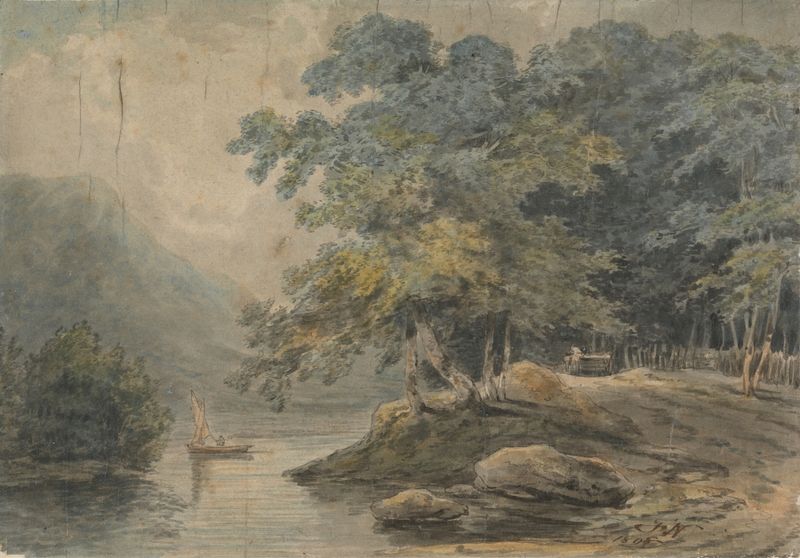
River Scene
Francis Nicholson
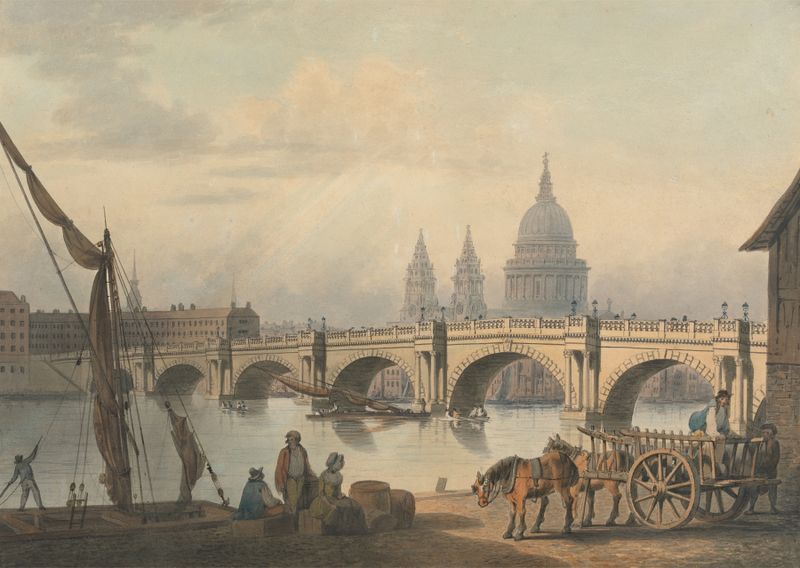
Blackfriars Bridge and St. Paul’s
Francis Nicholson
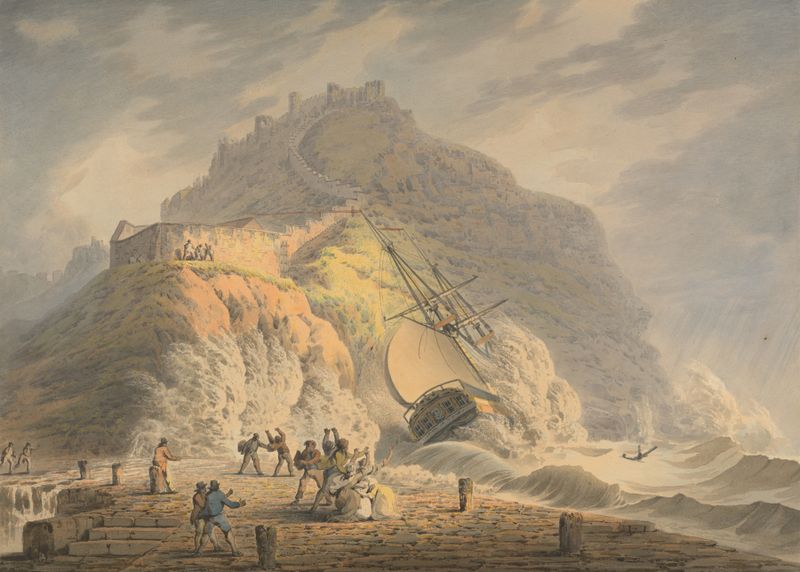
Scarborough; Shipwreck at the Foot of the Castle Cliff
Francis Nicholson
Mountain torrent
Francis Nicholson
London from Blackheath
Francis Nicholson





