
Blad met drie ronde voorstellingen: schedel en twee hoofden van vrouwen — History & Facts
In the silent moments between breaths, we confront the essence of existence through the timeless lens of creativity. Every brushstroke can unearth a layer of human experience, reflecting both our mortality and beauty within the confines of time. Focus on the center of the composition, where the starkness of the skull stands in subtle contrast to the two feminine heads that frame it. Notice how the intricate details of each figure draw your gaze; the delicately carved features of the women juxtapose against the skeletal visage, suggesting a dialogue between life and death.
The muted colors and fine lines evoke a sense of timelessness, inviting reflection on both the fragility and resilience of the human spirit. Within this delicate interplay lies a deeper exploration of the transient nature of existence. The skull serves not merely as a memento mori but as a reminder of the inevitable passage of time, while the women’s serene expressions evoke both the beauty of life and the sorrow of its ephemerality. The juxtaposition of youth and decay encapsulates the tension inherent in the human condition, urging the viewer to contemplate their own relationship with mortality. Created during the late 16th century, this work emerged from the heart of the Northern Renaissance, a period marked by intricate detail and profound thematic exploration.
At this time, Hans Sebald Beham was navigating the complexities of art and society in Nuremberg, where the tensions of Reformation ideas influenced his craft. His ability to encapsulate the duality of existence in Blad met drie ronde voorstellingen: schedel en twee hoofden van vrouwen reflects the era's quest for meaning in a rapidly changing world.
More Artworks by Hans Sebald Beham
Browse all →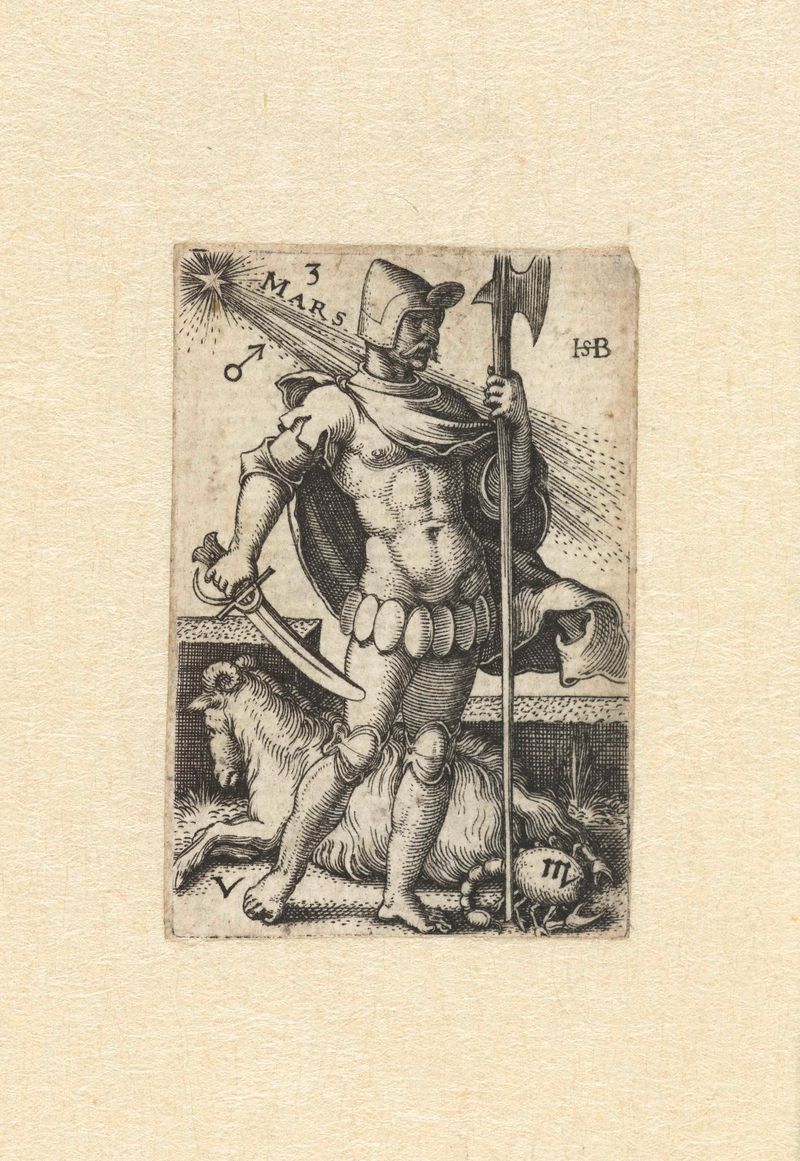
Mars met sterrenbeelden Ram en Schorpioen
Hans Sebald Beham

Achilles in gevecht met Hector
Hans Sebald Beham
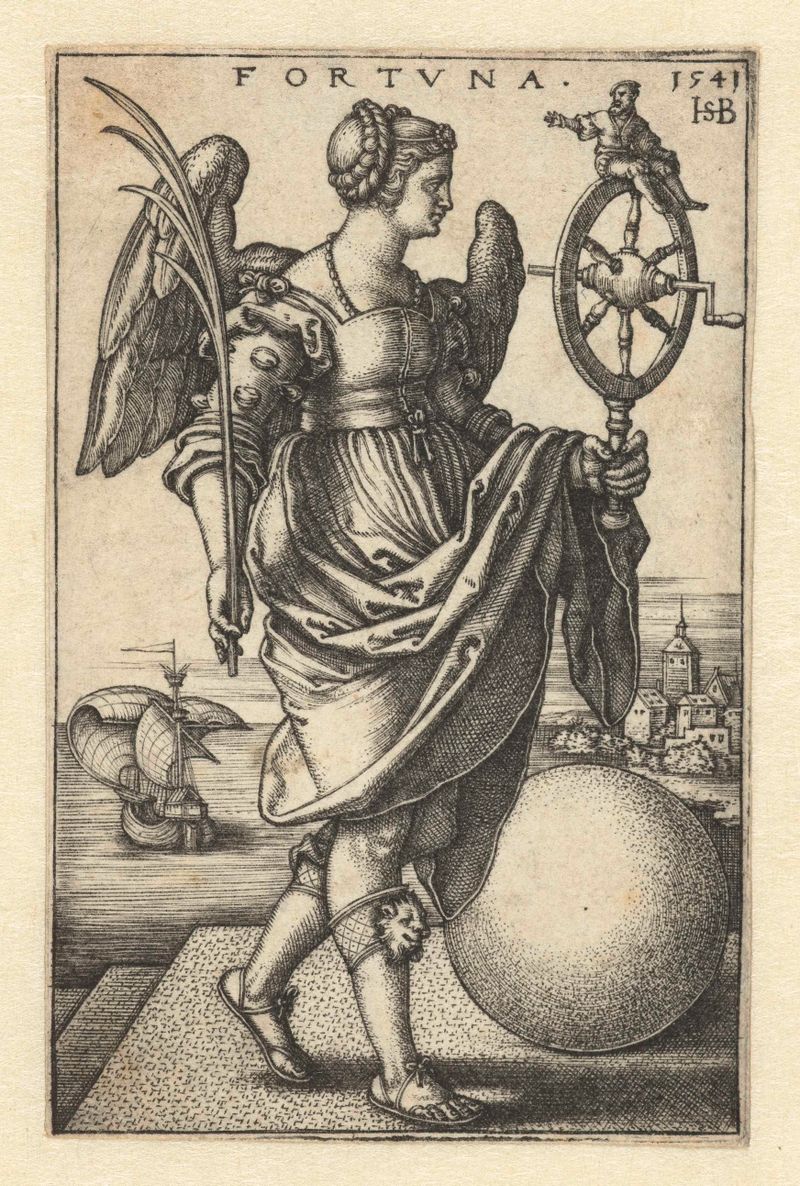
Fortuna
Hans Sebald Beham

Hercules worstelt met Antaeus
Hans Sebald Beham

Twee muzikanten met schalmey en doedelzak
Hans Sebald Beham

Voorzichtigheid (Prudentia)
Hans Sebald Beham

Hercules in gevecht met de Trojanen
Hans Sebald Beham
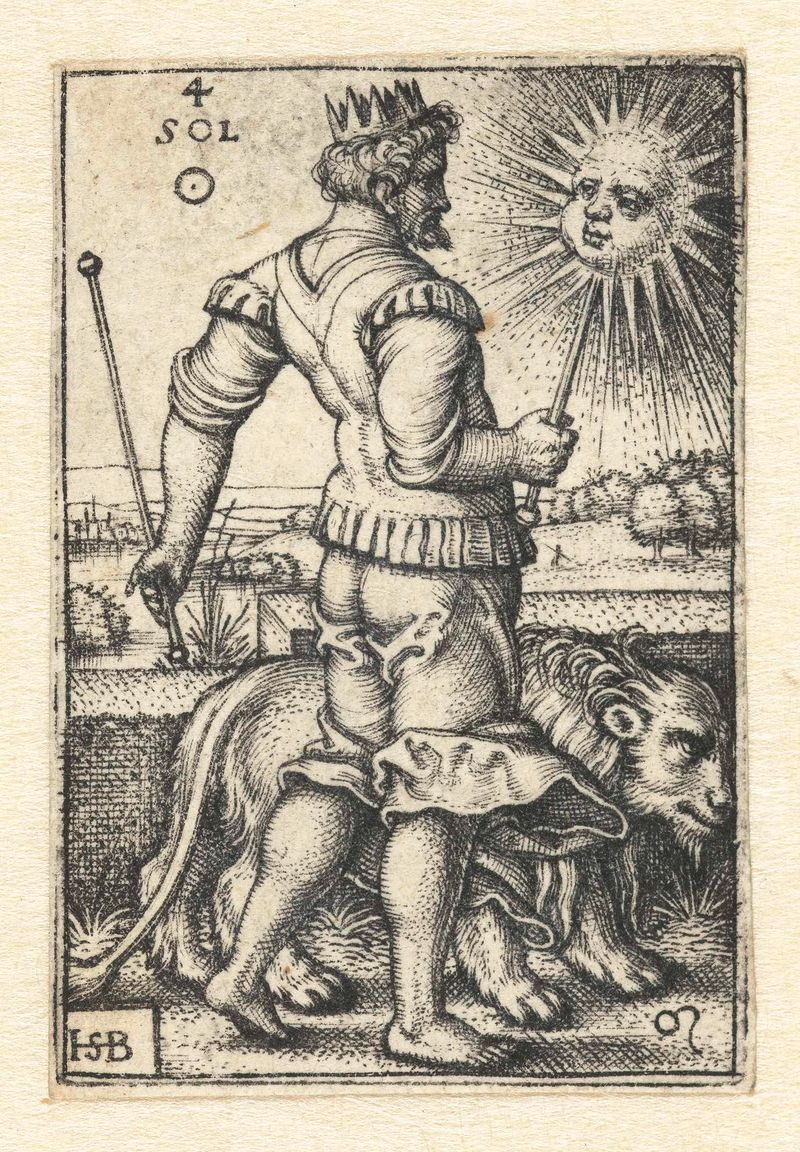
Apollo (Sol) met sterrenbeeld Leeuw
Hans Sebald Beham
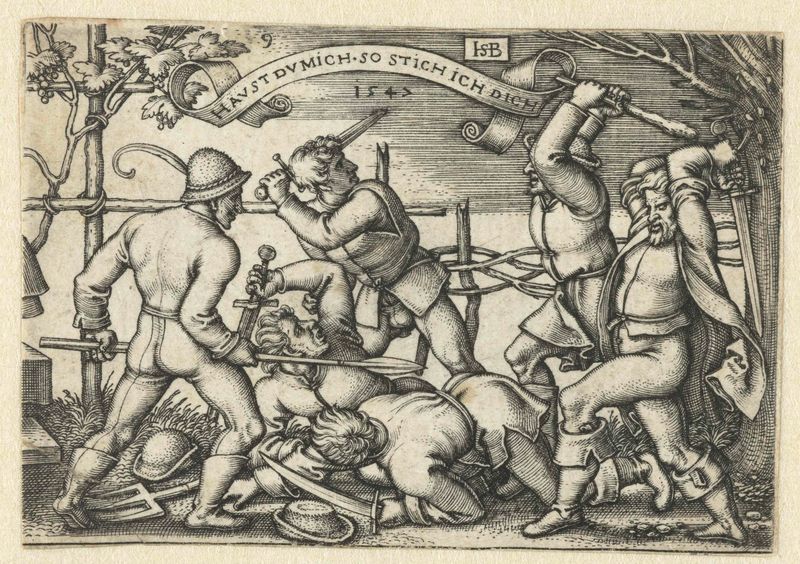
Vechtende boeren met zwaarden
Hans Sebald Beham
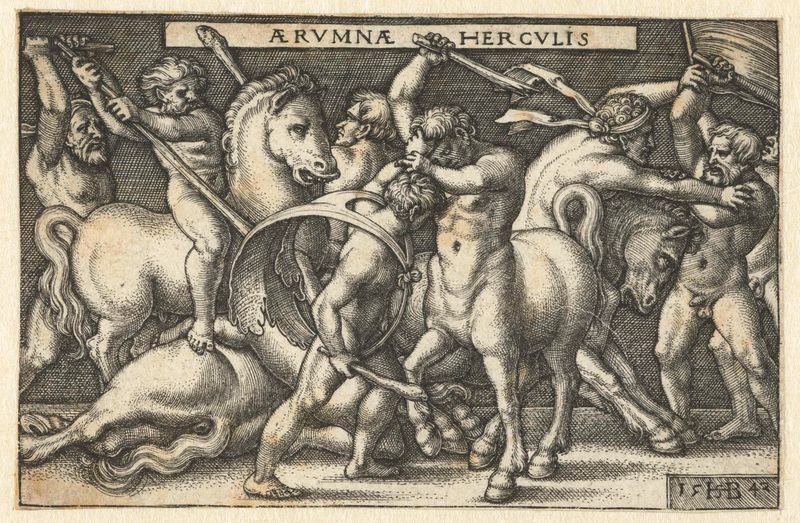
Hercules in gevecht met centaurs
Hans Sebald Beham





