Blast Furnace — History & Facts
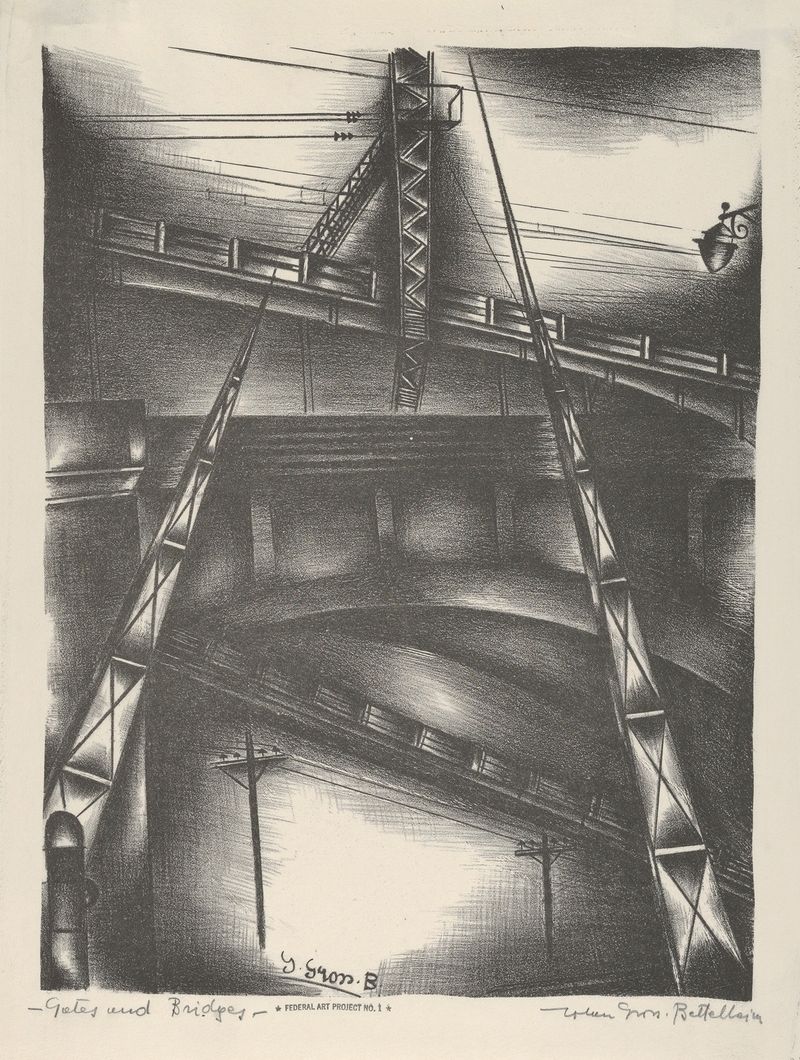
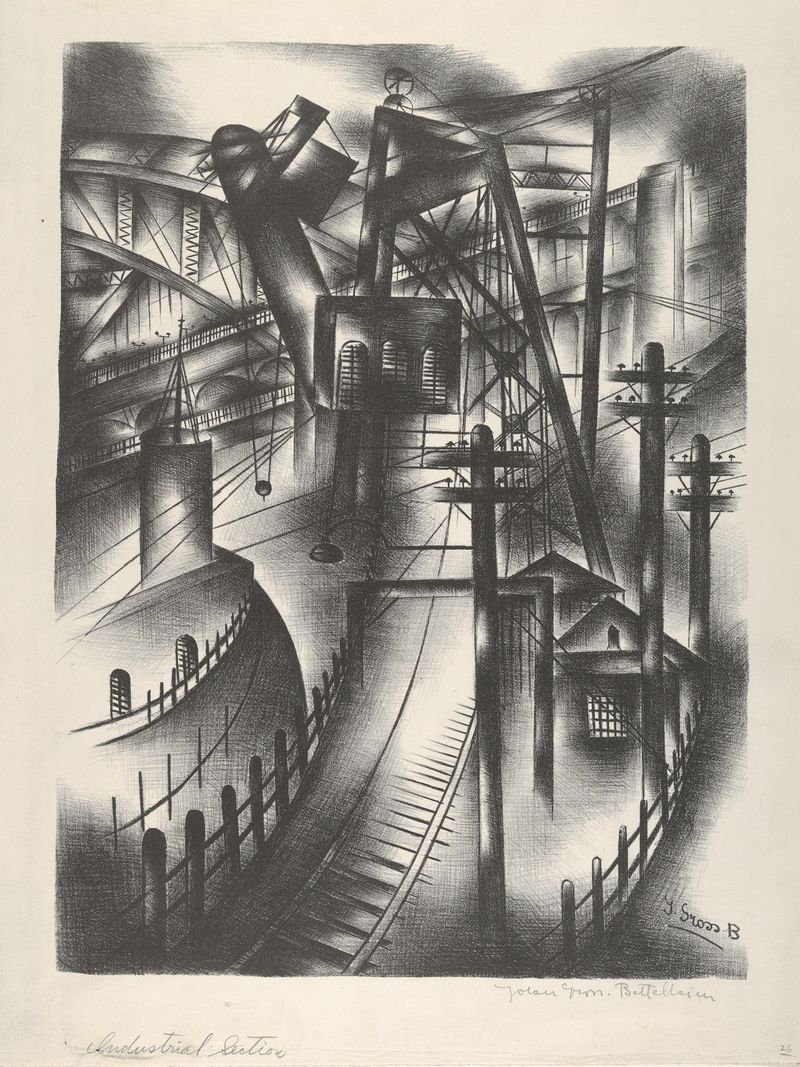
Could beauty survive in a century of chaos? The question resonates deeply in this remarkable work from a time when turmoil and transformation defined the human experience. Focus on the central swirl of fiery oranges and reds, where molten metal seems to dance with a life of its own. The interplay of light and shadow in this scene captures the raw energy of industrial creation, evoking both awe and trepidation. Notice how the sharp lines of machinery contrast with the flowing forms, creating a visual tension that mirrors the chaotic forces at play in the world outside.
The artist's choice of color amplifies the emotional intensity, inviting viewers to confront the beauty inherent in destruction and rebirth. Hidden within the chaos is a delicate dialogue between strength and vulnerability. The glowing furnace symbolizes not just a source of power but also the potential for change and transformation. Each element—be it the skeletal structure surrounding the furnace or the fierce hues emanating from it—tells a story of resilience amid adversity.
This duality evokes a profound reflection on the human spirit's capacity to emerge renewed from hardship. Created between 1935 and 1936, this piece emerged during a tumultuous period in Europe, marked by the rise of fascism and societal upheaval. Jolan Gross Bettelheim was navigating his own artistic identity amid these shifting tides, drawing inspiration from the industrial landscapes of the time. As the world around him grappled with chaos, his work sought to illuminate the beauty found in transformation, culminating in this striking portrayal of raw energy and potential.