Industrial Section — History & Facts
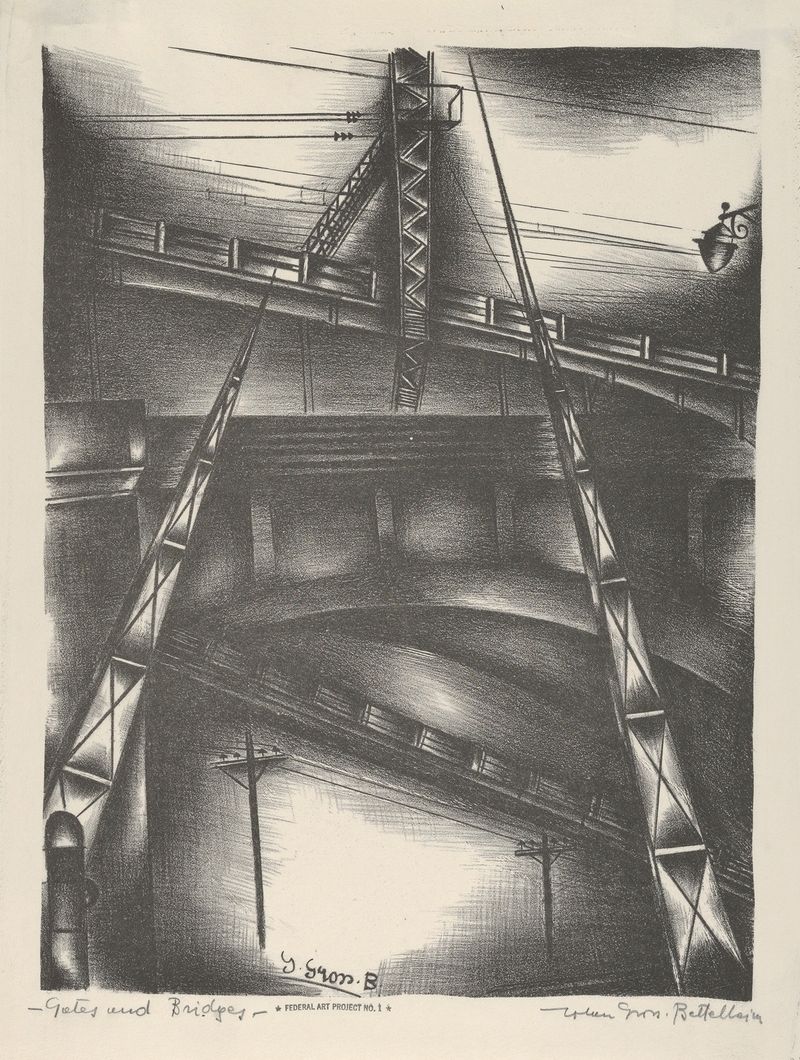
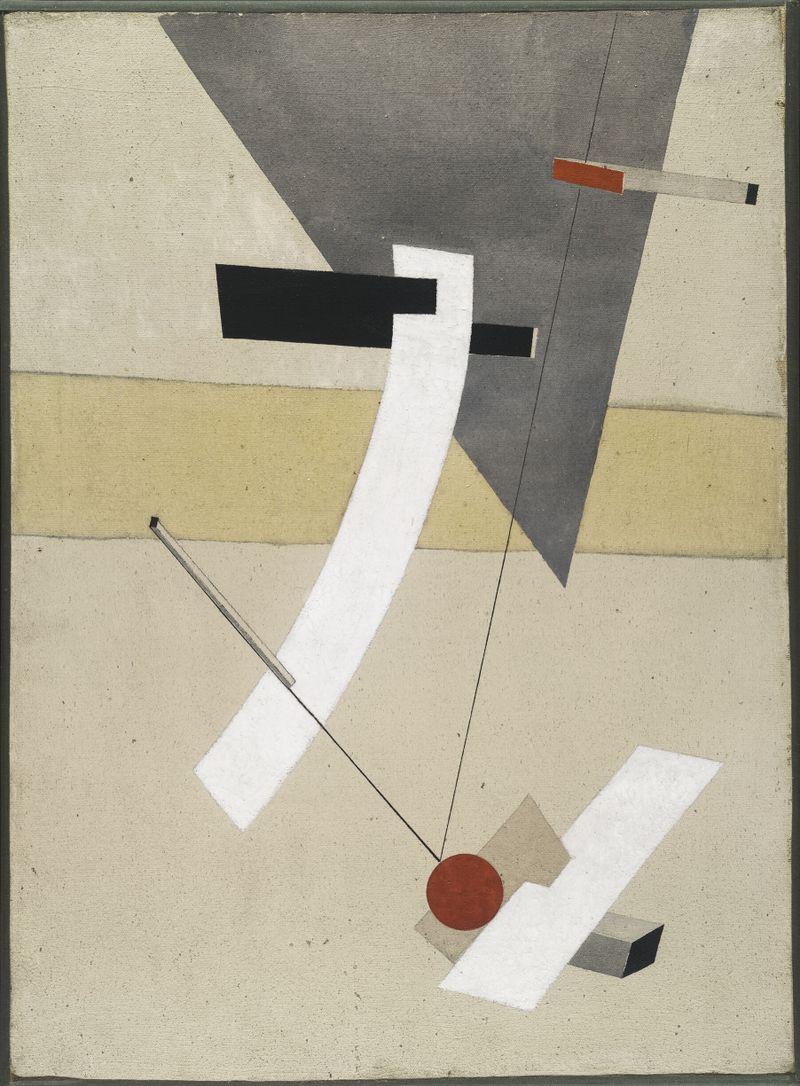
In a world in constant flux, what remnants of the past deserve preservation? Look to the left at the sprawling expanse of mechanized structures, where sharp lines and metallic textures dominate the landscape. The muted palette, rich in shades of gray and rust, evokes a sense of industrial decay, while hints of ochre whisper of life amidst the machinery. Notice how the light struggles to break through the intricate web of pipes and beams, casting shadows that dance like specters of a bygone era.
The composition invites you to traverse this labyrinth, reflecting both the intimacy and isolation of human presence within the mechanized world. Beneath the surface, the painting reveals a poignant contrast between human ambition and the relentless march of progress. The juxtaposition of rigid machinery with organic forms hints at a struggle—how nature and humanity grapple with the encroaching industrial age. Each small detail, from the faint traces of wear on the machines to the barren horizon, symbolizes the cost of transformation.
This tension between the past and the future resonates deeply, echoing the fears and hopes of a society on the brink of monumental change. In 1936, Jolan Gross Bettelheim was immersed in the vibrant yet tumultuous atmosphere of European modernism. Living in Paris, he experienced the rise of new artistic movements and the pervasive anxieties surrounding industrialization. This period saw a departure from traditional forms, as artists like Bettelheim sought to confront the complexities of modern life, capturing both its stark realities and its potential for transformation through innovative techniques and perspectives.