Dilapidated Section — History & Facts
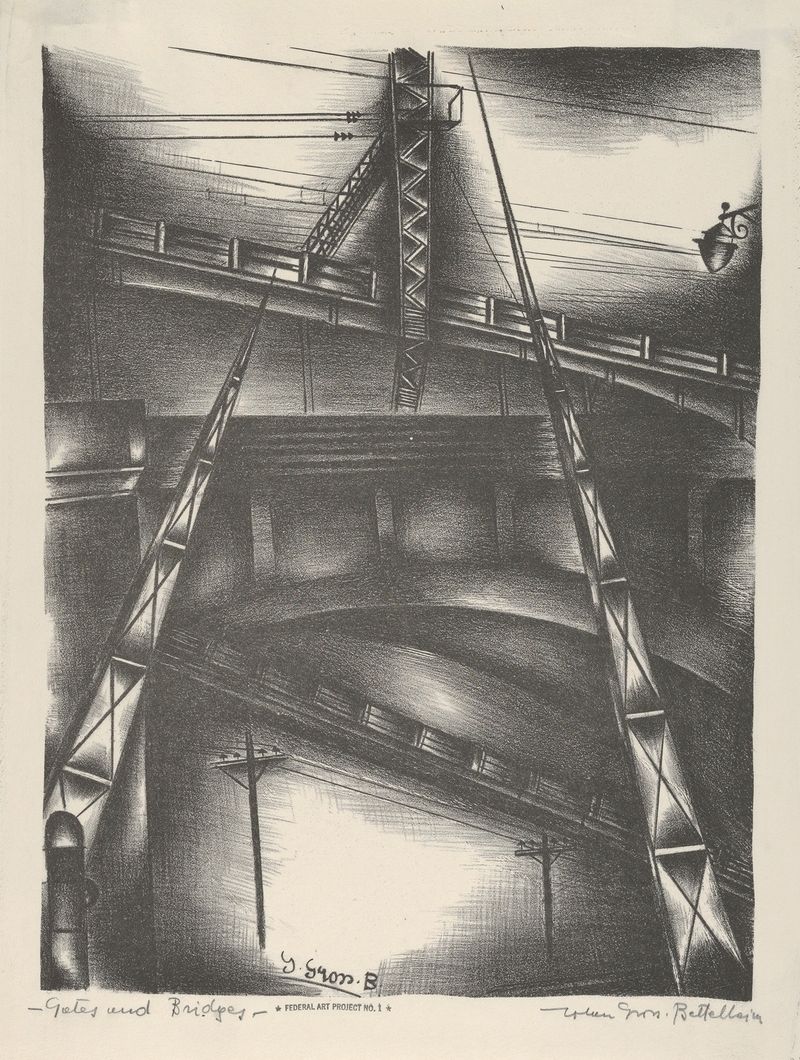
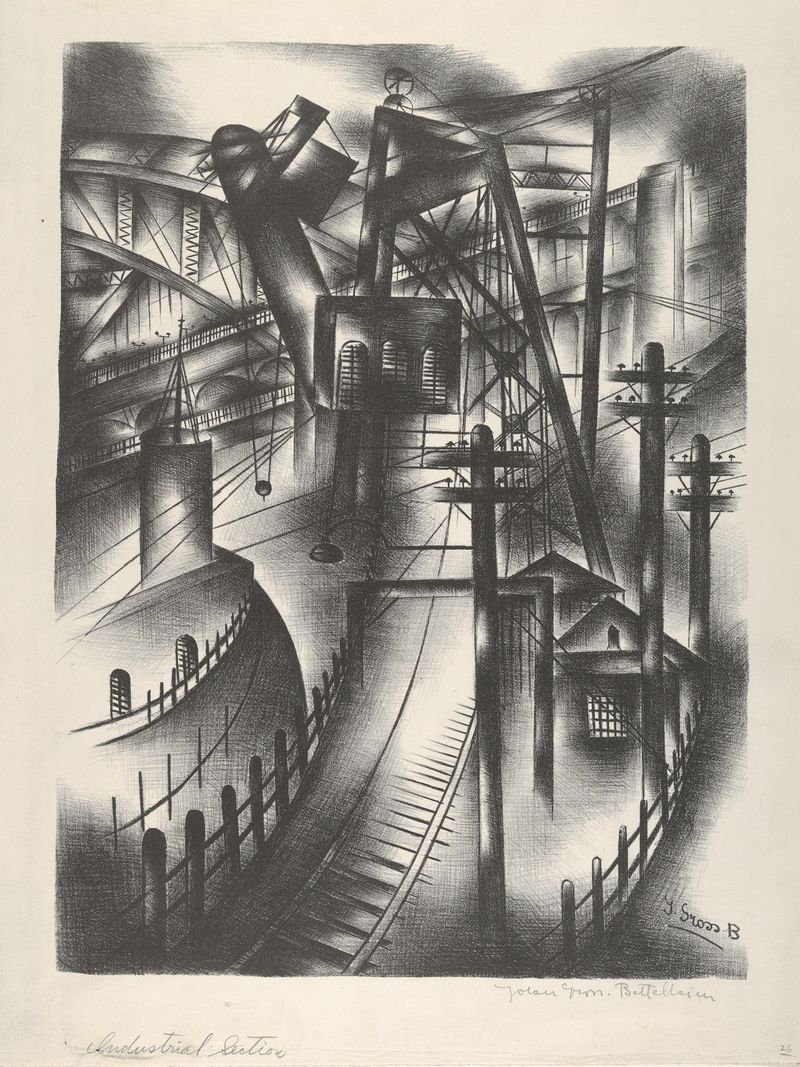
Where does light end, and longing begin? In the void of Dilapidated Section, Jolan Gross Bettelheim invites us to ponder the spaces between what was and what remains, where memory lingers like an echo in the empty corners of a forgotten room. Look to the left at the fragmented wall, where the peeling paint hints at a past vibrancy now subdued. Notice how the light, struggling to penetrate the desolation, casts a soft glow onto the crumbling surfaces, accentuating the textures of decay. The muted palette of grays and browns envelops the scene, evoking an overwhelming sense of nostalgia that is both haunting and beautifully serene.
Each detail, from the jagged edges to the soft play of shadow, guides your gaze through the life that once animated this place—now reduced to mere whispers. Within this artwork lies a juxtaposition of absence and presence; the void becomes a powerful character in its own right. The dilapidation reflects not just physical disrepair but a deeper emotional resonance—loss, memory, and the passage of time permeate the canvas. The small, almost imperceptible elements, such as the subtle hints of light amidst shadow, invite contemplation of what stories these walls could tell, should they have the voice to speak.
There’s a poignant interplay between destruction and beauty, leading us to reflect on our own attachments to spaces and the feelings they evoke. Created during a tumultuous period in 1935–36, Bettelheim composed Dilapidated Section amidst the backdrop of a world grappling with the specters of war and upheaval. Living in Europe, he encountered the growing tensions of a society on the brink, mirroring the fragility and decay depicted in his work. This painting encapsulates a moment of introspection, revealing the artist's profound ability to glean emotion from stillness and silence, as he navigated the complexities of his time.