
Blick auf den Kochelsee und Jochberg — History & Facts
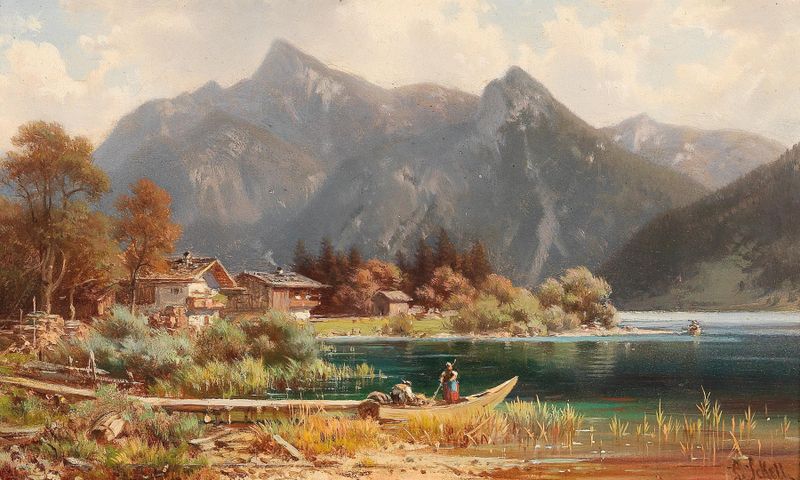
What secret hides in the quiet of the canvas? In Ludwig Sckell's Blick auf den Kochelsee und Jochberg, the void speaks volumes, inviting a reflective gaze into the serene yet enigmatic landscape. Notice how the composition draws your eye first to the gentle curve of the lake, cradled by lush hills that cradle the reflective waters. The palette is composed of soft blues and vibrant greens, harmonizing with delicate brush strokes that suggest the fleeting play of light across the surface. The distant mountains rise majestically, their subtle contours both grounding and elevating the scene, while wisps of clouds dance above, hinting at the soft caress of a wind that might stir the tranquility of this moment. Dig deeper into the painting's emotional landscape and discover the tension between the calm water and the robust mountains.
The seemingly still lake represents a temporary stillness that masks the profound depth beneath, a metaphor for the unspoken complexities of nature and existence. Further, the interplay of light and shadow prompts contemplation of the passage of time, suggesting that what appears serene may harbor hidden currents of change below the surface. Sckell painted this work during a time when Romanticism was gaining momentum in the art world, reflecting a growing fascination with nature and emotional expression. The specific date remains uncertain, but it is believed to be created in the 19th century, a period marked by personal introspection for many artists.
He sought to capture the essence of the landscape around Kochelsee, aiming to evoke not just a visual experience but an emotional resonance that would linger in the viewer's heart long after they turned away from the canvas.
More Artworks by Ludwig Sckell
Browse all →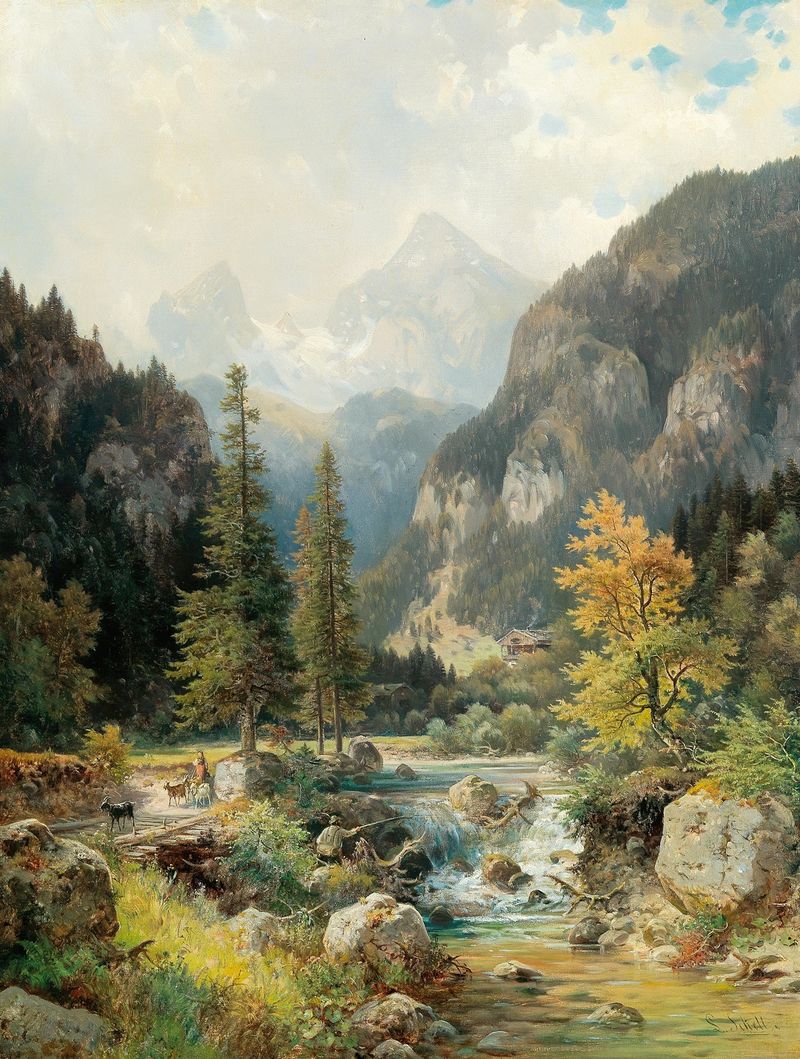
Scene near Berchtesgaden with Watzmann
Ludwig Sckell
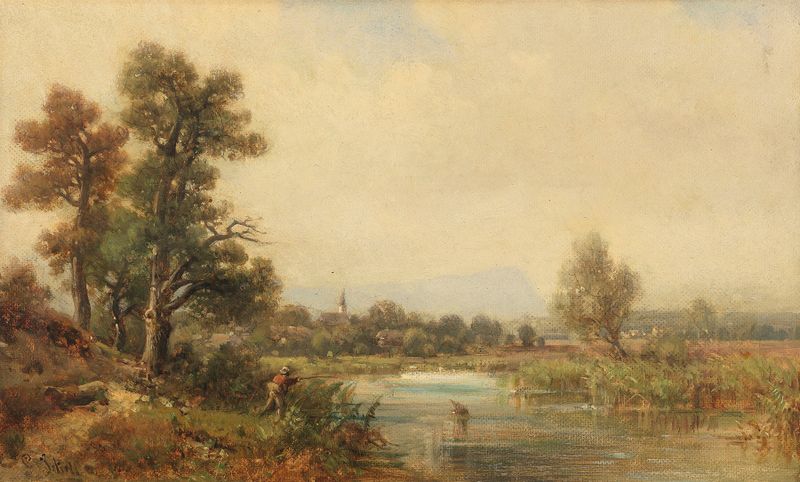
Kleine Flußlandschaft
Ludwig Sckell
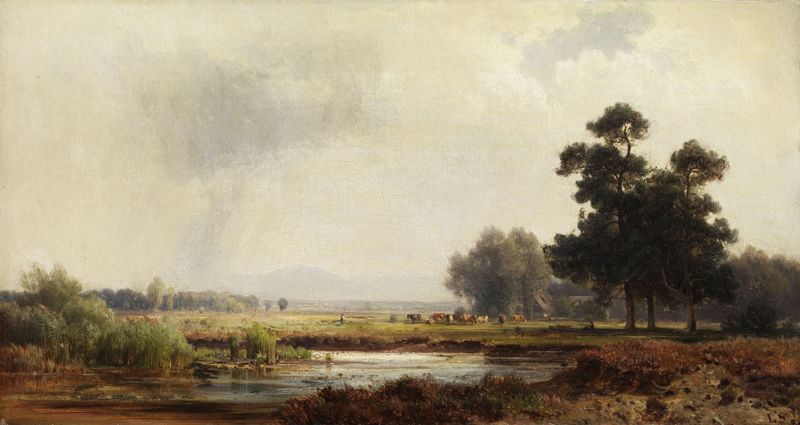
Voralpenlandschaft
Ludwig Sckell
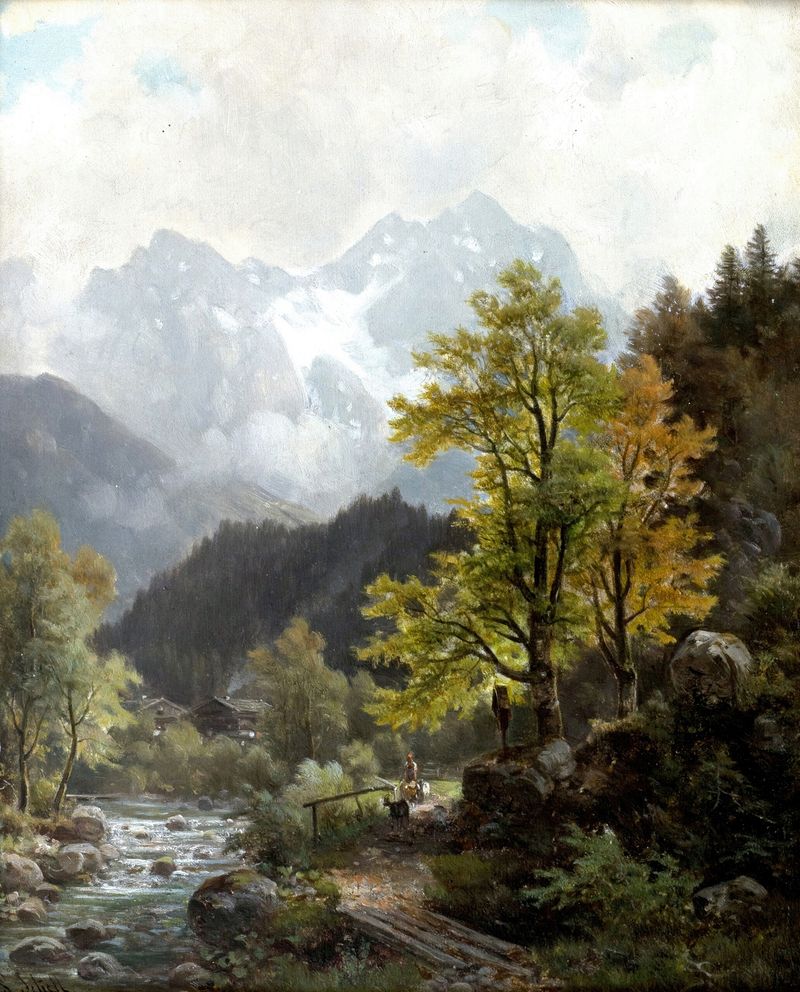
Partie im Berchtesgadener Land
Ludwig Sckell
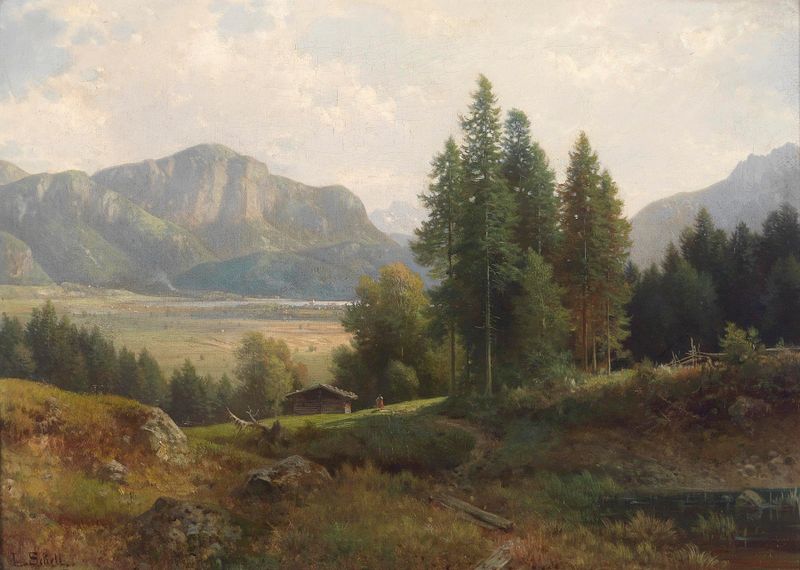
Partie am Kochelsee
Ludwig Sckell
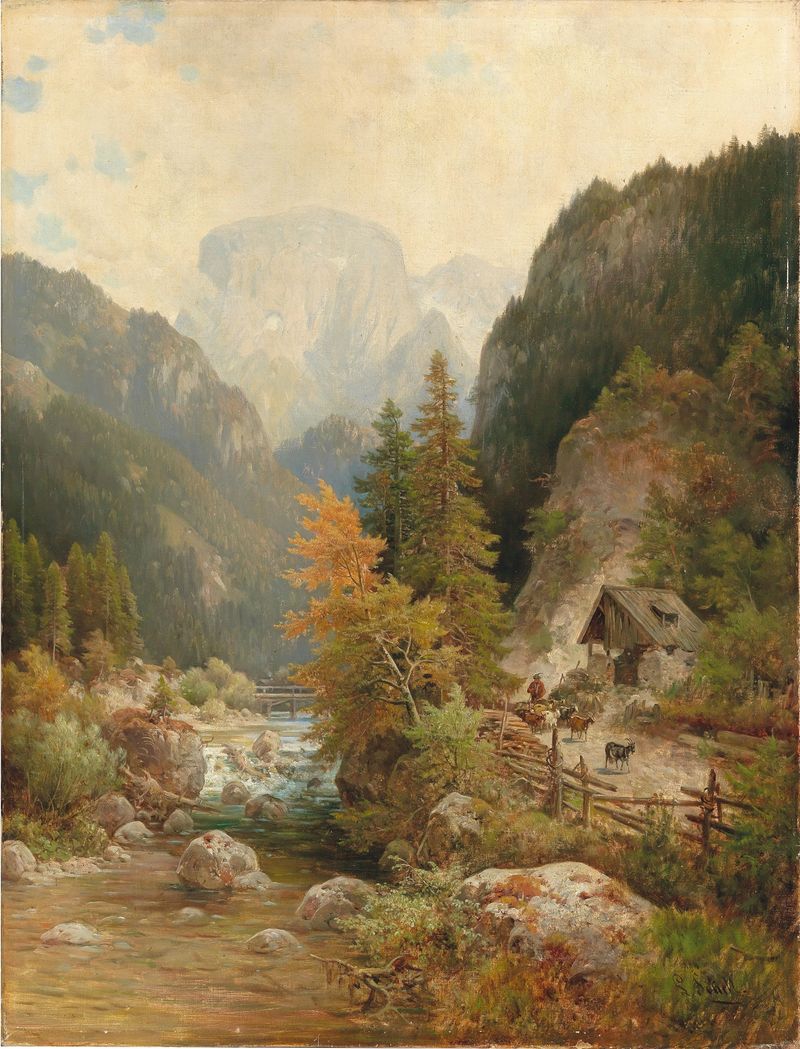
Hirten und Herde am Weg bei einem Wildbach
Ludwig Sckell
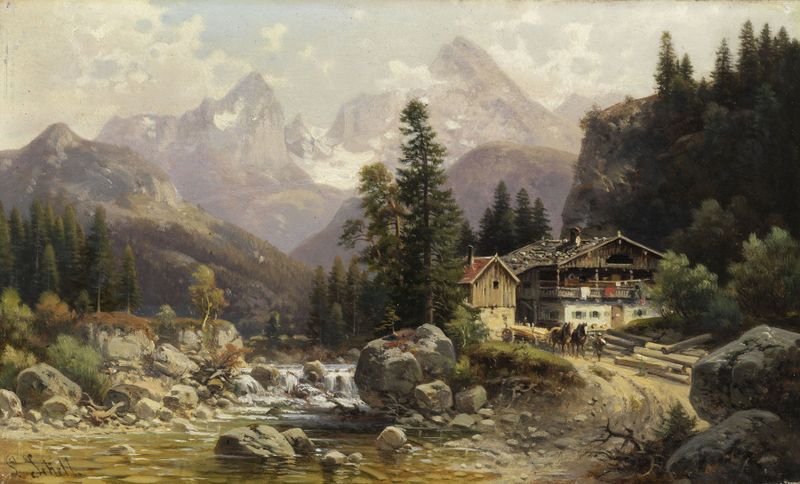
Alpenlandschaft mit Mühlengebäude
Ludwig Sckell
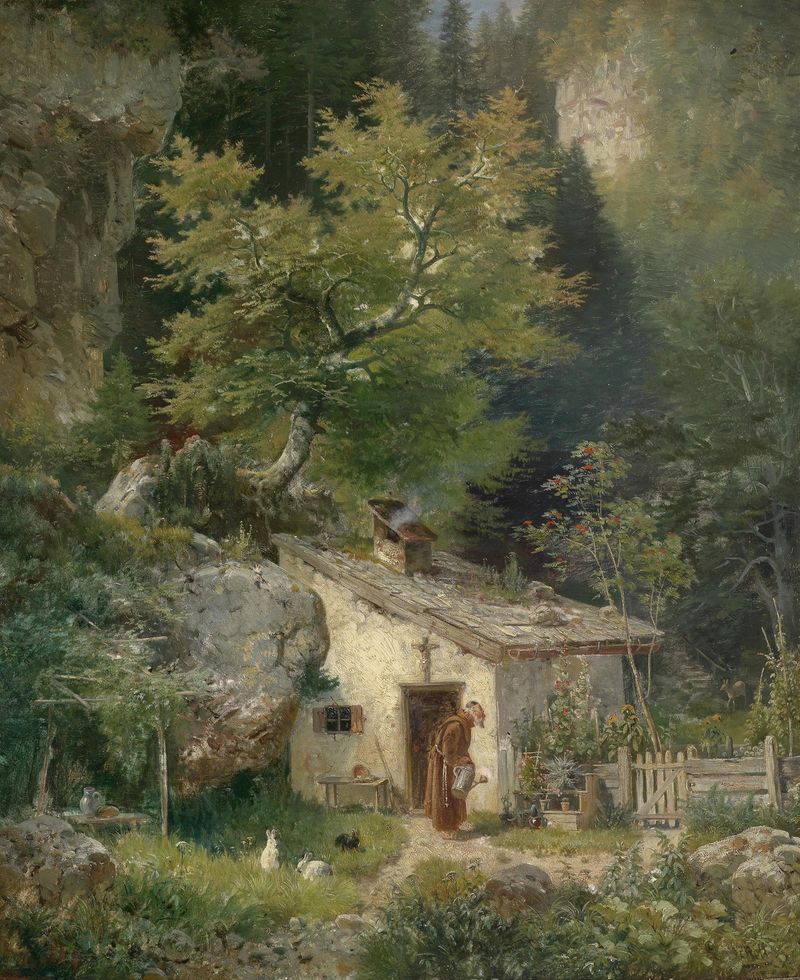
Der Einsiedler
Ludwig Sckell
Summer on Schliersee
Ludwig Sckell
Oberbayrische Seelandschaft
Ludwig Sckell





