
Voralpenlandschaft — History & Facts
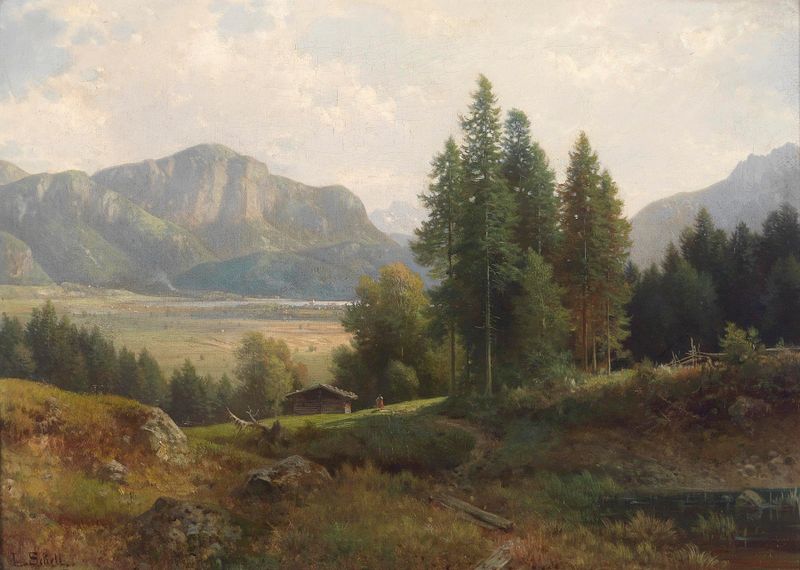
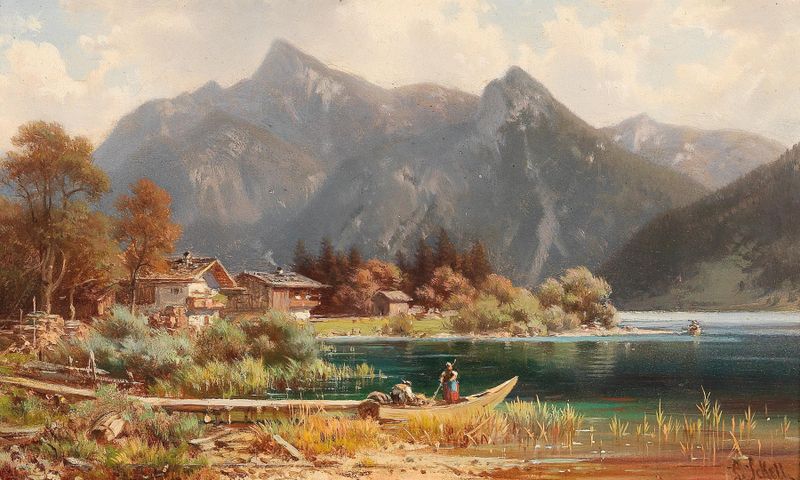
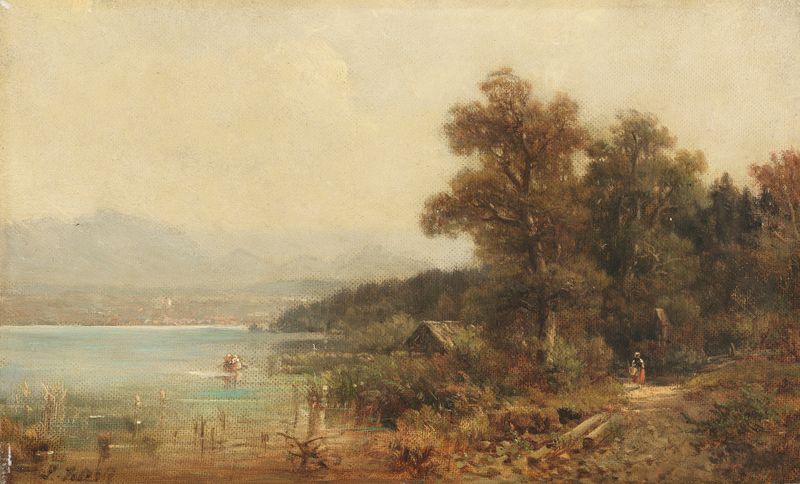
In each brushstroke lies an echo of solitude, a whisper of the heart longing for connection amidst the vastness of nature. Look to the center of Voralpenlandschaft, where the rolling hills rise and fall like waves on a quiet sea. The soft greens and deep blues create an enveloping atmosphere, inviting the eye to wander through the landscape’s gentle undulations. Notice how the light caresses the peaks, illuminating their summits while leaving the valleys shrouded in a tender shadow, evoking a sense of mystery that feels both inviting and isolating. Within the broader landscape, subtle contrasts emerge — the serenity of the hills versus the stark emptiness of the sky above.
A single tree stands alone on the horizon, a silent sentinel against the expansive backdrop. This solitary figure amplifies the feeling of loneliness, hinting at the deeper emotional narrative within the serene beauty. The overall composition suggests a yearning for companionship, even as nature remains indifferent to such desires. Ludwig Sckell created Voralpenlandschaft during a period of personal exploration and reflection, likely in the late 19th century.
Working in Germany, he was influenced by the Romantic movement, which sought to express the emotional connection between humanity and the natural world. The era was marked by a growing interest in landscape painting, and Sckell's works often encapsulated the quiet introspection that characterized his life and the shifts occurring in the art world around him.
More Artworks by Ludwig Sckell
Browse all →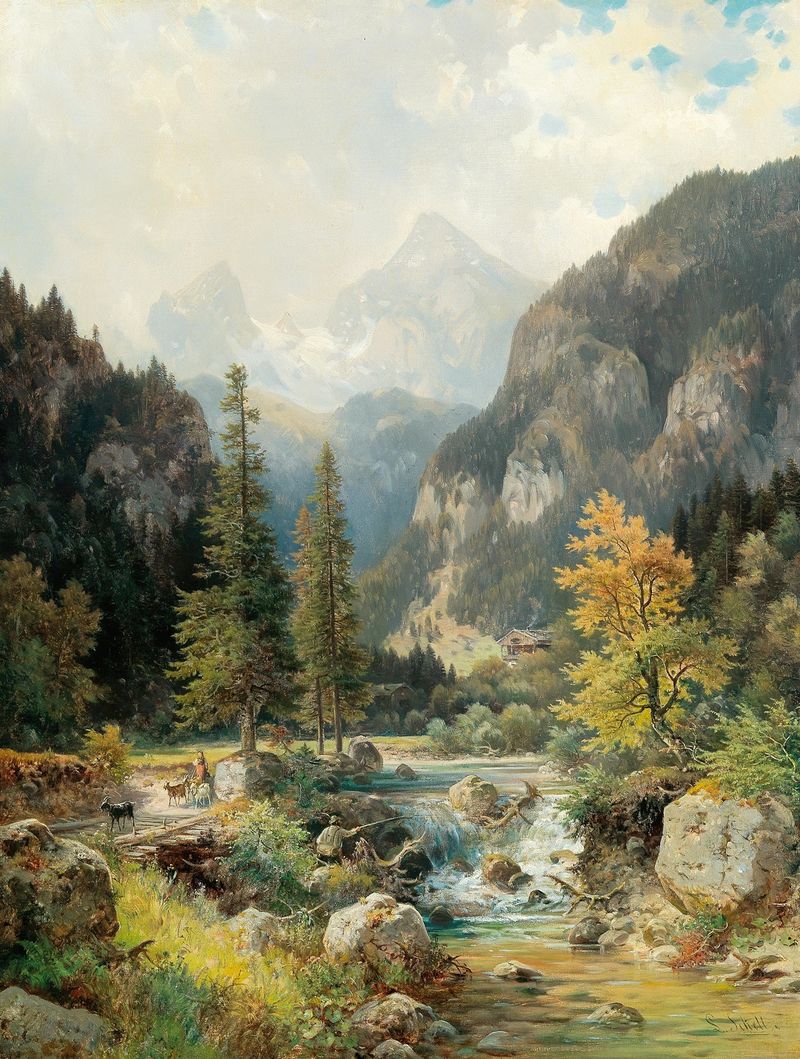
Scene near Berchtesgaden with Watzmann
Ludwig Sckell
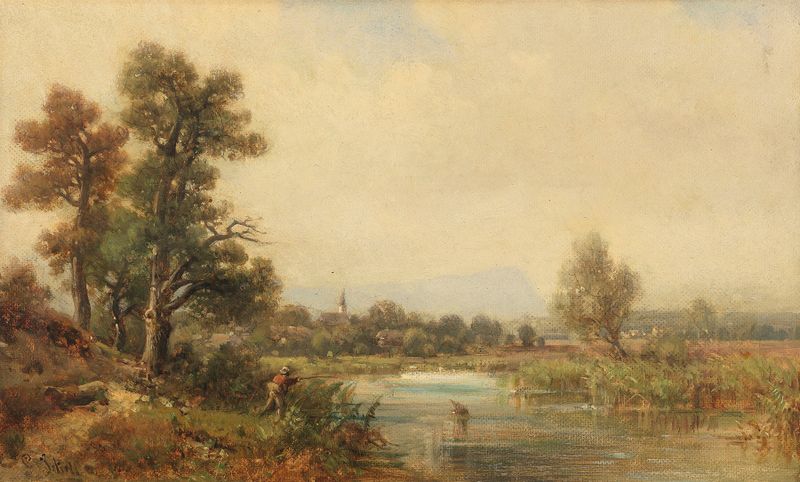
Kleine Flußlandschaft
Ludwig Sckell
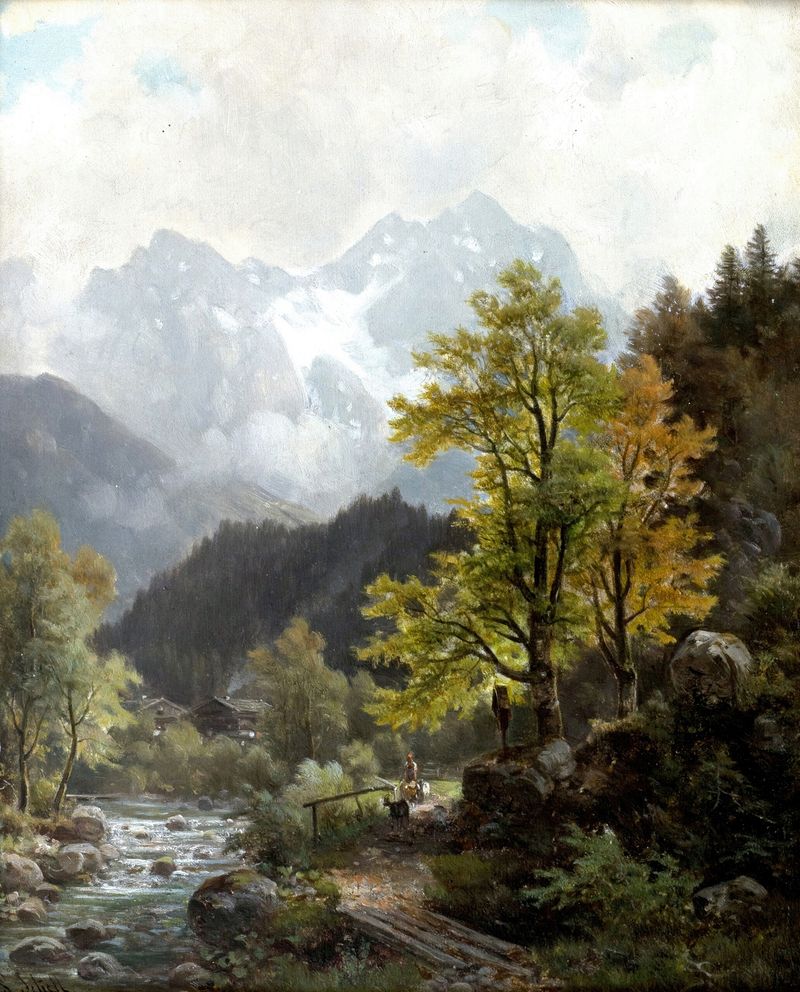
Partie im Berchtesgadener Land
Ludwig Sckell
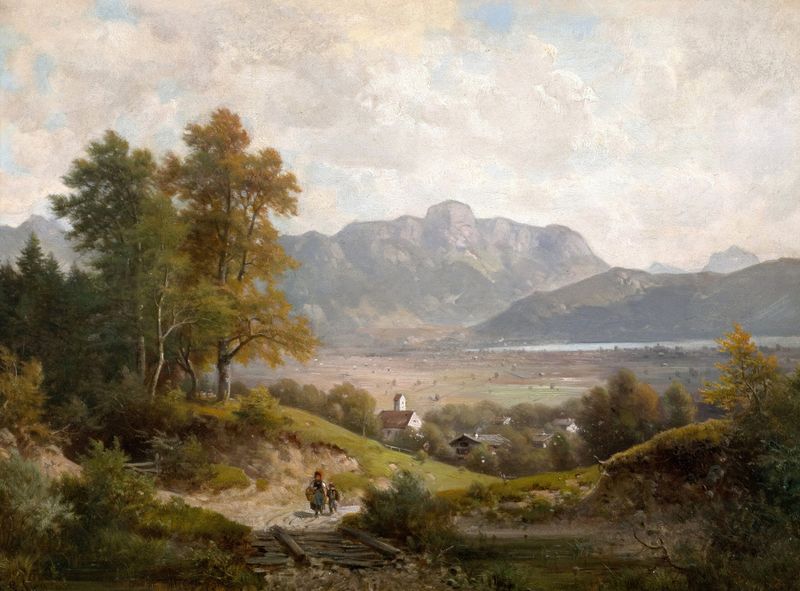
Blick auf den Kochelsee und Jochberg
Ludwig Sckell
Partie am Kochelsee
Ludwig Sckell
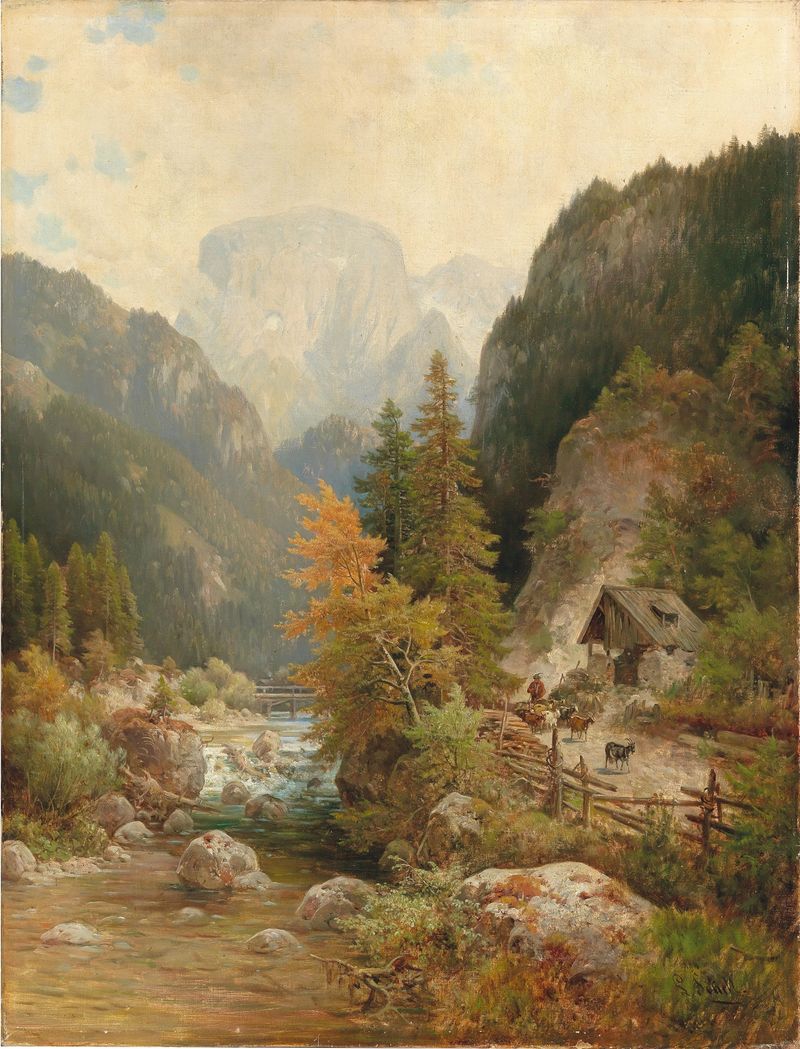
Hirten und Herde am Weg bei einem Wildbach
Ludwig Sckell
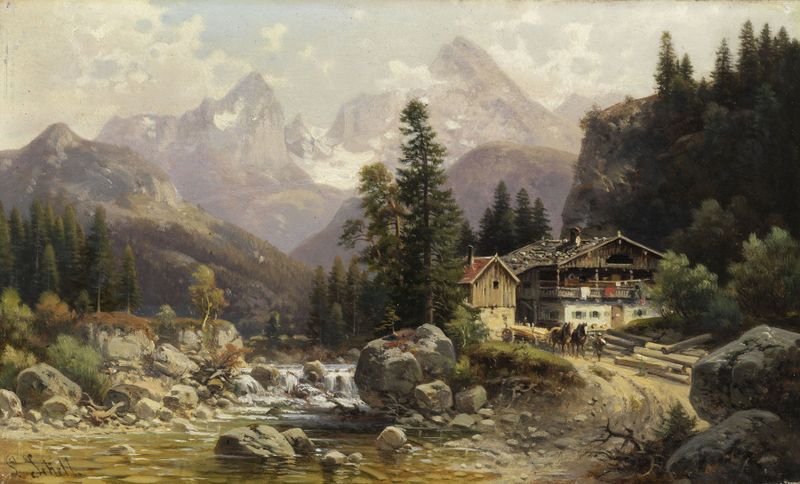
Alpenlandschaft mit Mühlengebäude
Ludwig Sckell
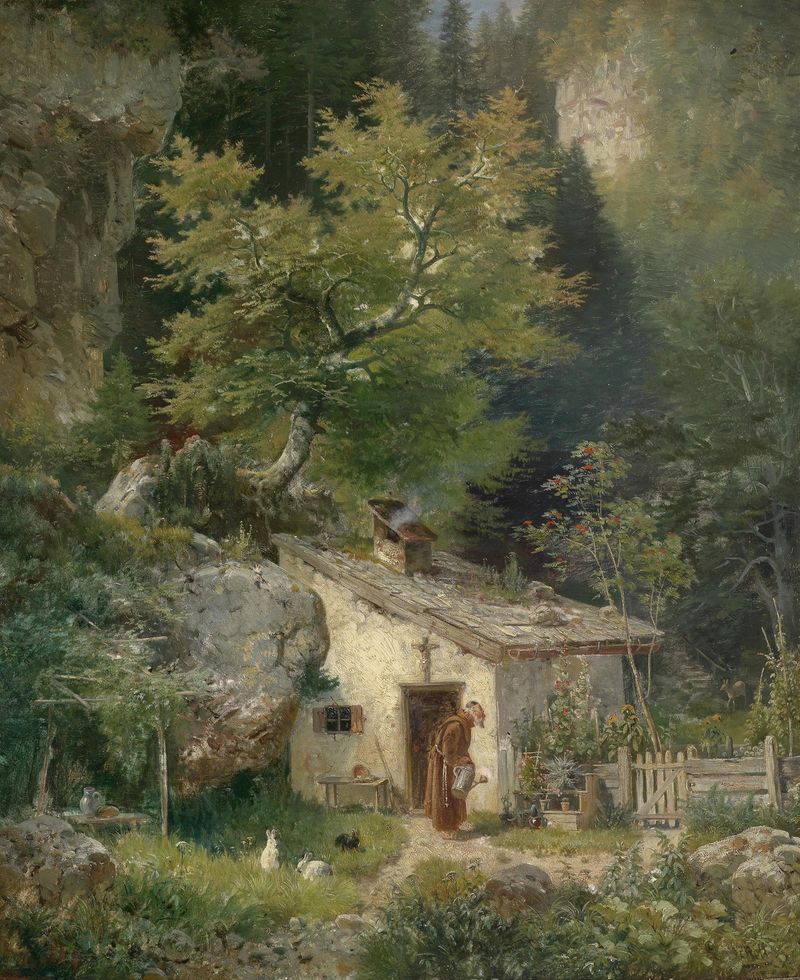
Der Einsiedler
Ludwig Sckell
Summer on Schliersee
Ludwig Sckell
Oberbayrische Seelandschaft
Ludwig Sckell





